Sleep Training Twins: Syncing Schedules for Better Sleep
9 March 2026
Raising twins is a wild ride—with double the diapers, double the feedings, and yep, double the sleep struggles. If you're knee-deep in sleep-deprived nights wondering how on earth you'll ever get both babies snoozing at the same time, you're not alone. As magical as having twins can be, getting them on the same sleep schedule often feels like herding cats... at midnight... during a thunderstorm.
Sleep training twins isn't impossible, though. It just takes a bit of strategy, consistency, and a whole lot of patience. This guide is here to help you sync your twins’ sleep schedules so you can finally catch a break—and maybe even snag a Netflix night with your partner again. Sound like a dream? Let's make it your reality.
Why Synchronizing Schedules Matters
One baby waking up is tough. Two babies waking at completely different times? That’s a recipe for burnout.When you sync your twins’ sleep schedules, everything starts to get a little easier. You reduce overtiredness (for both them and you), structure your day better, and maybe—just maybe—sneak in some time for yourself. A synced schedule is like hitting the parenting jackpot.
Some benefits include:
- Longer stretches of sleep (for everyone)
- More predictable routines
- Fewer meltdowns from overtired babies
- A healthier sleep foundation as they grow
But how exactly do you pull this off? It isn’t magic—it’s method.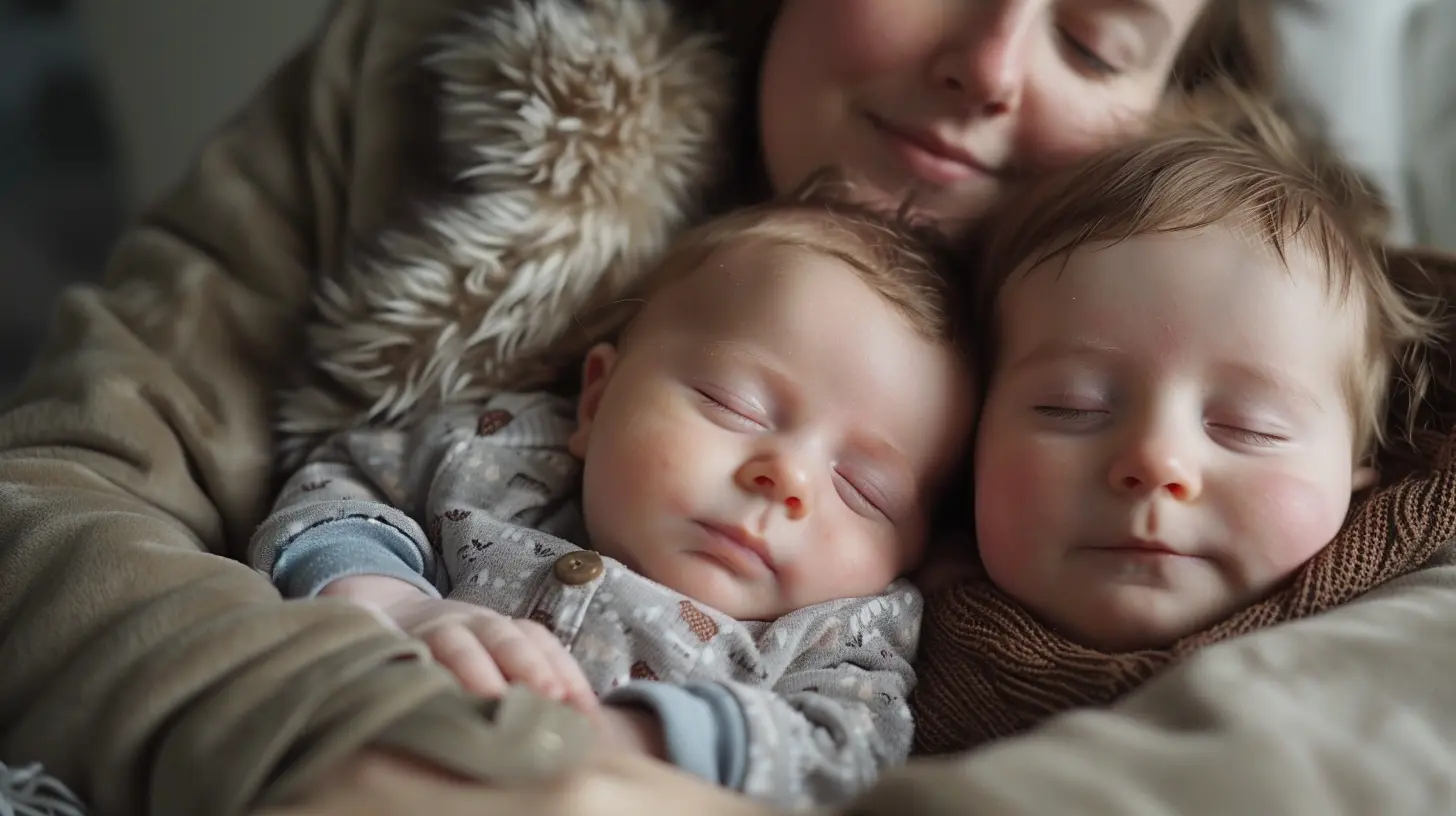
When to Start Sleep Training Twins
The best time to start syncing your twins’ schedules is when they’re developmentally ready to sleep for longer stretches. That’s typically somewhere around 4 to 6 months. But every baby is different. Some twins might show signs of readiness earlier, while others will take longer.Before starting sleep training, make sure:
- Your twins are gaining weight appropriately
- Your pediatrician gives you the green light
- You're ready to commit to a routine (as much as possible)
Don’t stress if you’re past the 6-month mark either—it’s never too late to build better sleep habits.
Creating the Foundation: Routines Are Everything
Before sleep schedules can sync, your twins need a solid daily routine. Think of it as the framework that their sleep schedule will hang on.1. Feed at the Same Time
This is rule number one when raising twins: feed one, feed the other. Even if one baby is still sleeping, gently wake them and feed them after the first twin eats. It sounds harsh, but it works.Feeding twins at the same time helps:
- Align hunger cues
- Reduce the number of feedings per day
- Shorten the bedtime routine chaos
2. Shared Naps
When one twin naps, the other should nap too. Even if they don't fall asleep at exactly the same time, putting them down together builds consistency.Yes, one might fuss. Yes, one might wake up earlier. But over time, they’ll both start to understand that nap time = quiet time.
3. Implement a Bedtime Routine
A calming, consistent bedtime routine signals to your twins that it’s time to wind down. Keep it simple:- Bath time
- Pajamas
- Feeding
- Low lights and a lullaby or story
Repeat this every evening like clockwork. Babies love predictability—it’s like comfort food for their brains.
Choosing a Sleep Training Method That Works for Twins
There’s no one-size-fits-all when it comes to sleep training. You’ve probably heard of popular methods like Ferber, Chair Method, or the No Tears approach. But how do they work with two babies?Option 1: Modified Ferber (aka Graduated Extinction)
This is a popular method where you let your baby fuss for short periods before checking in. With twins, this can be tricky if one starts crying and wakes the other.Pro tip: Start with the twin who has an easier time self-soothing. Once one baby gets the hang of sleeping through, the other will often follow suit.
Option 2: Chair Method
Sit next to their crib while they fall asleep and gradually move farther away over days or weeks. This one’s more gentle and great for parents who don’t like hearing too much crying.Option 3: Pick-Up-Put-Down
You comfort your baby when they cry and put them back down once they’re calm. It takes longer but involves less crying overall. Again, try this one-at-a-time if needed.Whichever method you choose, consistency is the magic ingredient. Twins learn through repetition, just like any other baby, but with the added twist of having a little partner right next to them.
Should Twins Share a Crib or Not?
Great question! The AAP (American Academy of Pediatrics) recommends that each baby have their own sleep space, even when you're short on room.That being said, co-bedding (twins sharing a crib) is something many parents do in the early months. If you go this route, make sure:
- Babies are placed on their backs
- There’s no loose bedding
- They're positioned head-to-head (not side-by-side)
By around 3 or 4 months—or earlier if they start rolling—it’s time to separate them for safety and better sleep quality.
Crib-sharing can make syncing easier in the short-term since babies often adjust to each other’s noises. But individual cribs give them their own space to learn sleep skills independently.
Handling Night Wakings with Two Babies
Ah, the middle-of-the-night chaos.When one wakes, do you wake the other?
That completely depends on your strategy. If you’re sleep training, this is where syncing comes into play.
- If one baby wakes up to feed, go ahead and dream-feed the other (unless they’ve weaned or the doctor says otherwise).
- If one cries and wakes the other, wait a few moments. Sometimes the other baby will just roll over and keep sleeping.
You know your babies better than anyone. Over time, they’ll adjust to each other’s sleep rhythms, and short-term disruptions won’t throw off the whole night.
What If One Twin Sleeps Better Than the Other?
It happens. A lot. One baby is naturally a better sleeper while the other fights bedtime like it’s a full-contact sport.Don’t sweat it.
Here’s what to do:
- Stick with your routine
- Avoid letting the better sleeper nap too long while the other struggles
- Try sleep training the more difficult sleeper first (sometimes they're just waiting for a little push)
The key is not to base your whole day around your "easier" twin. Keep everything aligned so the other twin eventually falls into step.
Nap Transitions and Growth Spurts
Just when you think you’ve figured it out—bam! A nap regression hits.When twins go through:
- Growth spurts
- Teething
- Illness
- Developmental milestones (like crawling)
Their sleep can get a little messy. That’s totally normal.
During these times:
- Stick with the routine as much as possible
- Offer comfort, but don't toss all your sleep training rules out the window
- Be patient—this too shall pass
Twins might hit these phases at slightly different times, but syncing doesn’t have to go out the window. Stay calm, stay consistent.
Real Talk: Embrace the Imperfect
Let’s get one thing straight: sleep training twins isn’t about perfection. Some nights you’ll win. Other nights you’ll find yourself curled up next to a crib whispering lullabies at 3 a.m.That’s okay.
The goal isn’t to have perfect babies who never wake in the night (spoiler alert: that doesn’t exist). The goal is to help your twins develop healthy sleep habits and give yourself some much-needed rest too.
Lean on your partner, create a support system, and don’t be afraid to ask for help. You’re parenting on hard mode—and you’re doing an amazing job.
Tips and Tricks from Twin Parents
Let’s wrap it up with some tried-and-true tips from other twin parents who’ve been exactly where you are:- White noise machines: Lifesavers. Helps mask one twin's fussiness so the other can snooze undisturbed.
- Blackout curtains: Keep the room dark to support longer naps and early morning wakeups.
- Track sleep with an app: When you’re exhausted, keeping track on paper just doesn’t cut it.
- Tag-team with your partner: Take shifts when possible so each of you can get a solid chunk of sleep.
- Celebrate small wins: If both babies nap for 30 minutes together—do a little dance. It’s progress!
Final Thoughts
Sleep training twins isn’t a sprint—it’s more like a marathon... with two adorable, unpredictable runners. But syncing their sleep schedules can totally change your life. More rest, better moods, and a little space for yourself? Yes, please.Remember, every day won’t be perfect, but with some consistency, empathy, and flexibility, you’ll get there. Hang in there. You’ve got this, twin parent warrior.
all images in this post were generated using AI tools
Category:
Sleep TrainingAuthor:

Maya Underwood
Discussion
rate this article
2 comments
Skye Dodson
Twice the giggles, double the snoozes—dream team!
March 27, 2026 at 3:53 AM
Maya Underwood
Thanks for the fun comment! Coordinating sleep for twins can be quite a journey. Glad you enjoyed the article!
Joy McConnell
Parenting twins is a unique journey filled with challenges and joys! Embrace the power of synchronized sleep training—it's not just about rest; it's about nurturing harmony in your home. Together, you can create a peaceful, restorative environment for your little ones!
March 14, 2026 at 3:34 AM
Maya Underwood
Thank you! Here's a very brief author's reply: Absolutely—synchronized sleep training truly transforms the chaos into calm. Wishing you peaceful nights and connected mornings! Or even shorter: Thank you! Synchronized sleep brings harmony for everyone.