How Your Baby's Diet Can Help (or Hinder) Sleep Training
24 December 2025
Let’s cut to the chase—if you’re in the middle of sleep training your baby and still waking up three times a night wondering what went wrong, you’re not alone. You may have tried all the tricks—white noise, swaddling, blackout curtains—but there’s one crucial piece that often gets overlooked: your baby’s diet.
Yep. What goes into that tiny belly can totally make or break your baby’s sleep routine.
In this no-fluff guide, we’re going to break down exactly how your baby’s diet either sets them up for snoozing success—or sabotages your hard-earned sleep training schedule. So grab your coffee (because you're probably still tired), and let’s dive into the juicy details.
Why Food and Sleep Are Totally BFFs
Think of hunger and sleep as two old frenemies in your baby’s little body. When one is off, the other throws a tantrum—literally.Here’s the deal: babies grow fast. So they’re burning through calories like a mini CrossFit champion. But if their diet is unbalanced—or just not enough—their body will prioritize eating over sleeping.
And trust me, your baby isn’t lying awake at 2 AM pondering the meaning of life. They’re just freaking hungry.
The Age Factor: Timing Is Everything
Before we talk about what to feed your baby, let’s talk about when. Because sleep needs and eating habits change a lot in the first year. Here’s a quick breakdown:0–3 Months: Newborn Phase
At this stage, your baby’s stomach is tiny. They need to feed every 2-3 hours—including at night. Sleep training is off the table here because their bodies just aren’t ready yet. It’s all about survival mode.4–6 Months: The Sweet Spot for Sleep Training
This is when things start to shift. Your baby’s stomach has grown, and many babies can start sleeping longer stretches—IF they’re getting enough food during the day. Miss the calorie quota, and boom—they’re waking up at midnight ready to party.6+ Months: Enter Solid Foods
Solid foods = game-changer. This is when what they eat starts to affect how they sleep in a huge way. But beware—introducing solids doesn’t automatically mean better sleep. It’s all about choosing the right foods.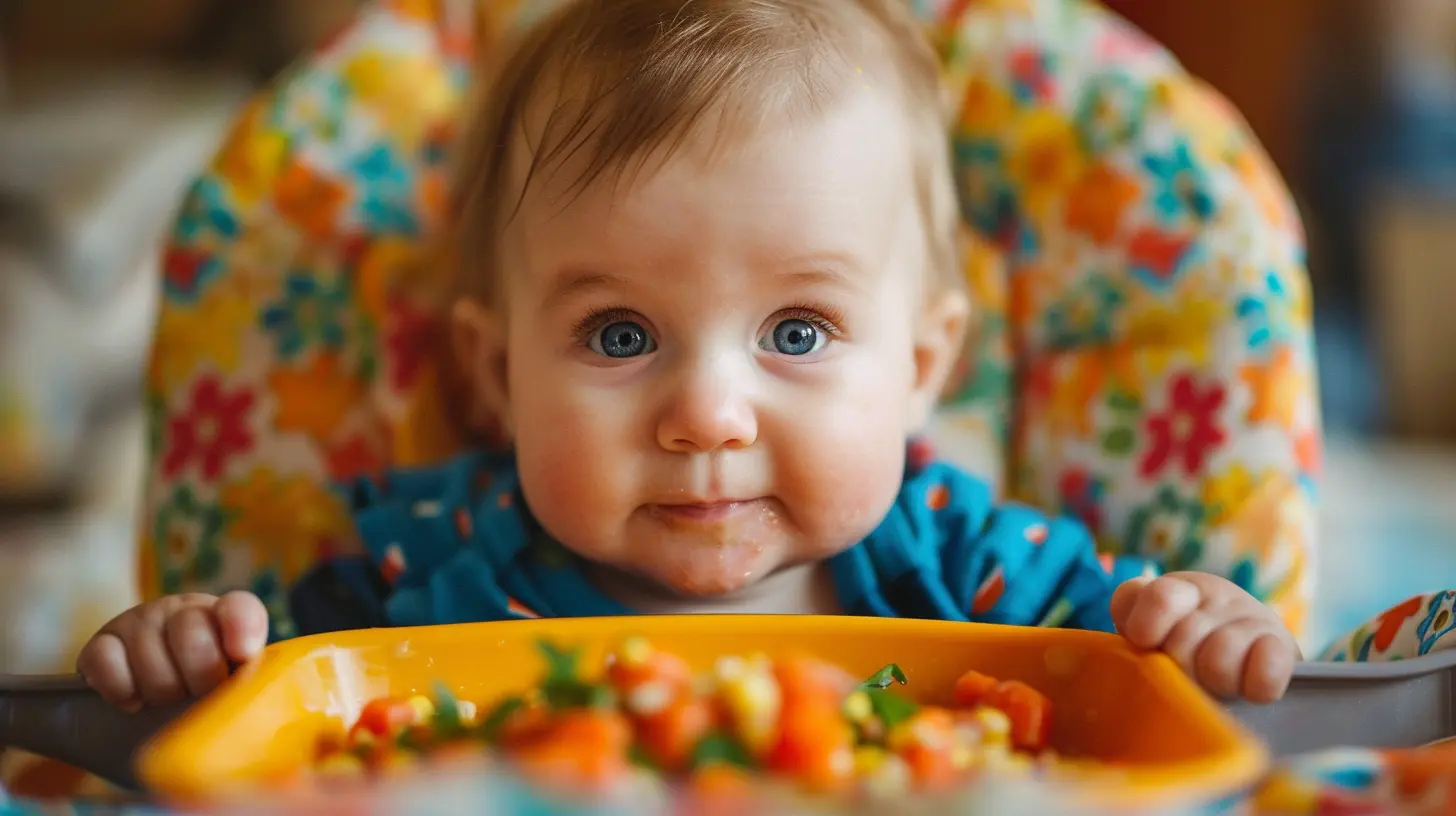
What to Feed to Fuel Better Sleep (And What to Avoid Like the Plague)
Not all baby food is created equal. Some foods promote dreamy ZZZs, while others? Well, they’ll have your baby doing midnight acrobatics in the crib.✅ Sleep-Boosting Baby Foods
Here’s what you want in your baby’s diet to support sleep training:1. Tryptophan-Rich Foods
Tryptophan is an amino acid that helps the brain produce serotonin and melatonin—both of which regulate sleep.Best baby sources: Turkey, chicken, eggs, oats, bananas, lentils, and dairy (if tolerated).
2. Healthy Fats
Fats keep your baby full longer, reducing those late-night hunger cries. Plus, they’re essential for brain development.Best baby sources: Avocados, full-fat plain yogurt, breast milk/formula, nut butters (in safe, age-appropriate form).
3. Complex Carbs
These help boost serotonin production and keep energy levels stable.Best baby sources: Sweet potatoes, quinoa, oats, brown rice, peas.
4. Iron-Rich Foods
Low iron levels can mess with both mood and sleep. No thanks.Best baby sources: Lentils, beef, fortified baby cereals, spinach (pureed), tofu.
5. Magnesium & Calcium
These minerals promote muscle relaxation and deeper sleep.Best baby sources: Bananas, leafy greens, yogurt, broccoli.
❌ Sleep-Sabotaging Foods
You might be unknowingly setting your baby up for a sleepless night by offering the wrong foods.1. Sugary Snacks (Even Natural Sugars)
Fructose overload = hyper baby. Bouncing off the walls in the crib, anyone?Watch out for: Fruit juices, sweetened yogurt, pre-packaged baby snacks, even too many bananas before bed.
2. Spicy or Gassy Foods
If you’re breastfeeding, this one’s on you. Gassy foods can upset baby’s tummy and lead to night wakings.Watch out for: Onions, garlic, cauliflower, beans, cabbage.
3. Caffeine (Yes, It Happens)
Breastfeeding moms, your caffeine habit can make its way into breast milk. And babies don’t do espresso like we do.Cut down on: Coffee, chocolate, soda.
Feeding Schedule Hacks to Lock Down That Nighttime Routine
Okay, so now you know the what. But let’s talk about the when and how much. Timing is everything, especially when trying to sync up your baby's internal clock.🕢 Sample Feeding Routine (6–12 Months)
- 7 AM: Breast/formula feed + iron-rich solids like oatmeal with mashed banana- 11 AM: Solid meal with a protein + veggie (chicken + sweet potato)
- 3 PM: Breast/formula feed + carbs (whole grain toast or soft-cooked pasta)
- 6:00 PM Dinner: Solids with healthy fat + protein (avocado + lentils)
- 7:30 PM: Top-off with warm breast milk or formula before bed
👉 Pro Tip: Avoid overstuffing them right before bedtime—babies who go to bed too full can wake up gassy and uncomfortable. Stick to a balanced final feeding about 30–60 minutes before bed.
The Formula vs. Breastfeeding Debate (No Judgement Zone)
Both breast milk and formula are valid choices, and both can support great sleep if managed smartly.Breastfed Babies
They digest milk faster, which means more frequent feeds—especially in the early months. But as solids phase in, the type of solid food becomes more important.Formula-Fed Babies
Formula generally takes longer to digest, so these babies might sleep longer stretches earlier. But don’t think you’re off the hook—overfeeding or poor formula choices can still wreck sleep.What matters most? Calories during the day = more nighttime sleep.
Night Feedings: Are They Really Necessary?
Depends on the age. If your baby is younger than 6 months, yes—they might still need a feed or two overnight.But once they’re eating solids and getting enough calories during the day, those night feeds can become habit rather than necessity.
Ask yourself:
- Are they truly hungry?
- Or are they just seeking comfort?
If it’s the second one, you might need to work on sleep associations rather than adjusting their food intake.
Baby Sleep Regressions: Could Diet Be the Culprit?
You’ve heard of the 4-month sleep regression, and maybe the 8-month one too. While developmental leaps are the usual suspects, diet can absolutely play a role in how intensely—or how long—these regressions last.Changes like introducing solids, weaning from breastfeeding, or switching formulas can disturb digestion and throw off sleep patterns. If your baby suddenly turns into a nighttime gremlin after a dietary change, don’t ignore the red flags.
Teething, Tummy Troubles & Diet—The Unholy Trio
Teething and digestive issues go hand in hand, and diet is often the trigger. When introducing new foods, go slow and one at a time. Watch for constipation, spit-ups, or gas—all of which can wake your baby at 1:00 AM screaming like a siren.Keep a food journal if needed. Sometimes the culprit is hiding in plain sight (I’m looking at you, innocent-looking apples).
Final Thoughts: Sleep Isn’t Just About the Crib—It Starts at the Table
Let me lay it on thick for a sec: sleep training is not some standalone magic trick. It's a puzzle, and your baby’s diet is a massive corner piece.Fuel their body right, and the rest of the picture starts to fall into place. Mess it up, and you’ll keep playing bedtime whack-a-mole until you’re ready to cry into your monitor.
Take a hard look at what your baby is eating and when. Don’t be afraid to tweak, test, and trust your gut.
Because when the belly’s happy? Everyone sleeps better.
FAQs
Q: Can I give my baby a “bedtime snack”?
A small feeding about 30–60 min before bed can help them sleep longer. Choose something easy to digest, like mashed sweet potato or a bit of avocado.Q: My baby started solids and now sleeps worse. What gives?
Their digestive system might be adjusting. Go slow. Try one new food at a time and watch for reactions that may disturb their sleep.Q: Do I have to cut sugar completely?
You don’t have to be militant, but avoid high-sugar foods, especially close to bedtime. They mess with blood sugar and can keep your baby wired.all images in this post were generated using AI tools
Category:
Sleep TrainingAuthor:

Maya Underwood
Discussion
rate this article
2 comments
Valeris Vaughn
Who knew that mashed peas could be a bedtime villain? If only my baby's food choices came with a sleep training manual! Remember, folks: if your baby’s dinner resembles a Picasso painting, don’t be surprised when bedtime turns into an abstract art exhibit of tears and giggles!
January 28, 2026 at 5:12 PM
Maya Underwood
Absolutely! It’s fascinating how a baby’s diet can impact sleep. Those colorful meals may lead to fun moments, but they can also stir up trouble at bedtime!
Evangeline Mendez
Great insights! It's fascinating how a baby's diet impacts sleep training. Nutrient-rich foods can truly make a difference in sleep quality.
December 25, 2025 at 4:20 AM
Maya Underwood
Thank you! I'm glad you found it insightful. Indeed, a balanced diet plays a crucial role in a baby's sleep quality and overall development.