When to Seek Professional Help for Frequent Tantrums
11 December 2025
Let’s be real for a second—tantrums are part of the parenting package. They're messy, loud, sometimes utterly bewildering, and completely normal in early childhood. Most of us have braved the storm of a grocery store meltdown or dealt with a dramatic protest over the “wrong” color cup. But what happens when those tantrums become too frequent, too intense, or just... off?
At what point should you start wondering if there’s more going on beneath the surface?
In this guide, we’re going to dig deep into when to seek professional help for frequent tantrums—without the jargon, judgment, or sugarcoating. Just straight talk, from one parent to another.
What’s Normal Tantrum Behavior Anyway?
Before we get into the red flags, let’s clarify what’s within the realm of normal. Toddlers throw tantrums because they’re trying to figure out the world and don't have the emotional vocabulary to express themselves yet. That’s why the "terrible twos" have such a notorious reputation.Here’s what typical tantrums often look like:
- Lasting between 5 to 15 minutes
- Triggered by frustration, fatigue, hunger, or overstimulation
- Ending when the child is distracted or comforted
- Happening once or twice a day (or less)
Sounds familiar, right? If your child has the occasional fit over bedtime routines or snack-time injustices, you’re probably in the clear.
But what if it goes beyond that?
When Do Tantrums Cross the Line?
There’s a fine line between “annoying but normal” and signs of a deeper issue. So how do you know when to worry?Here are a few signs that your child’s tantrums might need more attention:
1. They Happen Constantly
We’re not talking about one rough day. We mean tantrums that happen multiple times a day, nearly every day, for weeks or months on end. If you feel like you’re constantly walking on eggshells, that’s your cue to pause and reassess.2. They Last Way Too Long
Most tantrums are a short fuse that burns out quickly. But if your child’s meltdowns drag on for 30 minutes, an hour, or longer—and no amount of soothing, redirection, or ignoring helps—something bigger might be at play.3. Aggression is Involved
It’s not uncommon for toddlers to throw a toy or hit out of frustration once in a while. But if your child consistently becomes violent—towards you, themselves, or others—there’s a serious red flag there. Frequent aggression isn't something to ignore.4. There's Destruction or Self-Harm
Does your child bang their head on the floor, bite themselves, or deliberately try to hurt others when they're upset? Tantrums that involve self-harm or serious destruction go far beyond developmental growing pains.5. It’s Affecting Daily Life
Is your child unable to get through normal activities—going to school, playing with peers, eating meals—without constant tantrums? If their behavior is interfering with their social development or causing chaos at home, that’s a strong signal to get help.6. Your Gut Tells You Something’s Off
Sometimes, the best parenting tool is your intuition. If you feel like your child’s behavior is different from their peers or that something just doesn’t sit right, trust your gut. It’s often more accurate than we give it credit for.
What Could Be Causing These Tantrums?
Kids don’t throw tantrums for no reason. When they’re frequent and severe, there’s often an underlying issue. Let’s look at a few possibilities:Emotional Regulation Challenges
Some kids just struggle more than others to manage big feelings. If they haven't built the emotional tools to deal with frustration or disappointment, you’ll see the fallout in their behavior.Sensory Processing Disorders
For children with sensory sensitivities, something as simple as a loud noise or itchy tag can send them over the edge. Their world feels overwhelming, and tantrums can be a way of screaming “This is too much!”Anxiety or Depression
Yes, even young children can experience mental health challenges. Persistent tantrums could signal anxiety, especially if they happen in specific settings or get worse in new situations.Autism Spectrum Disorder (ASD)
Frequent meltdowns—especially those paired with communication struggles, rigid routines, or sensory issues—can sometimes be early signs of autism.Attention-Deficit/Hyperactivity Disorder (ADHD)
Kids with ADHD often struggle with impulse control and emotional self-regulation. Tantrums can stem from frustration, overstimulation, or a difficulty transitioning between activities.Trauma or Stress
Changes at home—like a divorce, move, new sibling, or even tensions between parents—can manifest in emotional outbursts. Remember, kids absorb energy like sponges.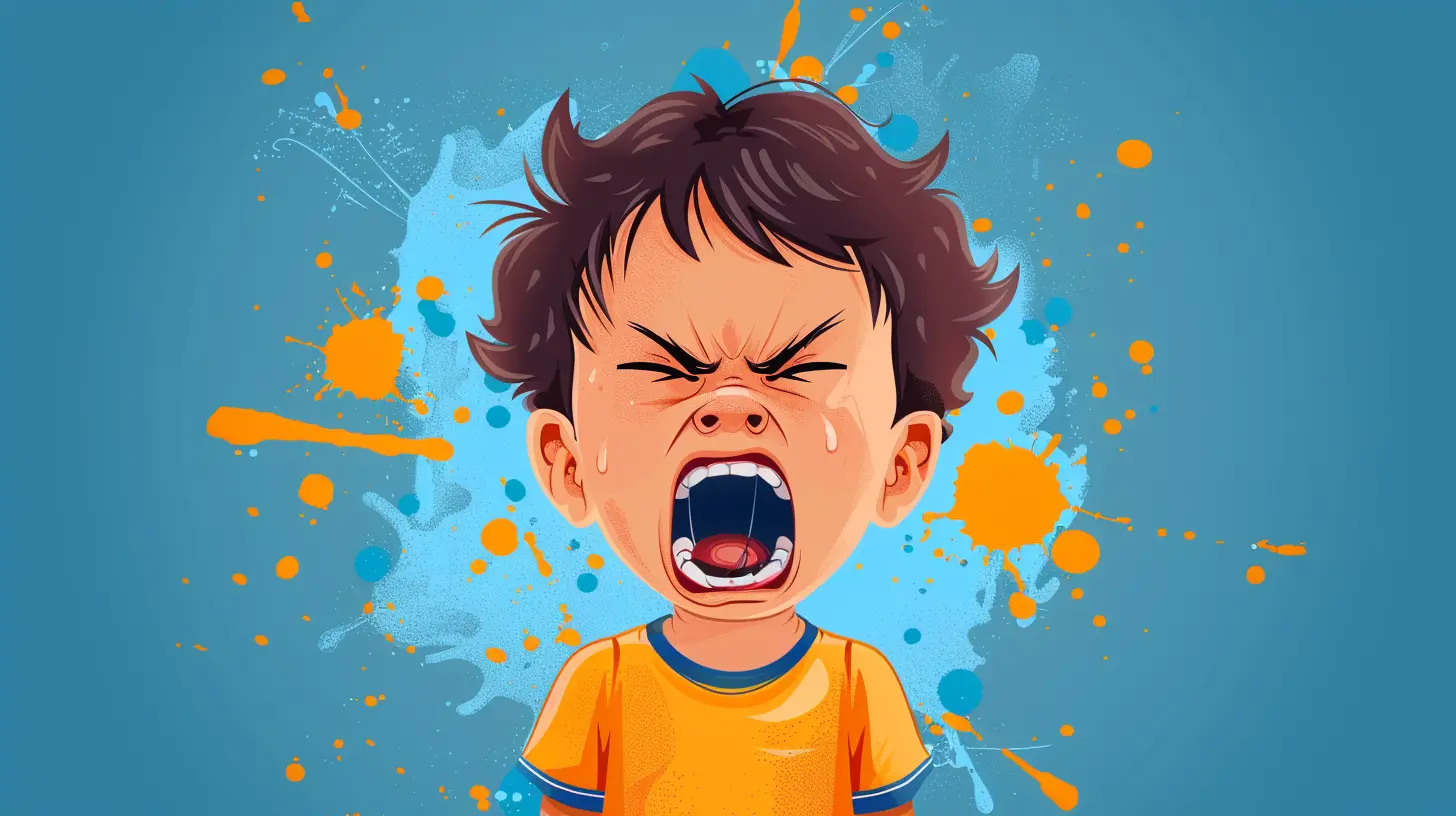
So, When Should You Actually Seek Professional Help?
If any of the red flags we covered earlier are showing up—and especially if more than one is present—it’s worth consulting a professional.Here’s a simple guideline:
- Mild and infrequent tantrums? Normal phase, hang tight.
- Frequent, intense, or aggressive tantrums? Time to talk to someone.
The sooner you seek help, the sooner you can get answers and tools to support your child.
Who Should You Reach Out To?
Not sure where to start? Here’s a breakdown of professionals who can help:🧠 Pediatrician
Your child’s doctor is often the best first step. They know your child’s development history and can guide you toward specialists if needed.🧒 Child Psychologist or Therapist
These experts can dive into emotional and behavioral assessments, see how your child processes emotions, and offer tailored strategies to improve behavior.🏫 School Counselor or Early Intervention Specialist
If your child is in preschool or school, touch base with their teacher or counselor. They can help you understand how your child behaves in other settings and may recommend early intervention assessments.🧩 Developmental Pediatrician
These specialists focus on developmental milestones and can assess for things like autism, ADHD, or learning disorders.👨👩👧 Family Therapist
Sometimes, tantrums are rooted in broader family dynamics. A family therapist can help you all work together to create a calmer, more connected home environment.What to Expect During an Evaluation
The idea of evaluation can sound scary—but it doesn’t need to be. Most of the process involves:- Observing your child in different settings
- Completing behavior checklists or parent questionnaires
- Talking through your family and developmental history
- Engaging your child in play-based assessments
It’s all designed to understand what’s really behind the behavior—not to label or judge.
And don’t worry, you won’t be walking out with a diagnosis after one session. It’s a process, and your participation matters just as much as what’s observed in your child.
What Can You Do While Waiting for Help?
If you’re in that limbo stage—between noticing a problem and getting a formal evaluation—there are things you can do right now to support your child:1. Stay Consistent
Kids thrive on routine. The more predictable your environment is, the safer and calmer your child will feel.2. Use Positive Reinforcement
Catch them being good. Seriously—notice even the smallest win and praise it. Reinforcing positive behavior builds confidence and trust.3. Teach Emotion Words
Start naming emotions as they happen: “You’re frustrated because we can’t go outside.” This helps your child build emotional vocabulary and self-awareness.4. Model Calmness
Easier said than done, but if you lose your cool, your child follows your lead. Take deep breaths, speak slowly, and try not to mirror their chaos.5. Set Clear Boundaries
Be kind, but firm. If bedtime is 8pm, it’s 8pm—even if that means a meltdown. Boundaries help create structure and reduce confusion.Let Go of the Guilt
Here’s the thing: your child’s frequent tantrums aren’t a sign that you’re a bad parent.They’re a sign that something’s hard for your child, and they need help navigating it. Seeking support doesn’t mean you’ve failed—it means you care deeply and are willing to do whatever it takes to support your child’s growth.
We all want our kids to be happy, well-adjusted, and emotionally resilient. Sometimes, that journey involves asking for a little help along the way, and that’s completely okay.
Final Thoughts
Tantrums are part of growing up. Most kids will scream, cry, throw things, and push your buttons—it’s how they learn boundaries and emotions. But if the tantrums are constant, intense, or just feel “off,” it’s time to trust your gut and reach out.There’s no shame in asking for help. In fact, it’s one of the greatest gifts you can give both yourself and your child. Support is out there, and with the right guidance, even the turbulent storm of toddler emotions can turn into a journey of understanding, healing, and connection.
Remember—you’re not alone. And you’re doing a great job.
all images in this post were generated using AI tools
Category:
Tantrum TipsAuthor:

Maya Underwood
Discussion
rate this article
2 comments
Lucy Jacobs
Understanding triggers is key before seeking help.
December 26, 2025 at 5:16 AM
Maya Underwood
Absolutely! Recognizing triggers is essential in addressing tantrums effectively and can guide the path to appropriate help.
Clara McSweeney
This article highlights an essential aspect of parenting. Recognizing when tantrums might signal deeper issues is crucial—not just for the child's well-being, but also for parental peace. Early intervention can pave the way for healthier emotional development.
December 13, 2025 at 3:42 AM
Maya Underwood
Thank you for your insightful comment! I completely agree—understanding the root causes of tantrums is vital for both the child and the parent. Early intervention truly makes a significant difference.