When Do Babies Start Walking? Understanding Gross Motor Skills
29 November 2025
There’s something absolutely magical about witnessing your baby take their first steps. That wobbly, determined toddle across the living room—it’s like they’re announcing to the world, “Hey, I’ve got this!” But as parents, we often find ourselves wondering, When do babies start walking—should mine be doing it already? Let’s walk (pun totally intended) through the world of baby milestones and gross motor skills to get a better understanding of what’s typical, what’s not, and how you can support your little mover.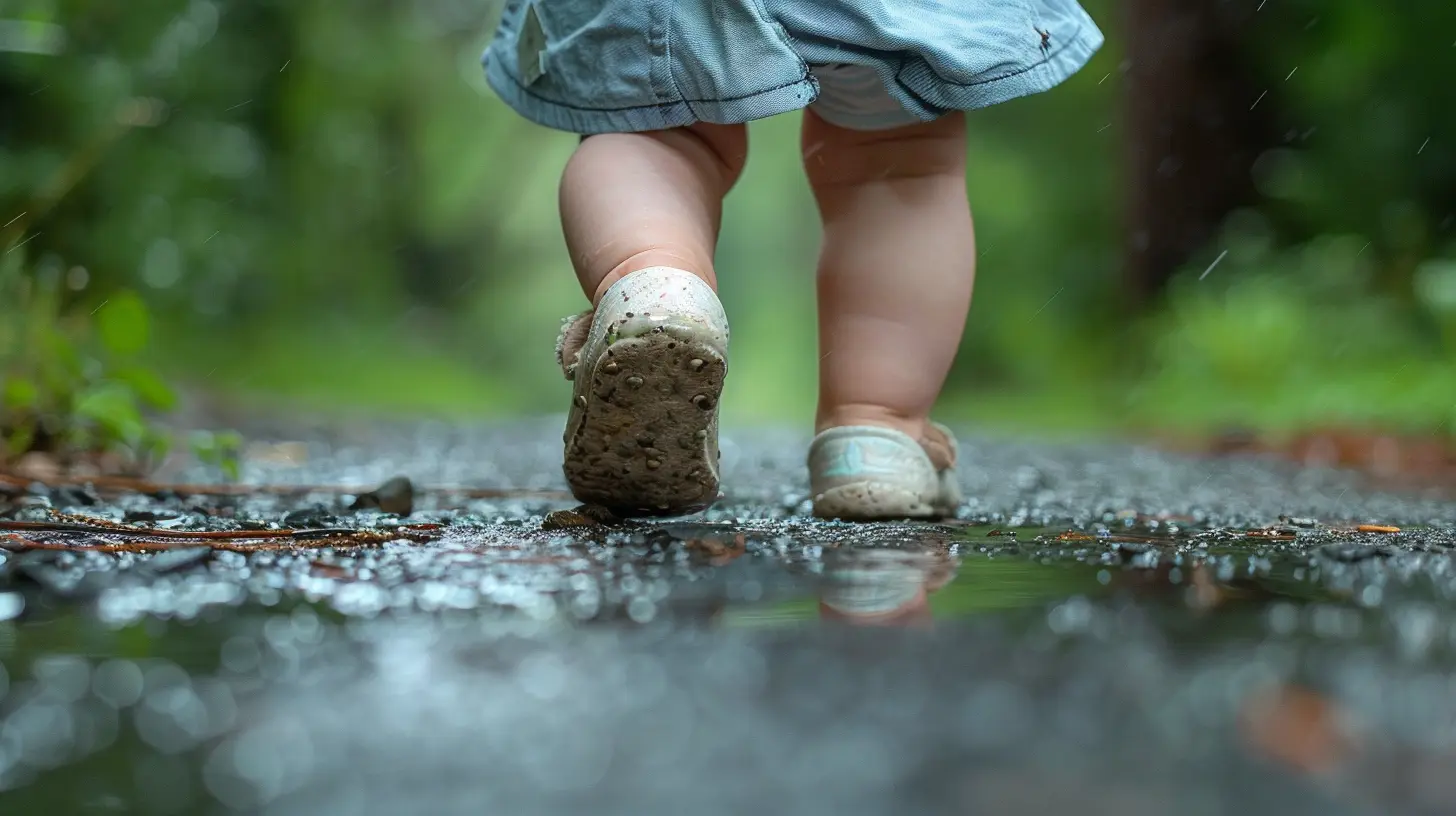
What Exactly Are Gross Motor Skills?
Okay, let’s start with the basics.Gross motor skills are the big movements your baby makes using their arms, legs, feet, or entire body. Think crawling, sitting, standing, walking, and even dancing their little diapered booties off. These skills are crucial because they lay the foundation for all kinds of physical activities later—like running, jumping, climbing, and yes, even sports.
In simpler terms? Gross motor skills are your baby’s way of building strength and coordination to eventually conquer the world—starting with the living room floor.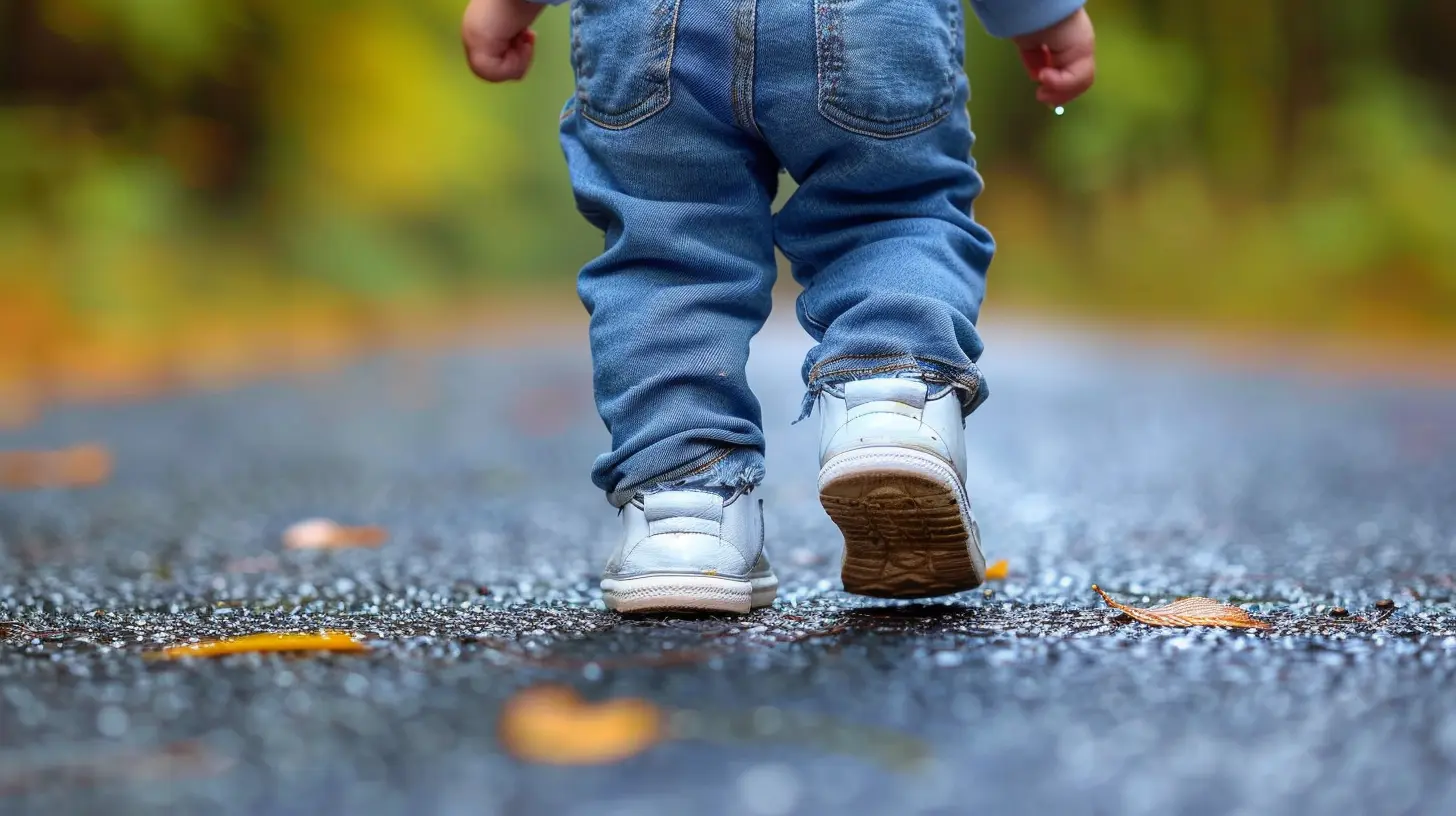
So, When Do Babies Usually Start Walking?
Here’s the short answer: Most babies take their first steps somewhere between 9 and 15 months. But let’s not freak out if your baby seems to be taking their sweet time. This range is totally normal.Some eager beavers start as early as 8 months, while others, especially those who took their time with crawling or standing, may not walk independently until 16-18 months. And yes, that's okay.
Each baby has their own timeline, sort of like they're scripting their own little developmental journey. It's not a race—it’s more like a scenic stroll (with a few tumbles along the way).
The Stages Before Baby Walks
Now, babies don’t just wake up one day and start walking. It’s a gradual process, kind of like unlocking levels in a video game. Let’s break it down:1. Tummy Time (0–3 Months)
This is where it all begins. Tummy time helps build neck, shoulder, and back muscles. Think of it as baby’s version of a workout plan.2. Rolling Over (Around 4–6 Months)
Rolling is the first sign that your baby is becoming mobile. They’re starting to figure out how their body moves.3. Sitting Up (Around 6 Months)
When your baby can sit without support, they’re developing core strength and balance—both key for walking later.4. Crawling or Scooting (7–10 Months)
This is when many babies become little explorers. Some skip crawling altogether and go straight to pulling up.5. Pulling Up to Stand (Around 8–10 Months)
Your baby grabs the edge of the coffee table and pulls themselves up—this is a big deal!6. Cruising (Around 9–12 Months)
Cruising is when your baby "walks" while holding on to furniture. It’s like training wheels for walking.7. First Steps (Usually 9–15 Months)
This is the moment. It’s often just a step or two before they plop down again—but it’s the start of something big.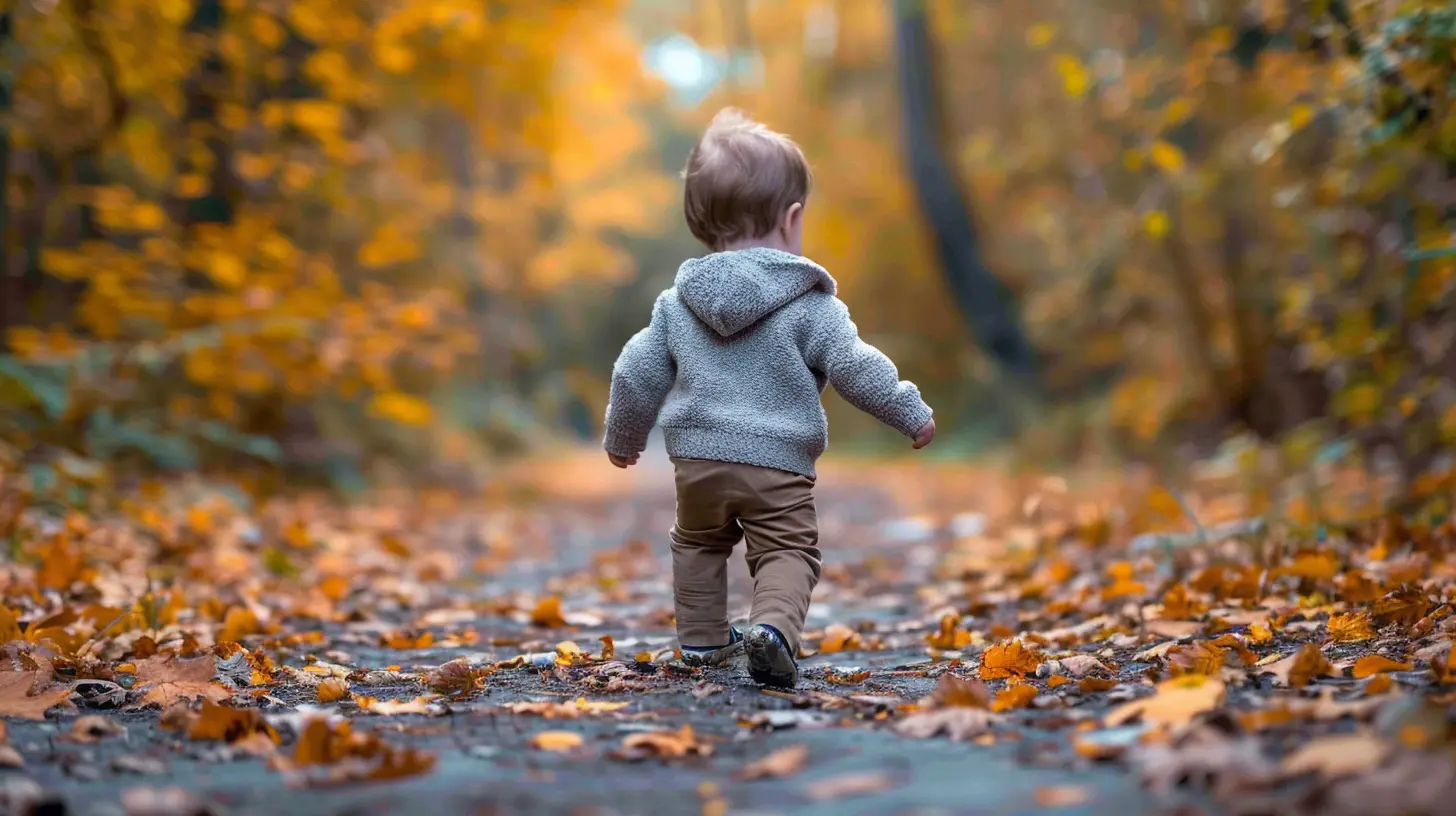
What Factors Affect When a Baby Starts Walking?
No two babies are exactly alike, and many things can influence when they decide to take that first step.1. Temperament
Some babies are movers and shakers, while others are more laid-back. If your baby is more cautious, they might wait until they feel totally secure before walking.2. Physical Readiness
Every baby develops muscles, balance, and coordination at their own pace. Chunky thighs? Not a delay—just more adorable squish to lift.3. Practice Opportunities
Babies need safe places to move, climb, and explore. Giving them room and encouraging movement can help them build strength and confidence.4. Developmental Variations
Some babies walk early but talk late (or vice versa). It's all part of the individual developmental mix.5. Health Conditions
Premature birth or medical conditions might delay walking. Always check with your pediatrician if there are concerns.How Can You Help Your Baby Start Walking?
You don't need fancy gear or pricey toys. (In fact, a lot of that stuff doesn’t help much—some walkers can even slow progress or be unsafe.)Here are some tried-and-true tips:
1. Lots of Tummy Time
Yes, we’re back to this. It’s boring for them at times, but it’s foundational. Get down on the floor with them. Make silly faces. It helps.2. Encourage Floor Play
Let them play freely on the floor rather than keeping them in seats or jumpers all day. Babies learn to move by… well, moving.3. Use Furniture for Support
Coffee tables, couches, or activity tables are great for pulling up and cruising. Just baby-proof the edges!4. Help Them Stand and Balance
Hold their hands while they stand. Cheer them on! It’s all about building that confidence.5. No Shoes Needed (Indoors)
Bare feet help babies learn balance. Those tiny toes grip the floor better than even the cutest baby sneakers.6. Celebrate the Wobbles
Clapping, smiling, and cheering when your baby tries to move—even if they fall—shows them that effort is awesome.Should You Be Worried If Your Baby Isn’t Walking Yet?
It’s so easy to compare. You see your sister’s baby walking at 10 months and start to panic. But really, there’s a wide range of normal.Generally, pediatricians don’t start worrying until around 18 months, and even then, they’ll look at the whole picture—like whether your baby is trying to stand or cruise.
Still, if your gut is telling you something’s off, or if there’s no effort to pull up, stand, or move around by 15-18 months, it’s absolutely okay to bring it up with your pediatrician. You’re not being “overly cautious”—you’re being an awesome parent who’s paying attention.
Common Myths About Baby Walking
Let’s bust some myths while we’re at it, shall we?❌ Walking Early Means a Smarter Baby
Walking early doesn’t equal genius. It just means your baby was ready physically. Einstein didn’t walk until he was 2. Just sayin’.❌ Baby Walkers Help Babies Walk Sooner
Actually, many pediatricians recommend against walkers. They can be dangerous and prevent babies from using the muscles they truly need to walk.❌ Boys Walk Later Than Girls
There’s no solid evidence showing a significant difference between boys and girls when it comes to walking. It’s all about the individual.What Comes After Walking?
First, you’ll be over the moon that your baby is walking. Then it’ll hit you—your world just changed. Forever.Walking opens a whole new level of independence. Soon, they’ll be:
- Running
- Climbing on your kitchen chairs
- Dancing in circles to Baby Shark
- Zooming through playgrounds
You’ll need to baby-proof (again), and yes, you’ll be chasing them… a lot. But you’ll also beam with pride because your tiny human just unlocked a major milestone.
Final Thoughts: Trust the Process
Watching your baby grow and develop is a rollercoaster ride—full of excitement, worry, and a healthy dose of mess. Trust that your baby is doing things on their timeline. Celebrate the little wins and don’t sweat the comparisons.Walking is just one of many wonderful (and slightly terrifying) milestones. Just enjoy the ride—and maybe keep your phone camera ready. Those first steps are coming, and you won’t want to miss them.
FAQs About Babies and Walking
1. Can a baby walk before they crawl?
Yup! Some babies skip crawling altogether and go straight to walking. It’s uncommon, but not a problem.2. What if my baby only wants to be carried and shows no interest in standing?
Totally normal, especially in the earlier months. Keep offering floor time and chances to explore. That curiosity will kick in soon.3. Are baby shoes helpful?
Indoors, barefoot is best. Shoes are only really needed outdoors to protect delicate feet.4. Can I make my baby walk sooner?
Not really. You can support and encourage, but trying to force it doesn’t help. Babies walk when they’re ready—and that’s just perfect.all images in this post were generated using AI tools
Category:
Infant DevelopmentAuthor:

Maya Underwood
Discussion
rate this article
1 comments
Joanna Thompson
This article is a fantastic resource for parents! It clearly outlines the typical milestones in gross motor skill development, helping us understand when to expect walking.
December 2, 2025 at 5:37 AM
Maya Underwood
Thank you for your kind words! I'm glad you found the article helpful in understanding gross motor skill milestones.