Managing Sibling Rivalry in a Preschool Setting
13 December 2025
Sibling rivalry. Just the phrase can make even the most seasoned parent sigh and roll their eyes. If you’ve ever tried to referee a squabble over who gets the last red crayon or who had the swing first, you know exactly what I’m talking about. When it comes to sibling rivalry in a preschool setting, things can escalate even quicker because, well, preschoolers are still learning the ropes of social interaction—and patience definitely isn’t their strong suit.
Managing these little storms before they become daily hurricanes? It’s possible, and honestly, a lot easier when you understand the “why” behind the behavior—and have a handful of practical tips up your sleeve. Let’s walk through this together, shall we?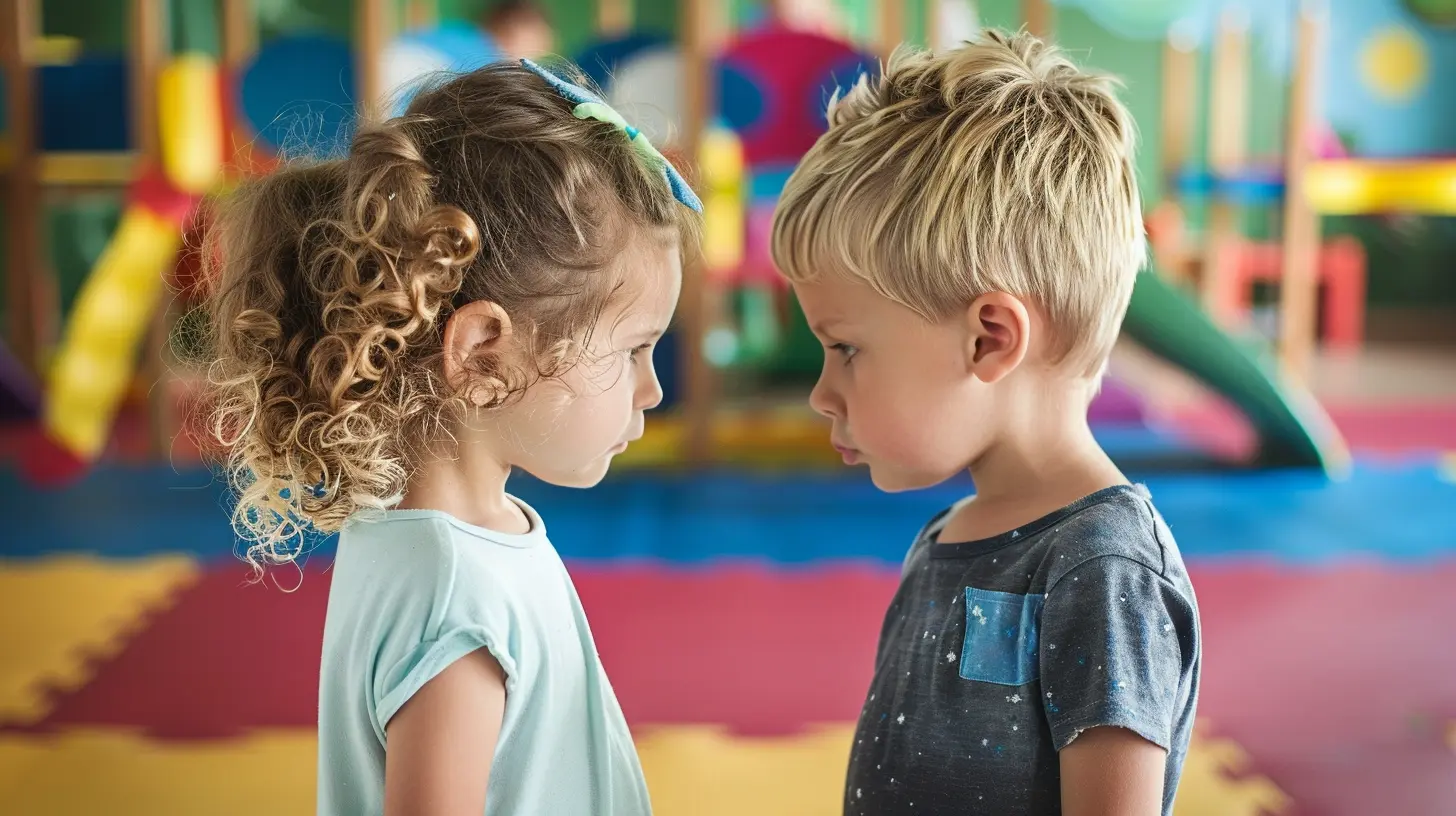
What Is Sibling Rivalry, Anyway?
Sibling rivalry is basically the constant tug-of-war between brothers and sisters. It could show up as teasing, tattling, competitiveness, or full-on shouting matches over trivial things like who gets to push the button at the crosswalk.In the preschool years, this rivalry often stems from a mix of emotions: jealousy, competition, misunderstanding, and the need for attention. Kids this age are still developing emotionally and socially, so it’s only natural for conflict to pop up when they’re trying to figure out their place in the world—and in the family.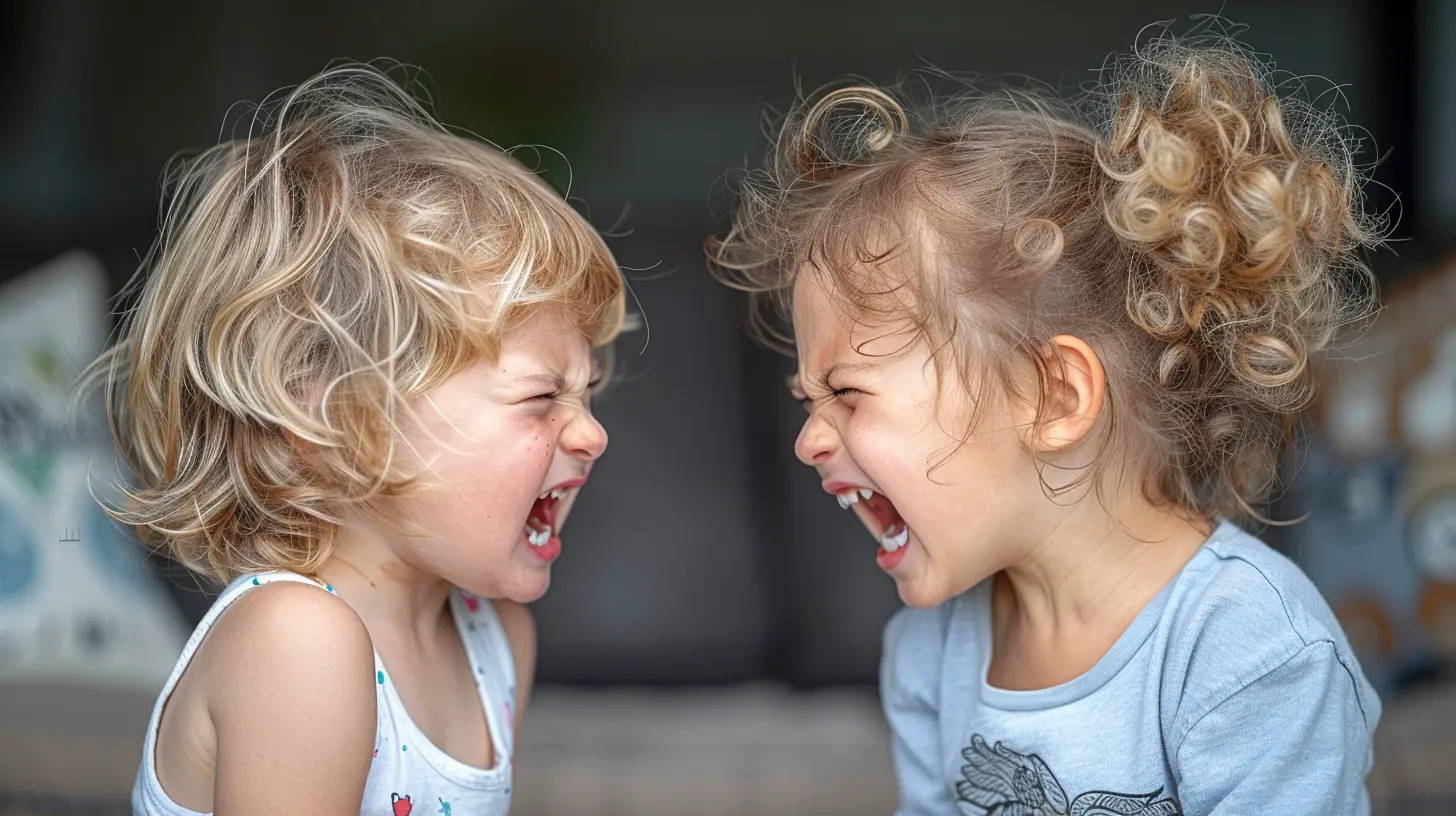
Why Preschoolers Are Especially Prone to It
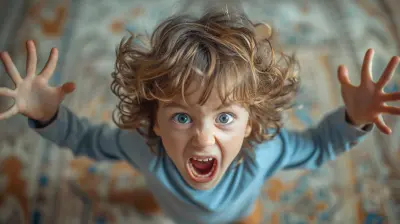
Let’s break it down. Preschoolers—those adorable little humans aged 3 to 5—are like emotional volcanoes. They feel things deeply, they don’t yet have the vocabulary or coping skills to express those emotions properly, and they crave validation—especially from parents and caregivers.Throw in a sibling who’s also competing for your attention, and you’ve got a recipe for mini meltdowns.
Common Reasons for Rivalry at This Age
- Attention-seeking: “Why does she always get to sit on Mommy’s lap?”- Sense of fairness: “That’s not fair! He got two cookies, I only got one!”
- Developmental differences: An older sibling may feel frustrated if the younger one can’t keep up. Younger ones may act out to get noticed.
- Personality clashes: Some kids are naturally more outspoken or more sensitive than others. Those traits can clash in a confined setting like home or preschool.
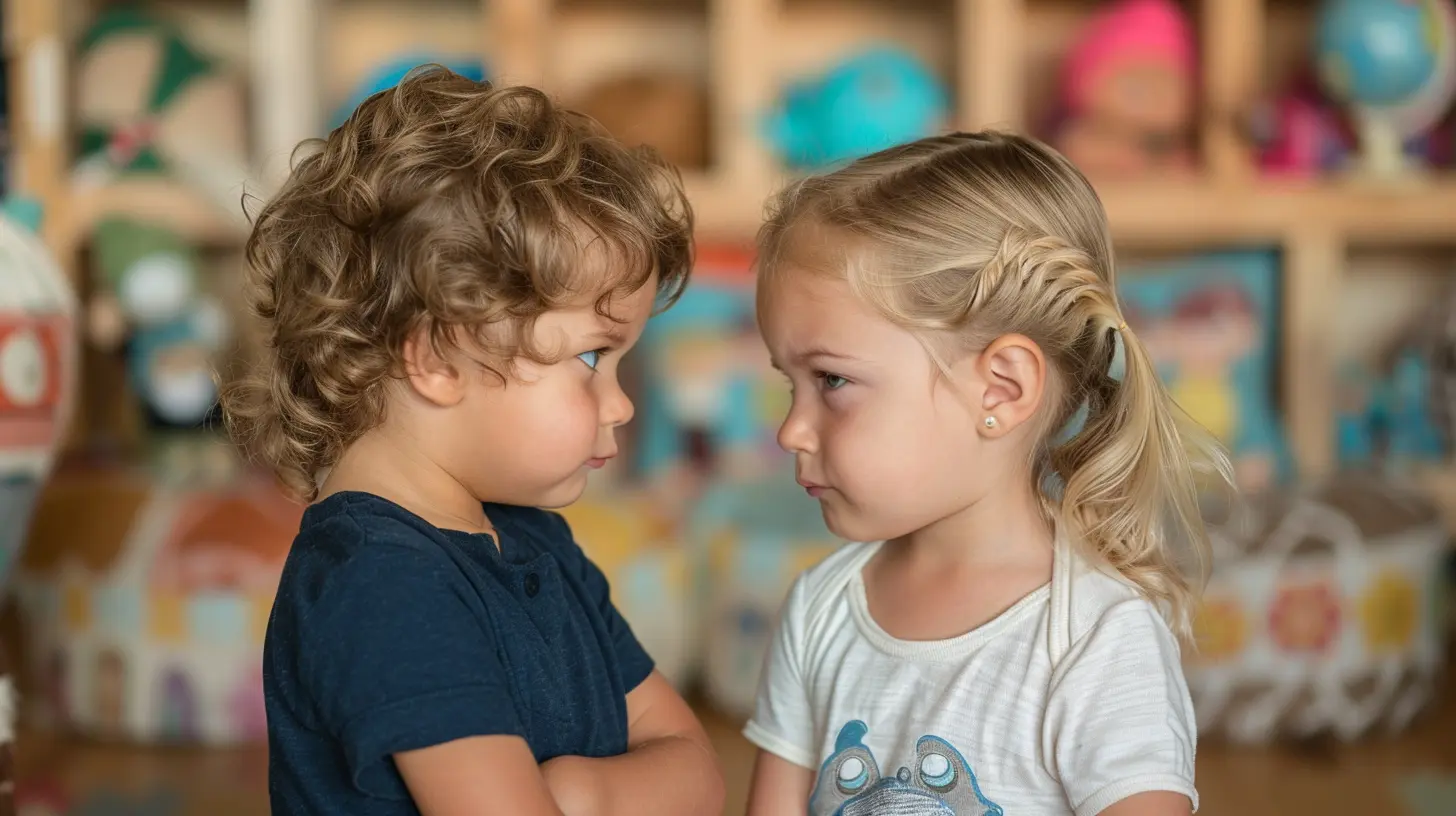
The Impact of Rivalry on Their Social Development
Believe it or not, a bit of sibling rivalry can actually be a good thing. Shocking, right?It can teach kids:
- How to negotiate
- How to handle conflict
- How to empathize with others
BUT—and it’s a big “but”—only if it’s managed well. Left unchecked, rivalry can lead to long-term resentment and trouble forming healthy relationships later in life.
That’s why tackling it early (hello, preschool years!) is key.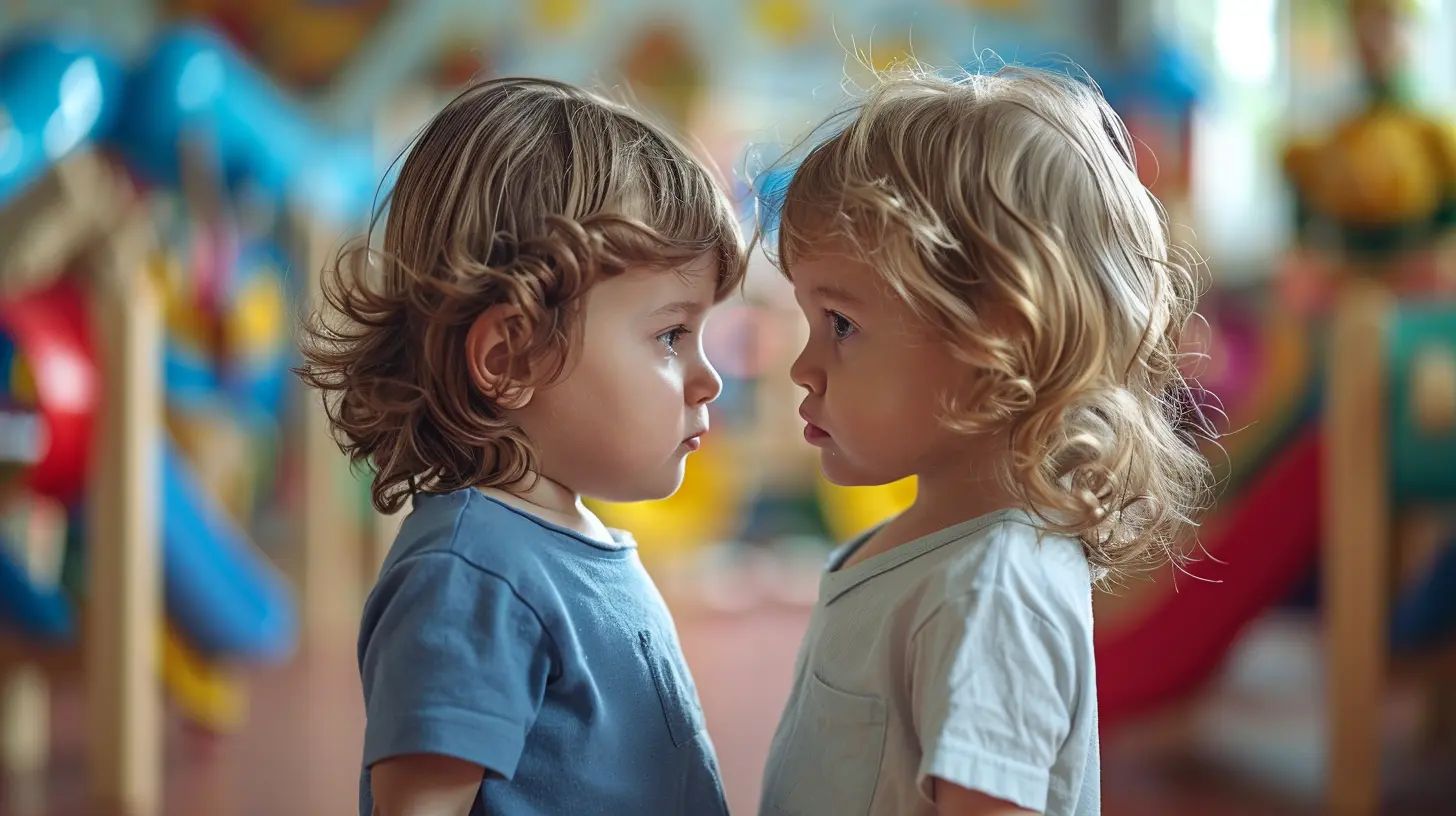
Signs That Rivalry Is Getting Out of Hand
You’ll know the normal bickering has crossed a line when:- The fighting becomes physically aggressive
- One child is always the “victim”
- They constantly try to outdo each other
- They can’t enjoy time together without arguing
- One sibling shows signs of anxiety or withdrawing
So, how do you put a cap on all that drama?
Practical Tips for Managing Sibling Rivalry in a Preschool Setting
1. Don’t Compare. Ever.
This one’s huge. Saying things like “Why can’t you be more like your sister?” may seem harmless, but it plants a seed of resentment. Instead, focus on each child’s strengths and differences.✨ Instead of: “Your brother is so good at drawing, why can’t you draw like him?”
✅ Try: “I love how carefully you color within the lines. That’s unique to you!”
2. Give One-on-One Time
Preschoolers are like little sponges. They soak up your attention, and when they don’t get enough, they’ll fight their sibling just to get noticed.Set aside short, quality bursts of one-on-one time with each child. Even 10–15 minutes of undivided attention each day can make a world of difference.
3. Teach Conflict Resolution Skills
We’re not born knowing how to problem-solve. Teach your little ones how to:- Use “I” statements (e.g., “I feel sad when you take my toy”)
- Listen to each other
- Take turns talking
- Compromise
Role-playing can be a fun and effective way to practice this.
4. Set Clear Boundaries and House Rules
Kids feel more secure when they know what’s expected. Set simple, consistent rules that apply to everyone.For example:
- “Hands are for helping, not hurting.”
- “Take turns with toys.”
Be consistent in enforcing these rules, and make sure all adults on board (teachers, babysitters, grandparents) are on the same page.
5. Praise Cooperation, Not Just Individual Achievements
Instead of only praising when one child does something great on their own, highlight moments when they’re working together or being kind to each other.👀 Watch for:
- Sharing a snack
- Helping a sibling clean up
- Saying something nice
- Including each other in play
Then reinforce it:
“Wow, I saw how you helped your brother build that tower. Great teamwork!”
6. Avoid Taking Sides (Even When You’re Tempted)
It’s natural to want to comfort the child who’s crying or punish the one who seems like the “aggressor.” But jumping in to assign blame can backfire.Instead, try to become the coach—not the referee.
Help them talk through what happened:
- “Can you tell me what made you upset?”
- “What could you do differently next time?”
This encourages problem-solving instead of finger-pointing.
7. Create Joint Activities
Find things they can enjoy together. Puzzles, building blocks, cooking simple recipes (hello, cookie dough therapy!), or cooperative games all help foster bonding.Avoid overly competitive games—these can fuel rivalry instead of reducing it.
8. Model the Behavior You Want to See
Kids mimic adults more than we realize. Show them how to handle conflict calmly, respect others’ perspectives, and share responsibilities at home.If you lose your cool (hey, we’ve all been there), use it as a teachable moment:
“I was really frustrated earlier, and I didn’t express my feelings the right way. Next time, I’ll take a deep breath first.”
When to Seek Outside Help
Sometimes, despite all your efforts, the rivalry feels like it’s taking over your home. If the fighting is intense, non-stop, or seems to be affecting your kids’ emotional well-being, it may be time to talk to a child psychologist or counselor.There’s no shame in getting support. In fact, it could be the reset button your family needs.
A Quick Word to Parents and Caregivers: Give Yourself Grace
Let’s face it: parenting is messy. And when you throw in the swirling emotions of preschoolers and multiple personalities under one roof, things can get chaotic—fast.Managing sibling rivalry isn’t about creating a perfect home where everyone gets along 24/7. That’s just not realistic.
It’s about progress, not perfection.
It’s about helping your kids learn how to navigate their feelings, express themselves, and develop empathy—all of which are life skills that’ll carry them well into adulthood.
You’re not just breaking up fights—you’re shaping future peacemakers. And honestly? That’s pretty amazing.
Conclusion: Turning Rivalry Into Relationship
Sibling rivalry is part of family life, especially when preschoolers are involved. But with a little patience, empathy, and a solid strategy, you can guide your kids from squabbling to bonding.Remember, these early years are golden for laying down the foundation of their relationship. With your support, even the fiercest toddler rivals can grow into lifelong friends—with some epic stories to tell about who got to sit by mom during storytime.
So take a breath, keep your sense of humor, and know that every moment of guidance you offer today is helping to build a better sibling connection tomorrow.
all images in this post were generated using AI tools
Category:
Parenting PreschoolAuthor:

Maya Underwood
Discussion
rate this article
2 comments
Marie Harmon
I love this article! It’s so important to acknowledge the feelings of both siblings during conflicts. Gentle guidance and understanding can truly help foster a supportive environment for healthy relationships. Thank you for sharing!
December 28, 2025 at 5:15 AM
Maya Underwood
Thank you for your kind words! I'm glad you found the article helpful. Acknowledging feelings is indeed key to fostering healthy sibling relationships.
Carla Matthews
Sibling rivalry is natural, especially in preschoolers. Encouraging cooperation through shared tasks and celebrating individual strengths can transform competition into collaboration. Remember, fostering emotional intelligence and open communication equips children to navigate conflicts and build lasting bonds.
December 14, 2025 at 5:36 AM
Maya Underwood
Thank you for your insights! Emphasizing cooperation and emotional intelligence is key to turning rivalry into collaboration among preschoolers.