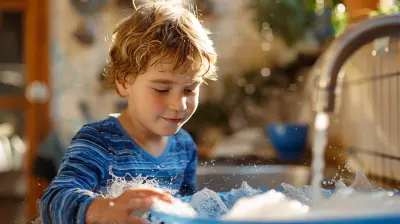
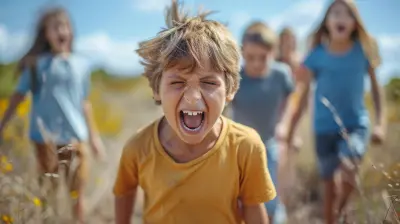
The Role of Play in Emotional Development for Young Children
21 January 2026
Let’s take a moment and think back to your own childhood. Do you remember playing pretend with your friends, building pillow forts, or spending hours with your favorite toys? Back then, it probably didn’t feel like you were learning anything important. But here’s the incredible truth—those playful moments weren’t just fun. They were shaping who you were emotionally.
As parents, we often hear about academic milestones, early literacy, and hitting developmental targets. But there’s something just as crucial that doesn’t get shouted from the rooftops enough: play—that magical, messy, giggle-filled, joyful part of childhood—is a powerful tool for emotional development.
In this article, we’re diving deep into the role of play in emotional development for young children, why it matters more than ever, and how we can nurture it every single day.
What Is Emotional Development, Anyway?
Before we jump into play, let’s take a quick pitstop to understand emotional development. In the simplest terms, emotional development is how kids learn to:- Understand their own feelings
- Express those feelings appropriately
- Build empathy for others
- Manage stress and frustration
- Form secure relationships
Sounds like a tall order, right? But here’s the kicker—kids don’t learn these things from lectures or flashcards. They learn them through experience. And one of the richest, most natural experiences available to them is play.
Why Play Is More Powerful Than You Think
Imagine a child pretending that their teddy bear is sick and needs a doctor. They're role-playing emotions—concern, caretaking, problem-solving. Or maybe two toddlers are building with blocks together, learning how to take turns and manage frustration when their tower topples.These aren’t just cute moments. These are emotional exercises in disguise.
When children play, especially freely and creatively, they are:
- Working through big feelings
- Practicing social interactions
- Testing boundaries in a safe way
- Building confidence and self-awareness
Play is like an emotional gym for kids. It’s where they stretch, strengthen, and balance their emotional muscles.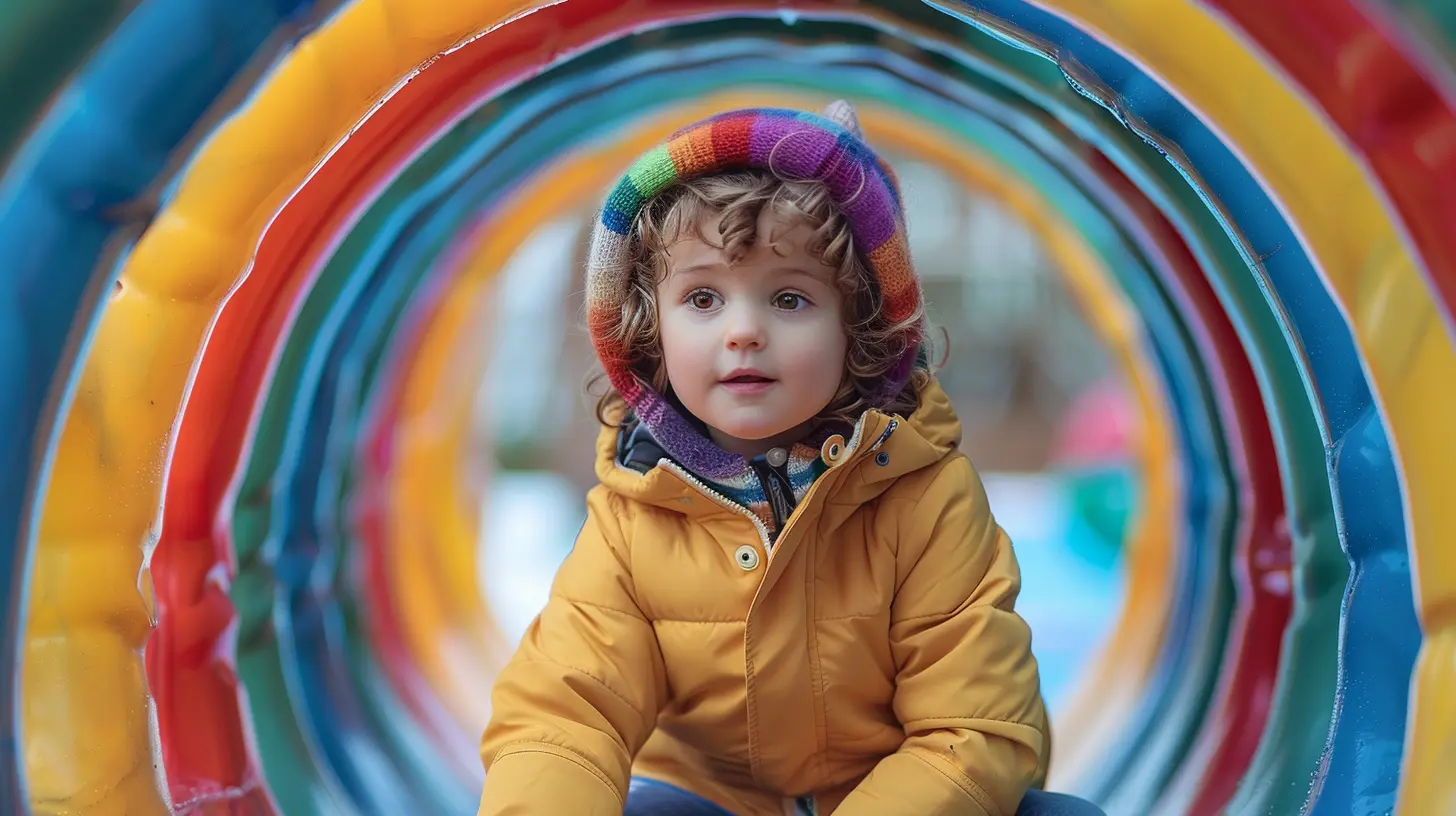
Types of Play That Support Emotional Growth
Not all play is created equal, but most forms have something valuable to offer. Let’s break it down.1. Pretend Play (a.k.a. Imaginative Play)
This is the kind of play where your child becomes a superhero, a parent, a dragon, or even a slice of pizza. It’s silly. It’s wild. And it’s vitally important.Pretend play allows kids to step into someone else’s shoes (literally and figuratively), which fosters empathy. They also explore different emotions—fear, anger, joy—within a safe and controlled environment.
Ever seen your child act out a scene where their doll gets in trouble and then gets comforted? That's emotional rehearsal in action.
2. Social Play (Playing with Others)
Whether it’s a game of tag, building a Lego city with a sibling, or playing tea party with friends, social play is where children navigate the tricky world of human connection.In these moments, kids learn:
- How to share
- How to compromise
- How to communicate feelings
- How to handle disagreements
Social play is essentially a crash course in emotional intelligence.
3. Physical Play
Running, jumping, climbing, dancing—physical play releases pent-up emotions and lowers stress. Ever noticed how a tantrum is less likely after a solid hour at the playground? That's no coincidence.Movement helps regulate emotions and gives kids space to reset mentally and emotionally.
4. Constructive Play
Think puzzles, blocks, drawing, and crafts. It's quieter, often independent, but equally beneficial. Kids build not just towers or drawings—but patience, concentration, and resilience.When they fail and try again, they learn persistence. When they complete something, they feel proud. These are mini emotional victories that really add up.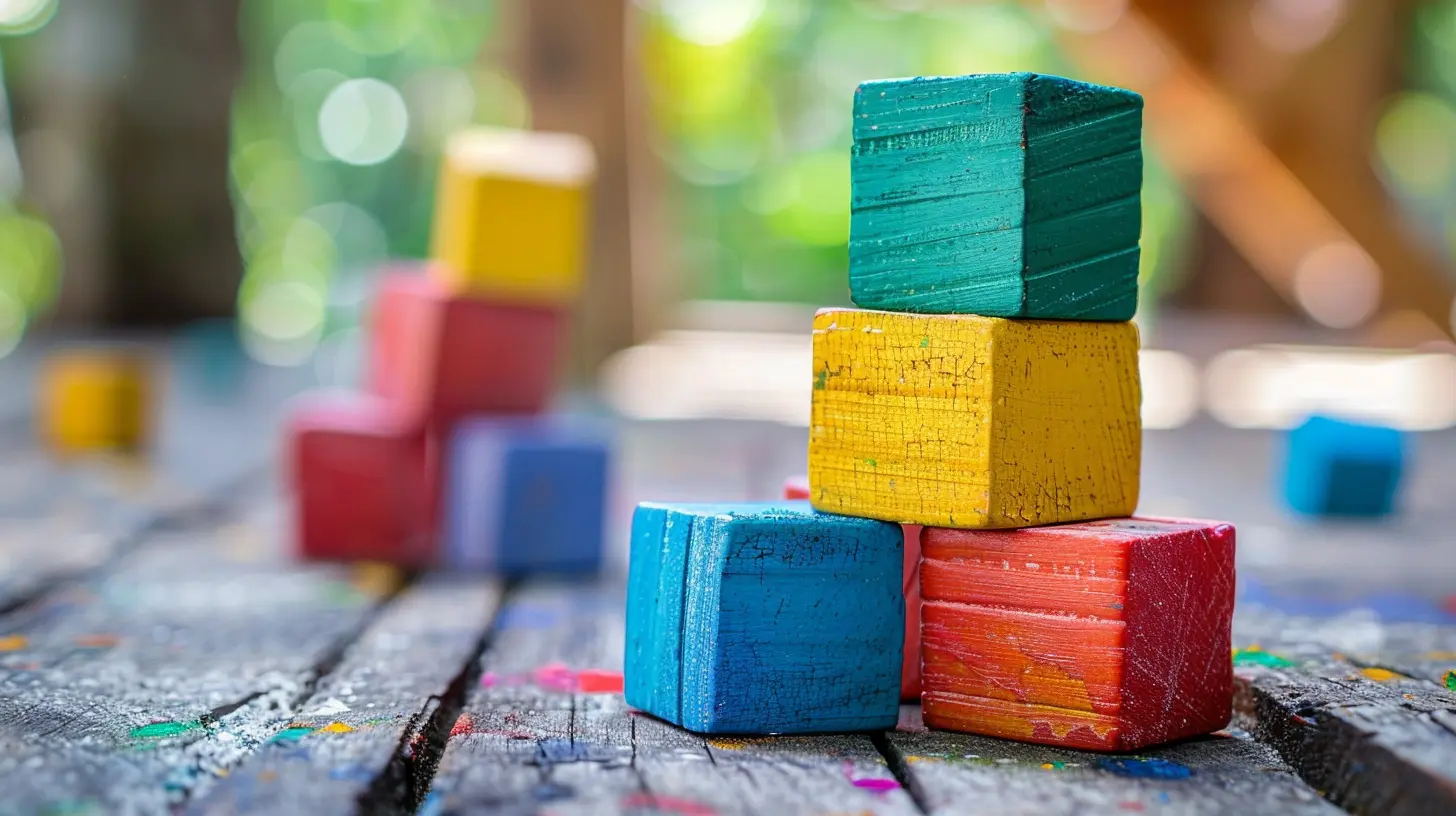
Emotional Milestones and How Play Supports Them
Let’s walk through a few major emotional milestones in early childhood and see how play plays a part.Age 1–2: Identifying and Expressing Emotions
At this stage, kids are just starting to realize they’re separate from others and have their own feelings. They might not be able to say "I'm sad," but they sure can show it.How play helps: Peek-a-boo, simple cause-and-effect toys, gentle roughhousing, and cuddly play all help toddlers begin identifying emotions and learning safe ways to express them.
Age 3–4: Developing Empathy and Social Awareness
Preschoolers start understanding that other people have thoughts and feelings too. But they still need a lot of help figuring out social dynamics.How play helps: Pretend play thrives during these years. Role-playing kindness, taking turns, and using words to resolve conflicts teaches social smarts that can’t be taught any other way.
Age 5–6: Managing Emotions and Building Friendships
By now, kids have a basic emotional vocabulary. They’re trying to control impulses (though not always successfully) and form lasting friendships.How play helps: Games with rules and collaborative play, like building projects or team play, give kids a chance to practice emotional regulation and cooperation.
Real Talk: The Emotional Benefits of Play
So, what direct emotional benefits does play offer? Let’s break it down and keep it real.1. Boosts Self-Esteem
When kids create something, win a game, or solve a problem during play, they feel capable. That builds confidence. That feeling of “I did it!”? That’s gold.2. Encourages Emotional Expression
Some kids just aren’t talkers. They won’t sit down and tell you they’re sad, but they might show it in how they play—maybe their puppet has a bellyache, or their block tower keeps “falling down.” These are emotional breadcrumbs. Follow them.3. Promotes Empathy
By pretending to be someone (or something) else, kids start seeing the world from different perspectives. That's the seed of empathy, and play is the soil.4. Teaches Emotional Regulation
A child who loses in a game and keeps it together? That’s emotional literacy in motion. Through playful trial and error, kids begin to understand what frustration, disappointment, joy, and excitement feel like—and how to handle them.How to Encourage Emotionally-Rich Play at Home
You don’t need fancy toys or Pinterest-worthy playrooms. Trust me on this. Emotional development doesn’t care how expensive the play setup is—it cares that the play is authentic and engaging.Here are a few simple strategies:
- ✅ Let them lead: Give your child enough space to choose what and how they want to play. Child-led play is where the real emotional magic happens.- ✅ Play with them (sometimes): You don’t need to helicopter their play, but jumping in occasionally shows them that their world matters.
- ✅ Tolerate the mess: Mess is where creativity and emotional processing often live. That pile of costumes or blocks scattered across the room? That’s growth in action.
- ✅ Use emotion words: When you see your child feeling something during play, name it. “You look frustrated that the blocks won’t stack.” This helps them build emotional language.
- ✅ Don’t overschedule: Boredom often leads to the best types of play. Leave space in the day for unstructured, freestyle fun.
Screen Time vs. Play Time: What’s the Balance?
Okay, let’s address the digital elephant in the room. Screens aren’t the enemy—they can even have educational value. But they can’t replace the emotional richness of real play.When children swipe on an app, they’re not learning to read faces, manage emotions, or navigate social give-and-take. So, set limits when you can and create tech-free zones where play takes center stage.
What If My Child Doesn’t Like to Play?
Some kids prefer solo activities. Some are more serious. That's okay! But try offering different types of play—crafts, music, physical activities, role play. You might just unlock something magical.Also, consider joining in. Sometimes kids who don’t initiate play feel unsure about how to start. With a bit of encouragement, you'll be surprised how quickly they warm up.
Final Thoughts: Play Is Not a Luxury, It’s a Necessity
Let’s flip the narrative. Play isn’t a break from learning. It is learning.It’s emotional growth. It’s the foundation for resilience, empathy, self-control, and joy. The more we protect and prioritize play—especially in the early years—the more emotionally stable and compassionate our children become.
So next time you see your child deep in their imaginary world or giggling over a silly game, take a moment. That’s not just play. That’s emotional brilliance in motion.
And as parents, caregivers, and humans who deeply love these little people, isn’t that exactly what we want?
all images in this post were generated using AI tools
Category:
Emotional DevelopmentAuthor:

Maya Underwood
Discussion
rate this article
2 comments
Sandra Wilcox
Play is essential for emotional development in young children; it fosters creativity, resilience, and strong social skills that last a lifetime.
February 12, 2026 at 5:08 AM
Maya Underwood
Thank you for your insightful comment! I completely agree—play is indeed crucial for cultivating essential emotional and social skills in children, laying the foundation for their future development.
Talis Collins
Play fosters essential emotional growth!
January 22, 2026 at 4:06 AM
Maya Underwood
Absolutely! Play is crucial for young children's emotional development, helping them learn empathy, self-regulation, and social skills.