Inside the Importance of Passing Down Family Rituals
25 March 2026
You know those little traditions we keep doing year after year — like baking grandma’s famous pumpkin pie every Thanksgiving or taking that annual road trip to the lake every summer? At a glance, they might seem like small, fun things. But truth be told, these family rituals hold incredible power. They’re like invisible threads, weaving generations together, creating a sense of belonging, and anchoring us in an ever-changing world.
In today’s fast-paced, screen-obsessed society, holding on to these rituals can feel like trying to catch fireflies — magical but fleeting. Yet, it’s precisely why they're more important than ever. Let’s walk through why passing down family rituals matters so much, not just for nostalgia, but for nurturing stronger, happier, and more connected families.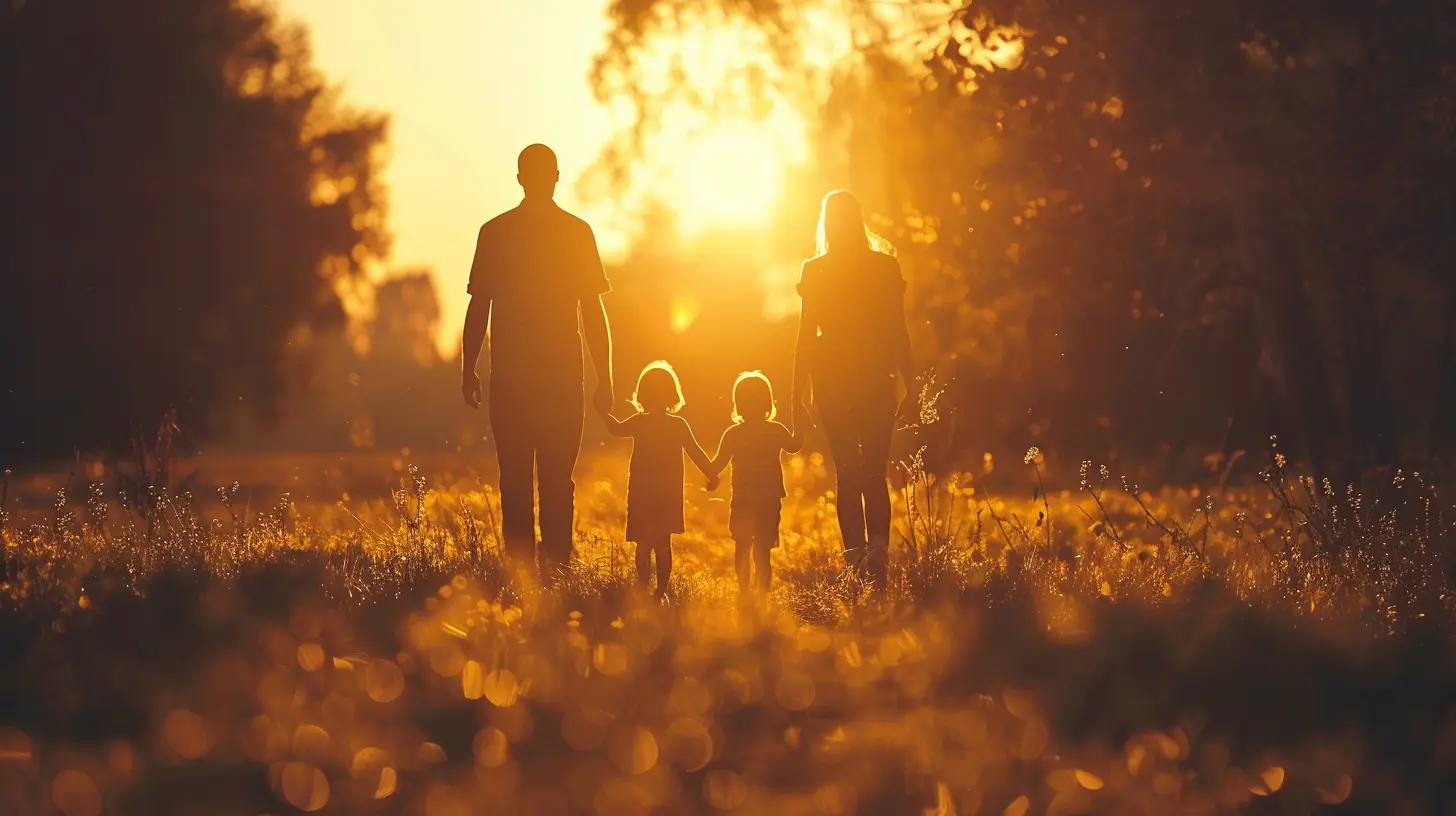
What Are Family Rituals, Really?
Before we dive deeper, let's get on the same page.Family rituals are those repeated activities or traditions that carry meaning beyond the act itself. They’re not just routines like brushing your teeth or doing homework. We’re talking about Sunday pancake breakfasts, bedtime stories, Friday pizza and movie nights, lighting candles on birthdays — even quirky ones, like naming your Christmas tree each year.
These rituals can be spiritual, cultural, seasonal, or entirely made up. The key is that they’re consistent, meaningful, and shared. Over time, they create memories and a sense of identity.
Why Do Family Rituals Matter?
1. They Create a Sense of Belonging
Family rituals tell your children, “This is who we are.” They provide a sense of belonging — like being part of an inside joke only your family gets. That feeling is priceless, especially in a world where kids are constantly trying to find where they fit in.When a child grows up with recurring traditions, they start to understand, “This is my tribe.” And that emotional security? It sets the foundation for mental well-being.
2. They Strengthen Family Bonds
Spending time together doing something you all love — even if it’s just a Tuesday taco night — naturally strengthens your connection. It’s in these moments that conversations happen, laughter is shared, and memories are made.These traditions aren’t just passing time. They’re building emotional bridges between family members. They’re reminders that, no matter what’s going on in the world, your family has its own rhythm, its own heart.
3. They Pass on Values and Culture
Think about the stories your grandparents told, the prayers before meals, the native songs sung during holidays. Those aren’t just cute customs. They’re lifelines to your cultural heritage and family values.Rituals are how we explain, model, and pass down moral lessons — without a lecture. They give kids a hands-on way to understand gratitude, patience, generosity, and resilience. Plus, cultural rituals introduce them to their roots, fostering pride and identity.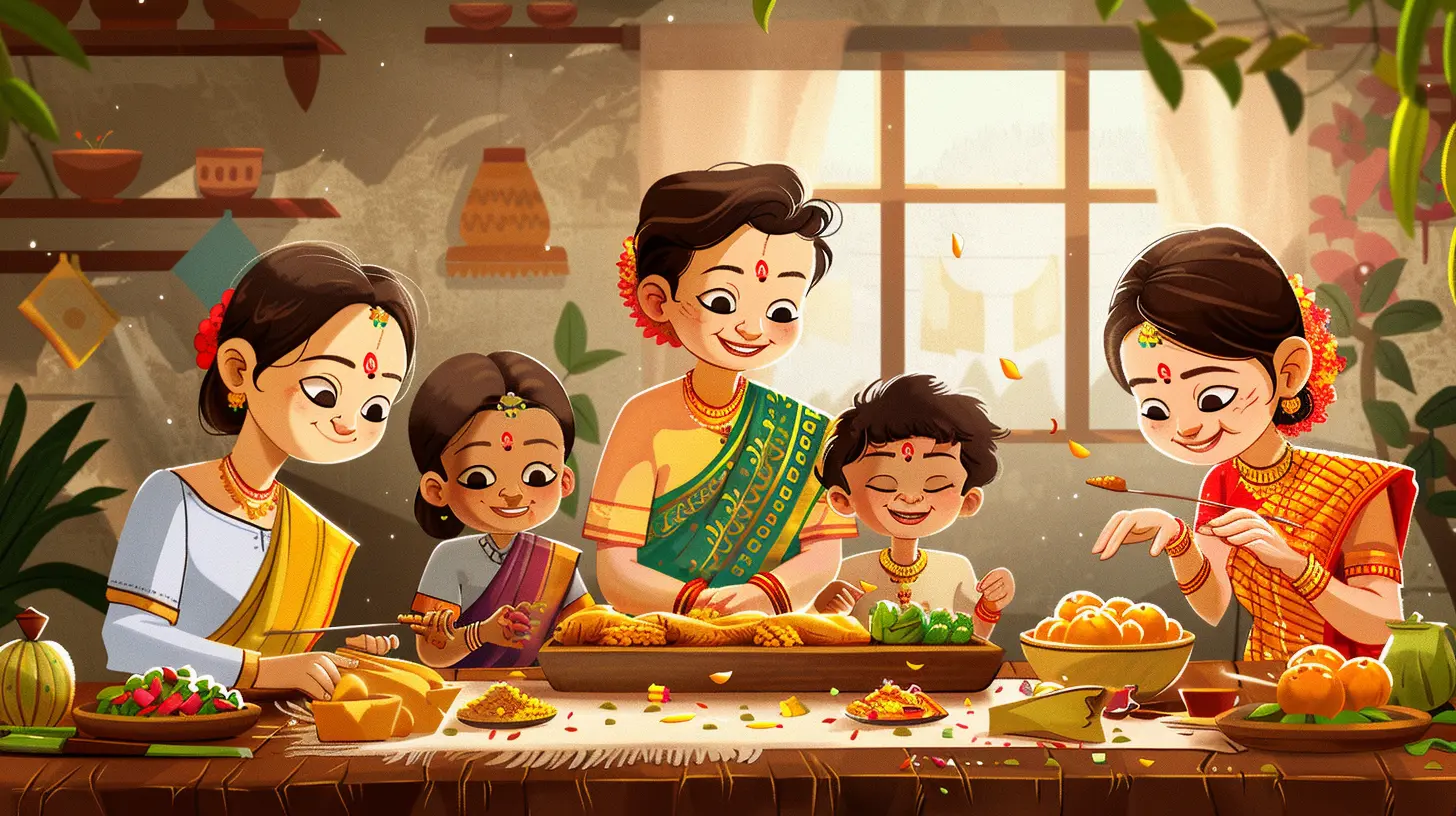
The Psychology Behind Family Rituals
Research actually backs all of this up — and we’re not just saying that to sound fancy.Dr. Barbara Fiese, a psychologist who has studied family rituals for decades, found that families who engage in regular rituals report higher levels of emotional well-being, better communication, and stronger connections. Rituals also serve as a buffer during times of stress or change (like a move, divorce, or illness).
When things around us feel uncertain, rituals give us something to hold onto. They’re like a lighthouse in a storm — a little beacon reminding us where home is.
How Technology Is Changing Our Traditions
Now, let’s be real. It’s not 1985 anymore. Families are more diverse, more scattered, and more plugged into devices than ever before. It’s easy for rituals to slip through the cracks when everyone's glued to a screen.But here’s the thing — traditions don’t have to be grand or even old-school to be meaningful.
Maybe Sunday dinner now looks like ordering sushi and watching a Netflix show as a family. Maybe bedtime stories have gone digital with e-books. The heart of the ritual — that connection and intention — can still shine through. It’s not about resisting change, but about embracing it while holding onto what matters.
You’ve just got to be a little intentional with it.
How to Create or Reinvent Family Rituals
So what if your family doesn’t have long-standing traditions passed down through the generations? Or maybe you do, but they don’t quite fit your current lifestyle. That’s okay — you can always start your own. Yep, you can be the ancestor your great-grandkids talk about one day.Here’s how to do it:
1. Start Small and Be Consistent
The magic isn’t in how elaborate the ritual is — it’s in the consistency.Pick something simple: “Every Friday we eat breakfast for dinner.” Or “Every Christmas Eve, we wear silly pajamas and watch Home Alone.” Even “We take a walk together every Sunday evening.”
Whatever it is, do it regularly enough that it starts to feel like your family’s thing.
2. Involve Everyone
Rituals shouldn’t feel like chores. Get everyone involved. Let your kids pitch ideas. Let them take ownership of parts of the tradition — setting the table, choosing the movie, decorating the cookies.When everyone has a role, the ritual becomes meaningful to each person.
3. Make Space for Storytelling
Traditions come alive through stories.Share the why behind the ritual. “We do this because my grandfather used to do it when he was little. He said it reminded him of simpler times.” Or “This song is from your great-grandma’s hometown — she’d sing it every holiday.”
Stories give traditions depth. They’re the heartbeat behind the action.
4. Keep It Flexible
Life gets busy. Things change. That’s okay.Don’t stress about perfection. If you skip a week or tweak a tradition to fit your new schedule, it doesn’t mean it’s ruined. Flexibility keeps traditions sustainable.
Examples of Meaningful Family Rituals
Need a spark of inspiration? Here are a few timeless (and modernized) rituals people are loving:Daily Rituals
- Gratitude sharing before bedtime- Family dinner with no phones allowed
- A “song of the day” dance party
Weekly Rituals
- Sunday brunches- Friday family movie nights
- Saturday morning pancake cook-offs
Seasonal or Annual Traditions
- Back-to-school photoshoots- Decorating a holiday tree together
- Camping trip every summer
- New Year's goal jar: everyone writes a goal and reads last year's progress
Cultural or Spiritual Rituals
- Celebrating heritage-based holidays- Cooking and sharing traditional family recipes
- Language nights: learning a few new words from your family's native tongue
Rituals in Blended or Non-Traditional Families
Let’s not ignore the elephant in the room — not every family looks like a 1950s sitcom. Families today are blended, multi-cultural, divorced, long-distance, single-parented, and everything in between.And guess what? That doesn’t make rituals less important. It makes them even more vital.
Creating new rituals in a blended family can be a powerful way to build unity. From crafting new holiday routines to celebrating "Bonus Parent’s Day," rituals help everyone feel seen, included, and valued.
How Rituals Shape Future Generations
Here’s the kicker — the rituals you carry out today? They may become the building blocks of your children’s entire sense of security and identity.Think about when they’re grown up, maybe with kids of their own. They’ll likely carry pieces of your traditions with them — just like you may still crave your mom’s holiday cookies or remember the bedtime stories your dad made up.
Passing these things on is like planting seeds. They grow into forests of memories. And those forests become the shelter your children return to when life gets tough.
Final Thoughts: The Magic in the Mundane
Family rituals aren’t about being fancy or traditional — they’re about being intentional.They're about saying, "Even in the chaos of everyday life, this moment is just for us." They're grounding, healing, and filled with love. And the best part? You already have everything you need to start (or restart) them: time, heart, and the people you love.
So go ahead. Bake that pie. Light that candle. Tell that same silly story again.
Because these little moments? They're the ones your family will remember forever.
all images in this post were generated using AI tools
Category:
Family TraditionsAuthor:

Maya Underwood
Discussion
rate this article
2 comments
Carly McCool
What a beautiful reminder of the power of family rituals! They create lasting bonds and cherished memories for generations. Let's embrace and pass down these traditions, nurturing our family's legacy with love and connection.
April 7, 2026 at 4:11 AM
Maya Underwood
Thank you for your thoughtful comment! I completely agree—family rituals truly enrich our connections and create lasting memories that we can cherish and pass on.
Elowen McLain
Embracing family rituals strengthens bonds and creates lasting memories. By passing them down, we nurture a sense of belonging and tradition in our children. Let’s celebrate these meaningful practices and cultivate a legacy of love and connection!
March 27, 2026 at 3:53 AM
Maya Underwood
Absolutely! Family rituals really do weave a tapestry of connection and love that lasts through generations. Let's keep these traditions alive.