Healthy Eating Habits Every Parent Should Teach by 2026
18 April 2026
Let’s be honest, parenting often feels like you’re a short-order cook, a negotiator, and a human garbage disposal all rolled into one. One minute you’re proudly serving a rainbow-colored plate, and the next, you’re diplomatically explaining why ketchup is not, in fact, a vegetable. Teaching kids about food can be a wild ride. But what if we looked ahead? By 2026, the world of food and nutrition will have evolved even more, and the habits we instill now are the bedrock of our kids' future relationship with food. This isn't about raising perfect eaters; it's about raising resilient, curious, and healthy humans. So, grab a cup of coffee (you’ve earned it), and let’s chat about the foundational, future-proof healthy eating habits every parent should aim to teach.
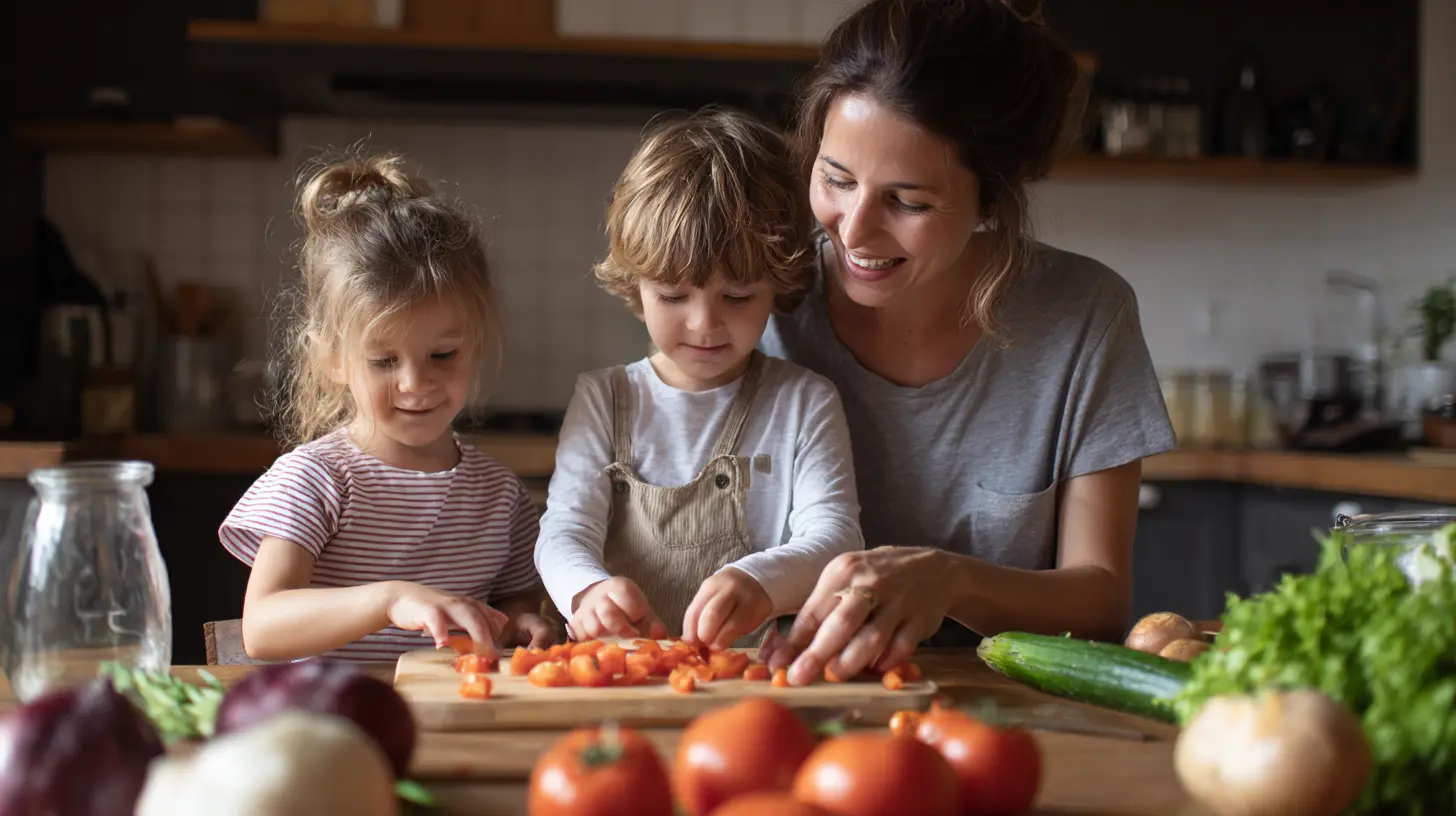
Beyond the Plate: It’s About Building a Food Relationship
Think of teaching eating habits like building a treehouse. You’re not just hammering boards together; you’re creating a secret fort, a place of adventure and security. The habits are the sturdy planks and reliable nails. But the relationship with food—that’s the magic inside: the laughter, the shared stories, the sense of accomplishment. Our goal by 2026 should be to construct that strong, positive space for our kids.The Joy of the "Why": From Rules to Understanding
Gone are the days of “eat your broccoli because I said so.” That’s like telling someone to invest in a company without ever showing them the stock report. The kids of 2026 are digital natives, born investigators. They want the why.* Fuel, Not Just Food: Explain food as fuel for their superpowers. “Those carrots have vitamin A, which is like night-vision goggles for your eyes!” or “This chicken will help rebuild your muscles after soccer practice, making you even stronger for next time.” You’re not just serving lunch; you’re providing mission-critical supplies.
* The Garden Connection: If possible, let them get their hands dirty. A small herb pot on the windowsill, a tomato plant on the balcony, or a visit to a pick-your-own farm. When they see where food comes from—that it grows in soil, not just appears in plastic—it creates a connection no textbook can match. They’re far more likely to eat a green bean they helped pluck from a vine.
The Non-Negotiable Habits for the Future Eater
These are the core “planks” for our treehouse. They’re simple in concept but profound in impact.1. The Habit of Curiosity, Not Fear
Our kids are entering a world of food trends, conflicting information, and “wellness” culture. Arm them with curiosity, not anxiety. Make trying new foods an adventure, not a punishment.* The "No Thank You Bite": This classic is gold. One polite bite. No gagging, no drama. It’s like scrolling through a movie trailer—you get a sense of the story without committing to the whole film. Sometimes the trailer is a bust. Sometimes it’s the next favorite blockbuster.
* Food is Not "Good" or "Bad": This is crucial. Labeling foods as “good” or “bad” or “junk” creates shame and secret cravings. Instead, use categories like "Everyday Foods" (fruits, veggies, whole grains, proteins—our steady, reliable friends) and "Sometimes Foods" (cake at a party, fries on a fun Friday). This removes moral judgment and teaches balance. A cupcake isn’t a sin; it’s a celebration food. You wouldn’t wear a ballgown to the playground, right? Different tools for different occasions.
2. The Habit of Listening to Their Body’s Signals
We’re born with perfect internal hunger and fullness meters. Then life—and well-meaning “clean your plate” rules—messes with the calibration. Let’s help them tune back in.* The Hunger Scale Chat: Talk about a hunger scale from 1 (starving, hangry monster) to 10 (so full you feel sick). Aim to start eating around a 3 or 4 and stop at a 7 or 8 (comfortably full). Ask them, “Where’s your tummy on the scale?” before and during meals. You’re teaching them to trust their most important nutritional guide: themselves.
* Permission to Leave Food: The “clean plate club” has officially closed its doors. Forcing kids to finish teaches them to ignore fullness. It’s like forcing them to keep running after they’ve won the race. It leads to burnout—or in this case, a negative relationship with eating. “It’s okay to be done when your body says it’s done” is a powerful mantra.
3. The Habit of Kitchen Literacy
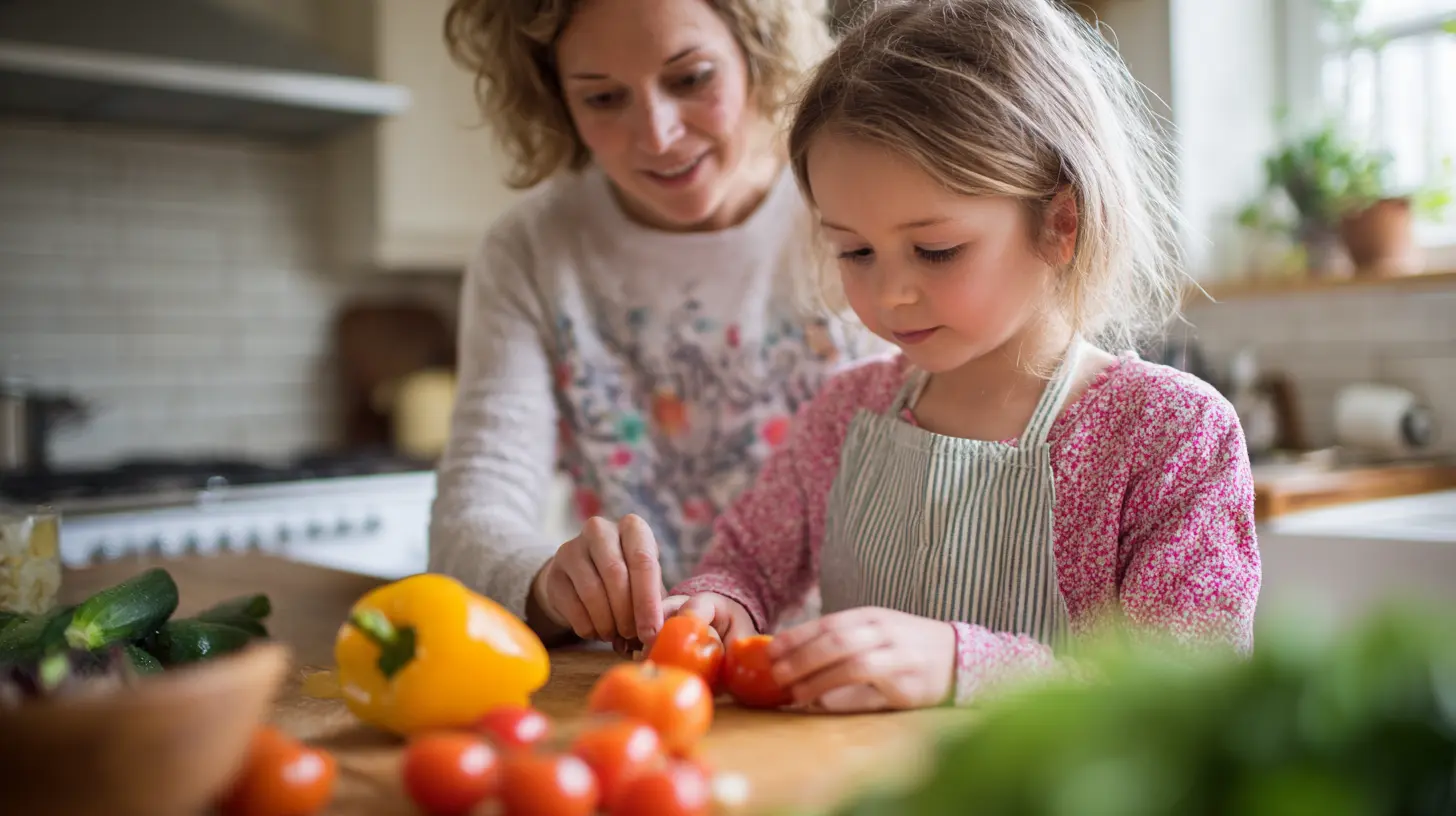
By 2026, knowing your way around a kitchen will be as fundamental as knowing your way around a keyboard. You don’t need to train a mini MasterChef, just a competent kitchen helper.* Age-Appropriate Tasks: A 3-year-old can wash veggies. A 6-year-old can tear lettuce, stir batter, and use a butter knife on soft foods. A 10-year-old can read a simple recipe, measure ingredients, and learn basic sautéing (with supervision!). The pride they feel eating “their” salad or “their” scrambled eggs is a game-changer.
* The Deconstruction Station: For picky phases, serve meals “deconstructed.” A taco bar with separate bowls of meat, cheese, lettuce, salsa, and shells. A pasta bar with different sauces and toppings. It gives them autonomy and reduces the overwhelm of a mixed-up plate. They’re the architects of their own meal.
Navigating the Digital Jungle: Tech & Food by 2026
Screens aren’t going away. So let’s use them wisely.Mindful Munching vs. Mindless Scrolling
The habit of eating in front of a TV or tablet disconnects us from our food. We eat more, enjoy it less, and miss our body’s “full” signals.Create Tech-Free Zones: The kitchen table is a sanctuary. Make meals (or even just one meal a day) a screen-free time for connection. Talk about their day, tell silly jokes, dream about future vacations. You’re teaching them that mealtime is about nourishment for the body and* the soul.
* Use Tech as a Tool: Watch cool videos about how honey is made or how different cultures eat breakfast. Use a fun app to track a “rainbow” of fruits and veggies they’ve tried. Tech becomes the ally, not the enemy at the table.
The Parent’s Secret Ingredient: Modeling
Here’s the open secret: our kids are watching us. Always. You are their most influential food model.* Eat Your Veggies (And Let Them See It): Show genuine enjoyment. “Mmm, I love how crunchy these peppers are!” or “This soup is so comforting on a cold day.”
* Talk Positively About Your Own Body: Avoid saying, “I’m being bad for eating this bread” or “I need to skip dessert to be good.” This language seeps into their psyche. Instead, model balance: “I had a big lunch, so I’ll have a lighter dinner,” or “This pie is delicious! A small slice is perfect.”
* Embrace the "Oops": Did you order pizza two nights in a week because life got crazy? Instead of guilt, model adaptability. “Wow, we’ve had a lot of fun pizza nights! Let’s make a big colorful salad together tomorrow to get lots of different veggies in.” No shame, just the next healthy choice.
The 2026 Finish Line: What Success Looks Like
Success by 2026 isn’t a child who only eats quinoa and kale. It’s a child who:* Sees a new food and thinks, “I wonder what that tastes like?” instead of “Ew, gross.”
* Can stop eating when they’re full, even if there’s still cake on the plate.
* Knows how to make a few simple, balanced meals for themselves.
* Understands that food is part of celebration, culture, and connection, not just biology.
* Has a peaceful, uncomplicated relationship with eating that will serve them for a lifetime.
Building this takes time, patience, and a whole lot of deep breaths. There will be days when the only vegetable consumed is a french fry. And that’s okay. You’re not planting a fragile seedling; you’re slowly, steadily growing a mighty oak. Every positive interaction, every curious question, every shared meal is a ring in that tree. Start today, stick with it, and by 2026, you’ll look back at the strong, healthy, and joyful eater you’ve helped grow—treehouse and all.
all images in this post were generated using AI tools
Category:
Nutrition For KidsAuthor:

Maya Underwood
Discussion
rate this article
2 comments
Brooks Dodson
Mindful eating shapes lifelong habits; model it daily!
April 19, 2026 at 3:38 PM
Maya Underwood
Absolutely! Daily habits make all the difference for kids. Thanks for the reminder!
Damon McCune
Who knew teaching healthy eating could be a wild adventure? With colorful plates and fun snacks, we can turn mealtime into a joyous journey! Let’s guide our little food explorers to a tasty and nutritious 2026!
April 18, 2026 at 4:45 AM
Maya Underwood
Absolutely! Making healthy eating fun is key. Let's inspire those young food explorers together!