How to Spot Signs of Depression in Children
12 December 2025
Let’s be real—parenting is tough. We’re juggling meals, playdates, school runs, screen time limits, and don’t even get me started on bedtime routines. But what happens when something feels off with your child? They're pulling away, not smiling like they used to, or just seem… different.
It's easy to chalk it up to a “bad day” or growing pains, but sometimes, those subtle shifts are whispering something deeper—something like depression. Yep, children can struggle with depression too. And no, it’s not just a “teen problem” or “adult stuff.” Kids, even as young as preschoolers, can experience depression in ways that are both heartbreaking and hard to detect.
So, how do you spot signs of depression in children? Let’s break it down in a way that makes sense without making your head spin. This guide is here to help you tune into the signals, trust your gut, and take action that could be life-changing.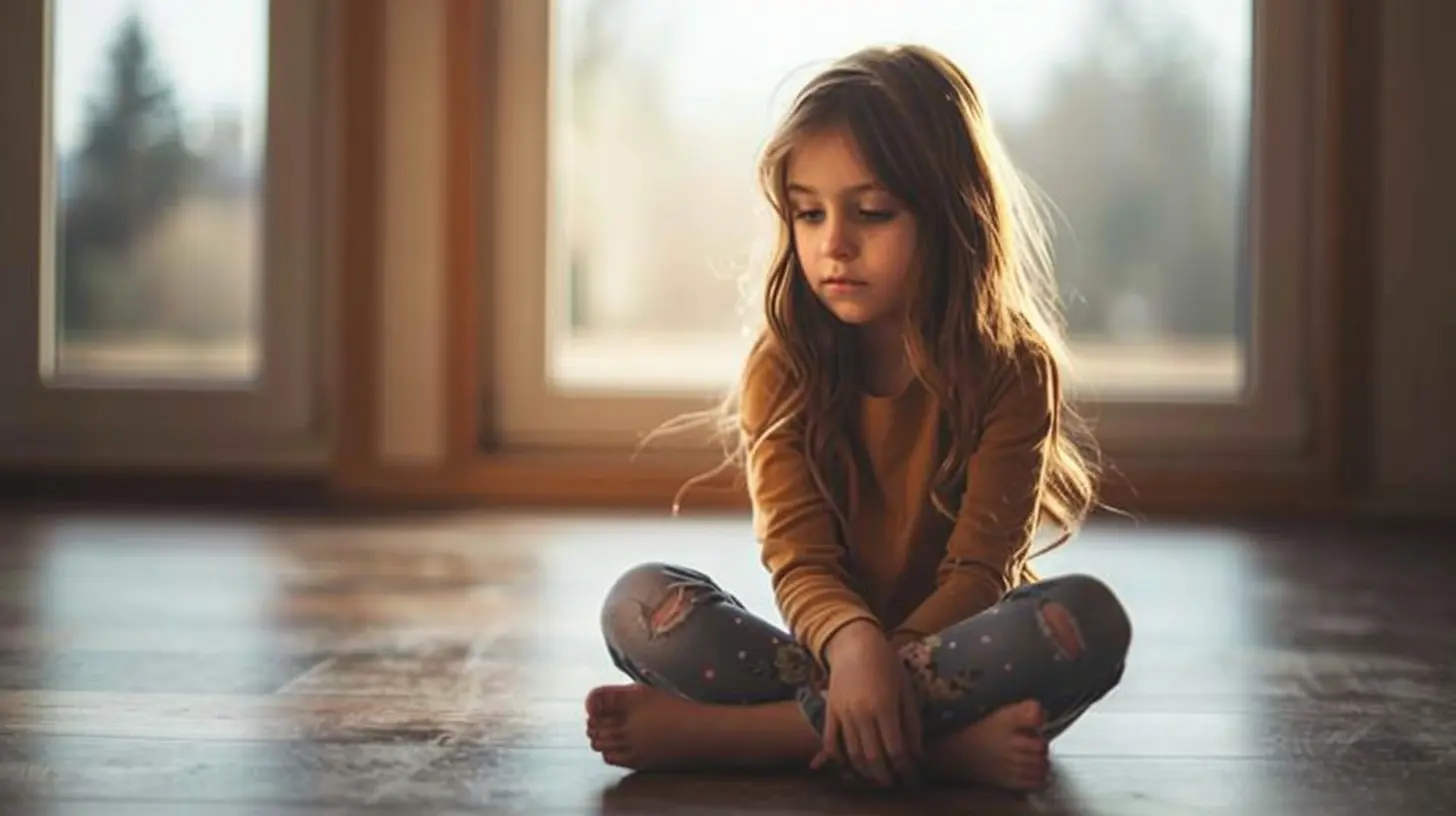
Understanding Childhood Depression: Yes, It’s Real
First, let’s squash a myth—kids don’t have to be dealing with trauma or tragedy to feel depressed. Depression isn’t just about crying or being sad all the time. It can be way sneakier than that and show up in behavior that you might not immediately connect to emotional struggles.Think of it like a fog that sneaks in on a sunny day. Everything looks fine at a glance, but the light isn’t quite right. It’s the same with kids. They might still play, go to school, and even laugh. But underneath, something feels off.
Just because they’re young doesn’t mean they don’t feel the weight of emotions deeply. Kids process the world differently, and their emotional vocabulary is still under construction. That means they might act out what they can’t say.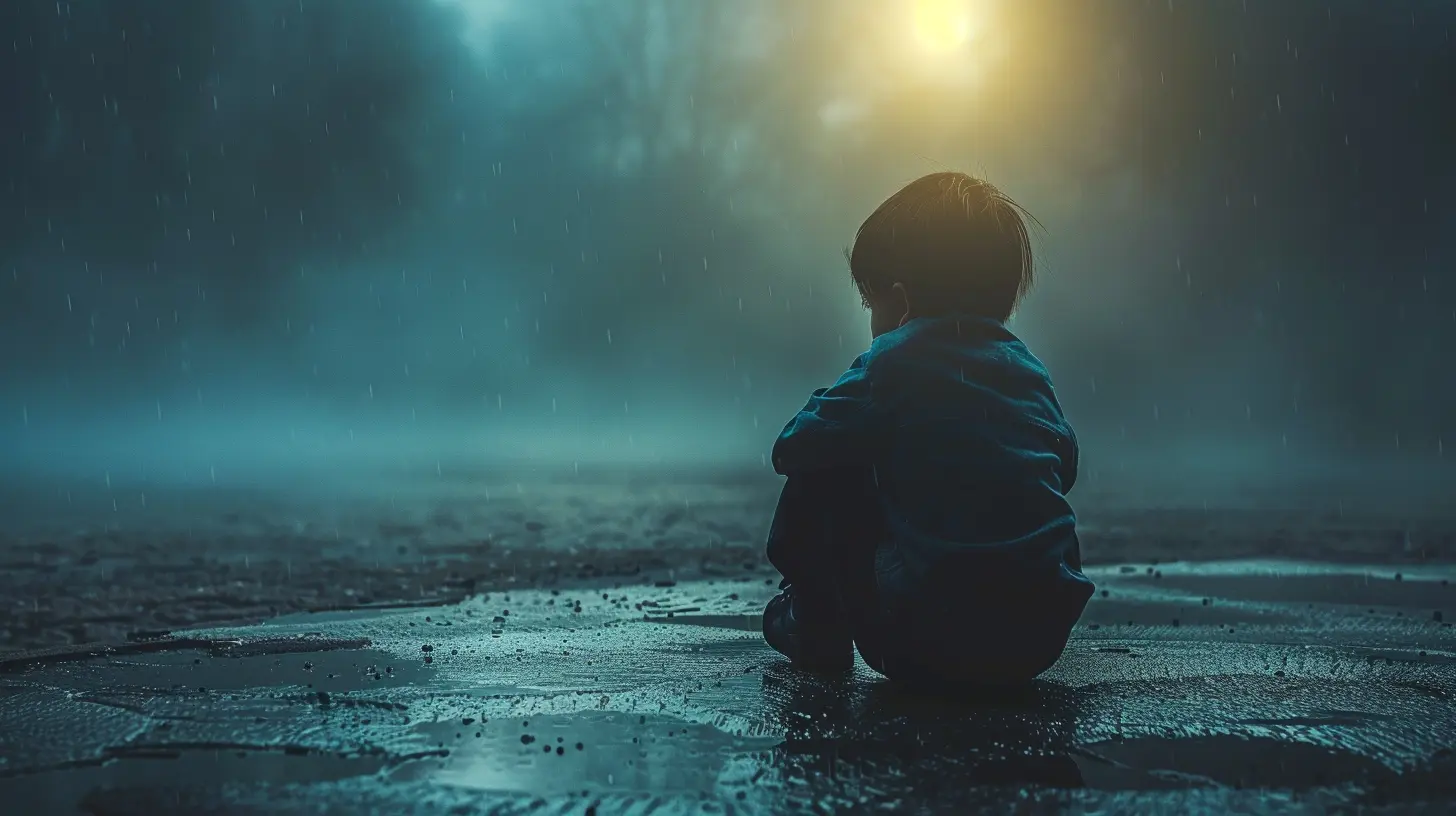
Why It’s So Easy to Miss
Let’s be honest—it’s not easy figuring out what’s “normal” anymore. Kids are moody, right? They get tired, frustrated, or stubborn. But here's the thing: kids struggling with depression often show their pain through behavior, not words.They don’t come up and say, “Hey Mom, I think I’m feeling depressed.” Nope. Instead, they might throw tantrums, withdraw, struggle in school, or complain of mysterious stomach aches. It’s like trying to read a book in the dark—you know there’s something there, but it’s hard to make it out.
That’s why you need to pay attention to patterns, not just isolated incidents.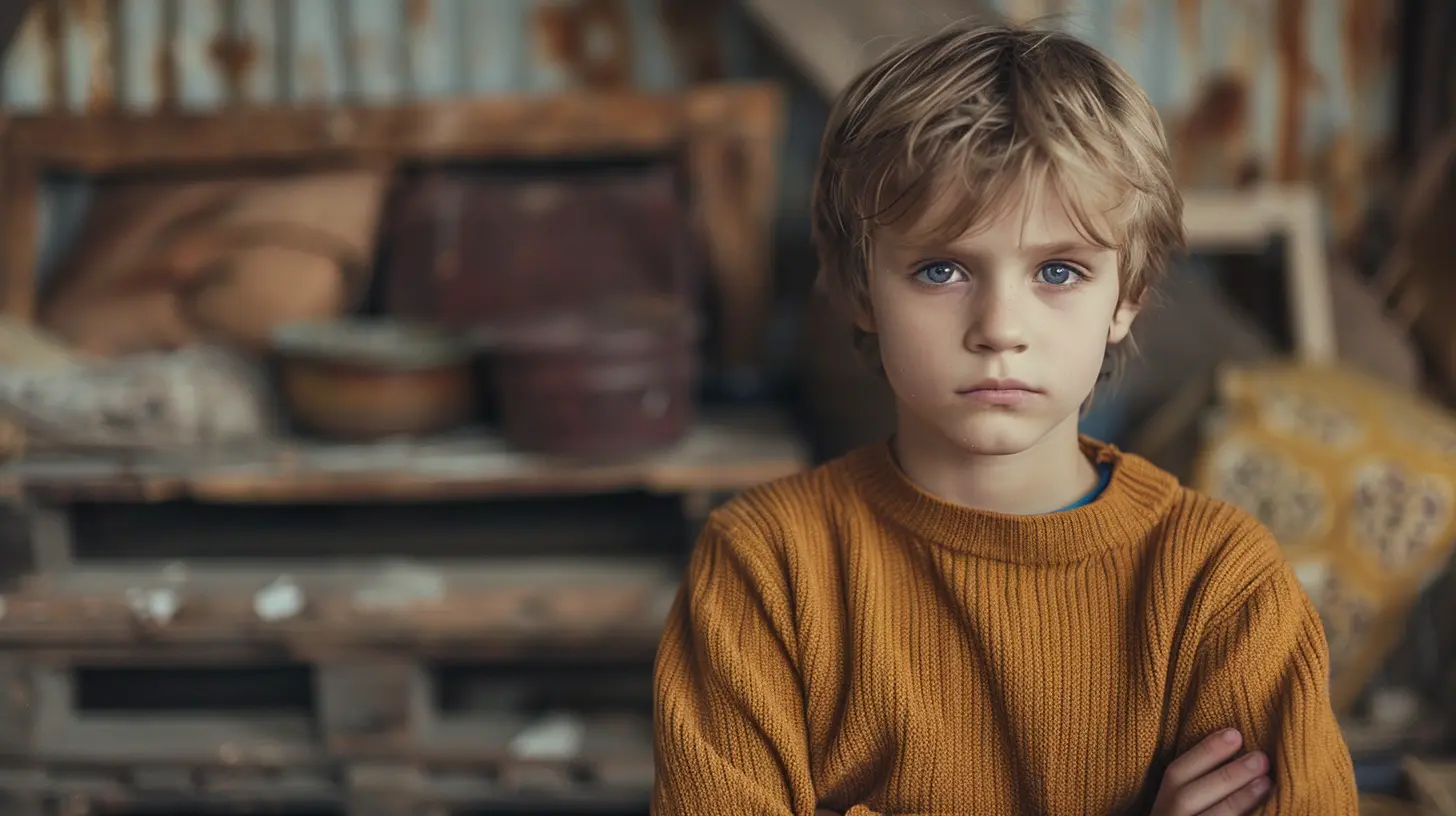
Spotting the Early Signs: Trust Your Inner Parent Radar
Okay, so now that we’ve got that cleared up, let’s dive into the signs to look for. These aren’t one-size-fits-all, and one or two of these doesn’t automatically mean your child is depressed. But if you’re seeing a combo of these signs over weeks (not just a day or two), it’s time to take a closer look.1. Ongoing Sadness or Crying Spells
Sure, kids get upset. But if your child is frequently sad, crying for no obvious reason, or seems unusually down most days, it could be a red flag. A sadness that lingers is different from a passing mood.2. Irritability or Anger (Even Over Small Things)
Some children, especially younger ones, might not look sad at all. Instead, they’re grouchy, snappy, or explosive. If your normally chill kid is suddenly lashing out or easily frustrated, pay attention.3. Changes in Sleep Patterns
Too much sleep. Not enough sleep. Nightmares. Trouble falling asleep. All of the above could be tied to emotional distress. Keep an eye on bedtime habits and see if they’ve shifted over time.4. Loss of Interest in Favorite Activities
If your child used to love painting, skateboarding, or Minecraft and suddenly doesn't care about any of it—that’s a biggie. When joy disappears, that’s often depression tapping on the shoulder.5. Social Withdrawal
Is your social butterfly suddenly avoiding friends and family? Do they prefer staying in their room instead of joining in activities they used to enjoy? Isolation is a classic sign of emotional struggle.6. Physical Complaints Without a Clear Cause
"My tummy hurts." "I have a headache." You go to the doctor, everything checks out fine—yet the complaints keep coming. Sometimes, emotional pain comes out as physical discomfort.7. Drop in Academic Performance
A sudden dip in grades or lack of interest in schoolwork can be a sign something’s off. Depressed kids might struggle to concentrate, stay motivated, or care about assignments.8. Low Self-Esteem or Feelings of Worthlessness
You hear your child say things like, “I’m stupid,” “No one likes me,” or “I can’t do anything right.” These aren’t just passing negative thoughts—they could signal a deeper emotional issue.9. Changes in Appetite or Eating Habits
Eating significantly more or less than usual can be depression in disguise. Emotional shifts sometimes show up in how kids relate to food.10. Talking About Death or Hopelessness
This one’s serious. If your child expresses dark thoughts, talks about dying, or seems obsessed with the idea of not being here anymore—this is your emergency siren. Don’t just brush it off. It’s time to seek professional help immediately.
What Causes Depression in Kids?
There’s no single answer here—life is complicated. But here are a few common triggers or risk factors:- Family history of depression or mental illness
- Bullying or peer pressure
- Parental divorce or family conflict
- Academic pressure
- Big life changes (moving, loss of a loved one)
- Abuse or neglect
- Chronic illness or disability
Sometimes, it’s a mix of things. And sometimes, depression comes out of nowhere. The key is not to fixate on the “why” as much as taking steps toward healing and support.
The Difference Between Sadness and Depression
Here’s where things get fuzzy. Sadness is a natural emotion—everyone feels it. But depression is like sadness that packs a suitcase and moves in. It sticks around, changes the way your child thinks, feels, and behaves, and makes everyday life harder than it should be.A sad child bounces back. A depressed child struggles to.
How Can You Help as a Parent?
So now you’re noticing the signs and wondering—what do I do with this? You’re not expected to have all the answers, but here’s how you can start making a difference.1. Start the Conversation
Sounds obvious, but it’s the hardest step. Find a quiet time—no distractions, no rushing—and gently ask how they’ve been feeling. Keep it open-ended:- "You’ve seemed a little different lately. Want to talk?"
- "I’ve noticed you’ve been quiet. Are you okay?"
Let them talk. And if they don’t? That’s okay too. Keep showing up with questions and love.
2. Validate Their Feelings
Even if what they say seems minor to you, don’t minimize it. Saying, “That’s not a big deal” or “You’re just being dramatic” shuts the door. Instead, try:- “I’m really sorry you’re feeling this way.”
- “It’s okay to feel sad sometimes, but I'm here to help you through it.”
3. Reach Out to a Mental Health Professional
You’re not alone in this. A child therapist or counselor can work magic in helping your child understand and navigate their feelings. If you're unsure where to start, talk to your pediatrician and ask for recommendations.4. Create a Safe, Supportive Home Environment
Make home a judgment-free zone. Encourage routines, healthy sleep, nutritious meals, and gentle physical activity. A consistent and loving environment helps your child feel grounded.5. Be Patient and Open
Healing doesn’t happen overnight. Some days will feel like steps forward, others like backslides. That’s okay. Just keep being their safe space.What Not to Do
Let’s take a quick moment to talk about what won’t help:- Don’t tell them to "snap out of it" or "just cheer up"
- Don’t compare their experience to your own or their siblings’
- Don’t ignore the signs hoping they’ll pass
Depression isn’t a phase—it’s a condition. And while it is absolutely treatable, it needs acknowledgment and support.
You’re Not Failing as a Parent
This part is for you. If your child is struggling with depression, it does not mean you’ve done something wrong. It doesn’t mean you weren’t loving enough or didn't try hard enough. Mental health is complex, and it doesn’t always follow logic.Being a parent means showing up, even when you don’t have all the answers. By just reading this article, asking questions, and paying attention—you’re already doing an incredible job.
Final Thoughts: You’ve Got This
Spotting signs of depression in children isn’t easy. But with patience, love, and action, you can help your child navigate their way back to joy. Think of it like a lighthouse in the fog—you might not clear all the clouds right away, but you light the way home. And that matters more than you know.Keep trusting your instincts, asking the hard questions, and leaning into connection. Because sometimes, just knowing someone sees them can start the healing.
all images in this post were generated using AI tools
Category:
Mental HealthAuthor:

Maya Underwood
Discussion
rate this article
2 comments
Jordan Mendez
Spotting signs of depression in kids can feel like searching for a unicorn in a haystack—both rare and elusive! Just remember, a sudden lack of interest in their favorite toys might mean they need a chat, not just a new video game!
December 28, 2025 at 5:15 AM
Maya Underwood
Thank you for highlighting such an important point! Open communication is key in understanding our children's emotional needs.
Benjamin Ross
Essential tips for recognizing children's depression—awareness is key for support.
December 17, 2025 at 4:55 AM
Maya Underwood
Thank you for highlighting the importance of awareness! Recognizing the signs early can make a significant difference in a child's well-being.