How to Encourage Group Play in Preschoolers
14 May 2026
When you’re raising preschoolers, one of the major milestones you’ll come across is group play. It’s that magic moment when your little one starts to truly interact with other kids — not just side by side, but together. You know, the kind of play where they actually cooperate, share, and maybe even argue over who gets the red crayon, all while learning about friendship?
But here’s the thing—group play doesn’t just happen. Like most things in parenting, it takes a bit of nudging, modeling, and a whole lot of patience.
So how can we, as parents, caregivers, or educators, foster group play in preschoolers in a way that’s fun, effective, and stress-free? Let’s break it down.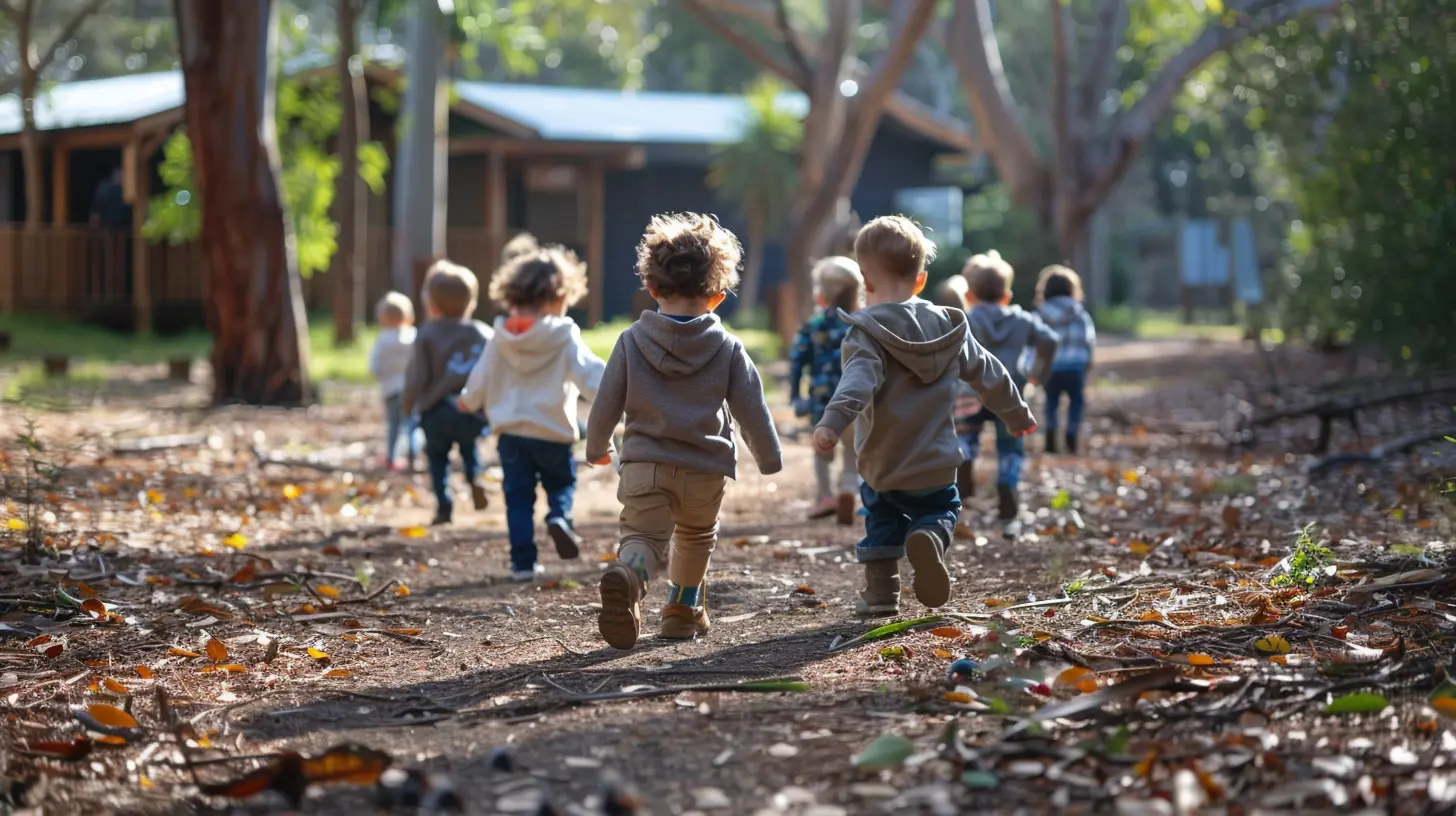
Why Group Play Matters
Before we dive into the how, let’s talk about the why.Group play helps children develop social skills that are essential later in life. We're talking about sharing, taking turns, collaborating, managing conflict, and understanding others' feelings—big stuff, right?
Kids aren’t born with these skills hardwired. They develop them bit by bit, and group play is one of the best training grounds. It’s like a mini-society where they can make mistakes and learn from them in a space that’s safe and supportive.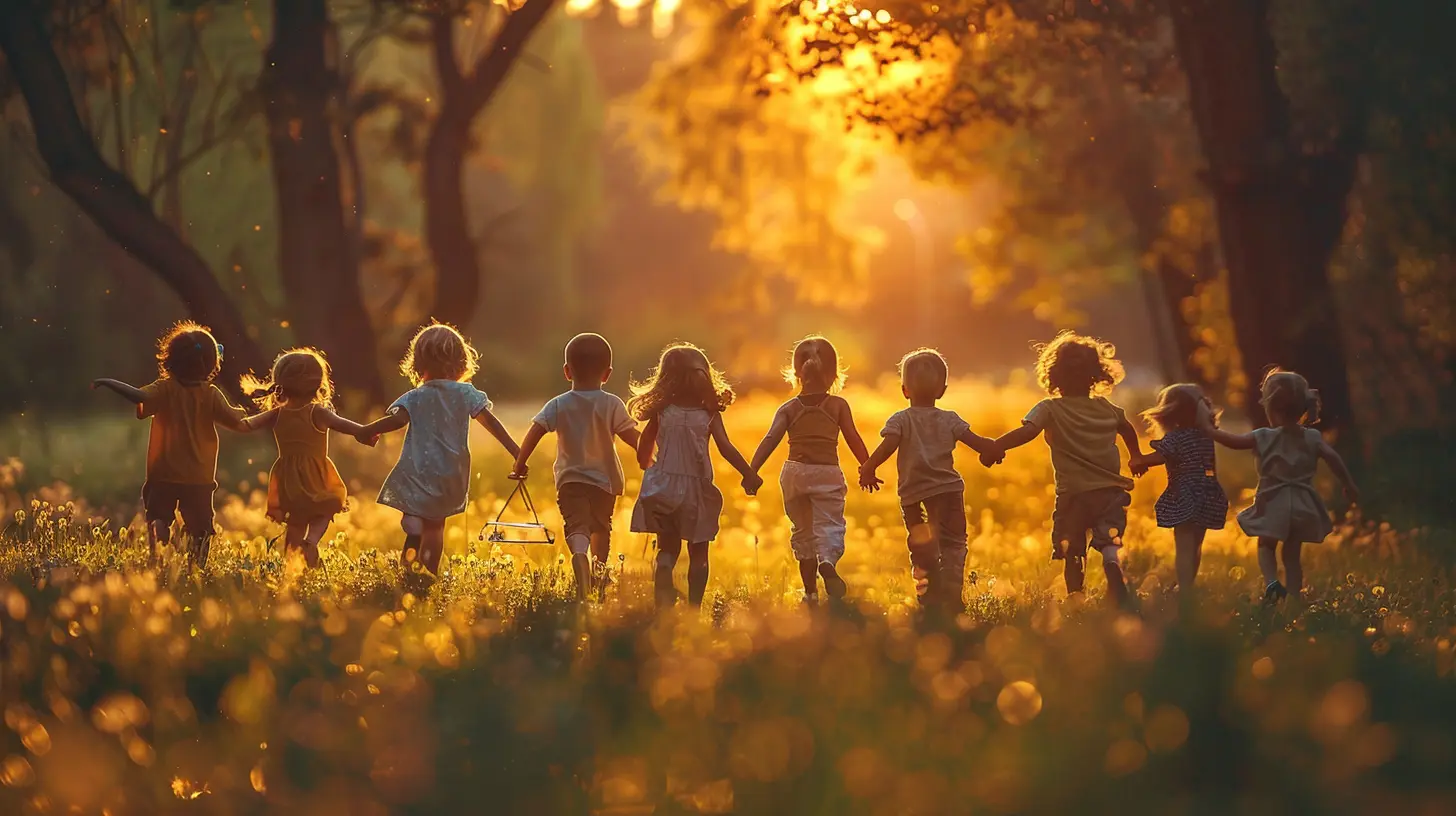
Understand the Stages of Play
To encourage group play, you first need to know where your child is developmentally. Preschool-aged kids (usually 3–5 years old) go through a few stages of play:- Solitary Play – Playing alone.
- Parallel Play – Playing next to another child, but not with them.
- Associative Play – Playing in the same space, maybe using the same toys, but not fully coordinating.
- Cooperative Play – Playing together with shared goals or roles.
Most preschoolers teeter between associative and cooperative play. So don’t stress if your 3-year-old isn’t organizing group scavenger hunts yet.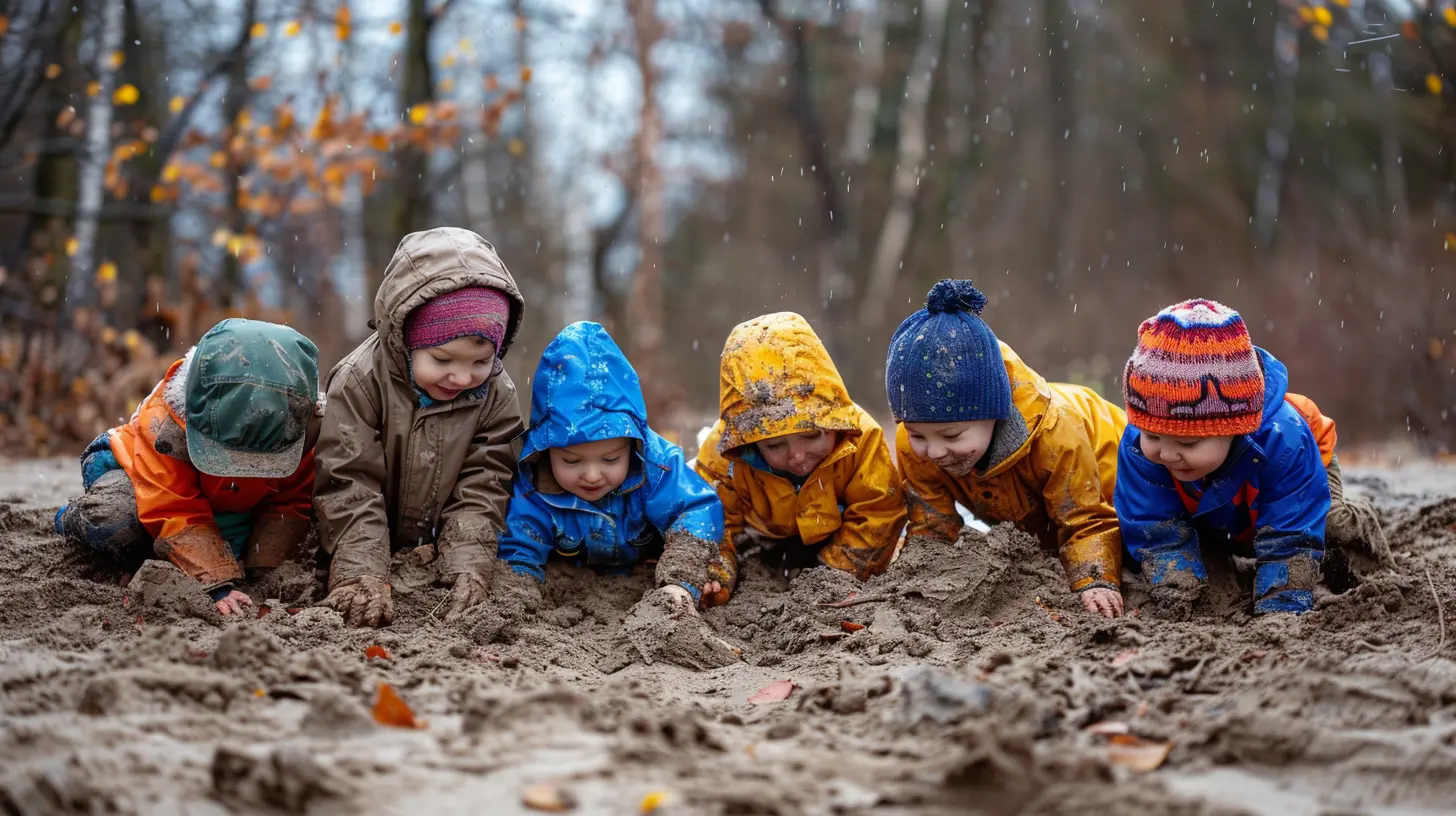
Create the Right Environment
Preschoolers won't magically start playing together just because they’re in the same room. The setup matters—a lot.1. Set Up Open-Ended Play Spaces
Toys that encourage imagination spark more interaction. Think:- Dress-up clothes
- Blocks
- Play kitchens
- Puppets
- Art materials (stickers, crayons, paper galore)
Why do these work? Because they don’t have a “right” way to play with them. Open-ended toys invite kids to collaborate, create stories together, and even negotiate roles. “You be the dragon, I’ll be the knight!”
2. Keep the Space Manageable
Too many toys = chaos. Ever notice how kids get overwhelmed and jump from toy to toy? Keep it simple. Rotate toys to keep things fresh and focused. Fewer options, but richer experiences.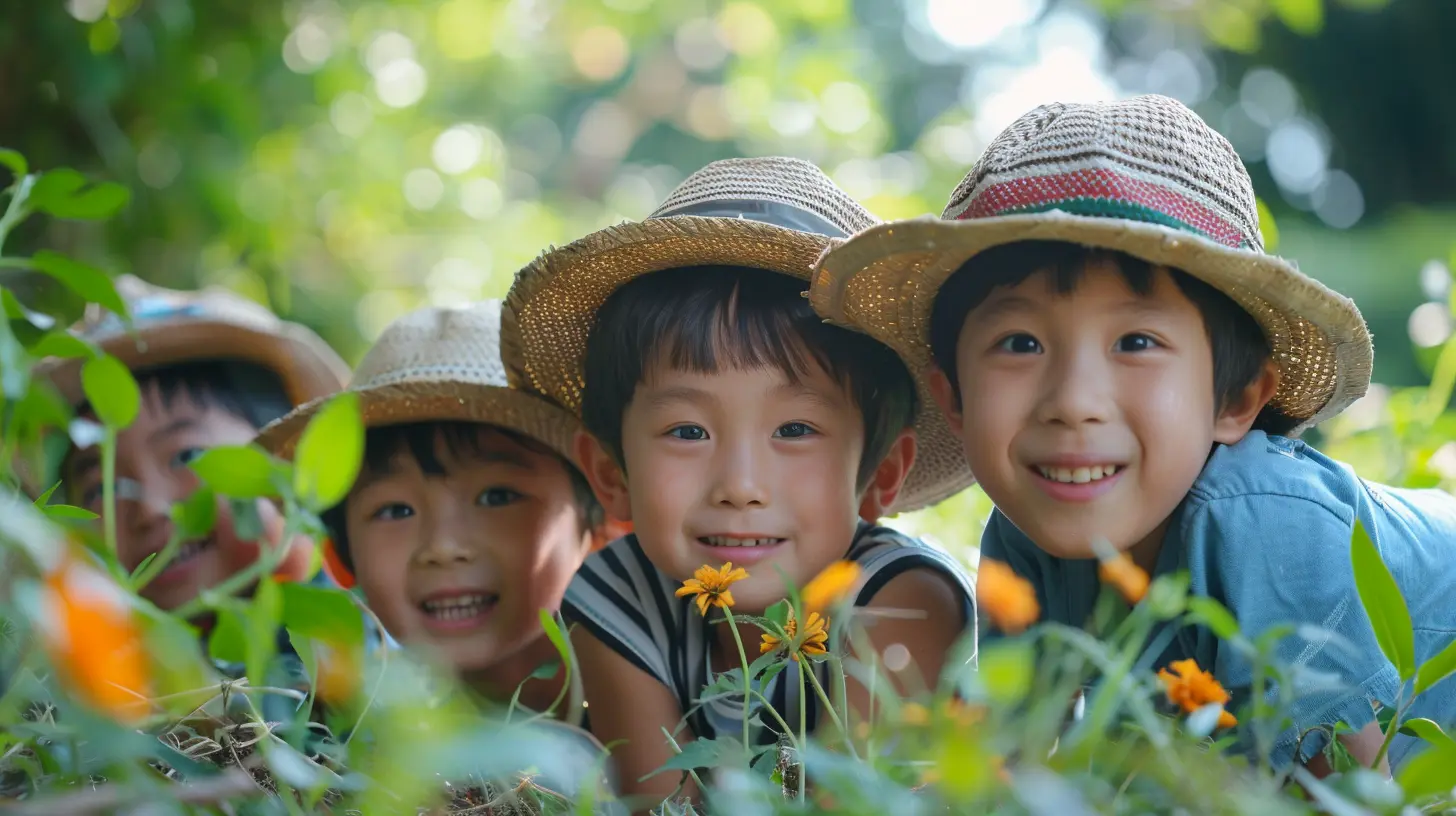
Join In (But Don’t Take Over)
Kids watch everything we do. If you want them to learn how to take turns or work together, model it!1. Be a Play Facilitator
You don’t need to run the show, but giving a gentle nudge helps. Maybe you suggest a game that requires teamwork, like building a LEGO tower together. Or you guide them into role-playing: “Let’s play restaurant! Who wants to be the chef?”2. Narrate and Encourage Social Moments
When you see a positive interaction, point it out. “Hey, I noticed you shared your stuffed bear with Liam. That was really kind!” It reinforces good behavior and helps them understand what being a friend actually looks like.But don’t hover. Sometimes, stepping back and letting them figure it out is the best thing you can do.
Start Small and Build Up
Not all kids are social butterflies. And that’s okay. Like adults, some children are introverts at heart. So start small.1. Arrange One-on-One Playdates
Big groups can be overwhelming. Begin with one other child. Keep the playdate short and sweet—think 30-60 minutes max—and make sure there are snacks (because everything is better with snacks).2. Choose Activities That Require Interaction
Games like:- Building a train track together
- Making a fort out of blankets and chairs
- Cooking pretend meals in a toy kitchen
The goal is to pick activities that naturally involve more than one child. Avoid solo games or screen time, which pull kids inward instead of drawing them together.
Teach Social Skills on the Side
Kids don’t just magically “know” how to play with others. Social skills are learned, just like tying shoes or brushing teeth.1. Practice Turn-Taking
Play simple games that naturally involve taking turns—like board games or “Simon Says.” And yes, you’ll have to model patience and losing gracefully (even if your competitive streak kicks in!).2. Teach Empathy With Storytime
Books are a great way to teach preschoolers how others feel. Read stories about friendship, sharing, or working together. Then ask questions like, “How do you think she felt when no one shared with her?”It helps kids connect emotions with actions—something crucial for successful group play.
Handle Conflict When It Pops Up
Let’s be real—group play isn’t all sunshine and rainbows. There will be yelling. There will be toy drama. And yes, there may be the occasional bite (preschoolers have a flair for the dramatic).Here’s how to handle it:
1. Stay Calm and Step In if Needed
If the argument is heating up or getting physical, that’s your cue. Calmly intervene and separate if needed. Use neutral language: “I see you're both upset and want the same toy.”2. Teach Problem-Solving
Guide them through conflict resolution. “What are some ways we can fix this?” Let them try to come up with solutions—it could be taking turns, finding a different toy, or playing something else.Teaching them to talk it out is a long-term gift.
Encourage Group Activities Outside the Home
Children learn differently in different environments. Exposure to other kinds of kids, teachers, and play spaces gives them more chances to practice.1. Enroll in Group Classes
Think dance, swim, music, or toddler yoga. These have structure, but also free play time where kids can mingle and test out their group play muscles.2. Visit Playgrounds Regularly
Playgrounds are the ultimate kid mixer. You never know who your child will meet or what game they’ll start. Stay nearby to supervise, but let them take the lead.Celebrate Their Growth (Not Perfection)
Your preschooler isn’t going to get everything “right” when it comes to group play. That’s okay. Growth isn’t linear. One day your child might share every toy with a smile, and the next day they’ll throw a truck because someone touched their juice box.Celebrate the small wins. Maybe they invited someone to play. Maybe they waited their turn without a meltdown. That’s progress. And progress deserves praise.
Final Thoughts
Encouraging group play in preschoolers isn’t about scripting perfect playdates or micromanaging every interaction. It’s about creating the conditions where kids feel safe, supported, and invited to engage with others.Think of yourself as the gardener, not the mechanic. You don’t need to “fix” your child’s play. You just need to plant the right seeds—patience, modeling, good tools—and then step back and watch them bloom in their own time.
Group play is more than just kids having fun (though that’s a pretty great perk)—it’s how they build the foundation for empathy, cooperation, and connection.
So take a deep breath, let go of perfection, and let the play begin.
all images in this post were generated using AI tools
Category:
Parenting PreschoolAuthor:

Maya Underwood
Discussion
rate this article
2 comments
Abram Monroe
This article is fantastic! Encouraging group play in preschoolers really fosters their social skills and creativity. I can't wait to try these tips with my little ones. Great insights here!
August 17, 2026 at 3:02 PM
Maya Underwood
Thank you! I'm glad you found the tips helpful. Enjoy the playtime with your little ones!
Tala McCollum
Group play is like a mini democracy; it teaches sharing, problem-solving, and the art of negotiation.
May 20, 2026 at 2:41 AM
Maya Underwood
That's a great way to put it! Group play truly fosters essential skills for children.