Discipline Strategies for Sibling Rivalry and Conflict Resolution
21 December 2025
Sibling rivalry is as old as time. From minor squabbles over toys to full-scale battles over who gets the front seat, brothers and sisters are bound to clash. If you're a parent, you've probably felt like a referee more times than you'd like to admit. But here's the good news—while sibling rivalry is inevitable, it doesn't have to drive you up the wall.
So, how do you manage the chaos without losing your sanity? Let’s dive into some practical discipline strategies to help your kids get along and resolve conflicts more peacefully. 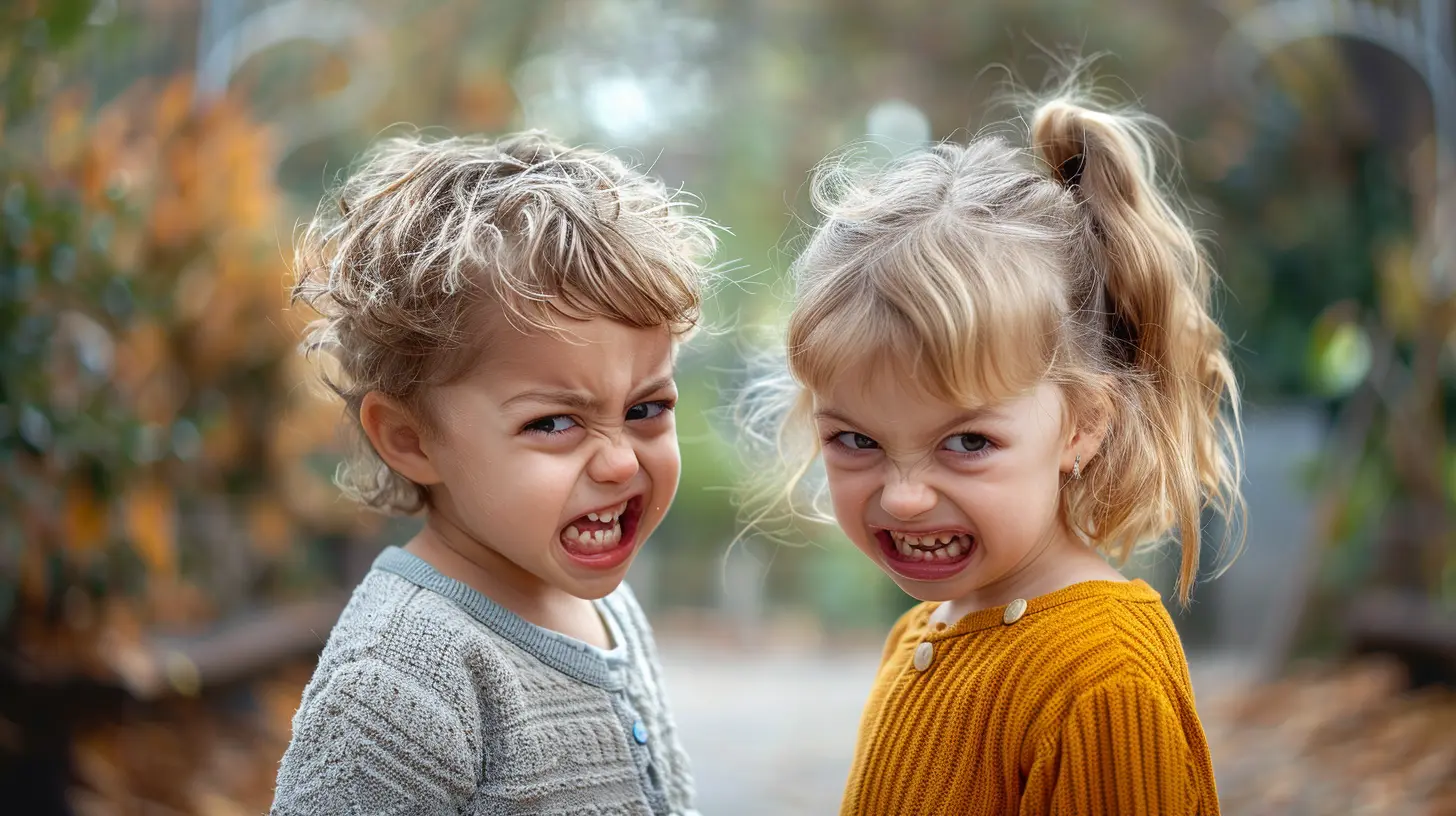
Understanding Sibling Rivalry
Before we talk solutions, let's understand why siblings fight in the first place.Why Do Siblings Fight?
Sibling rivalry typically stems from:- Competition for Attention: Kids naturally crave their parents’ love and approval. When they feel overlooked, they may act out.
- Jealousy and Comparisons: "Why does she get a later bedtime?" "How come he gets a bigger slice of cake?" Sound familiar?
- Personality Clashes: Some siblings are naturally more dominant, while others may be more passive, causing friction.
- Age and Developmental Differences: Younger kids may not understand boundaries, while older siblings might feel annoyed by their antics.
- Boredom: Sometimes, kids fight just because there’s nothing better to do!
Understanding these triggers helps in crafting effective discipline strategies without unnecessary punishments. 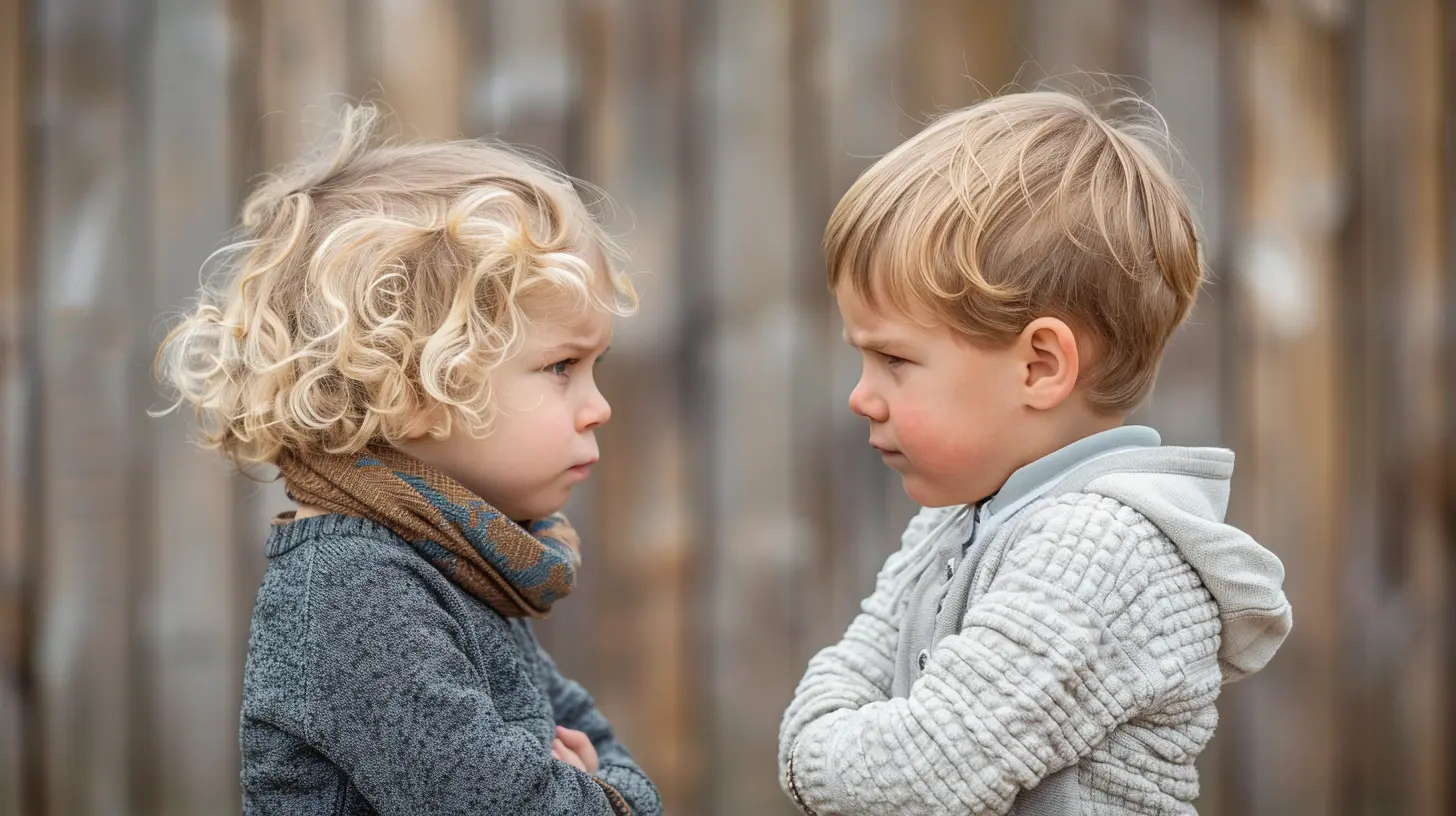
Effective Discipline Strategies for Sibling Rivalry
So, what can you do to turn household chaos into harmony? Here are some tried-and-true discipline techniques that actually work.1. Set Clear Family Rules
Kids need structure. Make it clear from the get-go that certain behaviors—like hitting, name-calling, or tattling—aren’t acceptable.Instead of saying, “Stop fighting,” establish house rules such as:
✅ Speak to each other with respect.
✅ No physical aggression—ever.
✅ Solve problems with words, not fists.
When kids know the rules, they’re more likely to follow them.
2. Teach Conflict Resolution Skills
Let’s be real—throwing punishments at kids won’t teach them how to resolve their conflicts. Instead, guide them through conflict resolution techniques.🔹 Active Listening – Teach them to hear each other out instead of shouting over one another.
🔹 Using "I" Statements – “I feel upset when you take my toy without asking,” instead of “You always steal my stuff!”
🔹 Finding a Compromise – Encourage them to come up with a win-win solution together.
The more they practice, the better they get at handling conflicts independently.
3. Avoid Playing Favorites
Nothing fuels sibling resentment faster than favoritism. Even if you don’t mean to, kids are hyper-aware of fairness.🔸 Avoid comparing them: Instead of saying, “Why can’t you be more like your sister?” try, “I love how creative you both are in different ways.”
🔸 Spend one-on-one time: Each kid needs their own special connection with you to feel valued.
When kids feel equally loved and appreciated, they’ll fight less for your attention.
4. Encourage Teamwork Instead of Competition
Rather than making everything a contest, foster teamwork.👫 Give them shared goals—like cleaning up together against the clock or earning a group reward for good behavior.
🏆 Praise cooperation: "I love how you helped your brother with his puzzle!"
When siblings work as a team, they bond instead of battle.
5. Let Them Work It Out (Within Reason)
Not every argument requires adult intervention. If there’s no physical harm, give kids a chance to solve their own problems.Ask, “How do you think you can fix this?” instead of jumping in with a solution.
Of course, if things escalate, step in and help them navigate the situation calmly.
6. Use Positive Reinforcement
Kids respond better to rewards than punishments. Instead of constantly scolding, focus on reinforcing good behavior.🌟 Praise them when they share or play nicely together: “I love how you two took turns without me asking!”
🎁 Implement a reward system: A sticker chart for peaceful playtime can encourage better habits.
The more you highlight positive interactions, the more likely they are to repeat them.
7. Use Logical Consequences
If a child breaks a rule during a sibling conflict, ensure the consequence makes sense.For example:
- If they refuse to share a toy, the toy goes away.
- If they call each other names, they must say something nice to each other.
Consequences should be immediate, related, and fair—not harsh punishments that breed resentment.
8. Model the Behavior You Want to See
Kids learn by watching you. If you handle conflict calmly, they’re more likely to do the same.💡 Instead of yelling in frustration, say, “I feel frustrated right now, so I’m going to take a deep breath.”
By modeling patience, respect, and compromise, you teach your children invaluable life skills. 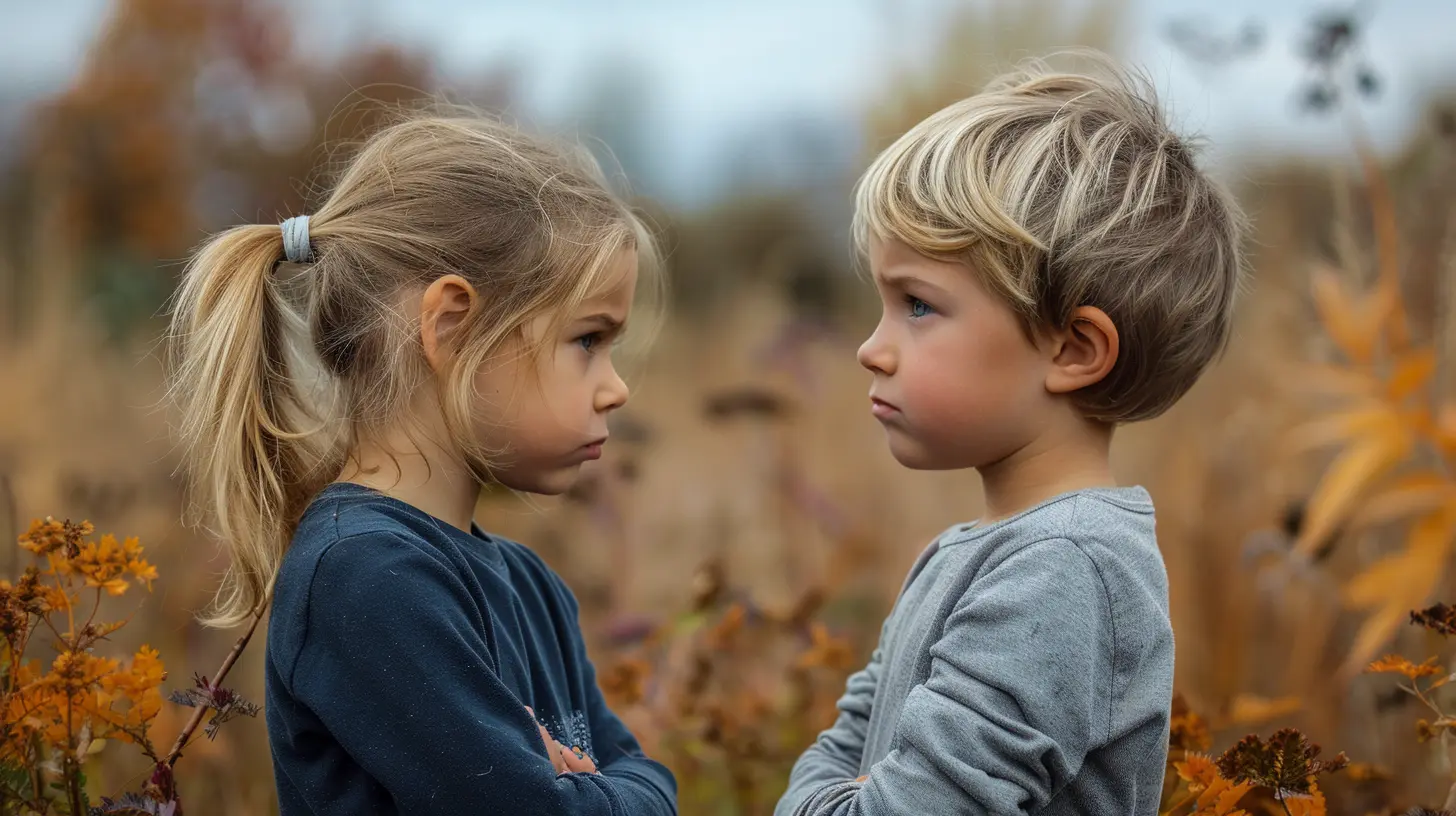
Handling Common Sibling Rivalry Scenarios
Still struggling with specific situations? Here’s how to tackle some common sibling conflicts.“They Won’t Stop Fighting Over Toys!”
🛑 Instead of taking the toy away immediately, ask them how they can take turns.⏳ Use timers for sharing—each gets a set amount of time before switching.
“They Keep Tattling on Each Other!”
👂 Teach them to differentiate between "tattling" and "telling."❗Only report situations that are dangerous or serious—minor disagreements should be handled on their own.
“They’re Always Competing for My Attention!”
👩👧👦 Give each child one-on-one time to make them feel special.💬 Verbally acknowledge their efforts: "I saw how kind you were to your brother today!"
When to Seek Professional Help
While sibling rivalry is normal, extreme aggression, bullying, or deep-seated resentment may require professional guidance. If fights turn violent or one child constantly feels powerless, consider family counseling to address underlying issues.Final Thoughts
Sibling rivalry isn’t fun, but it’s a natural part of growing up. The key to managing it isn’t about eliminating fights altogether—it’s about teaching kids how to fight fair and resolve conflicts peacefully.By setting clear rules, teaching conflict resolution skills, avoiding favoritism, and fostering teamwork, you create a more harmonious home where siblings feel supported rather than at odds.
And hey, remember—one day, these little warriors will (hopefully) grow up to be best friends. Until then, deep breaths, lots of patience, and maybe a little extra coffee won’t hurt.
all images in this post were generated using AI tools
Category:
Discipline TechniquesAuthor:

Maya Underwood
Discussion
rate this article
2 comments
Lara McNaughton
Great article! Practical strategies for managing sibling rivalry are essential for fostering harmony at home. Encouraging communication and teamwork among siblings can truly transform their relationships. Thanks for sharing!
January 22, 2026 at 4:06 AM
Maya Underwood
Thank you for your kind words! I'm glad you found the strategies helpful for fostering harmony among siblings. Happy parenting!
Yvonne McGrady
Effective communication fosters cooperation and reduces sibling conflict.
December 23, 2025 at 3:32 AM
Maya Underwood
Absolutely! Open communication is key to understanding each other and building a harmonious relationship among siblings.