Using Chores to Build Confidence and Problem-Solving in Tweens
16 August 2026
Ah, chores. The word alone can trigger eye rolls, dramatic gasps, and mysterious “urgent bathroom trips” from tweens all over the world. But what if I told you that those vacuuming sessions and dishwashing marathons are actually secret confidence-building missions? Like tiny life quests disguised as cleaning jobs?
Yup. Chores can be more than just ways to keep your house from turning into an episode of "Hoarders." Assigning age-appropriate, regular chores can help your tweens grow into independent, problem-solving, confident little humans (okay, medium-sized humans) — and you might even get your floors mopped in the process.
Let’s break this down and sprinkle in some humor, because let’s face it — parenting tweens without a laugh or two is a shortcut to early gray hairs.
Why Tweens and Chores Go Together Like Peanut Butter and Jelly… Sort of
Okay, so maybe your tween would rather be gaming, TikToking, or texting cryptic emojis to their friends than folding towels. But chores are more than just annoying to-dos — they're building blocks for life skills.Think of chores like a real-life version of Minecraft (minus the creepers). Every task they complete is like placing a block — stacking up confidence, responsibility, and some good ol’ fashioned grit.
Sure, your 11-year-old may moan like a wounded wildebeest when asked to sort laundry, but behind that dramatic sigh? They're actually learning to tackle problems, manage time, plan steps, and be accountable. Not bad for 10 minutes of sock matching.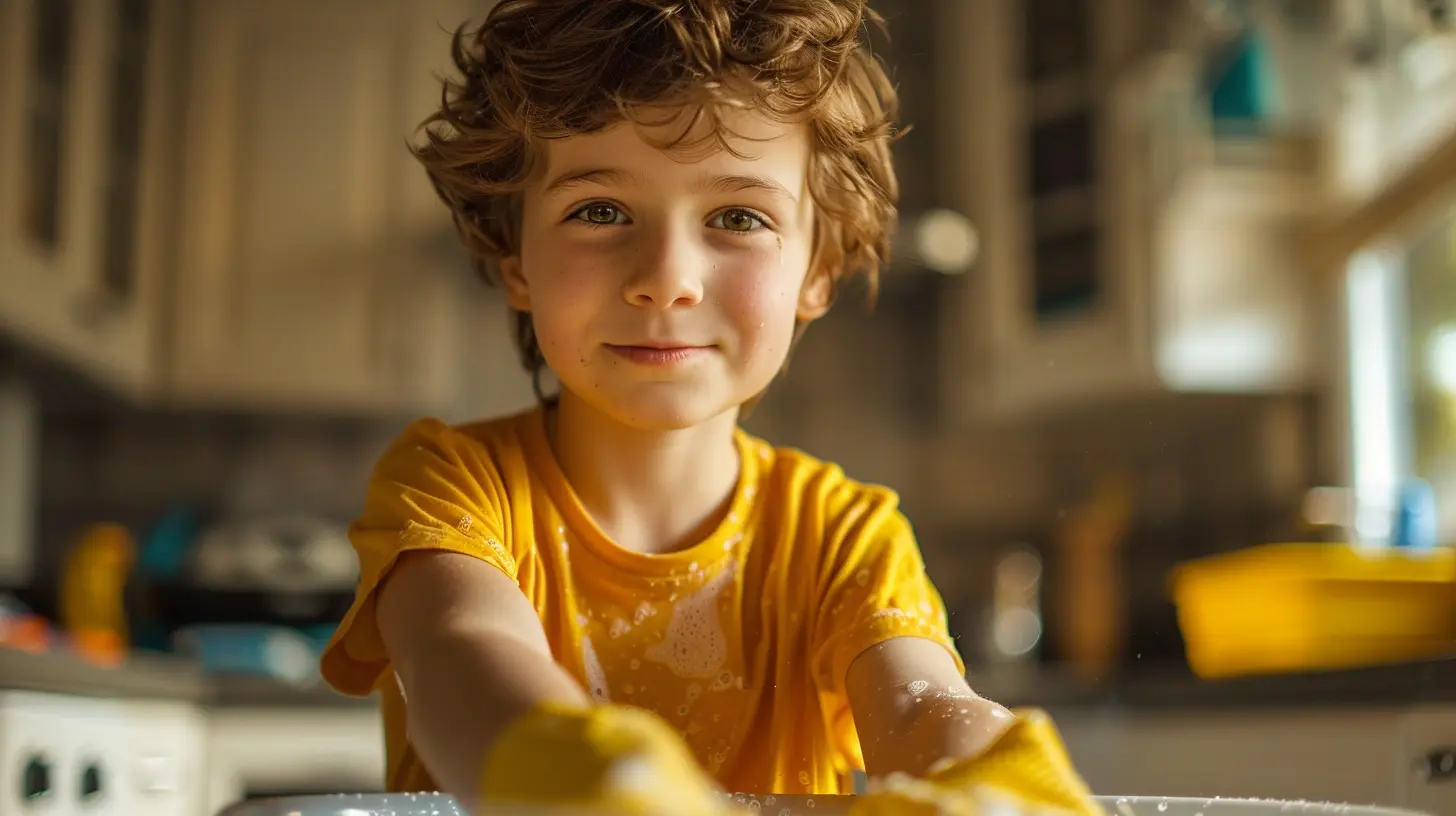
Confidence Isn’t Built Overnight — But It Might Come From Cleaning the Toilet
You might wonder, how does wiping down the bathroom mirror translate into confidence? It’s all about mastery and autonomy.When a tween is given a task that’s within their skill range (but maybe just a little challenging), and they succeed, BOOM — instant ego boost. It’s like giving them a tiny win in their otherwise chaotic preteen world.
Every completed chore is a message: "You are capable. You can do hard things. And yes, you can survive folding a fitted sheet (maybe)."
And the best part? With each chore, they get a chance to mess up, fix it, learn, and grow. That’s real confidence — the kind that sticks around after the sticker charts are gone.
Problem-Solving Isn’t Just for Math Class
Believe it or not, chores are mini problem-solving missions. Something spills on the floor? Your tween has to figure out what supplies to grab, how to clean it up, and whether to tell you before or after the dog licks it.They’re analyzing situations, predicting outcomes (hopefully before pouring bleach on the carpet), and troubleshooting in real time. That’s brain-building right there!
Even simple tasks like making a sandwich involve steps: What ingredient goes first? Did we run out of peanut butter? Where the heck is the butter knife? Every step requires thinking, adjusting, problem-solving. They’re sharpening their minds in the kitchen battlefield — one grilled cheese at a time.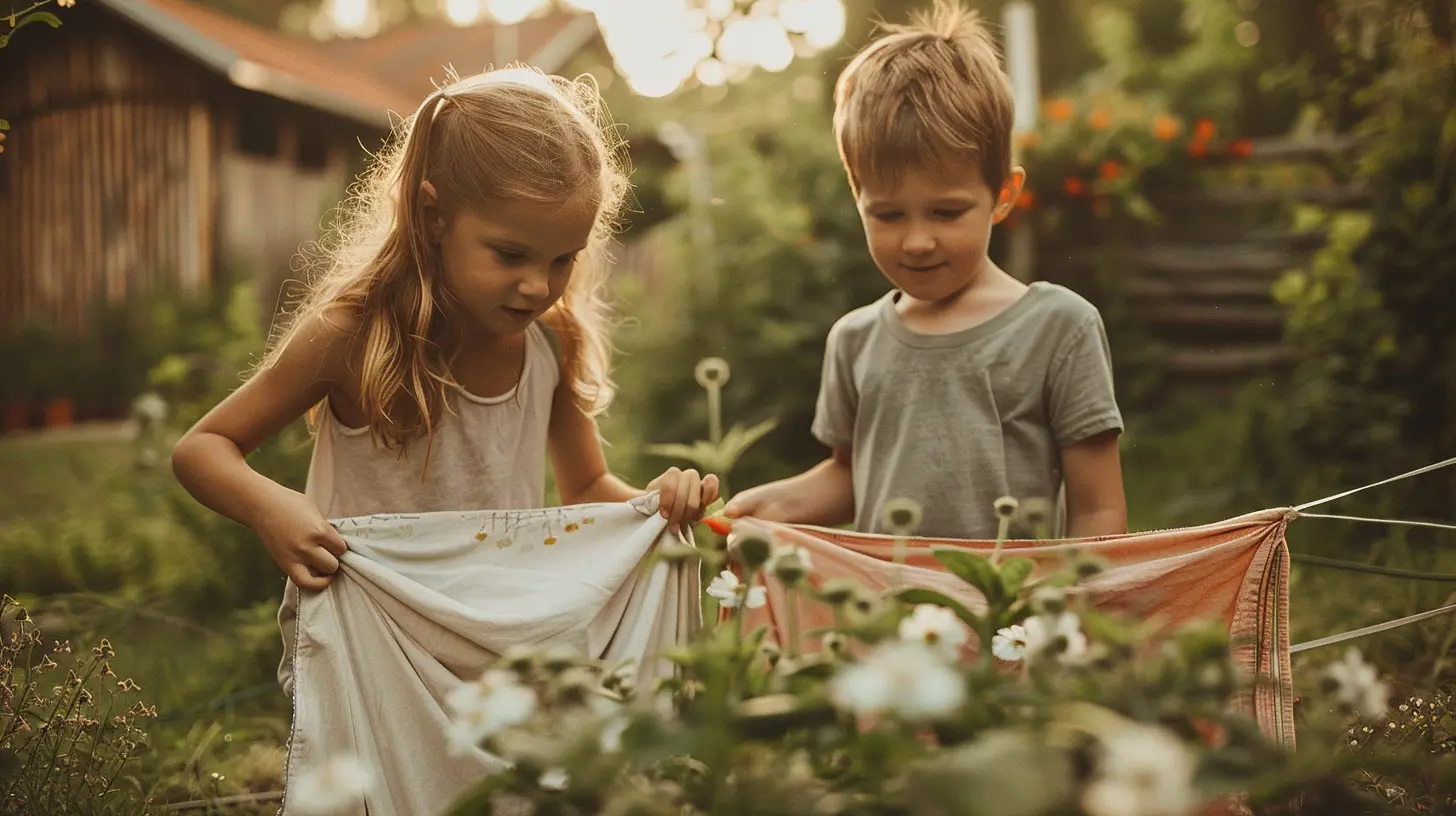
The Magic of Failing (Yep, Even at Vacuuming)
Let’s talk about failure for a second. We all want our kids to succeed, but honestly? Epic chore fails are where the gold is.You see, when your tween forgets to separate whites and colors and ends up with pink underwear for everyone, they learn a valuable lesson. (And maybe a new appreciation for laundry-sorters everywhere.)
Mistakes are how kids grow. The safe, low-stakes kind that happen while scrubbing the shower or burning toast? Those are problem-solving boot camps dressed in dish soap.
The key is not jumping in to fix everything immediately. Let them figure it out. Let ‘em struggle a little. Just keep the fire extinguisher nearby, just in case.
The “Helper” to “Household Hero” Transformation
Kids aren’t born knowing how to do chores. (Sadly, they also don’t come with a built-in motivation to do them.)But once they get the hang of it, something amazing happens. They shift from being “helpers” — aka, semi-reluctant mess-makers — to full-blown “household heroes.”
This transformation doesn’t happen overnight — it’s a slow burn. But once your tween feels like what they’re doing actually matters, when they see the difference they’re making, they light up. They’re not just taking out the trash anymore — they’re saving the kitchen from an odor apocalypse. And that’s empowering.
How to Make It Happen (Without the Screaming… Hopefully)
Okay, so how do you actually get your tween to do chores? Without sounding like a broken record or entering full drill sergeant mode?Let’s talk strategy.
1. Start with Genuine Expectations
Not all chores are created equal. Expecting your 10-year-old to clean the garage solo? That’s asking for chaos (and possibly a missing rake). Start with stuff that’s doable, and build from there.Try:
- Making their bed
- Emptying the dishwasher
- Feeding pets
- Putting away their laundry
Once they’ve mastered the basics, level up. Think of it like unlocking achievements in a video game. “Laundry Legend” and “Dish Duty Destroyer” could totally be tween titles.
2. Make It Predictable
Chores work best when they’re part of the routine. Kids love knowing what to expect. It gives them a sense of control — and let’s face it, not much feels in control during the tween years.Use charts, apps, sticky notes, whatever works. Just make it visible and consistent. Bonus points if you make it fun (color-coded chore wheel, anyone?).
3. Give Ownership
Let your tween choose some of their chores. It’s like giving them the remote — it doesn’t change the fact they have to watch something (aka, work), but it gives them a say.And if they don’t like a chore? Even better. That’s where character is built.
4. Avoid Perfection Paralysis
Let’s be honest — your tween will not fold towels like Martha Stewart. And that’s okay.Resist the urge to fix everything. If they feel like you’ll redo it anyway, they won’t bother trying. Praise the effort. Hug the attempt. Do a happy dance for the half-vacuumed rug. The skill will catch up.
5. Celebrate Wins (Even Tiny Ones)
Cheer your tween on like they’ve just won Olympic gold — even if all they did was put their backpack on its designated hook for once in their life.Positive reinforcement goes a long way. Eventually, they’ll start seeing their own wins and feeling proud of a job well done.
The Long-Term Payoff (AKA: Why This All Matters)
Let’s zoom out here for a sec.Why are we making our tweens haul laundry baskets and scrub bathroom sinks in the first place? Because one day, these same kids will be in college or living on their own, faced with real-life decisions. Chores train them for adulting.
We want them to:
- Know they can handle challenges
- Take initiative
- Solve problems without panicking
- Be reliable and responsible
And, okay, maybe just maybe, to clean their future roommate’s crusty dishes without a total breakdown.
Chores = practice for the big leagues.
When They Push Back (Because They Totally Will)
Look, your tween won’t always say, “Thanks for helping me build life skills, Mom! I just love scrubbing the toilet!”In fact, you’ll more likely hear:
- “Why do I have to do everything?”
- “But [insert friend’s name] doesn’t have to do this!”
- “Ughhh, can’t I do it later?”
Stay calm. Stay consistent. Use humor if you have to — parenting tweens often feels like herding caffeinated raccoons, and laughter is your survival tool.
Remind them (and yourself) that you’re not being mean. You’re being strategic. This is all part of shaping them into awesome, capable grown-ups.
Final Thoughts: Turning “Ugh, Chores!” into “I Got This!”
Tweens are at that magical, messy age where they’re still figuring out who they are — and what they can do. Chores help ground them in reality, give them a sense of purpose, and teach them how to handle the curveballs life throws.Will it be perfect? Nope. Will you have to repeat yourself 4,000 times? Probably. But in between the whining and the missed spots on the counter, you’re planting seeds of confidence, skills, and independence that will grow into something amazing.
Who knew folding laundry could be so powerful?
all images in this post were generated using AI tools
Category:
Kids And ChoresAuthor:

Maya Underwood
Discussion
rate this article
1 comments
Henrietta Hill
Great insights on using chores to foster confidence and problem-solving skills in tweens. Empowering them to take responsibility not only builds their character but also prepares them for future challenges. Thanks for sharing these valuable tips!
August 21, 2026 at 3:21 AM
Maya Underwood
Thanks for your thoughtful comment! I'm glad you found the tips helpful. Building confidence through chores really does make a difference.