The Role of Religion and Spirituality in Family Rituals
4 July 2026
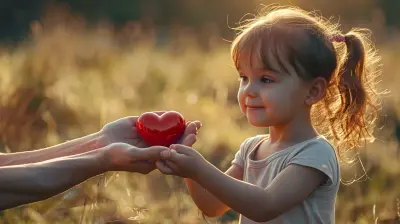
Family rituals have a magical kind of glue, don't they? They’re those little anchors that keep us grounded in the chaos of everyday life—birthday candles, bedtime prayers, Sunday dinners, or late-night storytimes. But what adds that deeper layer of meaning to these moments? You guessed it—religion and spirituality.
Whether you're deeply religious, vaguely spiritual, or somewhere in between, the role of faith in family rituals is more influential than most of us realize. It’s not just about lighting candles or attending church—it’s about connection, identity, and, sometimes, a gentle guiding hand that tells us everything’s going to be okay.
So let’s unpack this, layer by layer. Because when you look closely, there’s something kind of mystical about how faith threads its way into the fabric of family life.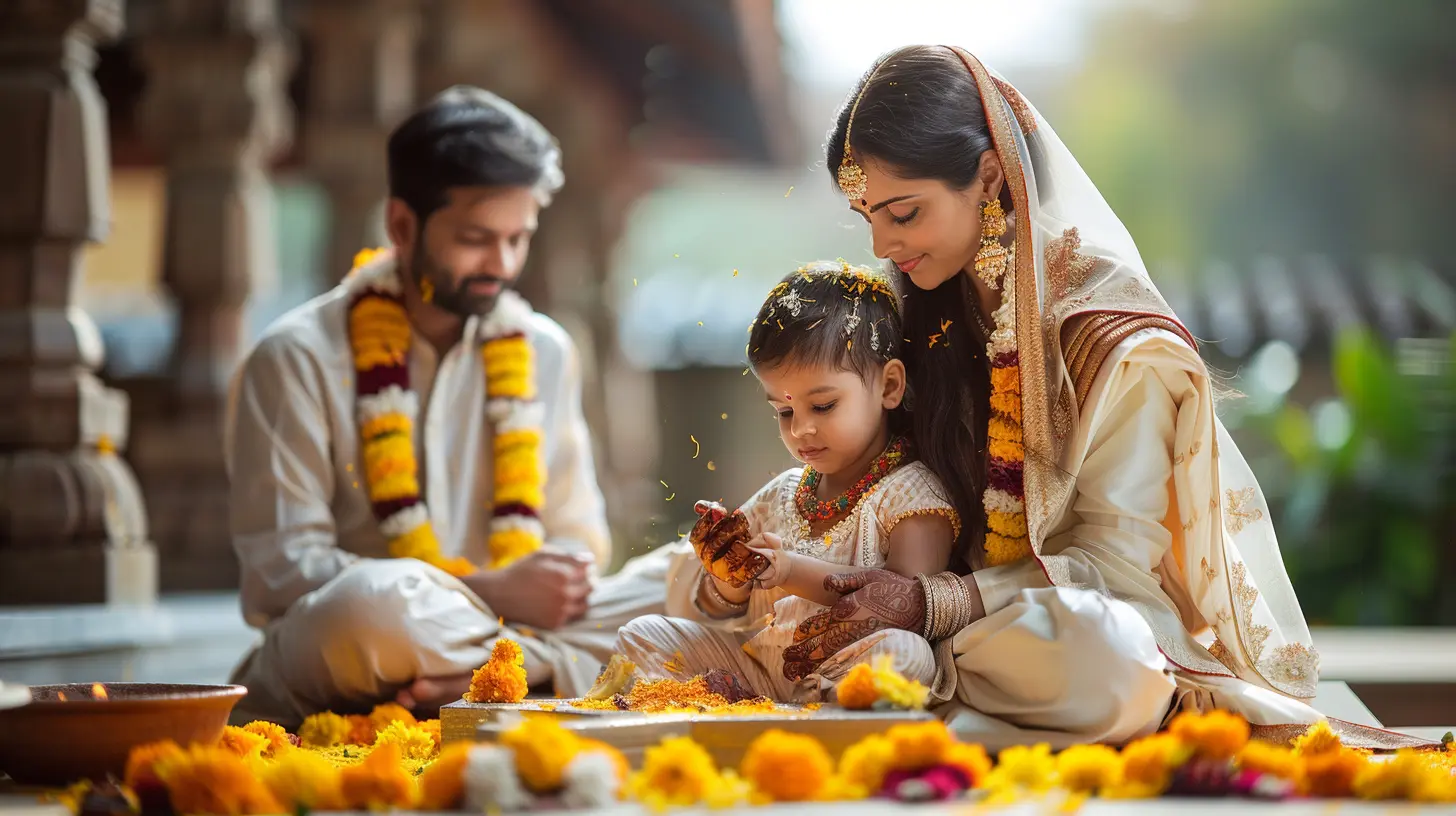
What Are Family Rituals Anyway?
Before we dive into the spiritual side, let’s define what we’re talking about here. Family rituals are those repeated activities or traditions that a family does together. They can be daily, weekly, seasonal, or once-in-a-lifetime type events.Think about:
- Sunday brunches
- Holiday celebrations
- Evening prayer or meditation
- Lighting candles before dinner
- Decorating a tree for Christmas or setting up a Sukkah for Sukkot
They’re not just about the activity—they’re about what it means to you and your family. And that’s where spirituality steps in.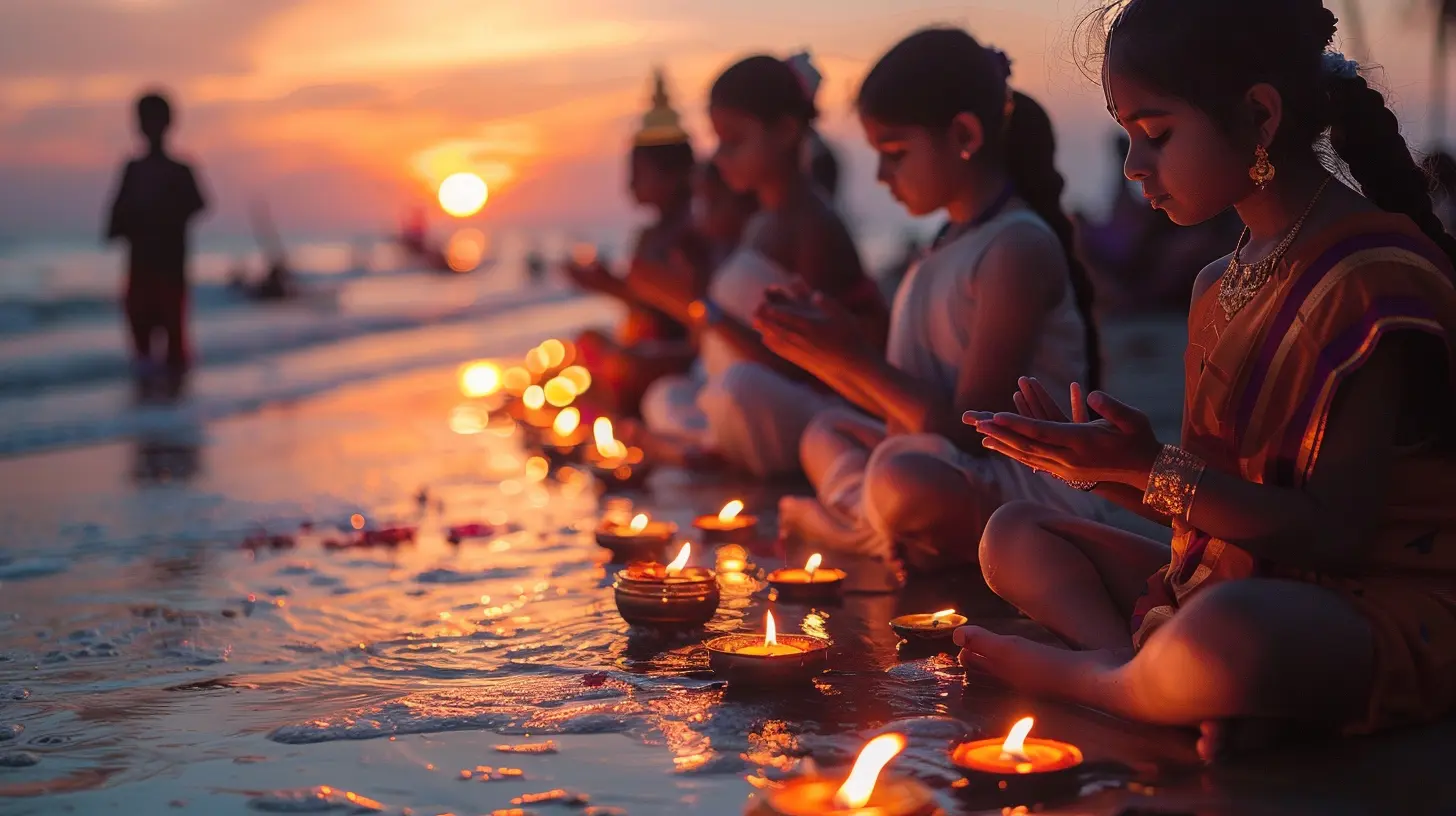
Where Religion and Spirituality Come In
Religion and spirituality are often used interchangeably, but they’re not quite the same. Religion is typically organized—it has doctrines, sacred texts, and places of worship. Spirituality, on the other hand, is more personal. It’s about your own connection to something greater than yourself—call it God, the universe, or just a "higher power."In family rituals? Both play incredibly powerful roles.
- Religion helps provide structure for rituals.
- Spirituality brings personal meaning to those rituals.
You can have one without the other, sure. But when you bring them together, something deeper happens.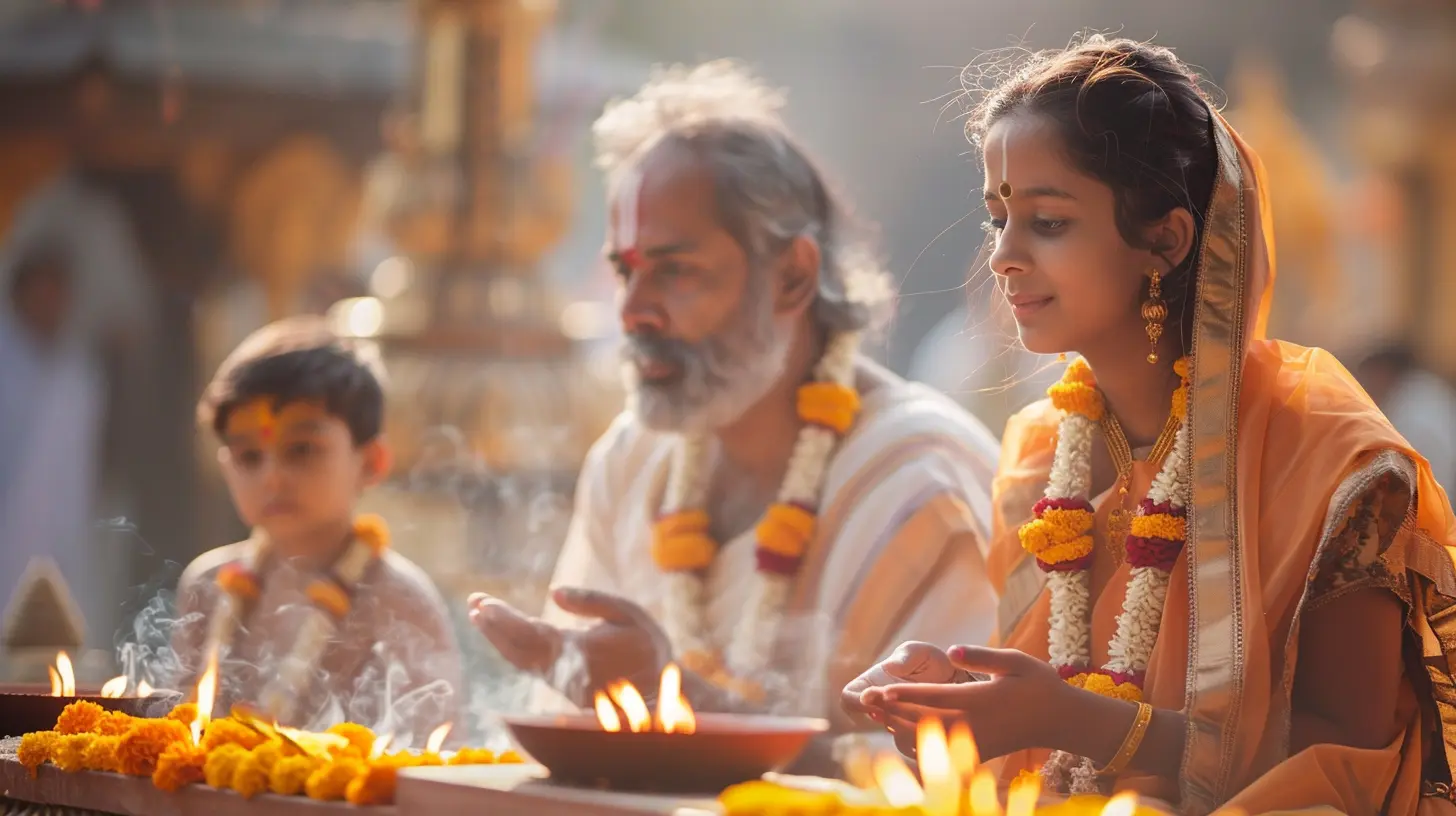
The Invisible Thread: Why Spirituality Matters
Ever felt goosebumps during a family prayer or been overcome with emotion during a holiday tradition? That’s not just sentiment. That’s a spiritual moment.Spirituality in family rituals does more than tie us to a higher power—it ties us to each other. It’s in those quiet moments, those shared silences, those collective breaths. It’s what makes a simple act like lighting a candle feel like a sacred experience.
It's About Belonging
Deep down, don’t we all want to belong? Spiritual family rituals give everyone—from toddlers to grandparents—a sense of place. Whether you’re gathering around the dinner table or attending a religious ceremony, the shared experience becomes a collective heartbeat.It Fosters Values Without Lecturing
Kids learn by doing, right? Spiritual rituals teach patience, gratitude, compassion, forgiveness, and humility—without a single lecture. Ever tried explaining forgiveness to a five-year-old? Good luck. But have them participate in a family ritual about renewal or redemption, and boom—they get it.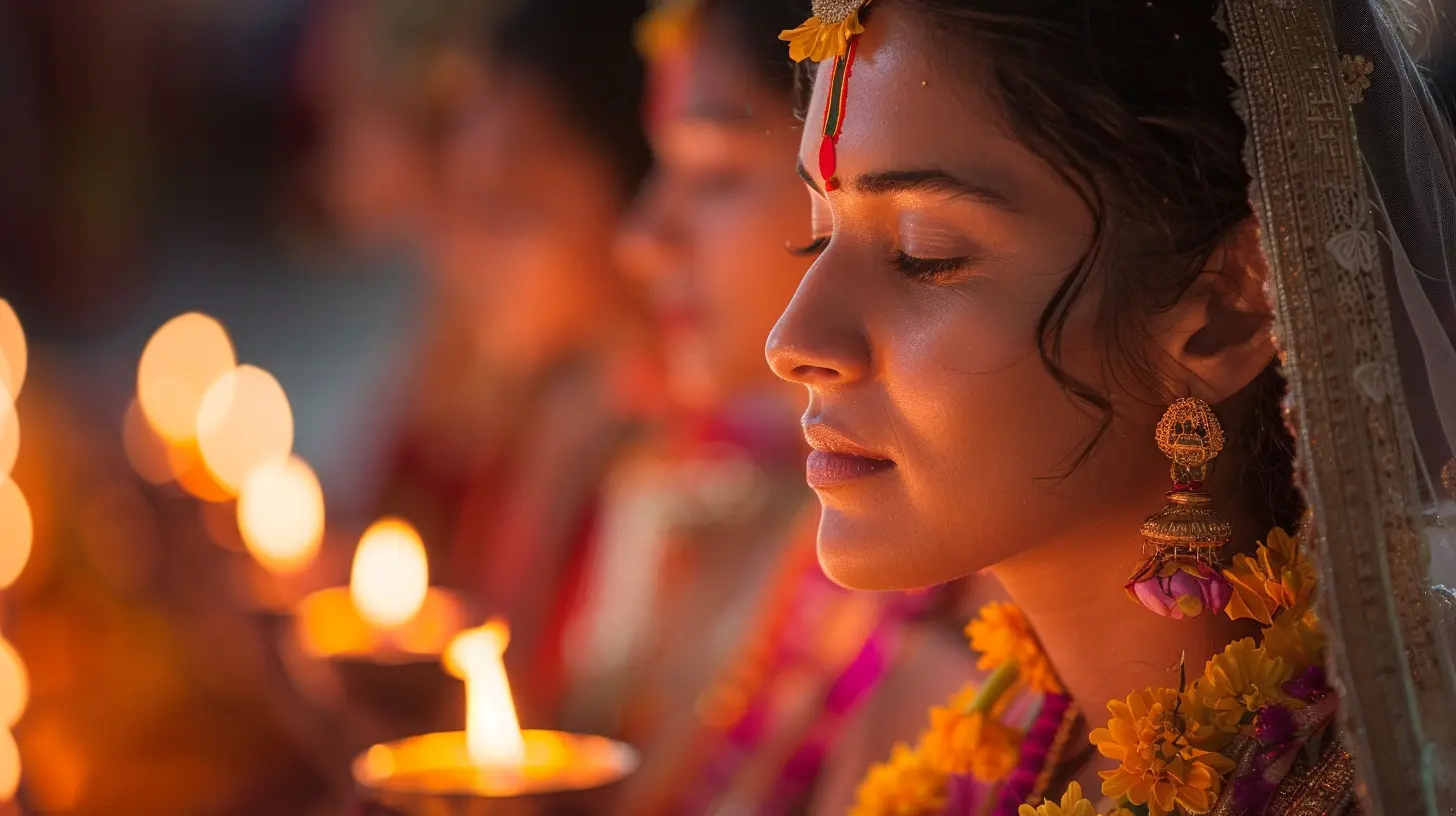
How Religion Shapes Major Family Moments
Religion has this beautiful way of wrapping itself around life’s biggest milestones. From birth to death, religious traditions help families mark time, celebrate, grieve, and grow.Birth and Naming Ceremonies
In many cultures, welcoming a new child involves religious rituals—a baptism, a naming ceremony, a blessing. These aren’t just formalities; they declare, “This child matters. This child belongs.”And when families gather for these ceremonies, they’re not just celebrating a baby—they’re reinforcing identity, values, and love.
Coming-of-Age Milestones
Think bar mitzvahs, quinceañeras, confirmations. These rituals say more than "you’re growing up." They say, "You have a role in this community."It’s not only about tradition; it’s about purpose.
Marriage and Partnership
Religious weddings are rich with symbolism: binding hands, lighting candles, sharing wine. Each ritual tells a story—not just of the couple, but of their families, their beliefs, and their hopes for the future.Grieving and Remembrance
Religion doesn’t take away the pain of loss, but it gives it meaning. Mourning rituals—whether it’s sitting shiva, saying Kaddish, or holding a memorial mass—create space for shared grief and healing.In those moments, spirituality becomes a lifeline. When words fail, ritual speaks.
Everyday Spiritual Rituals Holding Families Together
Here’s a little secret: You don’t need a holiday or a formal event to create sacred moments. Some of the most powerful rituals are the ones that happen in your sweats on a random Tuesday.Bedtime Prayers or Gratitude Routines
It doesn’t have to be fancy—just a few quiet minutes of reflection. You can pray, give thanks, or just talk to the universe. For kids (and adults), it becomes a way to self-soothe and reflect.Saying Grace Before Meals
It’s not about preaching—it’s about pausing. Taking a beat to say, “We’re here. We’re lucky. Let’s eat with intention.”Lighting Candles or Incense
Sensory rituals like candle-lighting are powerful—even for young children. They involve smell, light, warmth. And they signal a transition from the everyday to the sacred.What If You’re Not Religious?
Maybe your family doesn’t follow a specific religion—or maybe you’re just not sure what you believe. Can you still have spiritual family rituals? Absolutely.This is where spirituality shines. You can create meaningful family rituals that reflect your values—without tying them to any one belief system.
- Start a weekly "Gratitude Circle"
- Celebrate the seasons or lunar cycles
- Hold “Family Reflection Nights” where everyone talks about what they’ve learned that week
- Create your own mantras or affirmations
The key is intentionality. Rituals don’t need to be ancient to be sacred.
Interfaith and Multicultural Families: A Beautiful Tapestry
If you're part of an interfaith or multicultural family, your rituals might look a little different—and that’s a beautiful thing.You get to mix and match traditions, creating a new family culture that honors both heritages. Yes, it can be tricky—especially when extended family gets involved—but it can also be an incredible gift.
The secret? Communication, respect, and a willingness to get a little creative.
How Rituals Anchor Families in Times of Crisis
Let’s get real. Life isn't always sunshine and scrapbooks. Families face crises—illness, conflict, loss, financial strain. During these storms, religious and spiritual rituals can be a lighthouse.When everything feels unsteady, rituals offer a familiar rhythm. You don’t have to know what to say because the ritual speaks for you. And in the middle of chaos, that can be profoundly comforting.
Teaching Kids Through Ritual
You can explain morality and identity to kids until you're blue in the face—or you can show them through ritual.- Lighting candles together teaches patience
- Sharing blessings teaches gratitude
- Telling stories from sacred texts teaches empathy
Kids are natural ritual-makers. They crave repetition and symbolism. Lean into that.
Creating Your Own Spiritual Family Rituals
Want to start some rituals but not sure where to begin? Here are a few ideas to kickstart your imagination:1. The Blessing Jar
Keep a jar in the kitchen. Every night, each family member writes one thing they’re grateful for. Read them once a week. Watch your heart grow three sizes.2. Sacred Sundays
Dedicate one day a week to unplugging, reconnecting, and reflecting. You don’t need to go to church to make it sacred.3. Moonlight Walks
Once a month, take the family for a quiet walk under the full moon. Talk about intentions. Or just enjoy the quiet. It’s surprisingly powerful.4. Acts of Service
Choose one day a month where the family does something kind for someone else. It could be as simple as baking cookies for a neighbor or donating clothes.The goal isn't perfection. It’s presence.
Final Thoughts: The Soul of the Family
When you peel back the surface of family life—the schedules, the school runs, the laundry piles—you’ll find the soul of the family hiding in its rituals.Religion and spirituality don’t have to be overwhelming or dogmatic. They just have to be intentional. They help us mark time, hold each other close, and remember what truly matters.
So whether it's a whispered prayer, a lit candle, or a heartfelt "thank you," never underestimate the power of a simple ritual.
They’re not just traditions.
They’re soul stories.
all images in this post were generated using AI tools
Category:
Family TraditionsAuthor:

Maya Underwood
Discussion
rate this article
1 comments
Oren Chapman
When it comes to family rituals, a sprinkle of spirituality might just be the secret sauce. Whether it's lighting a candle or sharing silly prayers, these quirky moments can turn an ordinary dinner into a mini celebration. After all, who doesn't love a little magic mixed with mashed potatoes?
July 4, 2026 at 2:37 PM
Maya Underwood
I completely agree! Those little touches really do transform gatherings into something special. It's amazing how small rituals can create lasting memories and connect us on a deeper level.