How Family Traditions Foster a Sense of Belonging
9 June 2026
Let’s be real—life moves at lightning speed. Between school drop-offs, zooming through workdays, and juggling endless to-do lists, it’s easy to feel disconnected. That’s where family traditions come in, those comforting little rituals and routines that tether us together when everything else feels like chaos.
Whether it’s Friday movie nights in pajamas, Sunday dinners at grandma’s house, or unwrapping one gift on Christmas Eve, these traditions do more than just fill the calendar. They build deep emotional connections. They create a sense of identity. Most importantly, they make every member of the family feel like they truly belong.
Let’s dive into how family traditions work their magic and why they’re more than just “nice things to do”—they’re the glue that holds us all together.
What Are Family Traditions, Really?
At their core, family traditions are those repeated customs, ceremonies, or routines that a family follows together. These can be cultural practices, religious events, seasonal celebrations, or even quirky inside jokes that only your family really “gets.”Traditions don’t have to be elaborate to be meaningful. A weekly board game night, baking cookies every December, or saying a specific prayer before meals—all of these are traditions. They’re just little rituals, but oh boy, do they pack an emotional punch.
Why Do We Crave a Sense of Belonging?
Before we break down how traditions help, let’s zoom out for a second. Human beings are wired for connection. From the moment we're born, we seek comfort, validation, and understanding from those around us. Belonging isn’t a luxury—it’s a fundamental human need.When we feel like we belong:
- We feel more secure and confident.
- We’re less likely to struggle with anxiety or depression.
- We’re more open to engaging and growing in relationships.
So yep, feeling like “part of the pack” isn’t just a warm fuzzy emotion; it’s crucial for our mental and emotional health.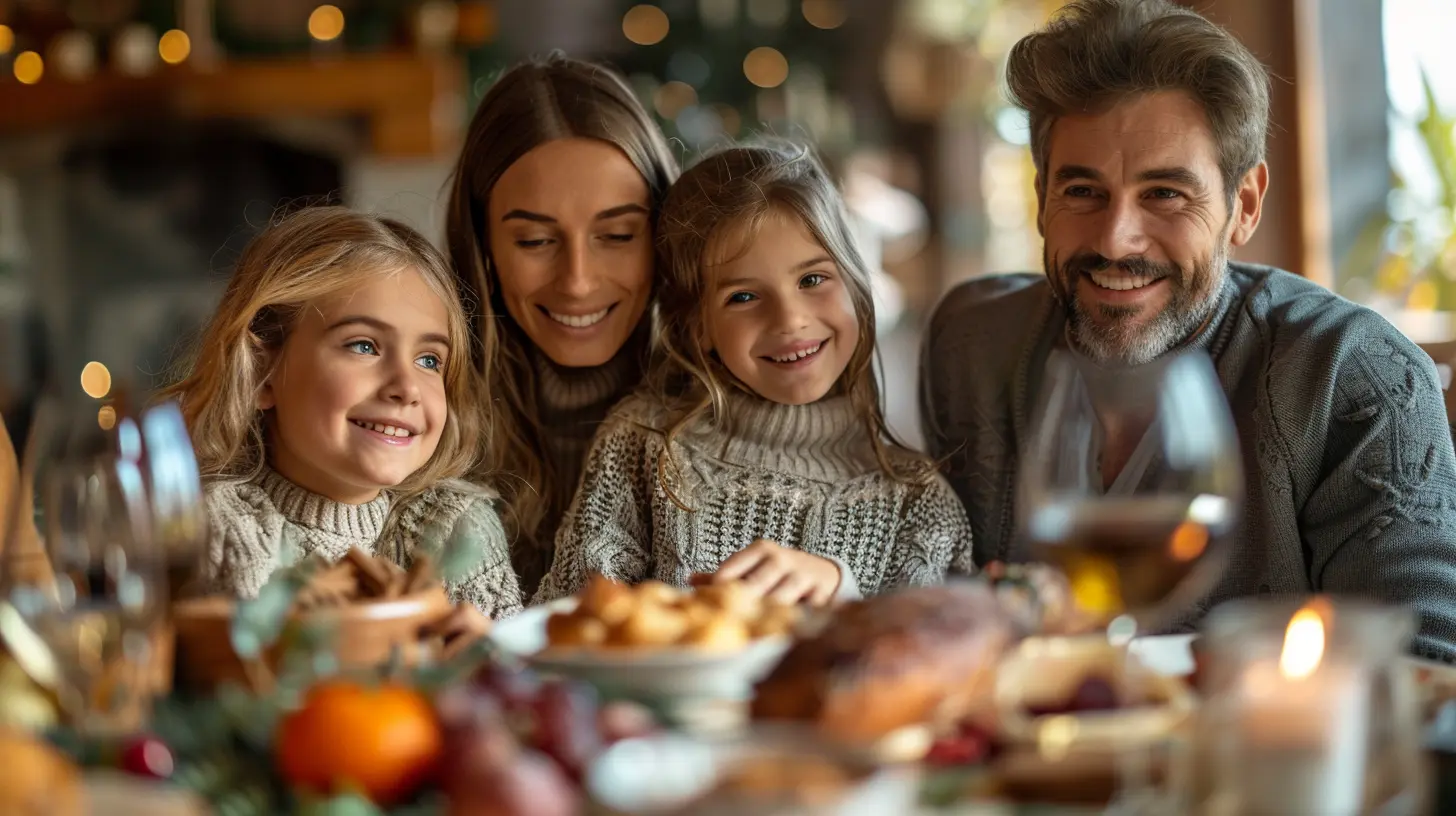
How Traditions Help Build That Sense of Belonging
1. They Give Families a Shared Identity
Imagine a family that always goes camping the first weekend of June. It’s their "thing." Over time, that tradition becomes part of who they are, part of their story.Traditions act like a badge we all wear together. They remind us, “We’re the kind of family who does this.” It’s like having an inside club—exclusive, special, and deeply personal.
This shared identity reinforces belonging. Everyone—kids, teens, parents, even extended relatives—feels like they’re in it together.
2. They Offer Predictability in a Wobbly World
Life throws curveballs. Jobs change. People move. Kids grow up. But traditions? They’re like a lighthouse in the storm.That annual family photo by the fireplace or Sunday pancake breakfast might seem simple, but they ground us. They say, “No matter how crazy life gets, this is home.”
For kids especially, predictability equals safety. Knowing that certain things happen consistently creates emotional security, which fuels a deep sense of belonging.
3. They Reinforce Family Values
Whether your family values honesty, kindness, service, or resilience, traditions subtly reinforce those beliefs.Maybe your family volunteers together every Thanksgiving. That tradition tells your kids: “Helping others matters to us.”
These unspoken lessons stick. They become part of your child’s worldview—and over time, make your family’s values feel like their values too.
4. They Make Space for Quality Time
Let’s be honest—between soccer practice, math homework, and dinner prep, quality time can feel nearly impossible. Traditions force us to press pause.When you're carving pumpkins as a family or playing charades on New Year’s Eve, you're not just making memories. You're making space for laughter, eye contact, and real connection.
These shared experiences weave an emotional tapestry that says, “You matter to us. You belong here.”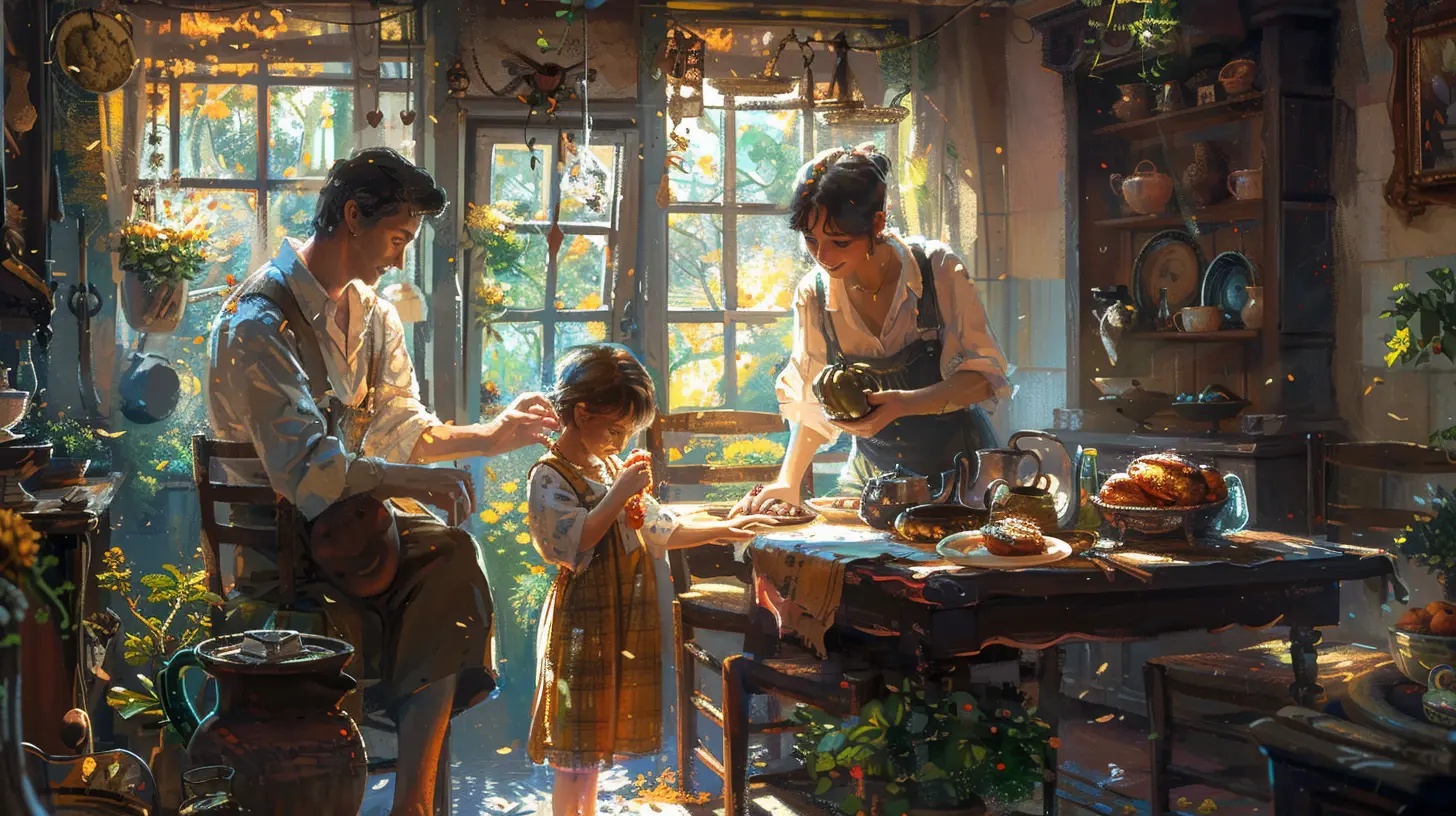
How Traditions Evolve Over Time (And Why That’s OK)
Now, let’s address the elephant in the room—life changes. Kids grow up, family members move away, life circumstances shift. So what happens when your cherished traditions no longer “fit”?That’s totally normal. In fact, evolving your traditions is part of the journey.
When toddlers become teens, maybe cookie decorating turns into a family bake-off competition. When grandparents pass on, maybe someone new becomes the host for Thanksgiving dinner.
The key? Keep the spirit alive. The form of the tradition may change, but the intention—togetherness, connection, belonging—remains.
Including Everyone: Blending Traditions in Modern Families
Families today look different than they did a generation ago. Blended families, multicultural families, and LGBTQ+ families all bring unique dynamics—and that’s a beautiful thing.Blending traditions from different backgrounds can actually deepen the sense of belonging. Why? Because it validates everyone’s identity and shows that each person’s roots are honored.
For example:
- In a multicultural home, you might celebrate both Diwali and Christmas.
- In a blended family, you might create a brand-new tradition to give the newly combined family its own identity.
Inclusion is powerful. When everyone has a seat at the table—not just physically, but emotionally—they’re much more likely to feel like they belong.
How to Start (or Reinvent) Your Own Family Traditions
Okay, so maybe your family doesn’t really have many traditions right now. No shame in that. It’s never too late to start weaving them into your family story.Here’s how to kick things off:
1. Start Small and Simple
Don’t overthink it. Pick something meaningful but low-effort. Maybe a Saturday morning walk, hot cocoa after school on snowy days, or taco Tuesdays.2. Involve Everyone
Ask your kids (yes, even the moody teenagers) what they’d love as a family tradition. When they help shape it, they’re more invested.3. Be Consistent
A tradition isn’t one-and-done. The magic comes from doing it again and again. So choose something you can realistically stick to.4. Be Flexible
Life happens. If you miss a week or need to adjust, no biggie. Traditions should be joyful—not a source of guilt or pressure.Real Families, Real Traditions: Stories That Inspire
Let’s peek into the living rooms of real families who’ve made traditions a key part of their lives:- The Johnsons host a yearly “Family Olympics” in their backyard where everyone—kids, cousins, grandparents—competes in silly games. It started small and is now the most looked-forward-to event of the year.
- The Lius, a multicultural family, blend Chinese and American traditions during Lunar New Year and Christmas. Their kids get the best of both worlds and a strong sense of cultural pride.
- The Rodriguezes started reading a “gratitude jar” every Thanksgiving. All year, family members write down things they’re thankful for and read them aloud while passing the mashed potatoes. It’s now the heartbeat of their holiday.
These families aren’t perfect (and let’s face it, whose is?), but they’ve found powerful ways to stay connected. And guess what? You can too.
Teaching Kids to Value Traditions
Let’s not assume our kids automatically “get it” when it comes to traditions. We have to help them understand why these rituals matter.Talk to them. Say things like:
- “We do this every year because it reminds us how lucky we are to have each other.”
- “This is something my parents did with me, and I love sharing it with you.”
When kids understand why traditions exist, they're more likely to appreciate and carry them forward.
The Lasting Impact of Traditions
Here’s the thing—long after the lights are packed away, and the leftovers are gone, the feelings stick around. Those warm, fuzzy memories of being together, laughing, sharing, and just being a family—they last a lifetime.Family traditions aren’t just for today. They become the stories your kids tell their kids. They’re the thread that ties generations together.
They say, “You are part of something bigger. You are loved. You belong.”
And in today’s fragmented world, that message might be the most important gift we can give our children.
Final Thoughts
You don’t need to be Martha Stewart or throw Pinterest-worthy parties to create meaningful family traditions. Just show up. Be present. Make the time.Whether simple or grand, silly or serious, traditions speak a love language all their own. They remind each family member: “You are home here. You are seen. You are cherished.”
So, grab a calendar, pour a cup of cocoa, and start planning your next tradition. Your future self—and your family—will thank you.
all images in this post were generated using AI tools
Category:
Family TraditionsAuthor:

Maya Underwood
Discussion
rate this article
1 comments
Mira Romero
Family traditions can create powerful connections, but it's essential to ensure they are inclusive and flexible. Rigid traditions may alienate rather than unite, so adaptability is key to nurturing belonging.
June 28, 2026 at 5:00 PM
Maya Underwood
Absolutely, inclusivity and adaptability are crucial. Traditions should evolve to strengthen connections, ensuring everyone feels valued and included.