The Role of White Noise in Sleep Training Success
17 December 2025
Sleep training… it’s one of those parenting topics that can stir up an avalanche of questions and emotions. No matter where you are on your parenting journey, chances are high you've heard some buzz about using white noise. Some swear by it like it’s magical pixie dust, while others raise their eyebrows in doubt. So, what’s all the fuss about?
Let’s dig in and take a focused yet friendly look at white noise and how it plays a role in sleep training success. Grab a cup of your favorite whatever (coffee, tea… wine? No judgment here), and let’s navigate this together!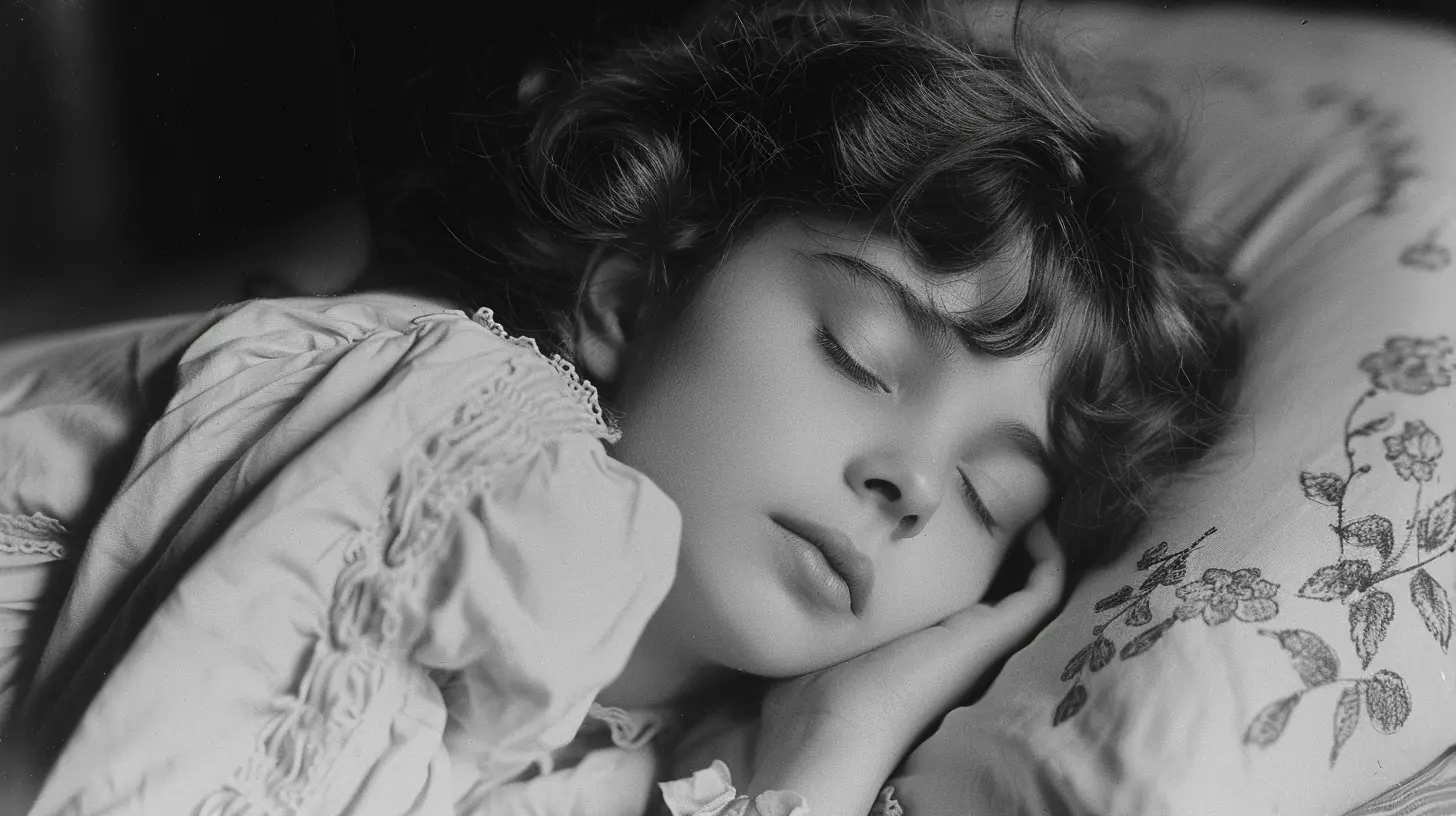
What Exactly Is White Noise?
Alright, before we go any further, let's clear up what white noise actually is. In simple terms, white noise is a consistent sound that includes all audible frequencies played together at equal intensity. Think of it like a sonic rainbow—it masks out all the background distractions, kind of like a sound blanket.Ever noticed how babies fall asleep easily in the car or during a vacuuming session? That’s white noise in action.
Common Examples of White Noise:
- A fan humming- TV static (if you still remember that noise!)
- Rain falling steadily
- Ocean waves
- Soft whirring from an air purifier
But here's the cool part—you don’t have to lug around your vacuum cleaner to get the benefits. There are tons of white noise machines and apps that do the job with way less effort.
Why Do Babies (And Adults) Respond to White Noise?
Let’s throw it back to the womb for a second.Inside the womb, babies spend nine months surrounded by noise—mom’s heartbeat, blood whooshing, digestive gurgles, and the muffled world outside. It's not silent in there; it’s more like a very busy cafe during lunch hour.
White noise mimics that constant, comforting noise and helps replicate the soundscape they were used to. That’s a big reason why it can be so effective—it creates a familiar, soothing environment that signals to your baby: "Hey, it's safe. Time to rest."
Benefits of White Noise for Babies:
- Helps them fall asleep faster- Keeps them asleep longer
- Masks household or outside noise (hello, barking dogs and slamming doors)
- Smooths out the stress of transitioning between sleep cycles

The Science Behind White Noise and Sleep
Now, let’s not just take this on word-of-mouth (pun intended). There’s actual research to back it all up.One small study published in the Archives of Disease in Childhood found that babies exposed to white noise were more likely to fall asleep within five minutes compared to those who weren’t. That’s essentially the baby sleep version of a mic drop.
Another study in adults found that white noise helped reduce the time it took to fall asleep and improved sleep quality. Sure, we’re mainly talking babies here, but sleep patterns and needs aren’t that wildly different—especially when you’re both sleep-deprived.
How White Noise Supports Sleep Training Efforts
So here's where things get even more interesting.Sleep training is all about helping your child develop the skills to fall asleep and stay asleep independently. This can involve techniques like the Ferber method, the chair method, or even gentle fading approaches. No matter which strategy you’re using, white noise can be the MVP in your sleep training toolkit.
Here's How It Helps:
1. Creates a Consistent Sleep Cue
Babies thrive on routines and cues. Turning on white noise each time it’s time to sleep sends a strong, consistent message that “the sleep train has left the station.” Over time, your child will associate that sound with settling down.2. Masks Loud or Sudden Noises
The last thing you want during nap time is for your neighbor’s car alarm or a doorbell ring to ruin the whole thing. White noise acts like a buffer, muffling those background sounds and helping your baby stay asleep.3. Eases the Transition from Co-sleeping
If you’ve been co-sleeping and are trying to transition baby to a crib or their own room, white noise can fill the sensory void. Your baby’s used to your breathing, your heartbeat, your movements. White noise offers some continuity in the form of auditory comfort.4. Reduces Sleep Anxiety
Falling asleep in silence can actually be really uncomfortable for some babies. The presence of soothing white noise can help calm their nervous systems—kind of like a lullaby that never ends.Tips for Using White Noise Effectively
Like with anything parenting-related, there’s a right and wrong-ish way to go about this. Just plugging in a noise machine and calling it a day won’t cut it. Here are some helpful tips to get the most bang for your white-noise buck:1. Choose the Right Sound
Not all white noise is created equal. Some machines offer gentle rainfall, others have ocean waves, and a few have the classic static sound. Trial and error is the name of the game here—see what works best for your baby.Pro Tip: Avoid baby sleep machines with music or lullabies. These often have changes in pitch and rhythm that can be stimulating.
2. Keep the Volume Safe
This is a biggie. The American Academy of Pediatrics recommends keeping white noise machines at least 7 feet away from your baby and maintaining a volume under 50 decibels. That's roughly like a soft shower or rustling leaves—not a rock concert.3. Use It Consistently
Consistency is key. Make it part of your nap and bedtime routine. Turn it on right before sleep and keep it running throughout the nap or night.4. Don’t Make It a Crutch
While white noise is helpful, try not to let it become the only thing that helps your baby sleep. Ideally, it's just one piece of the sleep-puzzle, not the entire picture.Common Concerns Parents Have
Let’s take a second to address a few questions that often pop up in parenting groups, late-night Google searches, and pediatric appointments.“Will my baby become dependent on white noise forever?”
Great question! The truth is, some kids will happily wean off white noise as they get older, others might prefer it for years. And guess what? That’s okay! Adults use fans or apps to sleep better all the time. The goal is healthy, restful sleep, not “white-noise independence.”“Is it safe?”
Absolutely, as long as you follow the safety guidelines—distance it well away from your baby’s crib, keep the volume low, and skip any noise that sounds jarring or mechanical.“Can I take it on the go?”
You betcha! There are portable white noise machines and even apps you can use on your phone. This makes traveling and sleepovers (at grandparents’, for instance) way easier.Real-Life Experiences from Parents
It’s not all research and science. Sometimes, the most convincing testimony comes from fellow sleep-deprived warriors—parents like you and me.> “The first night we tried a white noise machine, I almost cried tears of joy. My son didn’t wake up after 30 minutes like he used to. It felt like a miracle.” — Jenna, mom of 2
> “I thought it was all hype until I started using white noise during naps. Total game-changer. I actually got to drink hot coffee again.” — Marco, dad of 1
When to Stop Using White Noise
There’s no perfect age to stop—it really depends on your child and their sleep patterns. Some parents start to wean it off around age 2 or 3, especially if their toddler is a solid sleeper. Just like swaddling or pacifiers, you’ll know when the time is right.A gradual fade-out can help. Lower the volume a bit each night, or switch to shorter durations until you no longer need it.
Final Thoughts
White noise isn’t a magic wand, but it sure comes close sometimes. When used thoughtfully and safely, it can be a powerful tool in your sleep training toolbox. Whether you’re deep in sleep training territory or still deciding which path to take, white noise offers comfort, consistency, and sleep support for both baby and you.So, go ahead. Give it a whirl. Your future well-rested self might just thank you.
all images in this post were generated using AI tools
Category:
Sleep TrainingAuthor:

Maya Underwood
Discussion
rate this article
2 comments
Eloise Hunter
While white noise can effectively mask disruptive sounds and create a calming sleep environment, parents should be cautious. Over-reliance may hinder a child’s ability to self-soothe. Balancing its use with other techniques is crucial for fostering long-term healthy sleep habits.
January 9, 2026 at 4:22 AM
Maya Underwood
Thank you for highlighting this important point! Balancing white noise with other soothing techniques is indeed essential for promoting healthy sleep habits in children.
Fallon Perez
While white noise can aid sleep training, it’s essential to balance reliance on it with developing healthy sleep associations, ensuring children can self-soothe in varying environments.
December 24, 2025 at 5:24 AM
Maya Underwood
Thank you for your insightful comment! Balancing white noise with healthy sleep habits is indeed crucial for fostering self-soothing skills in children.