The Science Behind Baby Smiles and Their Emotional Growth
21 February 2026
Babies are tiny bundles of joy, lighting up our lives with their infectious giggles and heart-melting smiles. But have you ever wondered what’s really behind those adorable grins? Is your baby just practicing facial muscles, or is there a deeper meaning behind that gummy beam?
The truth is, baby smiles are much more than just a cute expression. They’re a window into your little one’s emotional growth, a sign that their brain is developing, and a way for them to bond with you. So, let’s dive into the science behind baby smiles and what they reveal about your baby’s journey through emotional development. 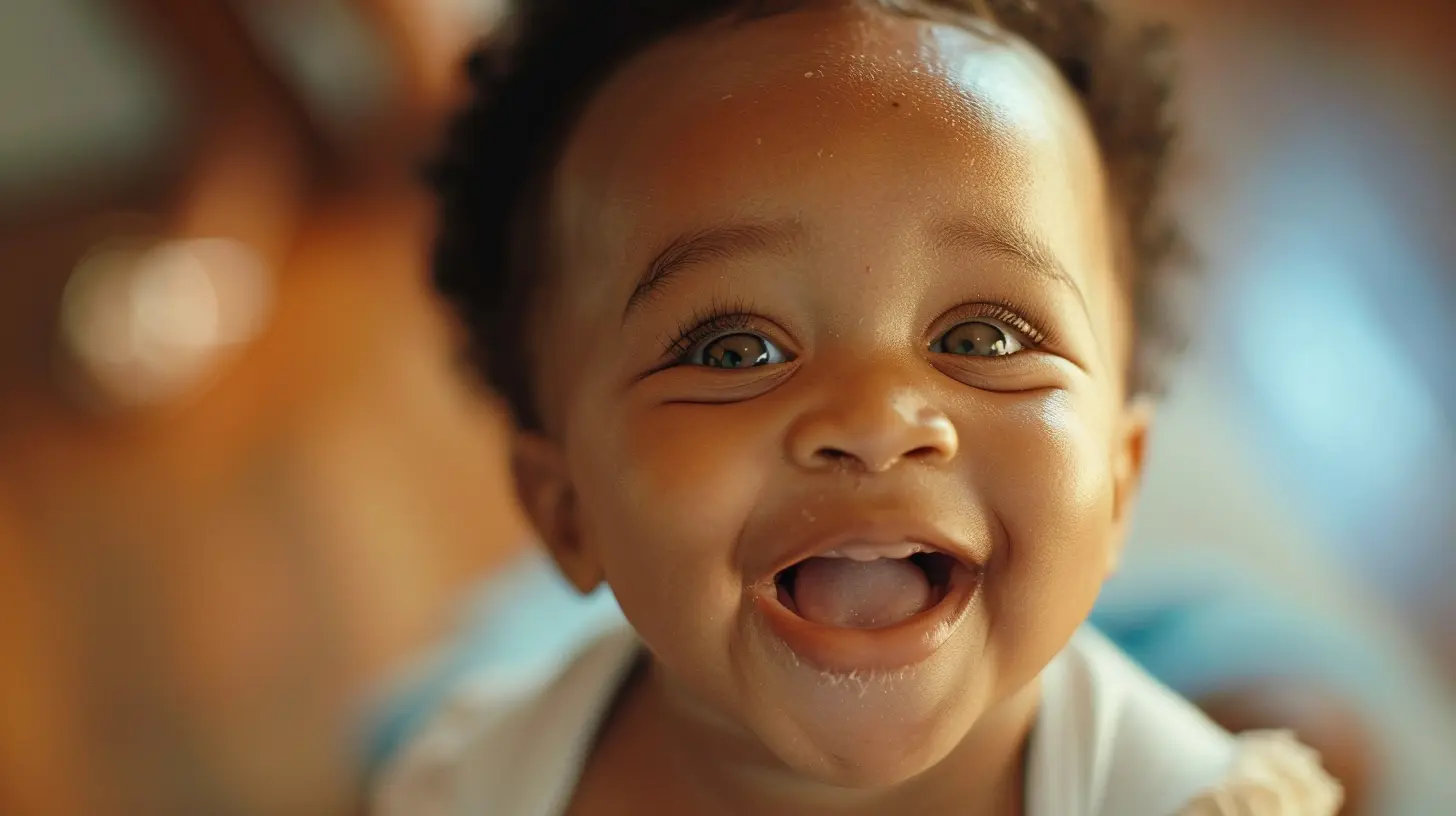
Why Do Babies Smile?
Smiling isn’t just something babies do for fun—it serves an important purpose in their development. Babies are born with the instinct to connect with their caregivers, and smiling is one of their earliest tools for communication.Here’s why those precious smiles matter:
- Social Connection: A baby’s smile strengthens the bond between them and their parents. When your little one grins at you, your brain releases oxytocin (the "love hormone"), deepening your connection.
- Cognitive Development: Early smiles signal that your baby is beginning to recognize familiar faces and respond to their environment.
- Emotional Growth: Smiling is a baby’s way of expressing happiness, comfort, and even trust in their caregivers. 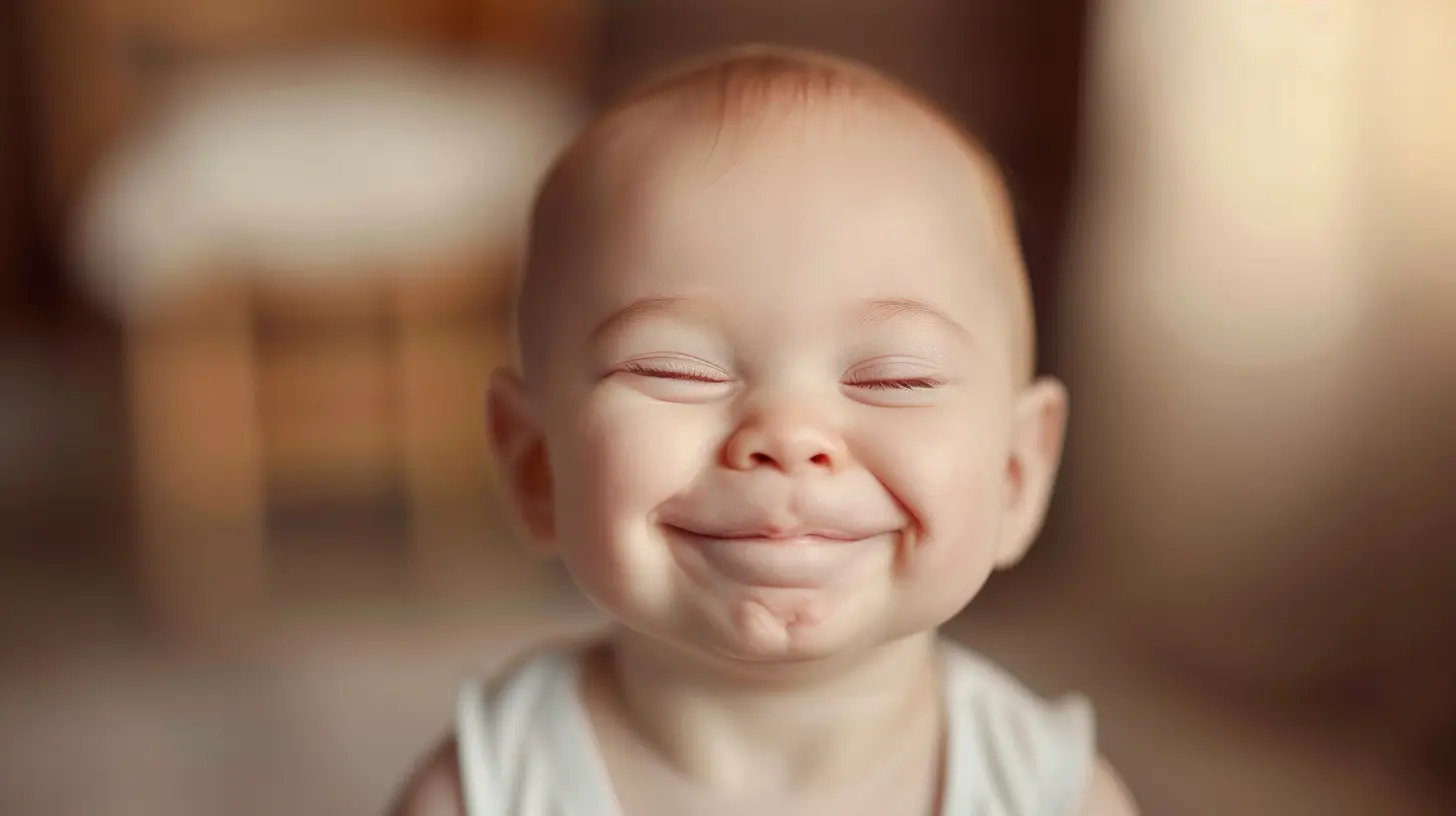
The Different Stages of Baby Smiles
Your baby’s smile isn’t just a one-size-fits-all expression. It evolves as they grow, reflecting their developing emotions and experiences.1. Reflex Smiles (Birth - 6 Weeks)
Ever noticed your newborn grinning in their sleep? That’s a reflex smile! These little smirks happen randomly, often while your baby is dozing. They aren’t tied to emotions yet but are instead an automatic movement, much like sucking or grasping.➡ Why it happens: Reflex smiles are controlled by the brainstem and occur due to involuntary muscle movements, almost like a built-in feature of newborns.
2. Social Smiles (6 - 8 Weeks)
This is the magical moment every parent eagerly waits for—the first real, intentional smile! Around six to eight weeks, babies start smiling in response to seeing familiar faces, particularly their parents.➡ Why it happens: At this stage, babies are beginning to recognize faces and associate them with warmth, comfort, and love. They smile as a way of saying, “Hey, I know you! You make me happy!”
3. Interactive Smiles (3 - 4 Months and Beyond)
By three to four months, your baby’s smiles become more interactive. They’ll start responding to tickles, funny faces, and playful interactions with big, joyful grins.➡ Why it happens: At this point, your little one is learning cause and effect—“If I smile, Mommy and Daddy smile back!” This marks the beginning of active social engagement. 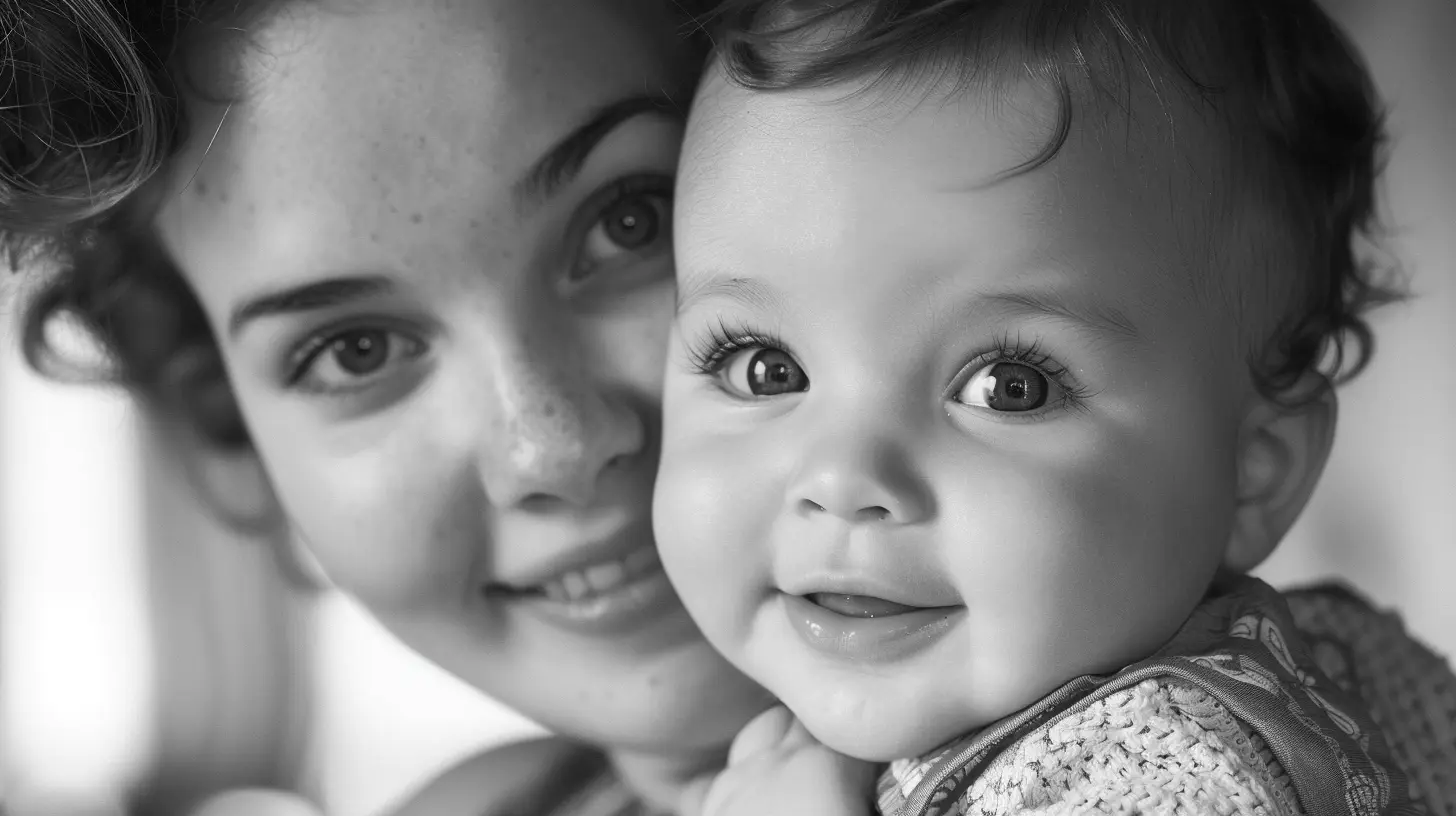
What Happens in a Baby’s Brain When They Smile?
Smiling isn’t just about expressing joy; it actually plays a role in shaping a baby’s brain. Here’s what happens when your baby flashes that adorable grin:1. Release of Feel-Good Chemicals
When your baby smiles, their tiny brain releases endorphins and dopamine, which create feelings of happiness and comfort. This reinforces positive interactions and helps your baby feel secure in their environment.2. Strengthening of Neural Connections
Every time your baby smiles and you respond, their brain is making new neural connections. This back-and-forth interaction strengthens the pathways responsible for emotional regulation and social skills.3. Activation of the Mirror Neuron System
The mirror neuron system helps babies mimic and learn from their caregivers. When you smile back at your baby, their brain starts recognizing social cues, teaching them how to interact with others.
The Role of Smiling in Emotional Development
Smiling is an essential part of a baby’s emotional intelligence. It helps them navigate emotions, build trust, and develop social skills.1. Building Trust and Security
When babies see their parents responding positively to their smiles, they develop a strong sense of safety and attachment. This emotional security is crucial for healthy development.2. Encouraging Social Interaction
Your baby’s first social interactions are based on smiling and eye contact. Over time, they learn that smiling can lead to fun, attention, and connection with others.3. Developing Emotional Regulation
Smiling plays a key role in helping babies manage their emotions. It helps them understand that positive interactions bring comfort, reducing stress and anxiety.How Parents Can Encourage Smiles and Emotional Growth
As a parent, you play a crucial role in nurturing your baby’s smiles and emotional well-being. Here are some simple ways to encourage those sweet grins:1. Make Eye Contact
Babies thrive on eye contact. Looking into your baby’s eyes while smiling helps them understand that they are seen and loved.2. Talk and Sing to Them
Your voice is one of your baby’s favorite sounds. Talking, singing, and using animated expressions can make them feel happy and safe.3. Use Gentle Touch
Cuddling, skin-to-skin contact, and gentle tickles can boost your baby’s sense of security and promote smiles.4. Play Peekaboo
Simple games like peekaboo teach babies about social interaction while making them giggle in delight.5. Mirror Their Expressions
When you copy your baby’s facial expressions and smiles, it encourages them to interact more and strengthens their emotional development.When to Expect Baby Giggles
Smiling is just the beginning—soon, your baby will start giggling, and it's one of the best sounds in the world! Most babies have their first real laughs around 3 to 4 months old. By this time, they start finding humor in funny faces, silly noises, or gentle tickles.Laughter, like smiling, deepens the bond between parent and baby, while also helping in brain development and emotional regulation.
What If My Baby Isn’t Smiling Yet?
Not all babies smile at the exact same time. Some little ones take a little longer to flash that first real grin, and that’s okay. However, if your baby isn’t smiling by 3 months, it’s worth mentioning to your pediatrician.In some cases, delayed smiling could indicate underlying concerns like vision problems, hearing impairment, or developmental delays. But remember, every baby is unique, and some simply take their time!
Final Thoughts
Baby smiles are more than just heartwarming moments—they’re powerful indicators of emotional growth and cognitive development. From reflex grins to full-on social smiles, each stage reflects your baby’s journey in understanding emotions, building trust, and strengthening connections.So the next time your little one flashes that big, beautiful smile, know that it’s more than just cuteness—it’s their way of saying, “I see you, I know you, and I love you.” And honestly, does anything in the world feel better than that?
all images in this post were generated using AI tools
Category:
Infant DevelopmentAuthor:

Maya Underwood
Discussion
rate this article
2 comments
Oren Green
What a wonderful read! Understanding the science behind baby smiles truly highlights their emotional growth. Every smile is a beautiful reminder of the joy and connection we share with our little ones!
March 7, 2026 at 4:56 AM
Maya Underwood
Thank you for your kind words! I'm glad you enjoyed the article and found the connection between baby smiles and emotional growth so inspiring.
Angela Sawyer
Baby smiles truly light up our hearts!
February 21, 2026 at 5:06 PM
Maya Underwood
Absolutely! Baby smiles have a magical way of brightening our mood and strengthening emotional bonds.