The Link Between Physical Activity and Mental Health in Kids
14 February 2026
Let’s face it: kids these days have more energy than an over-caffeinated squirrel. They’re bouncing off walls, climbing furniture, and turning your living room into an obstacle course. But guess what? All that energy isn’t just chaos waiting to happen—it’s a secret superpower for their mental health. Yep, you heard me right, physical activity isn’t just about burning off calories or keeping those pants from fitting too tightly. It’s also the ultimate mood-booster for your little ones.
In fact, there’s a growing body of research proving that when kids move their bodies, their minds benefit in magical ways. But what exactly is the connection between physical activity and mental health? And how do we channel that sweat-dripping, cartwheel-spinning chaos into something productive? Sit tight because we’re about to dive into this discussion, complete with humor, some epic parenting analogies, and actionable tips. 
Why Physical Activity Is Like a Magic Potion for Mental Health
Picture this: your kid is feeling cranky, like they’re stuck in a bad mood loop. They’re whining about homework, complaining about broccoli (again), and they just called their sibling a “poop face.” Now imagine sending them outside to run around, kick a ball, or ride their bike like they’re training for the Tour de France. When they come back, the storm clouds have cleared, and suddenly you don’t feel like Googling "how to sell kids on eBay" anymore.That’s the magic of physical activity. It acts like a reset button for their emotional well-being. Moving their bodies unleashes all those happy brain chemicals like endorphins, dopamine, and serotonin—the same stuff adults chase after a really good workout (or chocolate). Think of it as nature's way of saying, “Hey, being active is good for you, kiddo!” 
The Science-y Stuff: How Exercise Boosts Mental Health
Let’s get nerdy for a second, but don’t worry—I’ll keep it simple. When your kids are physically active:1. Stress Goes Bye-Bye
Exercise helps lower cortisol levels, aka the “stress hormone.” It’s like turning down the volume on that inner alarm bell that keeps them feeling anxious or overwhelmed.
2. Better Mood, Guaranteed
Remember those endorphins I mentioned? They’re like little emotional cheerleaders, hyping your kid up and chasing away bad moods. So, instead of crying about their broken crayon, they might just laugh it off like a mini comedian.
3. Sharper Minds
Physical activity increases blood flow to the brain, making it work better. Think of it like giving their brain a coffee break without the caffeine (because let’s be real, kids on caffeine = disaster). This means improved focus, problem-solving skills, and even better memory retention.
4. Boosted Confidence
Whether your kid scores a goal at soccer practice or finally nails their cartwheel without face-planting, physical activity helps build self-esteem. And let’s not underestimate the power of confidence—it can make them feel like superheroes. 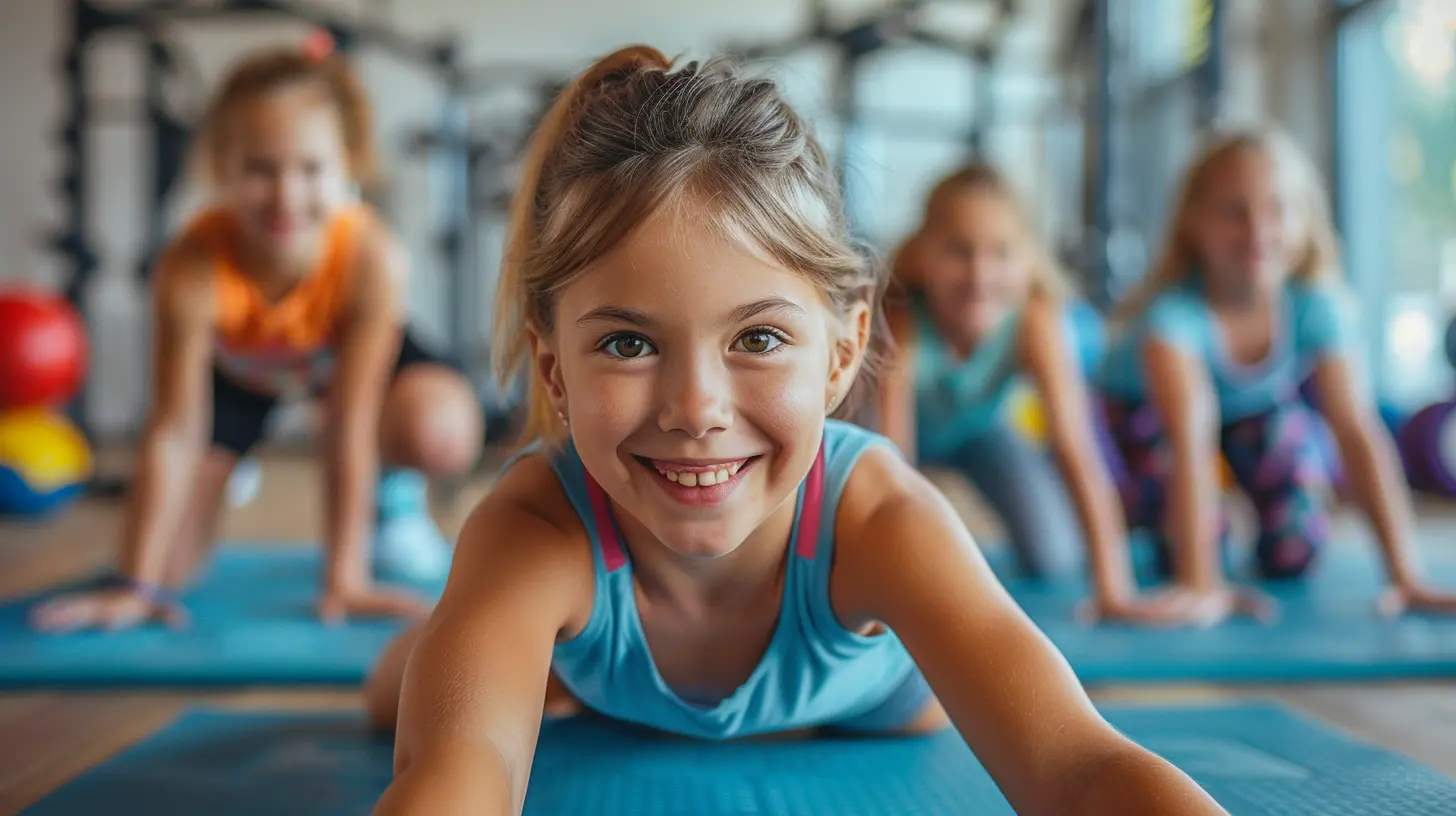
How Much Exercise Do Kids Actually Need?
Great question, because too much of a good thing (like eating an entire cake) can sometimes backfire. The World Health Organization (WHO) recommends that kids aged 6-17 should aim for at least 60 minutes of moderate to vigorous physical activity every day.Now before you panic and think, “There’s no way I can fit that into our already crazy schedule!”—relax. This doesn’t mean you need to sign them up for every sports league within a 30-mile radius. It can be as simple as:
- A game of tag in the backyard.
- A family dance-off to Justin Timberlake songs.
- Riding bikes around the neighborhood, pretending they’re being chased by imaginary dragons. 
Real-Life Benefits: What Parents See (and Love)
So, what will you notice when your kid starts being more active? Here are a few relatable “aha” moments most parents experience:1. Less Screen Time Battles
Ever tried pulling the iPad out of your kid’s hands? It’s like wrestling a raccoon for food. But when they’re busy running around or playing with friends, they’re less likely to obsess over screens. Bonus: less screen time = better sleep and happier moods.
2. Peace and Quiet (Hallelujah!)
A tired kid is a happy kid, and more importantly, a quiet kid. After a solid workout, they’re less likely to argue about bedtime, chores, or whether purple is better than green.
3. Social Skills for the Win
Team sports and group activities teach kids how to communicate, share, and solve conflicts without using the phrase, “I’m never talking to you again!” It’s like a crash course in being a decent human.
Tips to Keep Kids Active (Without Losing Your Mind)
Getting kids moving can feel like herding cats, so here are some tips to make it easier:1. Make It Fun
Kids aren’t going to run laps just because “it’s good for them.” Turn exercise into a game! Think scavenger hunts, water balloon fights, or even impromptu dance battles in the kitchen.2. Be a Role Model
Do your kids ever copy your behavior? If they see you lounging on the couch bingeing Netflix, guess what? They’ll follow suit. But if they see you doing yoga or going for a jog, they might actually want to join you. Monkey see, monkey do.3. Join in the Action
Sometimes the best way to get them moving is to make it a family affair. Go hiking, rollerblading, or even try goofy activities like trampoline parks (yes, you’ll probably fall, but hey, memories!).4. Limit the Competition Pressure
Not every kid is destined to be the next Serena Williams or Lionel Messi. Let them pick activities they enjoy without pressuring them to “win.” Remember, this is about mental health, not Olympic gold.5. Mix It Up
Kids get bored faster than a cat with a dead laser pointer. Keep introducing new activities—one month it’s martial arts, the next it’s swimming. Variety keeps them engaged.Addressing Common Excuses (Ahem, from Kids and Parents Alike)
“But I don’t like sports!”Fair enough, not every kid is a budding athlete. Consider non-traditional activities like skateboarding, gardening, or even geocaching (think: a treasure hunt meets hiking).
“I don’t have time!”
You’re not alone, but remember, physical activity doesn’t have to be a chore. Sneak it into your daily routines—walk to the park instead of driving, or spend 15 minutes after dinner tossing a frisbee.
“It’s too cold/hot/rainy!”
Weather can be a buzzkill, but indoor options like dance videos, yoga apps, or creating an obstacle course in the living room can save the day.
Wrapping It All Up
The link between physical activity and mental health in kids isn’t just a theory; it’s a parenting game-changer. Just a little bit of daily movement can transform your kids into happier, healthier versions of themselves. It’s like giving their brain a spa day and their body a tune-up at the same time.Plus, as a bonus, you might also end up with some much-needed peace and quiet (can I get an amen?). So, whether it’s a run in the park, a silly dance party, or just some backyard shenanigans, get those kiddos moving. Because a happy kid equals a happy parent, and who doesn’t want more of that?
all images in this post were generated using AI tools
Category:
Mental HealthAuthor:

Maya Underwood
Discussion
rate this article
2 comments
Thalwen O'Neal
This article highlights the vital connection between physical activity and mental health in children, emphasizing the role of exercise in boosting mood and reducing anxiety. Encouraging active play not only promotes physical well-being but also fosters emotional resilience, benefiting kids in multiple ways.
February 28, 2026 at 4:49 AM
Maya Underwood
Thank you for your insightful comment! I'm glad you found the connection between physical activity and mental health in children to be important. Promoting active play truly benefits their overall well-being.
Celeste McDowell
Active kids, healthier minds!
February 14, 2026 at 4:15 AM
Maya Underwood
Absolutely! Physical activity plays a crucial role in enhancing kids' mental well-being by boosting mood, reducing anxiety, and improving focus. Active lifestyles foster healthier minds!