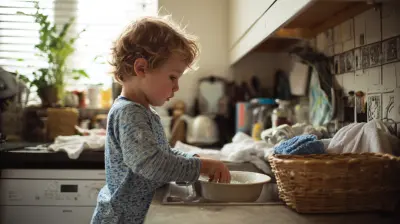
The Importance of Chores in Raising Responsible Adults
28 May 2026
Let’s get real for a moment—parenting isn’t just about wiping noses, packing lunches, and making sure your kid doesn’t jump off the couch pretending to be Spider-Man (again). It’s also about shaping them into decent, capable, and responsible adults. And believe it or not, giving them chores is a massive part of that process.
Yes, we’re talking about dishes, laundry, yard work, and yes—cleaning the toilet. These aren’t just chores; they’re life skills wrapped in responsibility and tied with a bow of personal accountability. If we want to raise confident, competent, and dependable human beings, chores aren’t optional—they’re essential.
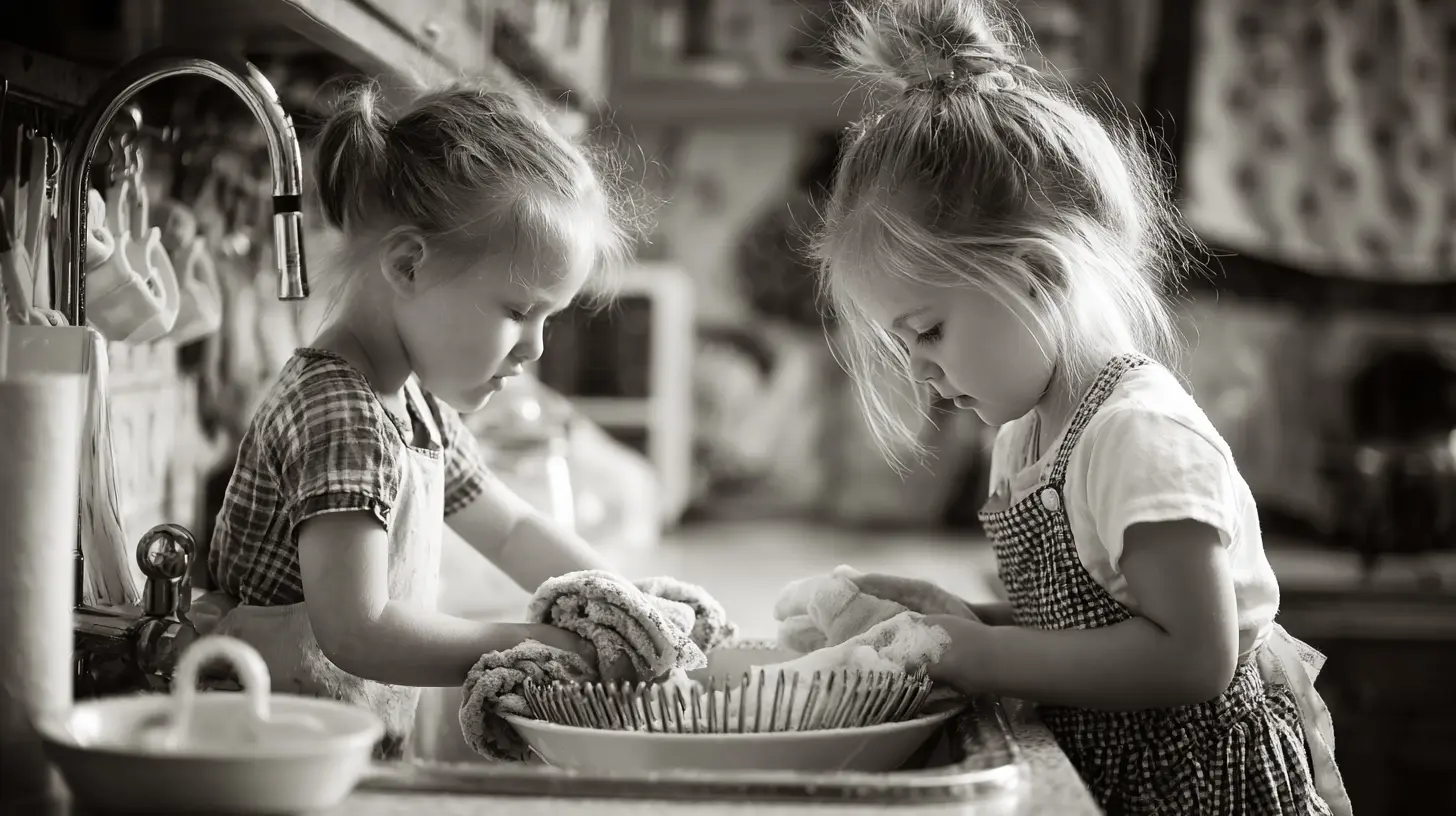
Why Chores Matter—Like, A Lot
1. Chores Teach Responsibility
Let’s cut to the chase—when your child completes a chore, they’re not just doing a task. They’re learning that their actions have consequences. If they forget to feed the dog, their furry friend goes hungry. If they skip laundry day, they’ve got no clean socks. Real talk: responsibility can't be taught through lectures alone. It’s learned by doing.Chores give kids a taste of real-world accountability in a safe, structured way. It’s like a practice run for adulthood, without the scary stuff like taxes… yet.
2. They Build Work Ethic and Grit
You’ve probably heard the phrase "grit" thrown around in parenting circles. It’s that magical blend of perseverance and passion, and guess what? It’s not something kids are born with—it’s something they develop.Assigning regular chores helps build that work ethic muscle. They learn that not everything in life is fun or easy, but some things just have to get done. It’s not always about instant gratification. Sometimes, it’s about sticking with something until it’s finished—even if it’s scrubbing a bathtub that looks like a crime scene.
3. Chores Foster Independence
Don’t we all want our kids to grow up and thrive in the real world? Of course we do. But that won’t magically happen when they turn 18. Independence starts small—like learning to make their own bed or packing their school lunch.Giving kids age-appropriate chores empowers them. They start to realize they’re capable. That confidence spills over into other areas—whether it’s schoolwork, friendships, or trying new things. Independence is like a snowball; chores help roll it down the hill.
4. Chores Help Kids Feel Like Part of a Team
Want your kid to stop acting like the center of the universe? Put them on the family chore chart. When everyone has a role in maintaining the household, it sends a powerful message: “We’re in this together.”Nothing builds a sense of belonging quite like shared responsibility. Kids learn that they’re not just freeloaders in the house—they’re active contributors. That builds pride, community, and a deeper connection to the family unit.
5. They Learn Time Management
Here’s the deal: kids today are busier than ever—school, sports, video games, TikToks, you name it. Tossing a few chores into the mix forces them to start prioritizing their time. If they want screen time, that room better be cleaned. If they want to hang out with friends, the trash better be taken out.This might sound strict, but it’s actually a fantastic way to subtly teach them how to manage their time. And let’s be honest, juggling responsibilities is basically Adulting 101.
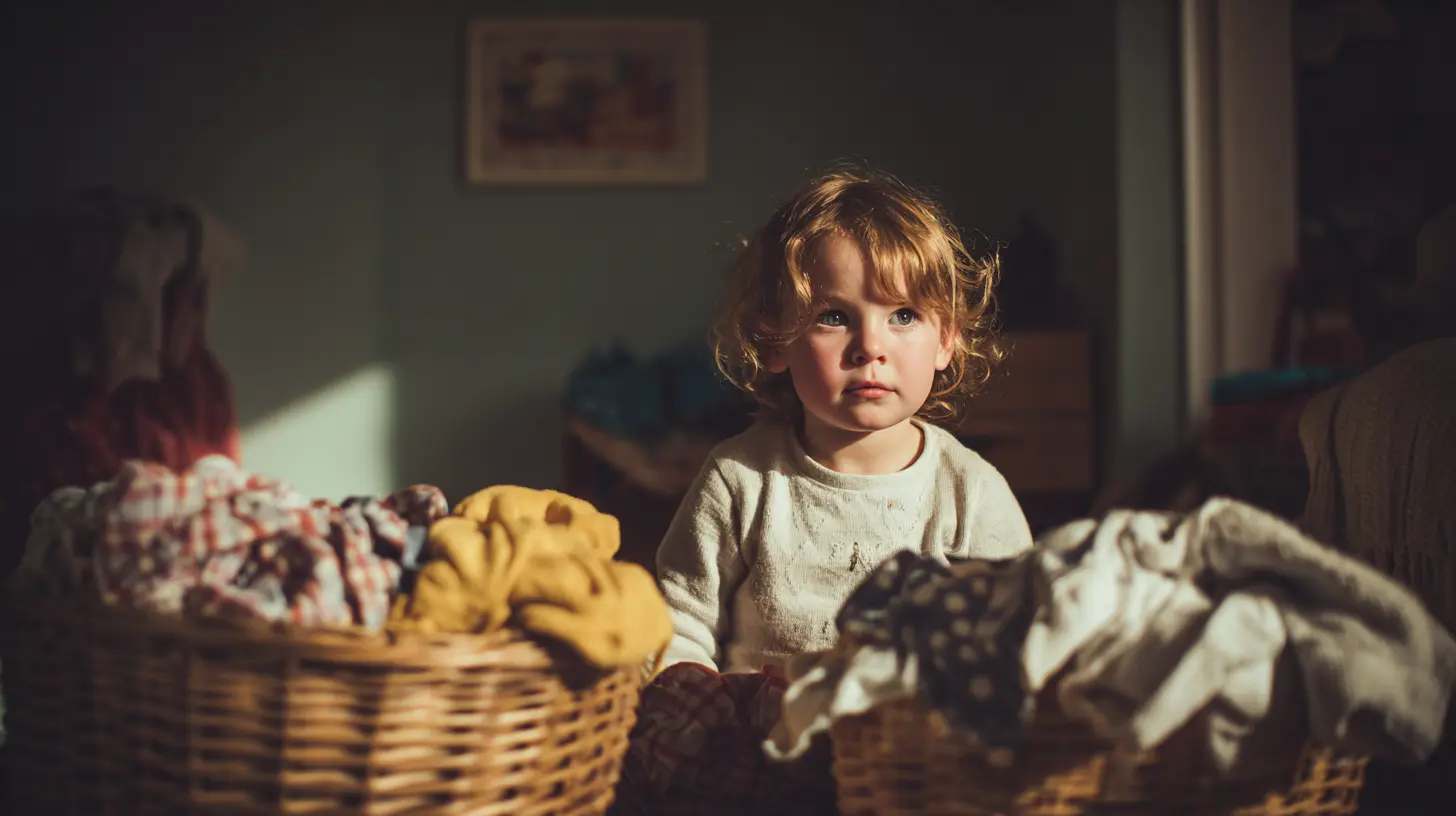
Age-Appropriate Chores (Yes, Even Toddlers Can Help!)
Before you start assigning your 4-year-old to mow the lawn (please don’t), let’s talk about what chores are appropriate for different ages.Toddlers (2–4 Years Old)
- Put toys in bins- Help feed pets
- Wipe up spills
- Carry laundry to the basket
They won’t do it perfectly, and that’s okay. At this stage, it’s all about introducing the concept of helping.
Little Kids (5–7 Years Old)
- Make their bed- Empty small trash cans
- Set the table
- Water plants
- Match socks
They’ll probably still need reminders, but you’re laying down the foundation here.
Big Kids (8–11 Years Old)
- Fold and put away laundry- Wash dishes or load the dishwasher
- Take out the trash
- Sweep or mop
- Make simple meals
Now we’re getting into solid life-skill territory. Help them master these, and they’ll be unstoppable.
Preteens & Teens (12+ Years Old)
- Clean the bathroom- Do their own laundry
- Mow the lawn
- Cook family meals
- Grocery shop with a list
These are the real-deal responsibilities they’ll need when they’re living on their own. Best to start now when you’re still around to guide them.

The Secret Sauce: Consistency and Follow-Through
Let’s be honest—getting kids to do chores can feel like herding cats. One day they're on it, and the next they act like they've never heard the word "vacuum." But here’s the kicker: consistency is everything.Set clear expectations. Create a chore chart if that works for your family. Use timers, reward systems, or basic routines—whatever keeps things rolling. But make it regular. If it's a once-in-a-blue-moon thing, your kids will treat it like a novelty.
And don’t forget follow-through. If you say dishes need to be done before screens, you’ve got to stick to it. Kids are masters at sniffing out empty threats.
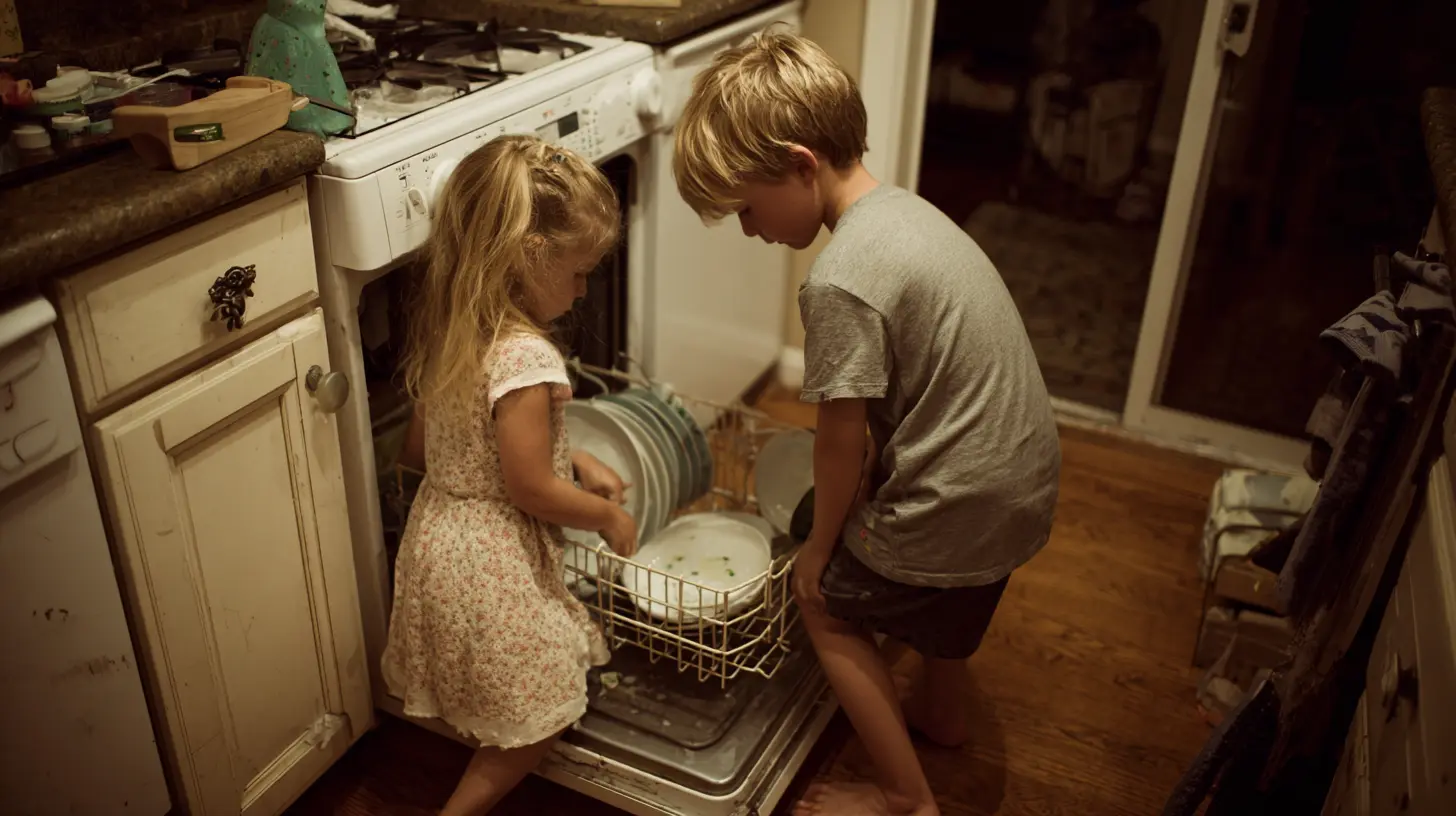
Should You Pay Kids for Chores?
This question sparks debates hotter than a PTA meeting during election season. Some parents swear by allowance for chores—it teaches money management. Others say chores are just part of being in a family.Here’s a balanced take: Mix it up.
Have “must-do” chores that are non-negotiable and unpaid—like making their bed or cleaning their room. Then offer optional, paid chores that go above and beyond, like washing the car or organizing the garage.
This way, you teach both responsibility and financial literacy. Win-win.
What to Do When Kids Push Back
Spoiler alert: they will. Kids aren’t exactly lining up to scrub toilets. But resistance is part of the process.- Stay calm. Don’t turn it into a power battle.
- Explain the “why.” Let them know chores aren’t punishment—they’re preparation.
- Offer choices. Let them pick between two tasks so they feel some control.
- Use natural consequences. Didn’t do laundry? Guess who’s wearing their backup socks.
Remember: you’re not raising children. You’re raising future adults. Keep your eyes on the long game.
The Long-Term Payoff of Chores
So, what’s the big picture here?Kids who consistently do chores are more likely to:
- Have stronger work ethics
- Be more self-reliant
- Adapt better in college and the workforce
- Contribute more in relationships
Think of chores as the training wheels for adult life. They teach discipline, independence, patience, and resilience—the traits we all want to see in our kids when they leave the nest.
Final Thoughts: It’s Not About the Chore
Here’s the truth bomb: it’s not about folding towels or taking out the trash. It’s about raising humans who know how to show up, make an effort, and pull their weight.And yeah, it might take longer to teach your 6-year-old how to sweep than to just do it yourself. But this isn’t about speed—it’s about investment.
So next time your kid groans about vacuuming, just smile and remember—you’re not assigning chores. You’re building character.
And that’s pretty darn powerful.
all images in this post were generated using AI tools
Category:
Kids And ChoresAuthor:

Maya Underwood
Discussion
rate this article
1 comments
Grey Reese
Teaching kids chores fosters responsibility and independence, shaping them into capable adults.
June 1, 2026 at 2:48 AM
Maya Underwood
Absolutely, teaching kids chores not only builds responsibility but also prepares them for adult life. It's a valuable skill set they will carry into their futures.