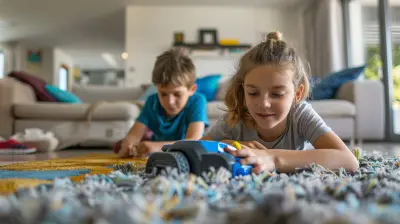
Teaching Kids About Responsibility Through Home Activities
7 December 2025
Let’s face it — teaching kids about responsibility might not sound like a walk in the park. In fact, it often feels more like trying to herd cats through a thunderstorm. But don’t fret! It’s absolutely possible to show your little tornadoes (I mean… darlings) what responsibility looks like — and you don’t even have to leave the house to do it.
Yep, we’re talking about home activities — your secret weapon in the parenting arsenal. So grab a cup of coffee (or a stress ball), and let’s dive into how everyday tasks can turn into lifelong lessons.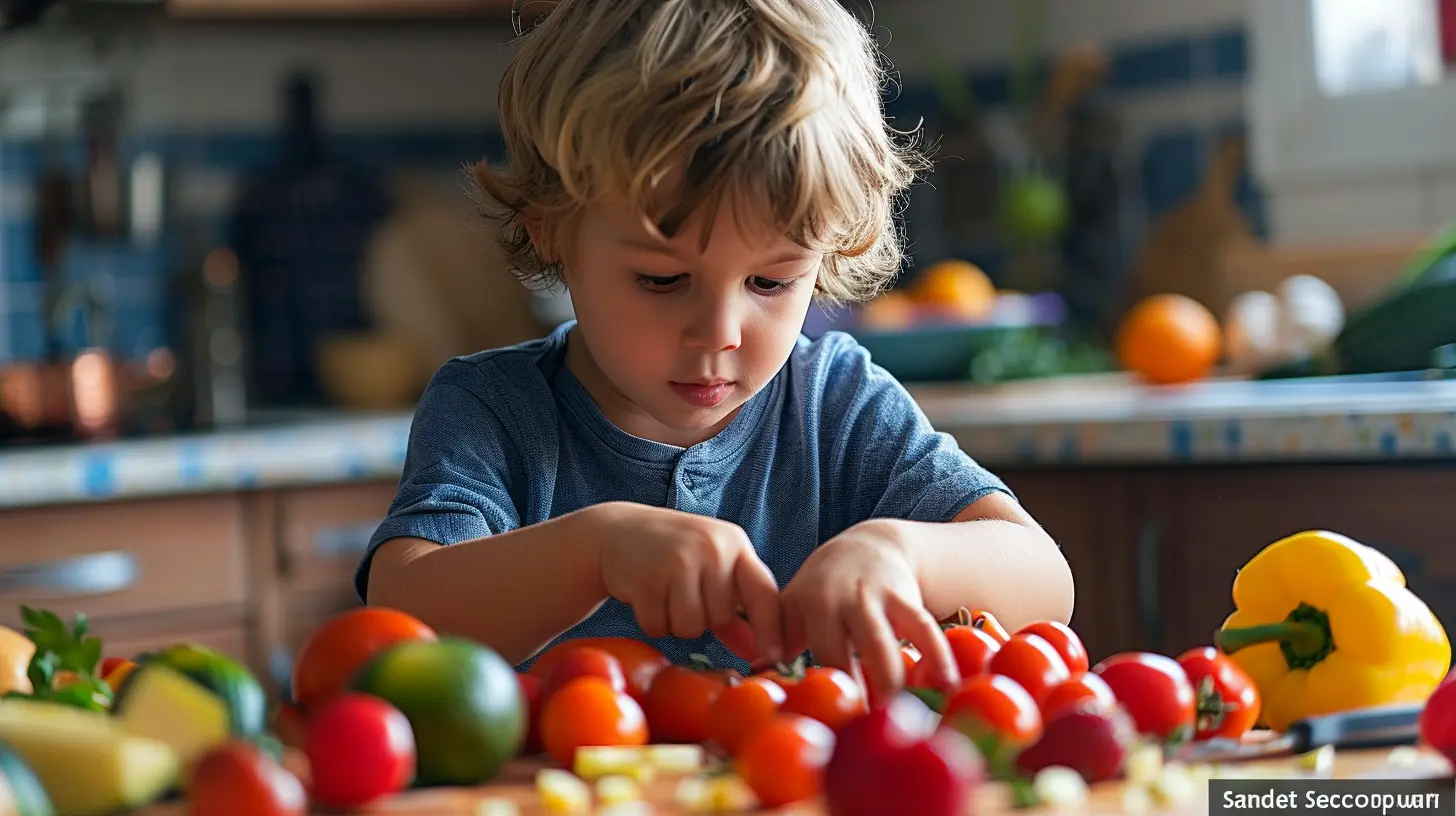
What Even Is Responsibility?
Before we start sticking post-it notes all over the house, let’s break this down. Responsibility isn’t just about doing chores. It’s about being dependable, owning up to mistakes, and taking initiative without being reminded every two seconds (yes, we’re looking at you, forgotten lunchbox).Teaching responsibility means helping kids understand the why behind actions, not just enforcing the what. The goal? Raising mini humans who grow up into capable, confident adults — ones who can do their own laundry and remember to water the plants (unlike their current adult counterparts… ahem).
Why Start at Home?
Home is where the fridge is, and more importantly, where kids feel most secure. It’s their testing ground. If they mess up while learning responsibility here, it’s safe. And you? You’re their guide — a less-annoying Yoda with snacks and Wi-Fi.The good news? Teaching responsibility at home doesn’t require fancy tools, apps, or parenting degrees. You’ve got everything you need already — from laundry baskets to spaghetti night.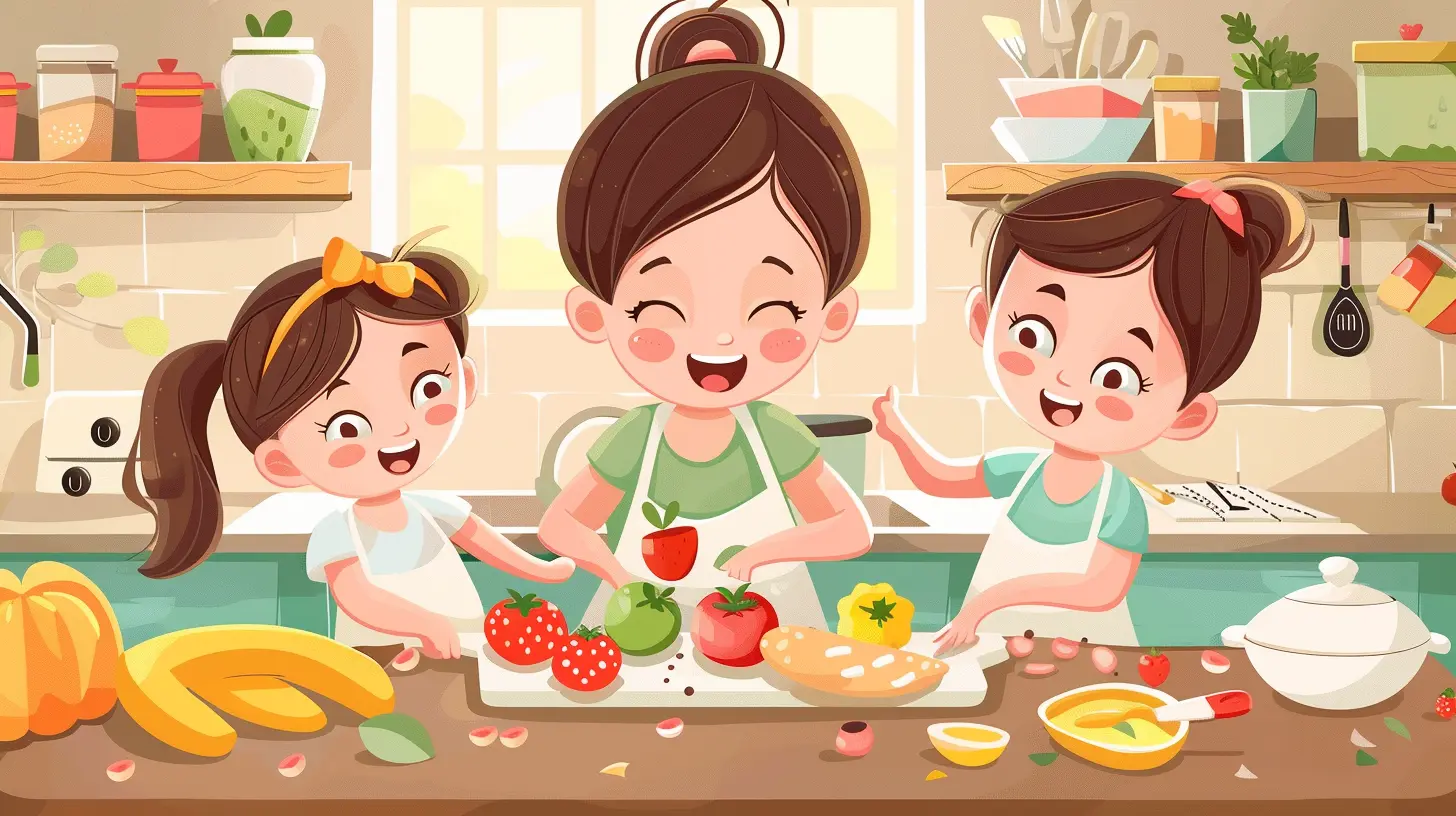
1. Chores: The Gateway Drug to Responsibility
Ah, chores. The dreaded word that sends kids fleeing to the bathroom with suspicious stomach aches. But wait—you can actually make this fun. (No, seriously!)🧹 Make It a Game
Who said tidying up can’t be a competitive sport? Turn cleaning into a race, play "Clean-Up Bingo," or blast a cleaning song playlist (Disney hits or 80s rock — your call). Set a timer and encourage your child to beat the clock while folding towels or putting toys away.Bonus: You’ll get a semi-clean house and a giggling kid. Win-win.
🪣 Age-Appropriate Tasks
Kids as young as 2 can help out — they want to. Toddlers love mimicking adults, so hand them a mini dustpan and boom, you’ve got a bestie for broom duty.Here’s a quick cheat sheet:
- Ages 2–4: Put away toys, help feed pets, dust with socks (yes, it works)
- Ages 5–7: Make their bed, set the table, water plants
- Ages 8–10: Fold laundry, vacuum, take out the trash
- Ages 11+: Wash dishes, help with meals, organize rooms
Of course, start small and build up. Rome wasn’t built in a day, and neither was a responsible tween.
2. Cooking: Whisking Up Life Lessons
If you're brave enough to let your kids in the kitchen, congratulations! You’ve just entered level two of responsibility training.Cooking teaches measurement, patience, hygiene, and time management — all while covered in flour. It's practically a masterclass in adulting.
🥄 Pick a Meal, Any Meal
Start simple. Let your child choose a meal to cook with you (within reason — no candy-only casseroles, please). Assign roles like countertop cleaner, veggie chopper (with supervision), or pasta stirrer. Before they know it, they’ll be saying things like, “Did we preheat the oven?” and you’ll wonder where your little baby went.🍲 Clean-As-You-Go Rule
Responsibility doesn't end when the spatula drops. Teaching the clean-as-you-go rule helps them understand that every action has a consequence (like sticky countertops). It’s cause and effect in real-time — and you don’t end up with a kitchen that looks like a tornado hit a taco truck.3. Money Matters: Piggy Banks and Real Talk
Don’t worry, we’re not turning your five-year-old into a Wall Street shark. But teaching kids about money is one of the best ways to show them what ownership and accountability look like.💰 Set Up an Allowance System
Now, this isn’t about paying them to brush their teeth. Think of an allowance tied to extra tasks — things beyond regular household expectations. Use jars or apps to split money into “Save,” “Spend,” and “Give” categories.This not only teaches responsibility but introduces budgeting, generosity, and self-control (because that third pack of gum? Probably not worth it).
4. Pet Care: Furry Friends, Big Lessons
Have a pet? Great. You've got a built-in responsibility teacher right there, covered in fur or feathers!Feeding pets, brushing them, and walking dogs are daily to-dos that teach consistency, empathy, and time management. Miss a dog walk, and Fido will let you know real quick.
If you don’t have a pet, consider fostering a beta fish. They’re low maintenance but still require attention and routine. Plus, kids love naming them – “Sir Swims-a-Lot” has a nice ring, don’t you think?
5. Gardening: Growing Kids and Tomatoes
There’s something magical about watching your child care for a plant and see it thrive (or at least not die within the week). Gardening is hands-on and super visual — like a real-life progress bar.🌱 Start with a Simple Plant
Get a pot, some soil, easy-going seeds (herbs are clutch), and let them plant their own mini-garden. Assign watering days and have them track growth in a fun journal. This teaches delayed gratification, consistency, and the idea that effort reaps results.Just maybe keep expectations low. Not every seed becomes a sunflower, and that’s okay — mistakes are their own kind of lesson.
6. Making a Family Calendar: Planners in Training
Responsibility and time management go together like peanut butter and jelly. A shared family calendar (on paper or digitally) can help kids feel involved and accountable.📅 Assign Ownership
Let each child pick a color for the calendar and be responsible for tracking their own activities — from soccer practice to spelling tests. It gives them a sense of control, teaches planning skills, and saves you from playing the human reminder app.You can even have Sunday "calendar jams" — a quick 10-minute review of the week while munching on cookies. Now that’s planning with a cherry on top.
7. Care for Siblings or Younger Cousins
If your child has a younger sibling (or cousin, or even a teddy bear “baby”), giving them supervised opportunities to help can be huge.Whether it’s helping with homework, reading a story, or just making sure “baby bear” gets his nap, it gives your kid a glimpse into what it means to be dependable and caring.
And hey — you might even get a solid ten minutes to sip your coffee hot for once.
8. Responsibility Through Routine
Let’s not underestimate the power of routine. Morning and bedtime routines are mini blueprints for structure and self-discipline. Let them be involved in creating theirs. Visual charts work wonders — especially for the younger crowd.A checklist might read:
- Brush Teeth ✅
- Put Dirty Clothes in Hamper ✅
- Pack Backpack ✅
- Feel Like a Boss ✅
Keeping it consistent trains the brain to take initiative. Eventually, they’ll stop needing prompts (and you can retire from your gig as Family Nag #1).
9. Mistakes Happen – Let Them
This part is crucial. Kids will mess up. They’ll forget to feed the fish, spill orange juice on the freshly folded laundry, or accidentally vacuum up a Lego (RIP).But that’s part of the lesson. Responsibility isn’t just about getting it right — it’s about owning the oops moments, making them right, and moving on.
Let them experience natural consequences when it's safe. Forgot your lunch? Guess who's feeling hangry at recess. Missed a deadline? That’s a conversation with the teacher. These moments build resilience — one facepalm at a time.
10. Praise the Effort, Not Just the Result
Ever notice how kids light up when they feel genuinely appreciated? Praise goes a long way — especially when it’s focused on the effort rather than perfection.Instead of “Good job for getting an A,” try “I’m really proud of the way you studied every night.” This reinforces a growth mindset and helps them associate responsibility with personal pride, not just rewards.
Final Thoughts: You’ve Got This (And So Do They)
Teaching kids about responsibility doesn’t require a major overhaul of your life. It’s about weaving small, meaningful tasks into your daily rhythm and letting your kids take the wheel (figuratively — they’re still terrible drivers).Responsibility isn't a switch you flip — it's a light you nurture. And guess what? Even the biggest meltdowns today can grow into confident, capable humans tomorrow. With a few spilled Cheerios and half-folded towels along the way, of course.
And if nothing else, think of all the tasks they’ll be able to take over someday. One less dish in the sink? That’s the dream.
all images in this post were generated using AI tools
Category:
Stay At Home MomsAuthor:

Maya Underwood
Discussion
rate this article
2 comments
Makayla McInnes
Love this approach! Teaching kids responsibility through hands-on activities at home not only builds essential life skills but also strengthens family bonds. Great tips and ideas shared!
December 9, 2025 at 4:11 PM
Maya Underwood
Thank you! I'm glad you found the tips valuable. Teaching responsibility through hands-on activities truly enhances both life skills and family connections.
Nicole Allen
Great tips for raising responsible kids!
December 7, 2025 at 3:29 AM
Maya Underwood
Thank you! I'm glad you found the tips helpful!