Fostering Independence in Kids Through Household Responsibilities
9 April 2026
As parents, we all want to raise independent, responsible kids who can confidently navigate the world. But let's be real—teaching independence isn't always a walk in the park. It can be tempting (and often quicker) to do things ourselves rather than asking our kids to help.
However, instilling a sense of responsibility early on is one of the greatest gifts we can give our children. And guess what? Household chores are an incredible way to do just that! By involving kids in daily tasks, we're not just lightening our own load—we're teaching them life skills, responsibility, and confidence along the way.
So, how do we encourage our little ones to step up and take on age-appropriate responsibilities without turning it into a daily battle? Let’s dive into some practical and compassionate ways to foster independence in kids through household duties.
Why Household Responsibilities Matter for Kids
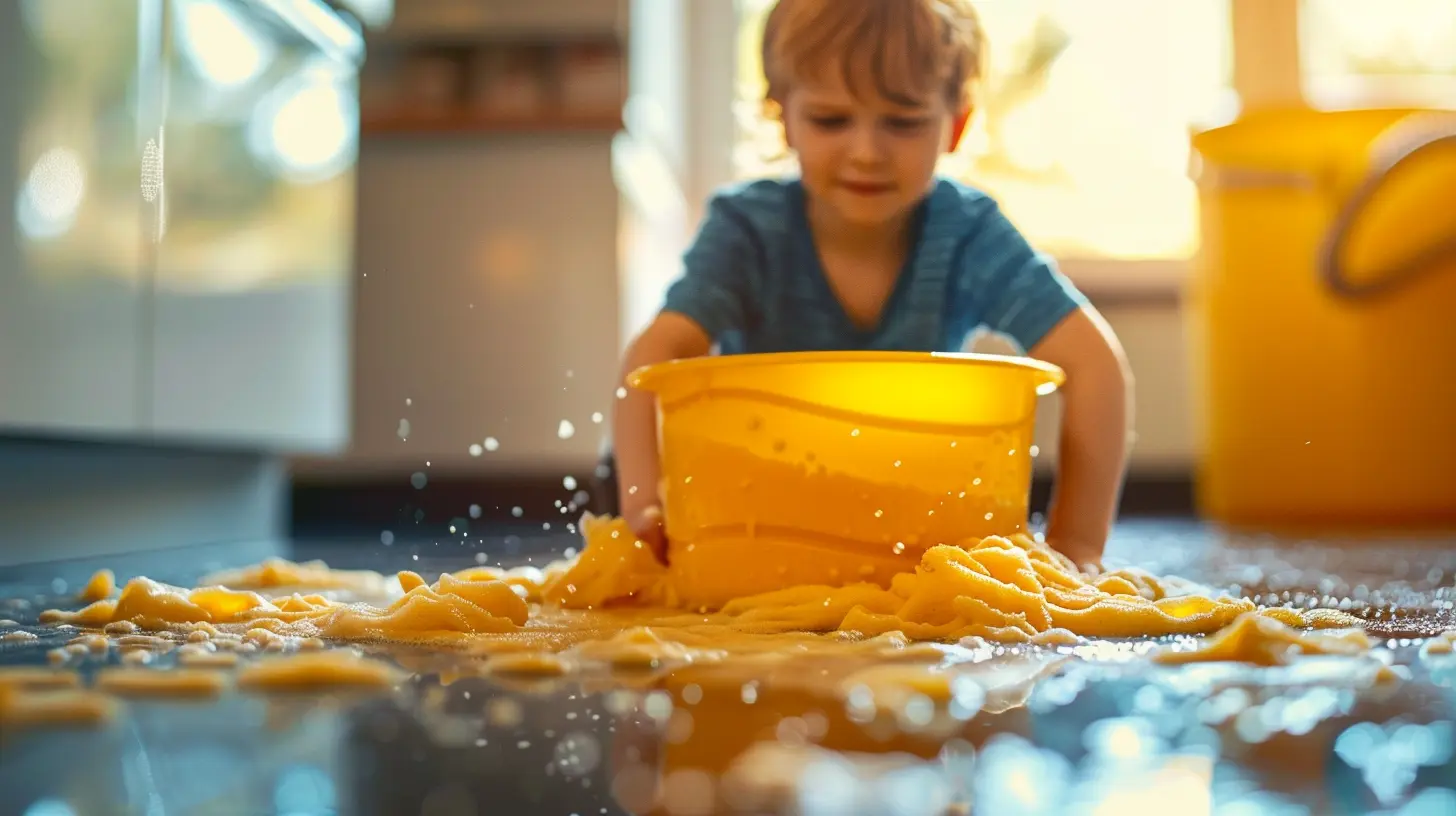
Chores often get a bad rap as something "boring" or "unnecessary" for young kids, but they’re actually a fundamental part of their development. Here’s why:- They build confidence – When kids successfully complete tasks, they feel capable. That "I did it!" moment fuels their self-esteem.
- They teach life skills – Cleaning, organizing, cooking—these are all skills they’ll need as adults. The earlier they learn, the better.
- They encourage teamwork – When everyone in the family has a role, kids understand the value of working together.
- They develop responsibility – When kids learn to take care of their space, they become more mindful of their surroundings.
- They foster problem-solving skills – Figuring out how to fold a shirt or load a dishwasher teaches kids to think critically and adapt to new tasks.
Kids don’t always realize it, but contributing to the household gives them a sense of purpose and belonging. The key is making it age-appropriate and (dare I say it?) even fun!
Age-Appropriate Chores for Kids
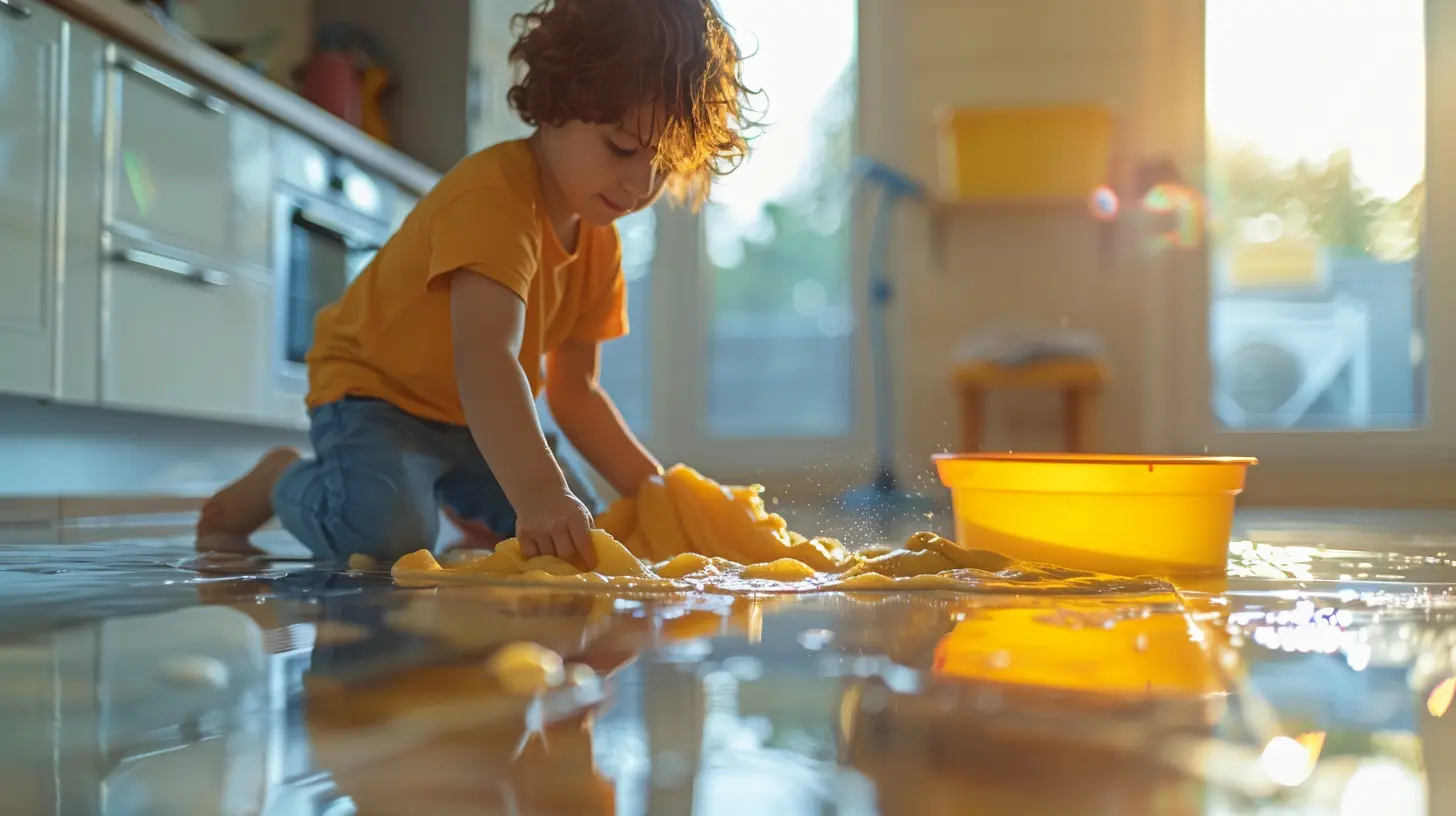
Before you hand your toddler a mop and expect miracles, let’s talk about what’s realistic for different age groups.Toddlers (Ages 2-3): Introducing the Basics
At this stage, it's all about keeping it super simple. The goal is to make chores feel like a game rather than work.- Putting toys back in the toy box
- Wiping small spills with a towel
- Handing you items while you fold laundry
- Throwing trash into the bin
- Placing their cup or plate on the table
💡 Pro Tip: Sing a clean-up song while tidying up—it makes it so much more engaging!
Preschoolers (Ages 4-5): Building Responsibility
Preschoolers love feeling like "big kids," so give them jobs that allow them to be helpful.- Making their bed (not perfect, just an attempt!)
- Setting the table for meals
- Watering plants
- Feeding pets
- Sorting laundry by color
💡 Pro Tip: Use a reward chart with stickers to make chores feel like a fun challenge rather than a duty.
Elementary Kids (Ages 6-9): Strengthening Skills
At this age, kids can take on more structured tasks with clear instructions.- Sweeping floors
- Emptying small trash cans
- Helping with meal prep (washing veggies, stirring ingredients)
- Folding laundry
- Putting groceries away
💡 Pro Tip: Let them choose their tasks for the week—it gives them a sense of ownership.
Preteens (Ages 10-12): Gaining Independence
Preteens are capable of handling more complex responsibilities that require consistency.- Washing dishes or loading/unloading the dishwasher
- Taking out the trash
- Vacuuming rooms
- Preparing simple meals
- Cleaning the bathroom sink and mirror
💡 Pro Tip: Give them more autonomy by allowing them to decide when to complete their tasks within a given timeframe.
Teenagers (Ages 13+): Preparing for the Real World
Teenagers should be doing almost everything they’ll need to do when they move out.- Doing laundry from start to finish
- Mowing the lawn
- Cooking full meals
- Managing their own schedules (with reminders if needed)
- Budgeting allowance for personal expenses
💡 Pro Tip: Let teens handle family meals once a week—it builds independence and confidence in the kitchen.
Making Chores a Positive Experience
We all know how it goes: ask a kid to do a chore, and suddenly, they’re too busy, too tired, or just uninterested. So how do we make chores feel less like punishment and more like an empowering experience?1. Frame Responsibilities as a Privilege, Not a Burden
Instead of saying, “You HAVE to clean your room,” try, “You GET to take care of your space so it feels nice and comfortable for you.”This subtle shift in language can make a big difference in how kids view responsibilities.
2. Make It Fun
Turn chores into a game! Race against the clock, blast some music, or have a "chore swap" where each family member does someone else's task for a day.3. Model the Behavior You Want to See
Kids learn by watching. If they see you complaining about tidying up, they’ll likely do the same. Show enthusiasm and pride in keeping a clean environment.4. Offer Choices
Giving kids options makes them feel in control. Instead of saying, “You have to do this now,” try, “Would you rather set the table or sweep the floor today?”5. Praise Effort, Not Perfection
If we nitpick their work, they’ll lose motivation. Praise their effort and gently guide them toward improvement.6. Create a Routine
Consistency is key. Kids do best when expectations are clear. Make chores part of their daily routine, just like brushing their teeth.7. Express Gratitude
A simple “Thanks for helping out today, that made a big difference!” reinforces that their contributions matter.
Dealing with Resistance
Let’s be honest—no kid wakes up saying, “I can’t wait to do chores today!” So what do you do when your child refuses to help?Stay Calm and Consistent
It’s normal for kids to resist new responsibilities. The key is to stand firm with your expectations while keeping your tone calm and encouraging.Connect Before You Correct
Before jumping in with demands, try connecting first. Acknowledge their feelings:"I know cleaning up isn’t your favorite thing, but let’s get it done quickly so we can do something fun!"
Avoid Bribing with Rewards
While occasional incentives are fine, chores shouldn’t always be tied to money or treats—otherwise, kids might only do them for a reward rather than personal responsibility.Use Natural Consequences
If they don’t clean up their toys, they might not be able to find them later. If they don’t put away their laundry, they run out of clean clothes. Let natural consequences be the teacher sometimes.Final Thoughts
Teaching kids to take on household responsibilities isn’t just about keeping the house tidy—it’s about preparing them for life. When we trust them with tasks, we’re showing them that they are capable, valued, and essential members of the family.So, start small, be patient, and celebrate their efforts. Over time, they'll develop the skills and confidence to handle responsibilities on their own. And trust me, one day, you’ll look back and realize—it was all worth it.
all images in this post were generated using AI tools
Category:
Kids And ChoresAuthor:

Maya Underwood
Discussion
rate this article
2 comments
Danica O'Neal
Who knew that teaching kids to fold laundry could unlock their inner superheroes? Capes may not be included, but independence is definitely on the agenda! 🦸♂️🧺
April 11, 2026 at 3:13 PM
Maya Underwood
Absolutely! Simple tasks like folding laundry can boost kids' confidence and help them feel empowered. It's all about those small wins!
Grayson Mason
Empowering children with age-appropriate tasks fosters independence, responsibility, and essential life skills.
April 10, 2026 at 4:30 AM
Maya Underwood
Absolutely! Giving children age-appropriate tasks not only builds their confidence but also equips them with vital life skills for the future.