The Hidden Benefits of Boredom Over Screens
29 September 2026
Every parent knows the scene. It is a rainy Saturday afternoon, the kids have cycled through every toy in the house, and the phrase "I'm bored" lands in the living room like a small grenade. Within seconds, a tablet appears. A screen glows. Peace returns. Problem solved.
Or is it?
That reflex, reaching for a device the moment boredom shows up, may be quietly robbing children of one of the most valuable mental workouts available to them. Boredom is not a malfunction. It is not a problem that needs to be fixed with a screen. In many cases, it is the raw material that creativity, self-knowledge, and resilience are built from.
This article digs into why boredom matters, what screens actually do to the bored brain, when boredom becomes a real problem, and how parents can navigate the messy middle ground without turning their home into a screen-free fortress.
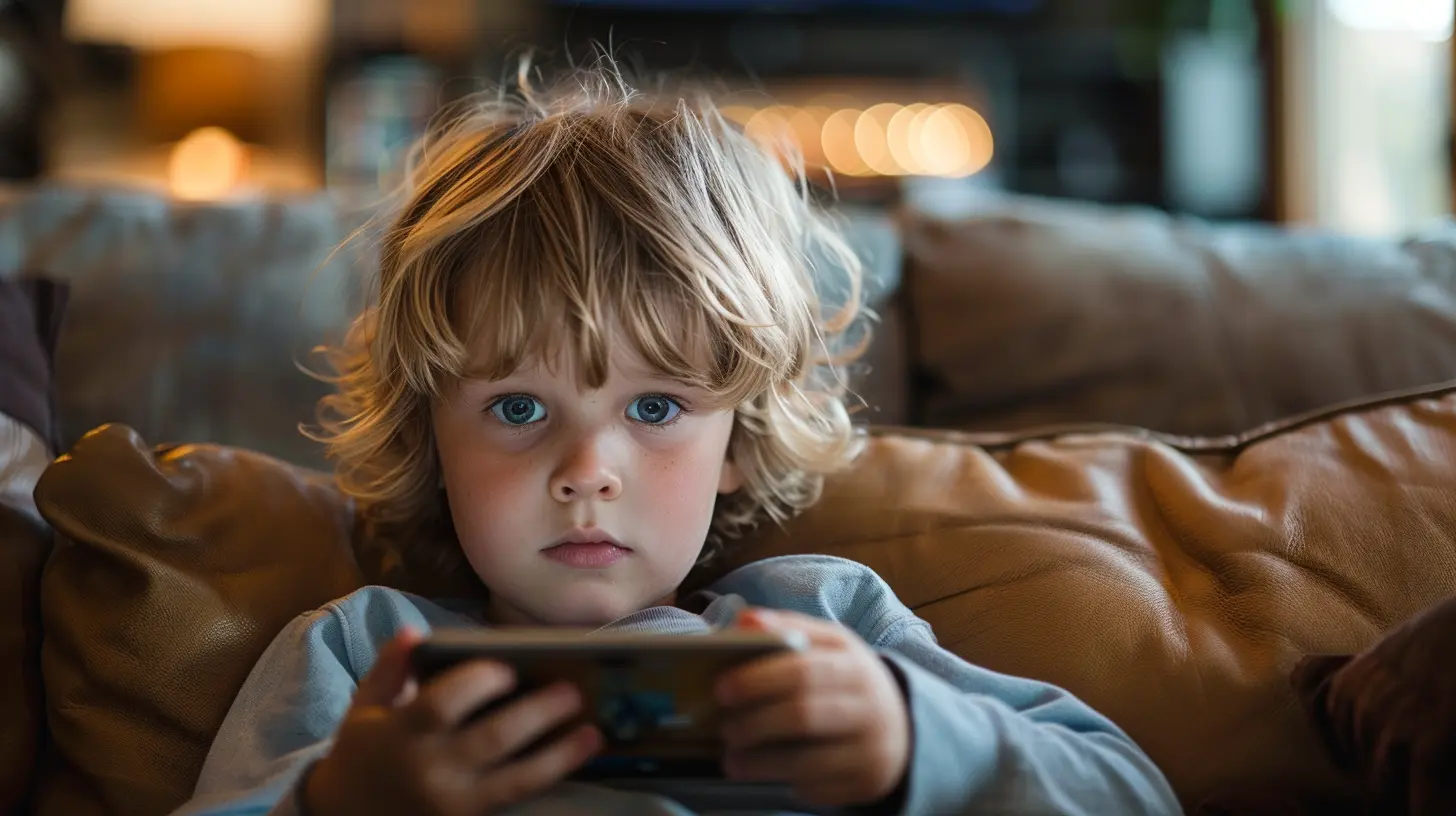
What Boredom Actually Is
Most people treat boredom as an emotional glitch, a sign that something is wrong with the moment or the person stuck in it. Psychologists tend to describe it differently. Boredom is an aversive state that arises when a person wants to be engaged but cannot find a satisfying way to do so. It is a signal, not a verdict.That distinction matters enormously for parents. If boredom is a signal, then the right response is not to silence the signal with a screen. The right response is to help a child figure out what the signal is pointing toward. Sometimes it points toward rest. Sometimes it points toward curiosity. Sometimes it points toward a project that has been sitting in the back of a child's mind for weeks.
Boredom comes in a few flavors, and they are not all equal:
- Restless boredom. The fidgety kind that shows up when a child has energy but no direction. This is the type most likely to produce creative bursts if given a little time.
- Passive boredom. The flat, deflated feeling that comes from too much low-effort stimulation. Ironically, this is often caused by screens in the first place.
- Deep boredom. A chronic, heavier state that can signal underlying issues like loneliness, depression, or a lack of meaningful structure. This type deserves attention, not just tolerance.
Understanding which type your child is experiencing changes everything about how you respond.

The Case Against the Instant Fix
Screens are extraordinarily good at one thing: eliminating the discomfort of boredom within seconds. That is exactly what makes them so seductive and so problematic.When a child reaches for a screen the moment boredom strikes, a few things happen at once. The discomfort disappears. The brain registers relief. And the lesson gets filed away: boredom is unbearable, and the cure is always available.
Over time, that lesson compounds. Children who habitually escape boredom through screens often report that unstructured time feels harder to tolerate, not easier. They lose the muscle for sitting with a slightly uncomfortable feeling and letting it lead somewhere. The tolerance for "nothing to do" shrinks, and the dependency on external stimulation grows.
This is not a moral failing of children. It is basic learning. Whatever gets reinforced gets stronger. If relief is always one tap away, the brain never has to develop other strategies.

Why Boredom Builds the Brain
So what happens when a child is left to stew in boredom for a while, without a screen? A surprising amount.The Default Mode Network Kicks In
Neuroscientists describe a set of brain regions that become active when a person is not focused on a specific external task. This is often called the default mode network. It is associated with daydreaming, autobiographical thinking, imagining the future, and making connections between seemingly unrelated ideas.Boredom is one of the easiest ways to nudge this network into gear. When the outside world stops providing stimulation, the mind turns inward. That inward turn is where a lot of original thinking happens.
You cannot force this process. You can only create the conditions for it, which usually means leaving a child alone with their thoughts for longer than feels comfortable.
Creativity Needs a Vacuum
Ask any writer, artist, or inventor about their best ideas, and a striking number will mention moments of tedium: long drives, shower stalls, waiting rooms, boring afternoons. The common thread is not the activity itself but the absence of one. When the mind has nothing to do, it starts making things up.Children are naturally wired for this. Give a bored kid a cardboard box and enough time, and you will often witness an entire universe being constructed inside it. Remove the box and hand over a tablet, and the universe never gets built.
Self-Regulation Gets Practiced
Sitting with boredom is a form of emotional regulation. It is uncomfortable, but it is survivable. Every time a child tolerates that discomfort and finds their own way through it, they build evidence that they can handle hard feelings without external rescue.That evidence is the foundation of resilience. It is also increasingly rare in childhoods saturated with on-demand entertainment.
Identity Has Room to Form
Screens are excellent at telling children what to care about. Boredom is excellent at letting children figure out what they actually care about. In the quiet space of an unstructured afternoon, a child might pick up a sketchbook, wander outside, reorganize a shelf, or start writing a story. These small choices accumulate into a sense of self.A childhood without boredom is a childhood without much self-discovery.
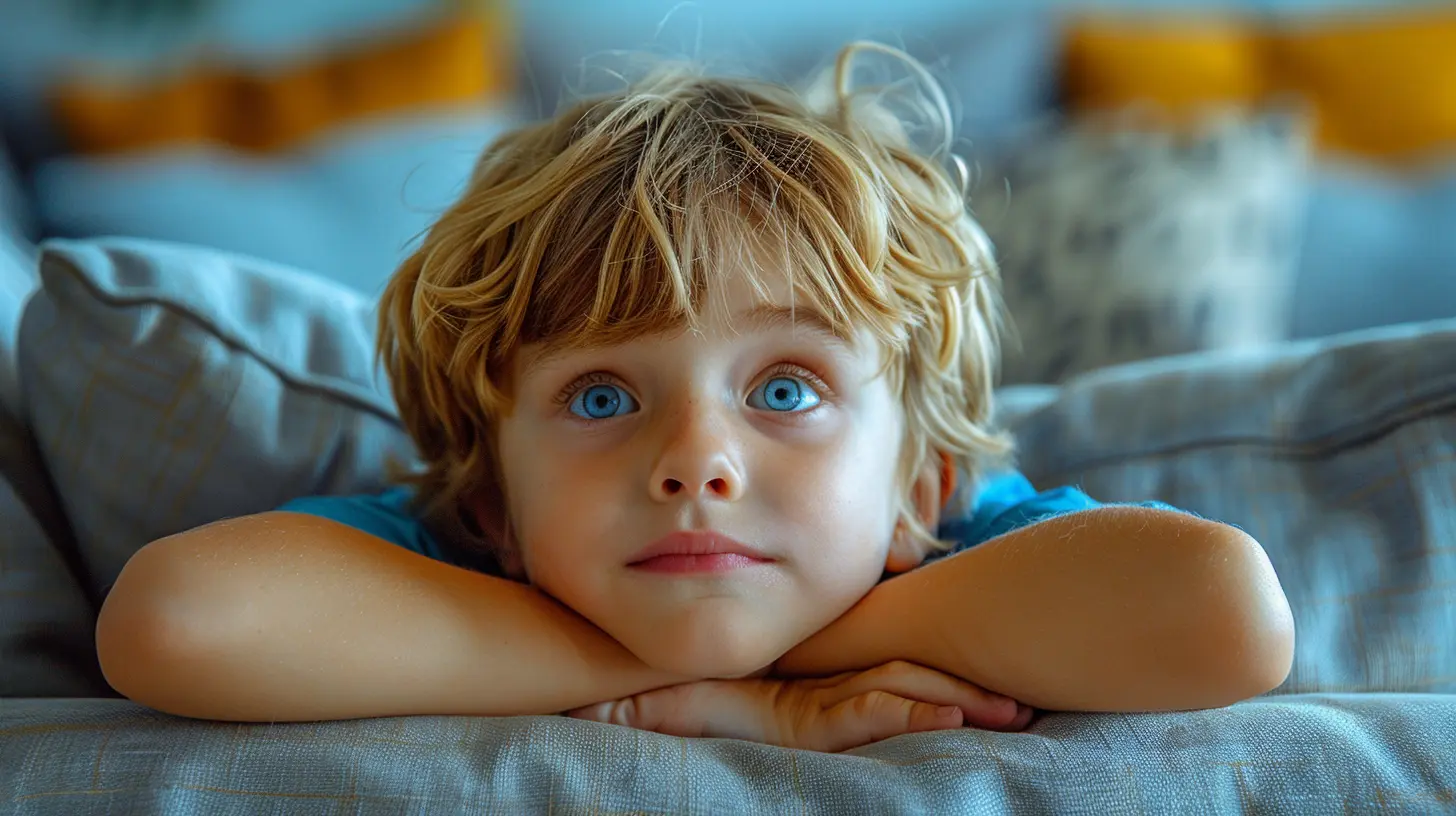
What Screens Do Differently
It is tempting to lump all screen time together, but the picture is more nuanced than "screens bad, boredom good."Different types of screen use have very different effects:
- Passive consumption (autoplay videos, endless scrolling) tends to leave children more bored afterward, not less. The stimulation is high, but the engagement is low.
- Interactive play (building games, creative apps) can genuinely engage a child's mind, though it still replaces the inward turn that boredom provides.
- Social connection (video calls with grandparents, messaging friends) serves real relational needs and is not the enemy here.
The problem is not screens in isolation. The problem is screens as the automatic response to boredom. When a device becomes the default answer to every empty moment, it crowds out the mental states that children need to develop.
The Trade-Offs Parents Should Weigh
This is where honesty matters. Boredom is not free. It comes with real costs, and pretending otherwise sets families up for failure.Boredom is inconvenient. A bored child often complains, follows you around, and asks repeated questions. If you are working from home or managing three other kids, that is genuinely hard.
Boredom can spiral. Some children, especially those prone to anxiety or low mood, do not transition from boredom to creativity. They transition from boredom to rumination. For these kids, simply leaving them alone with their thoughts is not helpful; it can be harmful.
Boredom takes time. The creative payoff usually arrives after a stretch of discomfort, not immediately. Parents who bail out too early never see the reward.
Screens are not always the villain. A long car ride, a waiting room, a flight: these are legitimate contexts for a device. The goal is not zero screens. The goal is intentional screens.
Weighing these trade-offs honestly is more useful than adopting a rigid stance in either direction.
Common Mistakes Parents Make
Even well-intentioned parents often sabotage the benefits of boredom without realizing it.Mistake 1: Filling the Gap Immediately
The instinct to solve a child's boredom within thirty seconds is almost universal. But the first ten minutes of boredom are often the hardest and the most important. Interrupting them is like pulling a cake out of the oven the moment it starts to rise.Mistake 2: Offering a Menu of Activities
Handing a bored child a list of options, "You could read, or draw, or go outside," feels helpful. In practice, it can short-circuit the child's own decision-making. The point of boredom is that the child has to generate the idea, not select from a curated list.Mistake 3: Treating All Boredom as Equal
A child who is bored because they are exhausted needs rest. A child who is bored because they are lonely needs connection. A child who is bored because they are understimulated needs a challenge. Responding to all three the same way misses the point.Mistake 4: Using Screens as a Reward
When screen time becomes the prize for finishing chores or homework, it gains a kind of currency that makes it even more magnetic. Meanwhile, non-screen activities start to feel like the vegetables you have to eat before dessert.Mistake 5: Expecting Instant Creativity
Boredom does not always produce a masterpiece. Sometimes it produces a grumpy kid who eventually wanders off to build a pillow fort. That is still a win.Practical Strategies That Actually Work
If the goal is to let boredom do its job without turning family life into a daily standoff, a few strategies tend to help.Normalize the Feeling
Tell your child, in plain language, that boredom is normal and not an emergency. Name it when you feel it yourself. "I'm bored right now, and I'm going to sit with it for a bit and see what happens." Modeling matters more than lecturing.Create Boredom-Friendly Zones
Some spaces in the home should be screen-free by default: the car on short trips, the dinner table, the backyard, the bedroom during daylight hours. This removes the decision fatigue and makes boredom the natural state in those spaces.Delay, Do Not Deny
Instead of saying "no screens," try "not yet." A simple delay of twenty or thirty minutes gives the brain a chance to find something else. Often, the child never comes back to ask.Keep Analog Materials Visible
Crayons on the counter. A basket of fabric scraps. A stack of old magazines. A box of random hardware. Boredom needs raw material to work with. If the only thing within reach is a device, the device wins by default.Let Them Be Understimulated Sometimes
Not every afternoon needs a plan. Some of the best childhood memories come from afternoons that had nothing scheduled at all.Match the Response to the Type of Boredom
If your child seems restless, suggest movement. If they seem flat, suggest rest or a snack. If they seem lonely, offer your presence. If they seem stuck, offer a nudge, not a solution.
When Boredom Is a Warning Sign
There is a version of this conversation that gets oversold. Boredom is not a cure-all, and treating it as one can leave struggling children without the support they need.Watch for signs that boredom is not productive but symptomatic:
- Persistent low mood that does not lift even when engaging activities are available.
- Withdrawal from friends and family.
- Loss of interest in things the child used to love.
- Sleep or appetite changes.
- Expressions of hopelessness or self-criticism.
These are not boredom problems. They are potential mental health concerns, and they deserve professional attention. No amount of unstructured time will fix them.
A Balanced Approach
The goal is not to romanticize boredom or to demonize screens. The goal is to give children a full toolkit.Screens have legitimate uses: connecting with distant relatives, learning new skills, collaborating on projects, and yes, occasionally surviving a long wait. Boredom has legitimate uses too: generating ideas, building tolerance for discomfort, and helping children hear their own thoughts.
A child who has both, and who can move between them with some awareness, is better off than a child who only has one.
The practical version of this looks like:
- Screens available, but not automatic.
- Boredom allowed, but not enforced.
- Structure provided, but not so much that there is no room for empty space.
- Parental attention given, but not constantly.
That is the middle path, and it is not always comfortable. It is, however, where most of the good stuff happens.
Final Thoughts
The next time your child announces they are bored, try something counterintuitive. Do not rush to fix it. Do not reach for the tablet. Take a breath, acknowledge the feeling, and let the moment stretch a little longer than feels natural.You might get complaints. You might get a mess. You might get a kid who stares at the ceiling for twenty minutes and then, without warning, starts building something out of tape and cardboard that you never could have predicted.
That is the hidden benefit of boredom. It does not look like much on the surface. But underneath, the brain is busy doing exactly the kind of work that screens cannot replicate.
all images in this post were generated using AI tools
Category:
Screen Time LimitsAuthor:

Maya Underwood