Encouraging Curiosity and Discovery in Preschool
6 June 2026
Have you ever watched a preschooler explore the backyard like it’s an alien planet? Or ask “why” 27 times in a row just to understand how juice gets made? That’s curiosity in action—and it’s pure gold when it comes to early childhood development. Preschoolers are tiny scientists, naturally wired to question everything and dive headfirst into discovery. The real magic happens when we nurture that curiosity instead of taming it.
In this article, we’ll dive deep into the why and how of encouraging curiosity and discovery in preschool-aged children. Whether you're a parent, caregiver, or early educator, you're in the perfect position to support kids in developing a lifelong love for learning. And don't worry—it doesn't take expensive toys or elaborate setups. Just a bit of intention, some creativity, and a whole lot of patience.
Why Curiosity Matters in Early Childhood
Curiosity isn’t just cute—it’s crucial. In fact, it lays the groundwork for learning skills in just about every area: cognitive, social, emotional, and even motor development. When kids are curious, they’re engaged. And when they’re engaged? They’re much more likely to retain information and try new things.Think about it like this: Curiosity is the spark that lights the fire of learning. Without it, everything just feels like a chore. With it, even something like a puddle becomes a science experiment.
The Benefits of a Curious Mind
Let’s break it down real quick. Encouraging curiosity can result in:- Better problem-solving skills – Curious kids ask more questions, test out ideas, and look for creative solutions.
- Greater resilience – They see failure as part of the process, not the end of the road.
- Improved communication – Asking questions leads to conversations, which builds vocabulary and emotional intelligence.
- Stronger memory and comprehension – Because they’re truly interested in what they’re learning.
The best part? These benefits don’t just help in preschool—they shape kids into lifelong learners.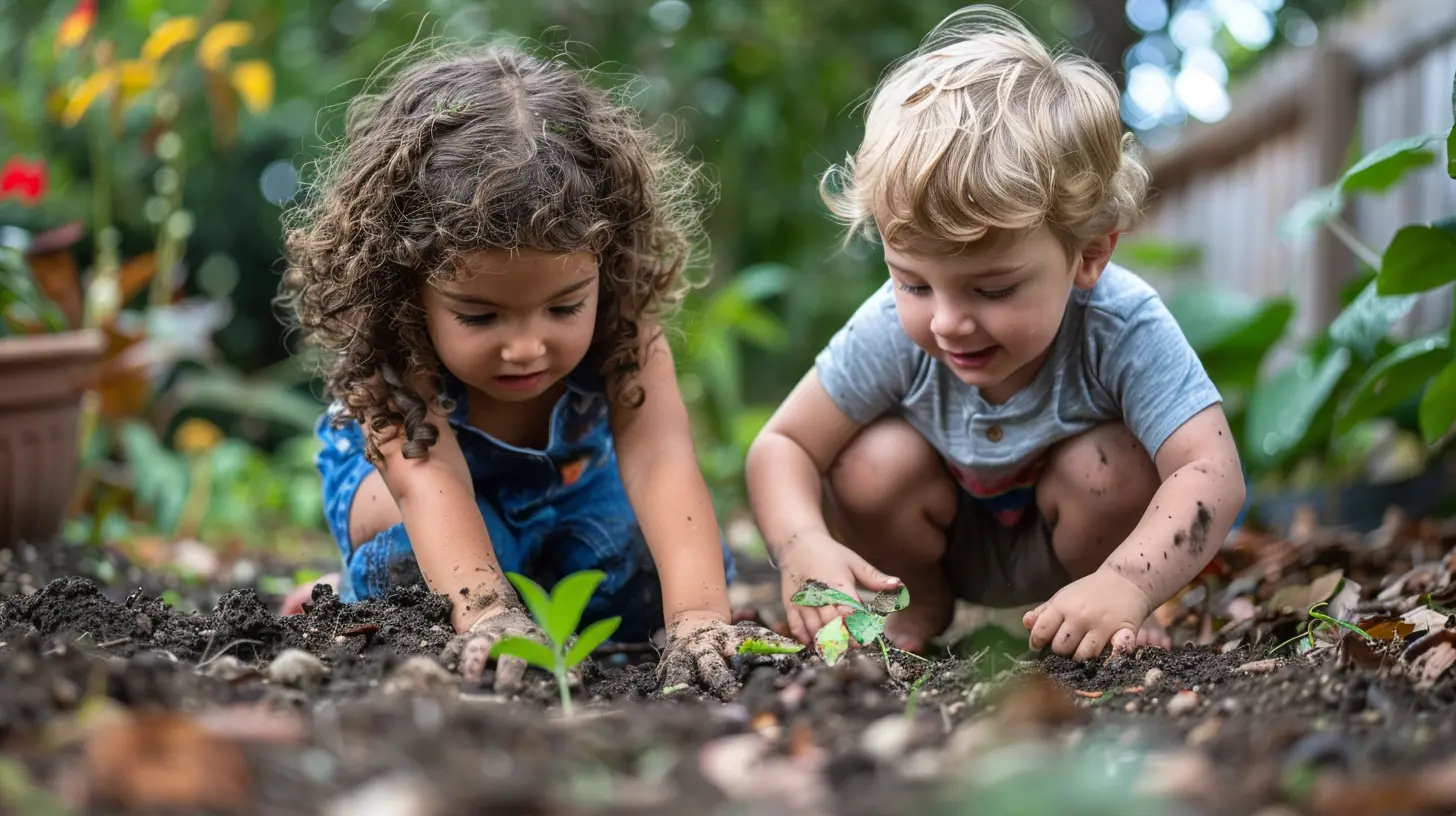
Creating a Curiosity-Friendly Environment
You can’t force curiosity, but you can definitely invite it in. The environment plays a huge role in how engaged a child feels. So, let’s talk about how to make your space—whether it’s a classroom or your living room—into a discovery zone.Keep It Open-Ended
Ditch the toys that only do one thing. Instead, offer materials that can be used in multiple ways. Think blocks, paints, Play-Doh, dress-up clothes, and even plain old cardboard boxes.Why? Because open-ended materials force children to use their imagination. One day a box is a spaceship. The next, it's a grocery store checkout counter. The possibilities are endless.
Rotate Materials Regularly
Ever notice how your kid plays with a toy they forgot they had like it’s brand new? Rotating toys and materials keeps things fresh and sparks curiosity. You don’t need more stuff—you just need to switch it up.Try putting out a few themed items each week. Maybe this week it’s all about bugs. Next week? Building bridges. Let their interests guide the rotation.
Create Cozy Corners
Not every kid wants to explore loudly. Some kids prefer a quiet nook where they can read, sketch, build, or just ponder life in peace. Cozy corners stocked with books, soft pillows, and a few thought-provoking toys can be a haven for introverted explorers.
Encouraging Discovery Through Play
Preschoolers learn best through play. Period. It’s how they make sense of the world, process new information, and test out their theories.Make Time for Free Play
Structured activities have their place, but real discovery happens in the in-between moments. Give your child plenty of time for unstructured, free play every day. It’s during these times that they follow their curiosity without being boxed in by rules or expectations.Ask Open-Ended Questions
Instead of asking, “Did you have fun?” try, “What was your favorite part of that activity?” Go further with, “Why do you think that happened?” or “What would happen if we tried this instead?”These kinds of questions invite kids to think critically and reflect on their experiences. Plus, they show you value their thoughts—which boosts confidence like crazy.
Embrace the Mess (Within Reason)
Discovery is messy. Mud, glue, flour, glitter… it might drive you nuts, but it’s part of the process. Say yes to baking experiments, nature walks that end with muddy shoes, and art projects that involve more paint on the table than the paper.Want a tip? Set clear boundaries. Maybe messy play happens outside or on a washable mat. Give them freedom within limits.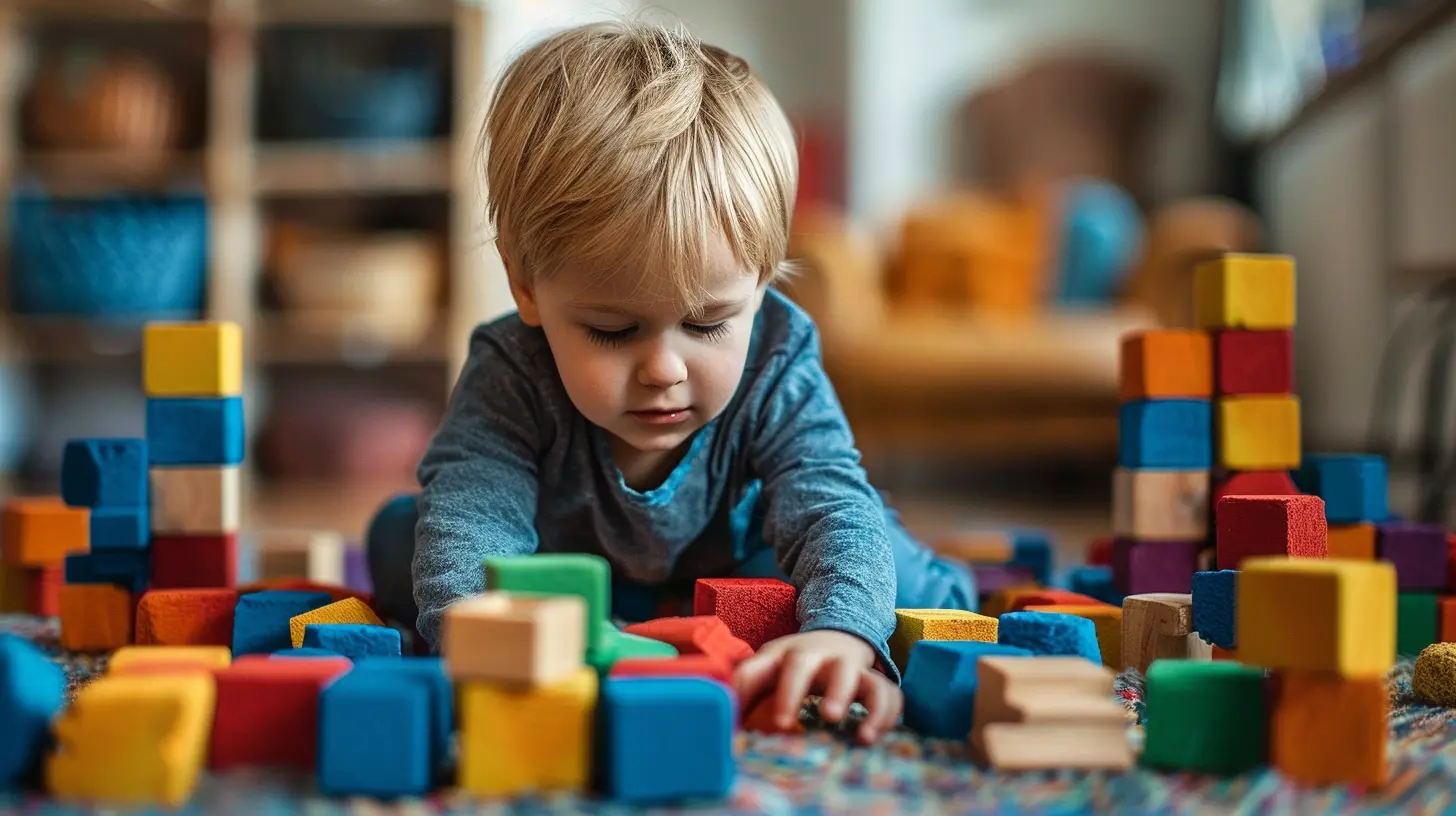
Using Everyday Moments as Learning Opportunities
You don’t need a science lab or a subscription box to spark curiosity. Everyday life is packed with fascinating stuff—if you just slow down and look for it.Turn Chores Into Challenges
Ask your child to help sort the laundry by color or match socks. Can they guess how long it’ll take the toast to pop? How many scoops will fill the watering can?It’s not just helpful—it’s cognitive gold. These little challenges build math, science, and problem-solving skills.
Let Them Take the Lead
If your preschooler is obsessed with dinosaurs, go all in. Read dinosaur books, watch documentaries, craft dino tails, count dinosaurs during walks. Let their interests drive the learning and you’ll have a much easier time keeping their attention.Child-led learning is powerful because it taps into their intrinsic motivation. They're not learning because you told them to—they’re learning because they want to.
The Role of Questions in Growing a Curious Mind
Ever feel like your preschooler’s questions are never-ending? That’s actually a great sign. Questioning is the foundation of critical thinking, and the more they ask, the more they discover.Encourage Questions (Even the Weird Ones)
When your child asks something like, “Why don’t cats wear shoes?” they’re making connections and wondering about the world. Resist the urge to correct or dismiss the sillier ones—those questions matter, too.Instead, respond with enthusiasm: “That’s a fun idea! What kind of shoes do you think a cat would wear?” It keeps the conversation going and validates their curiosity.
Don’t Be Afraid of “I Don’t Know”
You don’t have to be a walking encyclopedia. In fact, saying “I don’t know. Let’s find out together,” models research skills and shows your child that it’s okay not to have all the answers.You’re teaching them that learning is a journey—and that you're right there with them every step of the way.
Supporting Social and Emotional Discovery
Curiosity isn’t just about facts and figures. It also plays a massive role in understanding emotions and relationships.Encourage Empathy-Based Curiosity
Ask questions like: “How do you think she felt when that happened?” or “What would you do if you were in his shoes?” These prompt your child to imagine different perspectives and build emotional intelligence.Role Play and Pretend Play
Let kids act out different roles: doctor, teacher, firefighter, chef. Not only does this type of play stretch their imagination, but it also helps them understand the world around them in a safe, creative way.Through role play, kids experiment with social rules, solve interpersonal conflicts, and explore emotions—all while having a blast.
Tapping Into Nature’s Curiosity Engine
Nature is the ultimate learning lab. It’s always changing, always surprising, and always free.Make Outdoor Time Non-Negotiable
Whether it’s a five-minute bug hunt, a walk in the park, or digging in the garden, time in nature fuels curiosity like nothing else. Let your child climb rocks, collect leaves, squish mud between their fingers, and listen to birdsong.Start a Nature Journal
No need for anything fancy. A dollar store notebook and a few crayons will do. Encourage your child to draw what they see, write down observations (you can help if they're not writing yet), or tape in cool leaves and flowers.You’ll be amazed at how much they start noticing when they know they’re going to record it.
Final Thoughts: Let Curiosity Lead the Way
At the end of the day, curiosity isn’t something you teach—it’s something you protect and nurture. Preschoolers are already curious. Our job is to keep that flame burning by making space for questions, offering opportunities to explore, and showing them that it’s okay not to have all the answers.So the next time your child asks “why” for the tenth time in five minutes, take a breath and lean in. That question might be the start of their next great discovery.
all images in this post were generated using AI tools
Category:
Parenting PreschoolAuthor:

Maya Underwood
Discussion
rate this article
1 comments
Zeno Fuller
Fostering curiosity in early years shapes lifelong learners. Let's nurture their questions and explorations together.
June 8, 2026 at 3:35 AM
Maya Underwood
Absolutely! Nurturing curiosity in early childhood lays the foundation for a love of learning that lasts a lifetime. Let's inspire their natural wonder together.