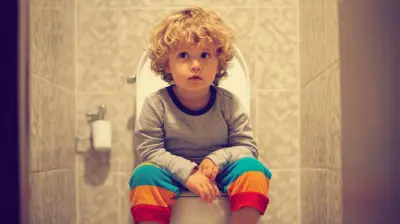
Sleep Strategies for Energized Preschoolers
1 July 2026
Let’s talk about preschoolers and sleep—a magical duo that sometimes seems like an impossible dream combo. If you're a parent, you know exactly what I mean. You put your little one to bed, think they’re down for the count, and two minutes later, they’re bouncing on the bed like caffeinated kangaroos.
Sound familiar?
Getting a preschooler to sleep (and stay asleep) requires the patience of a saint, the planning of a military general, and sometimes, the negotiation skills of a high-powered lawyer. But fear not! You’re not alone, and more importantly—you got this! Let's dive into the world of sleep strategies for energized preschoolers, minus the boring jargon and plus a whole lot of humor.
Why Don’t Preschoolers Want to Sleep?
Let's be real. Preschoolers have one mode—GO. From sun-up to sun-down (and tragically sometimes after sun-down), their energy levels are unmatched. They're little humans in turbo mode.So why is sleep such a tough sell?
- FOMO (Fear of Missing Out): They’re convinced you’re throwing a party in the living room after lights out.
- Unlimited Energy (Or So They Think): They don’t realize their batteries need charging.
- Changing Sleep Needs: Hello, developmental milestones and growth spurts!
- Boundary Testing: “What happens if I ask for water...again?”
Understanding the “why” helps, but let’s get to the juicy stuff—how to help your mini tornado wind down.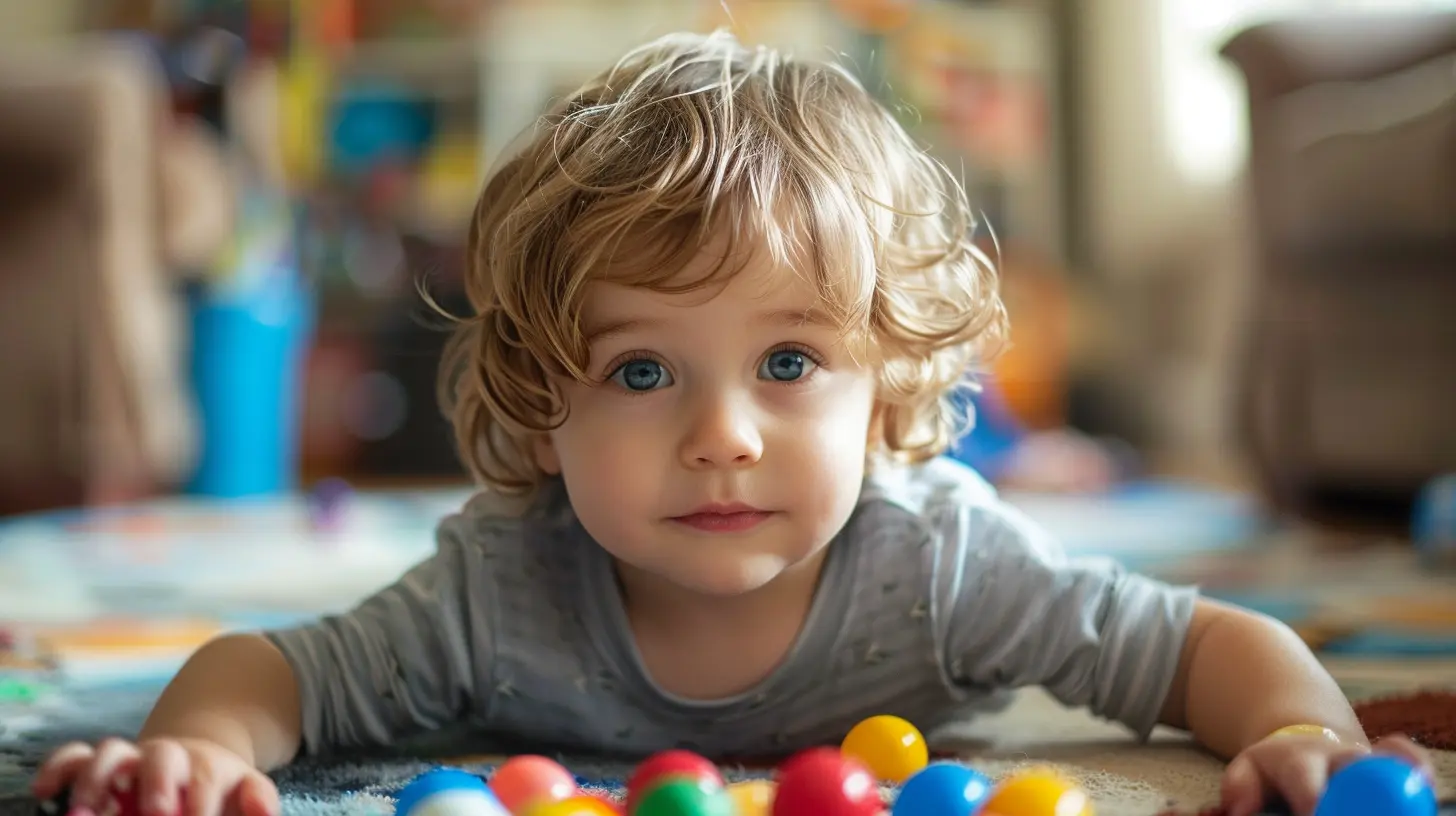
1. Consistency is the New Cool
Kids thrive on routine like cats thrive on knocking things off shelves.Set a bedtime—and stick to it like glitter on a preschooler’s art project.
- Same time, same place: Yes, even on weekends. (Sorry.)
- Countdown to bed: Use visual timers or clocks if needed. (Preschoolers love a good countdown.)
- Predictable steps: Bath → Pajamas → Story → Bed. Rinse and repeat.
It's not about being strict; it's about setting up a rhythm that their tiny brains can dance to.
2. Create a Sleep-Friendly Zone (aka The Bedroom Battlefield)
Imagine trying to sleep on a blinking casino floor with loud music and Legos under your pillow. Yeah, not relaxing. Create a peaceful, cozy sleep environment that doesn’t scream playroom.- Dim the lights: We're going for “chill spa,” not “full-blown stadium.”
- Calming colors: No neon green walls, please.
- Noise control: White noise machines are the unsung heroes of bedtime.
- Declutter: Just a couple of plushies—no need for every stuffed animal from the toy box attending bedtime.
Think of the bedroom as a sleepy-time sanctuary. Make it as inviting for sleep as a hammock on a tropical island (minus the cocktails).
3. The Power of the Wind-Down Routine
You can’t go from 100 to 0 in five minutes—and neither can your preschooler.Cue the wind-down routine.
- Give 'em a heads-up: “Five more minutes of play, then it’s time to get ready for bed.”
- Bathtime = calm time: Make it not just about rinse and repeat but a cue for their body to relax.
- Storytime magic: Choose calm stories. (Save the dragon battles for daylight.)
- Dim the lights: Dimmer switches were invented for this exact reason. Probably.
Over time, these cues tell their little bodies, "Alright, kiddo, it’s sleepy time!"
4. Limit Sugar & Stimulation Before Bed
Sugar before bed is like giving a squirrel espresso. Just...no.- Avoid sweet treats after dinner – That lollipop might taste innocent, but it’s packing a hyperactive punch.
- Screen time cutoff at least an hour before bed – Blue light is the evil villain in this sleep story.
Instead of YouTube cartoons, try coloring, puzzles, or building a LEGO masterpiece with low-key vibes. Basically, if it causes bouncing, chasing, or shrieking, it’s not part of the bedtime equation.
5. Don’t Skip the Nap (But Time It Right!)
Preschoolers still need naps—just not right before dinner.- Ideal timing: Midday, generally between 12 – 2 p.m.
- Length: Aim for 60–90 minutes.
Too late in the day and it’ll sabotage bedtime faster than your kiddo can say “I’m not tired!” (while climbing the furniture).
Remember: overtired kids are actually harder to put to sleep, not easier. I know, it's backwards.
6. Use the Bed as a Bed (Not an Indoor Trampoline)
Beds are for sleeping. Not rehearsing gymnastics routines. Not building blanket forts. Not, and I repeat NOT, jumping contests.Kids are smart; if their bed is associated with play, their brain says, “Oh, we’re here to party!”
- Keep roughhousing out of the bedroom.
- Use other areas of the house for active play.
Let their bed be their sleepy-time nest, not their personal amusement park.
7. The Magical Bedtime Pass
This one’s a gem. If your child consistently pulls the ol’ “I need a drink,” “I need a hug,” “I saw a monster,” “My blanket moved slightly”—introduce the bedtime pass.How it works:
1. Your child gets one or two "passes" per night for reasonable requests.
2. Once passes are used—bedtime means bedtime.
3. If they don’t use the pass—they exchange it in the morning for a small reward (sticker, extra story the next day, etc.).
It gives them a sense of control while giving you sanity-saving boundaries.
8. Address the Nighttime Fears
Fear of the dark is real. Monsters under the bed? Big-time concern for a 4-year-old.- Monster spray (aka water in a spray bottle): A few spritzes under the bed works wonders.
- Night lights: Soft ones, not those that could land planes.
- Validate, don’t dismiss: “I get that shadows can look spooky—let’s check together!”
Comfort and reassure—then gently reinforce that they are safe and it’s time to sleep.
9. Keep the Energy in Check During the Day
Yup—even what happens during daylight hours affects bedtime success.- Make sure they’re active: Get those wiggles out with daily outdoor play.
- Mentally stimulate: Puzzles, stories, preschool learning activities help tire the brain.
- Avoid overstimulation: Balance wild time with quiet time. Think of it like a dance—sometimes you tango, sometimes it's a slow waltz.
Burn that energy bank slowly and steadily, not with a last-minute marathon an hour before lights out.
10. Patience, Grasshopper: It’s a Marathon, Not a Sprint
Okay, let’s be honest—some nights will still be a disaster. There will be tears, protests, maybe even a rogue LEGO to the foot. (Ouch.)But consistency pays off. Truly.
Stick with your routines, keep calm(ish), and remember: You’re not alone in this.
Also, coffee.
Bonus Tip: Make Sleep Sound Cool
If you're telling a preschooler “Go to sleep,” it may as well sound like “Go do taxes.”But if you say, “It’s time for your superpower recharge!” or “Let’s get our dream adventure started!”—suddenly, it’s got flair.
- Use their imagination to help: “Tonight, you’re going to ride a cloud to dreamland.”
- Give sleep an exciting twist: “Your stuffed animals are already waiting for the bedtime train!”
Get creative. After all, bedtime can be magical.
When to Worry (And When Not To)
Most sleep hiccups are totally normal. But if your child:- Consistently fights sleep night after night,
- Wakes up multiple times and struggles to go back down,
- Snores loudly, gasps, or seems overtired all the time…
Then it might be time to chat with your pediatrician. Sleep disorders in young kids aren’t common, but they do happen. Always trust that little parental gut of yours.
So, What’s the Secret Sauce?
Honestly? There is no one-size-fits-all.But between routines, calming environments, and a little bedtime fairy dust, you can absolutely get your preschooler sleeping like a champ.
And when that glorious moment finally arrives—you know, when they’re peacefully asleep and you get to sit on the couch with a snack you don’t have to share—it makes every bedtime battle worth it.
You're doing great, sleepy warrior. Keep it up.
Now go set that bedtime checklist like the bedtime boss you are!
all images in this post were generated using AI tools
Category:
Parenting PreschoolAuthor:

Maya Underwood
Discussion
rate this article
1 comments
Celine Hall
Every small change in your child's sleep routine can lead to big improvements in their energy and mood. Embrace these strategies, and watch your preschooler thrive with a little extra rest!
July 4, 2026 at 4:01 AM
Maya Underwood
Absolutely! Even small adjustments can make a big difference in how kids feel and behave. It's amazing what a little extra rest can do for their energy levels.