Sharing Household Responsibilities with Toddlers Without the Mess
17 July 2026
Let’s face it: toddlers are tiny hurricanes in human form. They’re curious, energetic, and, well… not exactly known for their cleaning skills. So, the idea of giving them household responsibilities might make you raise an eyebrow (or both). But here’s the truth — toddlers can help around the house. And surprisingly, when done right, they can actually make life a bit easier, not messier.
The key? Strategy, simplicity, and a whole lot of patience. In this article, we’re diving into how to turn your little one into a happy helper — without turning your home into a disaster zone.
Why Let Toddlers Help at All?
You might be thinking, “It’s easier if I just do it myself.” And that’s not wrong — at least initially. But there’s a bigger picture here. Getting your toddler involved early helps them develop responsibility, independence, and even boosts self-esteem. Plus, it sets the foundation for future cooperation.Helping also lets them practice motor skills, follow instructions, and understand the concept of teamwork. You're not just giving them chores — you're raising a future superstar roommate or partner. Win-win.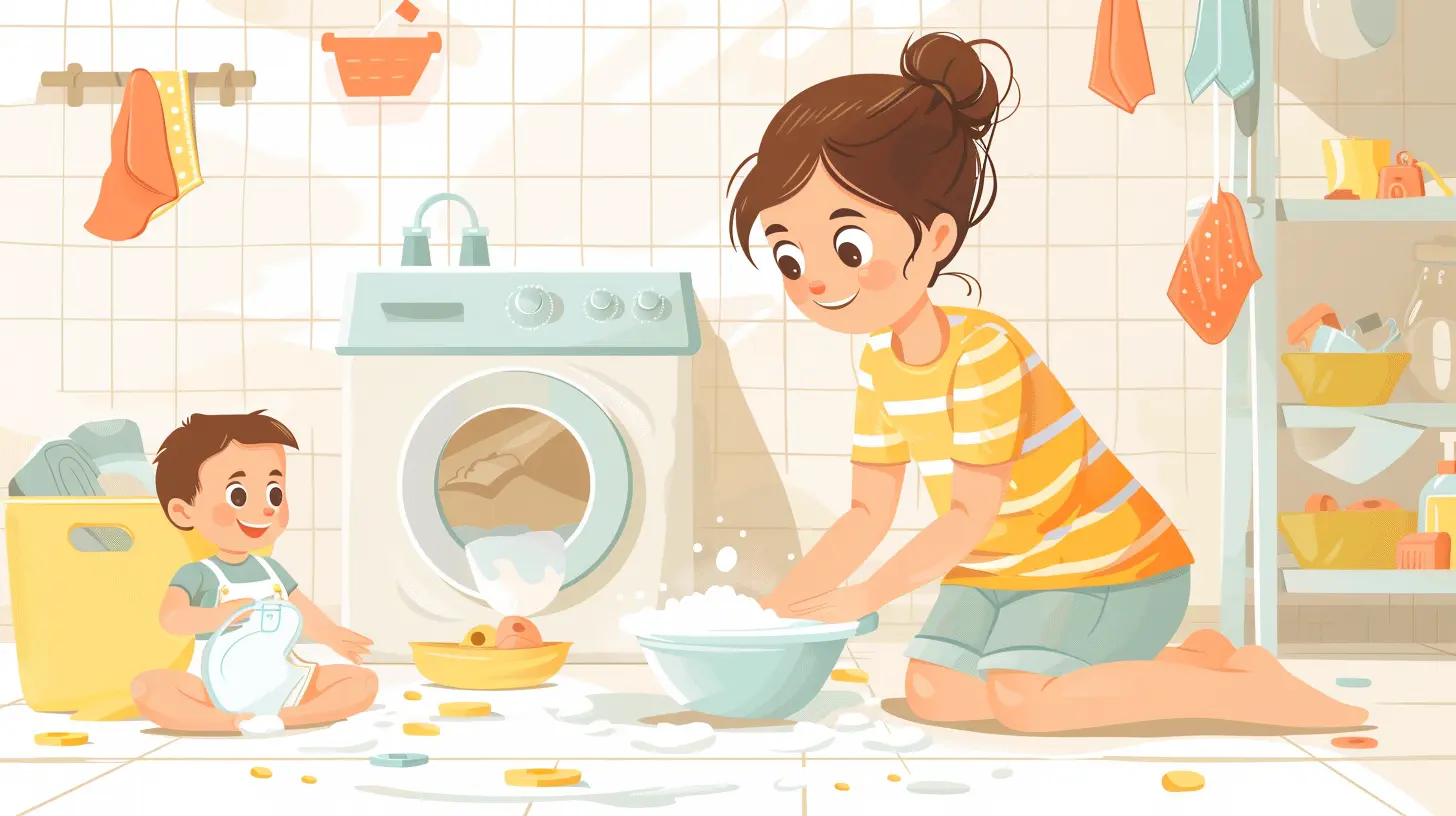
Start Small: Matching Responsibilities with Their Skills
Toddlers are still mastering walking without tripping over their own feet. So, expecting them to scrub the bathtub might be a tad ambitious. The idea is to match the chore with their physical and emotional development.Here’s a quick guide:
| Age | Appropriate Tasks |
|-----|--------------------|
| 18-24 months | Putting toys back in bin, throwing trash in wastebasket |
| 2-3 years | Wiping low surfaces, placing laundry in hamper, feeding pets |
| 3-4 years | Sorting socks, helping set the table, watering plants |
The goal isn’t perfection. It’s participation.
Make It a Game, Not a Chore
Let’s be honest — the word “chore” sounds boring even to adults. For toddlers, it’s practically a four-letter word. The trick? Turn tasks into play.Here are a few creative ideas:
- Race against the clock: “Let’s see if we can pick up all your toys before this song ends!”- Color sorting game: Give them laundry to sort by color. Boom — you just disguised a chore as learning time.
- Magic spray: Fill a spray bottle with water and give them their own “cleaning potion” for dusting (non-delicate areas).
When you make it fun, toddlers are more likely to stay engaged — and less likely to draw on the walls with peanut butter. (We’ve all been there.)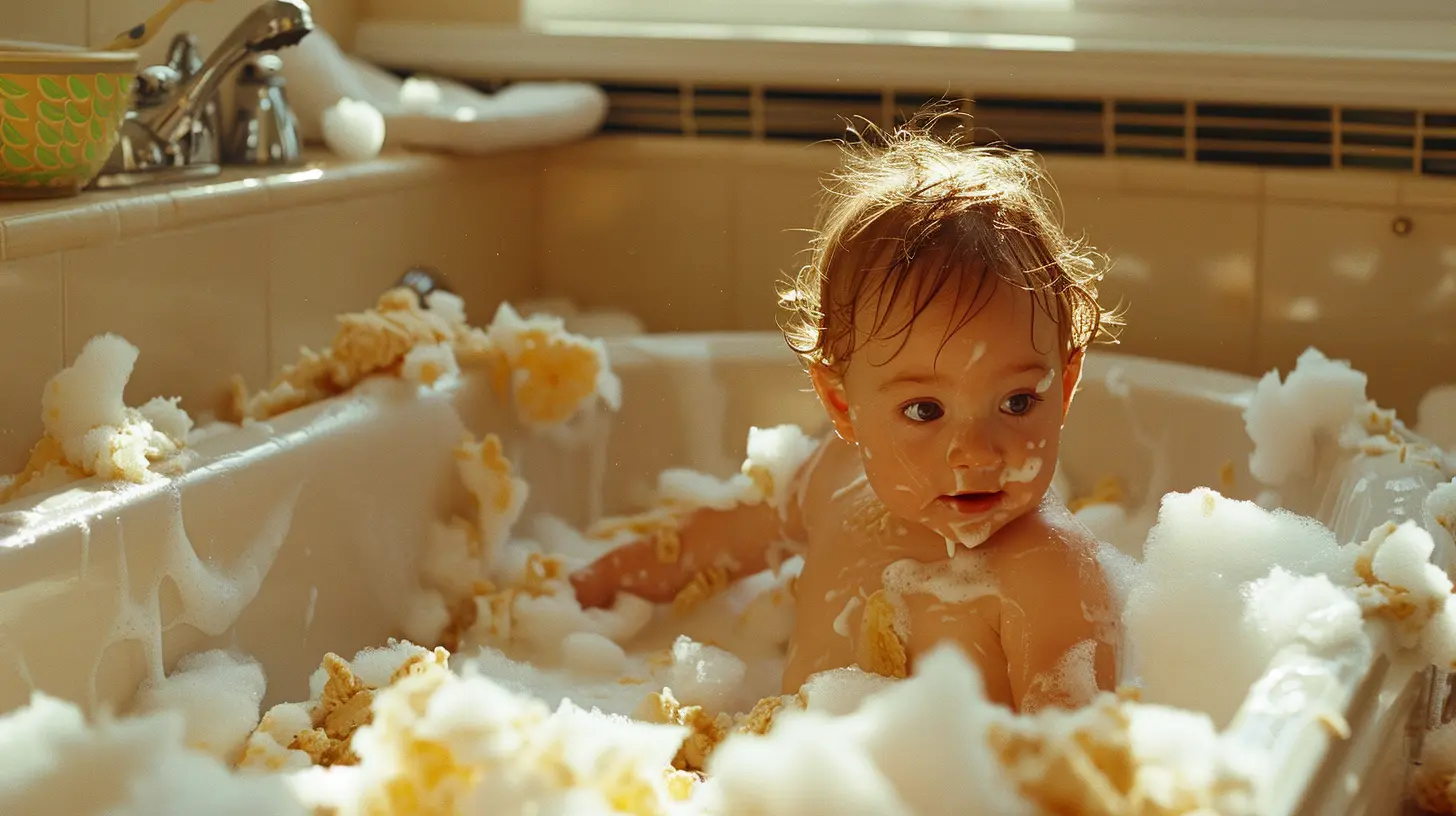
The Power of Choice
Ever tried telling a toddler what to do? Yeah… good luck with that. But offer them two choices, and suddenly you’re a genius negotiator.Instead of saying, “Clean up your toys now,” try:
“Do you want to put away your blocks or your books first?”
When kids feel like they have some control, they’re much more likely to cooperate — and the meltdowns magically reduce. (Okay, not magically, but it helps.)
Create a Routine They Can Count On
Toddlers are creatures of habit. They thrive on routine because it helps them feel safe and know what to expect. Incorporating small tasks into their daily schedule makes helping feel like a normal part of the day, not a punishment.Example Daily Chore Routine:
- After breakfast: Wipe the table with a damp cloth.- Before nap: Put toys back in bins.
- After dinner: Help carry their plastic plate to the sink.
Little by little, these actions become second nature — no resistance, no mess, no stress.
Set the Scene for Success (A.K.A. Don’t Set Them Up to Fail)
Want to avoid the mess? Don’t give your toddler a glass bottle of olive oil to "help in the kitchen." Instead, structure tasks so they’re success-friendly. That means:- Give them tools that are toddler-sized (mini brooms, small baskets, lightweight dishes).
- Show them how to do the task with them, not for them.
- Use visual cues (like picture labels on bins for toys).
Sure, there will be mistakes. But that’s how toddlers learn — by doing (and sometimes by dropping a couple of socks in the dog bowl).
Praise the Effort, Not the Outcome
Repeat after me: “It doesn’t have to be perfect.”The towel may not be folded, but if your toddler tried? That’s gold. Praise the effort with specifics:
- “Wow! You really worked hard to stack up your books so neatly!”
- “I love how you helped mommy wipe the table! High five!”
This kind of feedback builds motivation. When they feel proud for helping, they’re more likely to do it again — no bribing required.
Use Charts and Visuals
Want your toddler to remember their tasks without you repeating them 75 times a day? Create a simple chore chart with pictures. A visual reminder helps toddlers understand what’s expected and gives them a sense of accomplishment as they “check things off.”Stick some fun stickers next to jobs done — watch how quickly “clean up time” turns into “sticker earning time.”
It’s Okay to Say “Oops!”
Even the most enthusiastic toddler helper will eventually make a mess in the process. But spoiler alert — that’s not failure, that’s growth.Spilled water while watering plants? That’s a learning moment. Crushed crackers during snack cleanup? That’s normal.
Don't scold — guide:
"Oops! The water spilled. Let’s grab a towel and clean it up together."
Now you're teaching responsibility, resilience, and cleanup all in one go.
Involve All the Senses
Toddlers are sensory creatures. They learn by touching, tasting (unfortunately), seeing, and hearing. So make chores a full-body experience.- Smell the fresh laundry.
- Feel the soft towels when folding.
- Hear the sound of blocks clinking into the toy bin.
- See the sparkle after wiping a surface.
The more sensory input they get, the more interesting the task becomes. It’s how they stay engaged — and how you avoid the whole “I’m bored, so I dumped all the flour on the floor” scenario.
Teamwork Makes the Dream Work
We all like to feel like we’re part of something — toddlers included. When you frame chores as team efforts, they’re more likely to chip in willingly. Try phrases like:- “Let’s clean up together.”
- “You’re such a great helper, we make a good team!”
Suddenly, you're not the chore-enforcer. You’re the chore-buddy. And that changes everything.
Rotate Responsibilities to Keep It Fresh
If you’ve ever had spaghetti five nights in a row, you know how fast burnout sets in. Same goes for toddlers who wipe the same table every single day. Mix things up.New task = New excitement.
Sometimes it’s helping with laundry. Other days, it’s feeding the dog. Keep it light and dynamic so your toddler doesn’t get bored.
Make Clean-Up Time Part of Playtime
Instead of “After playtime, clean up,” try blending the two. Turn cleanup into a part of the game:- Have the teddy bears “help” put away other toys.
- Pretend to be cleanup robots zooming around the room.
- Use silly voices or a “clean-up dance.”
The less it feels like a task, the more it feels like fun.
Respect Their Pace
Toddlers are still figuring life out. So yeah, folding one towel might take five minutes. But the more you rush them, the more overwhelmed they’ll feel. Let them move at their own pace.Encourage, guide, but don’t pressure. You’re building lifelong habits here — not racing to win “cleanest room of the year.”
Be Consistent, Not Perfect
Some days your toddler will be all in. Other days? Nope. That’s okay. What matters is consistency. Keep inviting them to help. Keep showing them how. Keep making it fun.Progress is better than perfection. Always.
Final Thoughts
Involving toddlers in household responsibilities doesn't have to mean chaos and crumbs. With the right approach — mixing fun, consistency, and a good dose of patience — your little one can become a capable helper.Remember, this stage is all about planting seeds. They may not fold like Martha Stewart just yet, but they’re learning skills that’ll stick with them for life.
So give them a little spray bottle, turn on their favorite bop, and get cleaning — together.
all images in this post were generated using AI tools
Category:
Kids And ChoresAuthor:

Maya Underwood
Discussion
rate this article
1 comments
Zacharias Richardson
Engaging toddlers in chores fosters responsibility but requires patience and structured guidance.
July 22, 2026 at 3:01 AM
Maya Underwood
Absolutely, involving toddlers in chores helps them learn responsibility. With patience and clear guidance, it can be a rewarding experience for everyone.