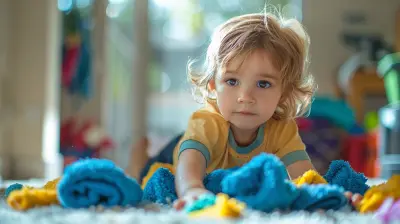
The Positive Impact of Chores on Your Child’s Self-Esteem
1 December 2025
Ahh, chores. The word alone might spark eye rolls, groans, and Oscar-worthy dramatic sighs from kids everywhere. And I get it—chores aren’t exactly the highlight of anyone’s day. But hear me out, because those seemingly boring, repetitive tasks—like washing dishes or picking up toys—might just be the golden ticket to building your child’s self-esteem. Yup, you read that right!
As parents, we’re constantly searching for ways to help our kids feel good about themselves. We buy books, try new parenting techniques, and occasionally panic-Google “how to raise confident humans.” But sometimes the answer is hiding in plain sight—like right there under the dirty socks they refused to pick up.
Let’s dive into why giving your kids regular chores can actually pump up their self-esteem faster than a tub of bubble wrap in a preschool art class.
Why Chores Aren’t the Childhood Tragedy Your Kid Thinks They Are
“Wait, You Want Me to Work? For Free?!”
First things first—kids think chores are a punishment. They think we assign tasks just to ruin their fun or because we’re bored out of our minds and want to delegate the misery. But when done right, chores are the opposite of punishment. They're powerful tools for teaching responsibility, independence, and most importantly—self-worth.Chores give kids the chance to contribute to their family in a real way. And guess what happens when they see that their contribution matters? Ding-ding-ding—we get a confidence boost!
Think about it. When your 7-year-old successfully sets the dinner table and the whole family eats without a fork shortage crisis, you’ve got yourself a mini-hero. They feel important. Needed. Valued. That’s self-esteem magic right there.
They’re Not Just Helping You—They’re Helping Themselves
Confidence Is Built by Doing, Not Watching
Let’s say your child gets to feed the dog every morning. At first, they’ll probably forget. Then they’ll complain. Eventually, though, it becomes a routine. Then one day you hear them say, “Hang on, I’ve got to feed Max!” without being reminded.BOOM. Cue the proud parent moment.
This is more than just your kid remembering to feed the family furball. It’s a clear sign they’re becoming reliable. And reliable = confident. When children realize they can be trusted to handle something, their inner cheerleader starts doing backflips.
Even simple tasks like sorting laundry or making their bed build a “hey, I did that!” moment. And string enough of those little wins together? You get a confident, capable kid who feels good about themselves—not to mention a house that doesn’t look like a tornado hit it.
Chores Teach Life Skills, and That’s a Confidence Goldmine
Spoiler Alert: Adulting is Just a Long List of Chores
Life is basically an endless cycle of laundry, dishes, bills, and wondering where all the unmatched socks went. So, teaching kids to handle chores early is like giving them the user manual for adulthood—one that we all wish came standard at birth.Giving your child chores now teaches them how to manage time, follow directions, work efficiently, and—brace yourself—be part of a team. Because they’re not just doing it for themselves; they’re doing it for the whole family. That sense of contribution helps them realize they’re capable of more than just unlocking new levels on Minecraft.
And when they eventually face challenges outside the home—school, sports, even their first part-time job—they’re more likely to say, “Yeah, I got this,” instead of, “Wait, I have to do stuff by myself?!”
Responsibility + Accomplishment = Kiddie Confidence Boost
Responsibility Isn’t a Dirty Word
Giving your child responsibility sounds scary, right? Like you’re just asking for disaster, broken dishes, and mysterious sticky substances where no sticky substances should be.But here’s the thing—when kids have a job to do, and they know they’re trusted to do it, they often rise to the occasion. Not always gracefully, mind you, but they rise.
When a child completes a chore and hears, “You did a great job folding those towels!”, they get a jolt of pride that no participation trophy can match. That sense of “I did something useful” feeds their self-image in ways that compliments alone can’t.
And let’s be real, folding towels is the gateway drug to being a productive adult. Next stop? World domination. Or at least remembering to brush their teeth without being asked 14 times.
"Team Family": Chores Build a Sense of Belonging
“We All Pitch In—Even the Tiny Humans”
Let’s look at this from a different angle. When everyone in the family chips in with chores, it sends a powerful message: You matter here. You’re part of this team. Your work is valued. Cue the warm fuzzies.Kids love feeling like they belong. So giving them age-appropriate tasks gives them a stake in the household. Suddenly, it’s not just “Mom’s job” to pick up the Legos or replace the toilet paper roll (seriously, is that so hard?). It’s a shared effort.
This sense of inclusion boosts not only self-esteem but also empathy. They start to realize that their actions impact others. And isn’t that the holy grail of parenting? Raising kids who don’t think the world revolves around them? Yes. Yes, it is.
Age-Appropriate Chores That Build Confidence (And Don’t Wreck Your House)
Because let’s be honest, giving a toddler the responsibility of cleaning the bathroom is asking for a soap-and-toilet-paper apocalypse.Here are some confidence-building chore ideas by age group:
Ages 2–4:
- Putting toys in a bin (not under the couch, please)- Helping make the bed
- Dusting with a sock (double win: clean house and child with warm feet!)
Ages 5–7:
- Setting and clearing the table- Feeding pets
- Watering plants (preferably not the fake ones)
Ages 8–11:
- Folding laundry (yes, those shirts might end up taco-folded, but it’s progress)- Sweeping or vacuuming
- Washing dishes (after a bubble war, of course)
Ages 12+:
- Mowing the lawn- Cooking basic meals (think grilled cheese, not beef Wellington)
- Managing their own laundry (within reason—no mixing reds and whites, please!)
The Secret Sauce: Make Chores Feel Like a Privilege, Not a Punishment
Channel Your Inner Jedi Master
Okay, here’s a little parenting ninja trick: frame chores in a way that makes them feel like a right instead of an obligation. Crazy? Maybe. Effective? You bet.Say things like:
- “You’re old enough now to help with dinner—wanna be my assistant chef?”
- “You’ve been so responsible lately, I think you’re ready to take over feeding the cat.”
- “I trust you with this. You’ve got this.”
See what we did there? Suddenly, they’re leveling up. It’s like unlocking a new character in a video game—except it’s Real Life Kid Edition.
And when they screw it up (because they will), don’t pounce. Encourage them. Let them try again. That’s how confidence is born—in those messy, imperfect, slightly soggy moments of effort.
When to Step In (And When to Step Back)
Let’s face it—any parent who’s ever watched their 4-year-old attempt to fold a fitted sheet knows the struggle. It’s almost painful to watch. But resist the urge to take over.Because here’s the truth: perfection isn’t the goal. Effort is.
Every time you jump in and “fix” their work, you’re unintentionally sending a message: “You can’t do it right.” And that message is like a slow leak in their confidence balloon.
Let them mess up. Let the towels be wrinkly. Celebrate effort over outcome. Because they’ll get better over time—and their sense of self-worth will soar in the process.
Your Job: The Cheerleader, Not the Supervisor
Here’s the real kicker—kids don’t need micromanagers. They need cheerleaders. So next time your child helps out, shower them with encouragement.Try:
- “You really helped me out today.”
- “You remembered without being asked—high five!”
- “You did that all on your own? Look at you!”
These little affirmations are like fertilizer for their self-esteem garden. Water it enough, and you’ll be amazed at what starts to grow.
Final Thoughts: Chores Are Confidence in Disguise
So, the next time your kid grumbles about taking out the trash, remind yourself: this isn’t just about bins and banana peels. It’s about building a foundation of self-belief—one chore at a time.And hey, if it means you don’t have to clean the guinea pig cage anymore, that’s just the cherry on top.
all images in this post were generated using AI tools
Category:
Kids And ChoresAuthor:

Maya Underwood
Discussion
rate this article
1 comments
Kennedy Smith
Embracing chores offers children valuable skills and a sense of accomplishment. By contributing, they build confidence and resilience, laying a strong foundation for their future. Great insights!
December 2, 2025 at 5:37 AM
Maya Underwood
Thank you for your thoughtful comment! I'm glad you found the insights valuable—embracing chores truly is a fantastic way to foster skills and confidence in children.