Montessori-Inspired Learning Activities for Preschoolers
31 July 2026
If you're a parent or caregiver of a preschooler, chances are you've heard whispers (or read a dozen blog posts) about the Montessori method. Maybe you’re wondering what all the fuss is about. Is it just another parenting trend? Or does it really offer something different?
Spoiler alert: Montessori isn’t just a buzzword—it’s a whole mindset. And the beauty? You don’t need to send your child to an expensive Montessori school to get the benefits. With a few thoughtful tweaks and hands-on activities, you can bring the magic of Montessori right into your living room.
In this post, we’re diving into the heart of Montessori-inspired learning activities for preschoolers. We’ll talk about what makes the method so unique, share creative and easy-to-set-up activities, and give you the tools to nurture your child’s natural curiosity—all without overwhelming your Pinterest board.
What Is the Montessori Method, Anyway?
Let’s break it down simply. The Montessori method, created by Maria Montessori over 100 years ago, is all about child-led learning. It focuses on giving kids freedom within limits, encouraging them to explore their environment, and trusting that they’ll learn best when they’re following their interests.Think less “sit still and memorize this” and more “hey, let’s figure out how this works together.”
Montessori learning involves:
- Hands-on activities using real-life materials
- A calm, structured environment
- Independence and self-direction
- Respect for a child’s pace and choices
Sounds pretty empowering, right?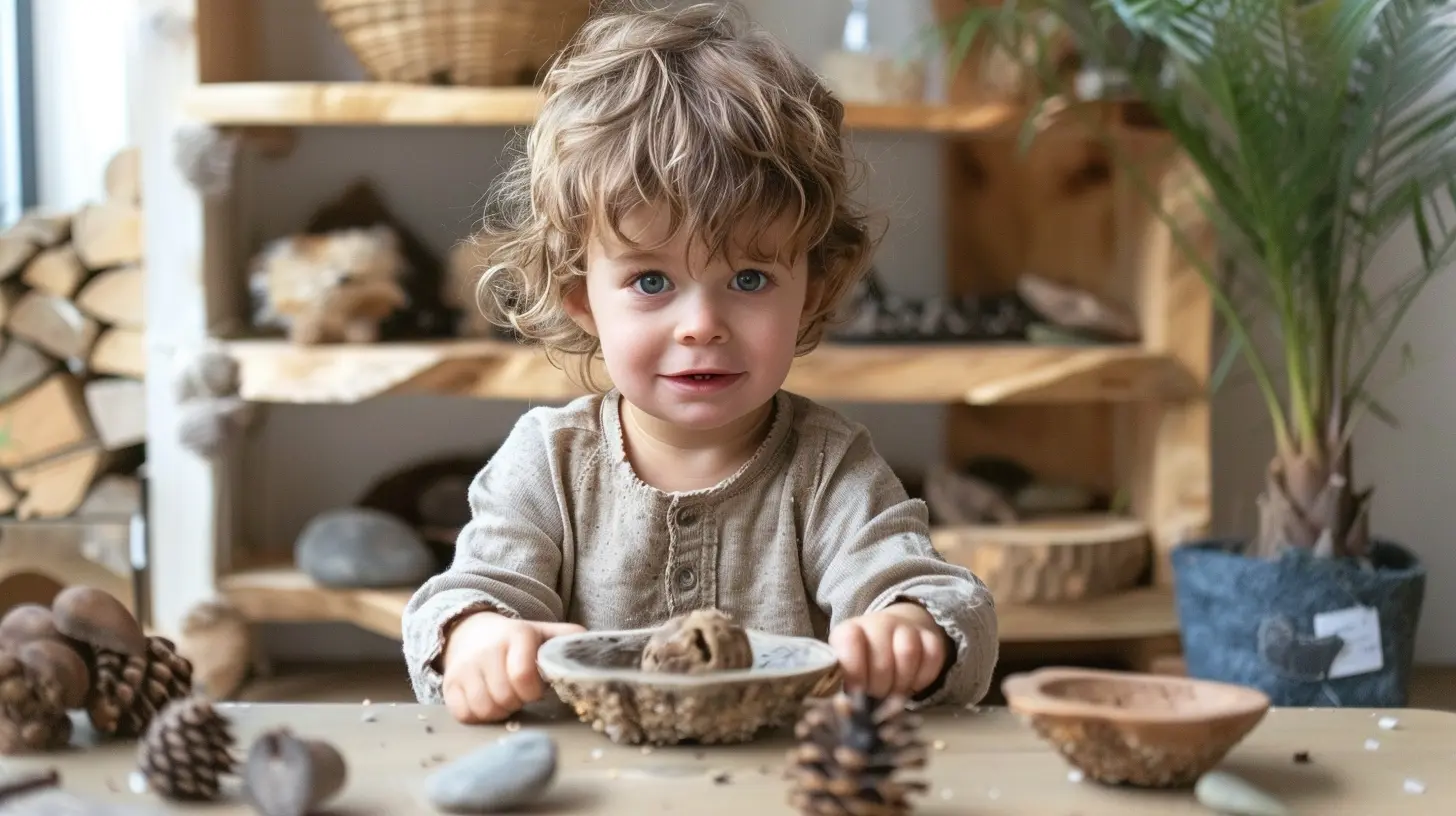
Why Montessori Works for Preschoolers
The preschool years (ages 3-5) are like a golden window of opportunity. Your child’s brain is soaking up everything—language, sensory experiences, emotional awareness, basic math and logic... it’s all happening at lightning speed.Montessori-inspired activities align perfectly with how young kids learn. They’re designed to:
- Encourage independence
- Build focus and concentration
- Develop fine and gross motor skills
- Strengthen problem-solving abilities
- Instill a love for learning (rather than just performing)
By introducing Montessori principles during preschool years, you're not only helping your child prepare for school—you’re building lifelong skills.
Setting Up a Montessori-Friendly Environment at Home
Before we jump into specific activities, let’s talk about setting the stage. A Montessori-friendly home doesn’t need to be Pinterest-perfect. (Phew, right?)Here’s what matters:
1. Keep It Simple and Organized
Montessori thrives on order and simplicity. Reduce visual clutter, use baskets or trays to organize materials, and create a dedicated space for your child to work.2. Make Everything Accessible
Place materials at your child’s level. Low shelves, child-sized furniture, and tools that are easy for little hands to use are key.3. Follow Their Interests
Observe what your child is drawn to. Are they fascinated by pouring water? Obsessed with colors? Interested in animals? Let their curiosity lead.4. Rotate Toys and Activities
Instead of overcrowding shelves, keep a few open-ended options available and rotate them weekly to keep things fresh.Now, let's get into the good stuff—actual Montessori-inspired learning activities that lightly guide your preschooler while keeping playtime fun and meaningful.
Montessori-Inspired Learning Activities for Preschoolers
1. Practical Life Skills
These are everyday activities that help your child develop coordination, focus, and confidence. Plus, they’re usually a hit because kids love doing “grown-up” stuff.Activities:
- Pouring water from one jug to another (use glass or metal for a more authentic feel!)- Transferring beans or rice with a spoon from one bowl to another
- Washing windows or mirrors with a spray bottle and cloth
- Peeling a banana or using a butter knife to cut soft fruits
- Buttoning and unbuttoning clothes or using dressing frames
Why it works: These activities are repetitive, calming, and help develop fine motor skills in an incredibly natural way.
2. Sensorial Exploration
The Montessori method places a big emphasis on sensory play because it builds the foundation for logic, language, and math.Activities:
- Color sorting using colored pom-poms and matching bowls- Texture matching with a DIY fabric touch board (use different materials like silk, wool, burlap)
- Sound jars filled with items like rice, bells, or beads—see if your child can pair jars with matching sounds
- Smelling jars with scents like vanilla, lemon, or cinnamon
- Temperature exploration using containers of warm and cold water
Why it works: Preschoolers experience the world with all five senses. Sensorial activities help refine their ability to observe, compare, and categorize.
3. Language and Literacy
Montessori literacy is all about starting with sounds, not letters. This phonetic approach sets a solid foundation for reading.Activities:
- Sandpaper letters (or DIY versions) to trace with fingers while saying the sound- Object and sound matching—place small items (like a toy cat, cup, or car) next to the letter “C”
- Name tracing with a laminated sheet and dry erase marker
- Story sequencing cards to build narrative skills
- Matching picture cards with words for early readers
Why it works: This lets kids connect the physical sensation of writing with the sound of the letter, anchoring learning in multiple ways.
4. Early Math Concepts
Montessori math starts with concrete experiences that become more abstract over time.Activities:
- Number cards and counters—place the correct quantity of objects under each numeral- Bead string counting using pony beads and pipe cleaners
- Sorting by size, shape, or color
- Simple puzzles for pattern recognition
- Measuring ingredients while baking simple recipes together
Why it works: Math becomes less about memorization and more about interaction. Your child can actually see what "3" looks like, feels like, and means.
5. Nature-Based Learning
Montessori philosophy often integrates the natural world. In fact, nature is considered a co-teacher in this method.Activities:
- Leaf rubbings with crayons and paper- Classifying rocks or leaves using a simple sorting activity
- Building a nature tray with pinecones, flowers, twigs, and letting your child observe and describe
- Gardening together—even growing herbs in a windowsill counts
- Outdoor scavenger hunts with a list of textures or colors to find
Why it works: Nature teaches patience, observation, and appreciation for the world. Plus, it’s fun and grounding.
6. Art and Creative Expression
While traditional Montessori environments may limit free-for-all art, creativity is still encouraged—especially when it’s structured and purposeful.Activities:
- Tray-based art setup with watercolors, a brush, and one piece of paper (promotes concentration)- Clay or modeling dough with tools for rolling, cutting, and stamping
- Collage making with sorted materials (paper scraps, dried flowers, fabric bits)
- Process-based painting (e.g., painting to classical music or painting with items like leaves)
Why it works: Art builds confidence and fine motor skills. It encourages mindfulness, decision-making, and self-expression.
Bonus Tip: Let Your Child Be Bored Sometimes
Yep, you read that right.In the Montessori world, boredom isn't bad—it’s an invitation. When your child has time and space (and not a dozen activities prepped), they'll often come up with their own ideas. That’s the ultimate goal, isn’t it?
Real Talk: You Don’t Have to Be Perfect
Here’s a little secret most parenting blogs won’t tell you: Montessori isn’t about perfection. It’s about presence.You might not always have the perfect materials. Your child might dump every tray or get frustrated. That’s normal. The goal is connection, not control.
So breathe. You’re doing great.
Final Thoughts
Montessori-inspired learning activities for preschoolers aren’t just about preparing for school—they’re about preparing for life. These simple, thoughtful activities help children discover their abilities, make sense of the world, and trust their own instincts.And the best part? You get to witness the spark in their eyes when they master something new—whether it’s pouring water without spilling or sounding out their first word.
So set out the trays, follow their lead, and most importantly—enjoy the journey.
all images in this post were generated using AI tools
Category:
Parenting PreschoolAuthor:

Maya Underwood
Discussion
rate this article
1 comments
Rina Price
I tried a Montessori activity with my toddler. Let's just say the glue stick is now an artifact, the crayons are a rainbow disaster, and I'm questioning my life choices... but hey, we had fun!
August 13, 2026 at 3:25 AM
Maya Underwood
Sounds like a messy masterpiece! Those moments make for the best memories, even if the cleanup is a challenge. Keep having fun with it!