How to Make Traditions Inclusive for All Family Members
8 August 2026
Traditions hold a special place in every family. They connect us to our roots, create lifelong memories, and give us something to look forward to. But let's be honest—sometimes traditions can feel a little outdated or exclusive. What if a family member has different beliefs, dietary restrictions, or abilities? Should they be left out? Absolutely not!
Creating inclusive traditions is about making sure every single person in the family feels valued and included. Whether it's a holiday tradition, a birthday ritual, or a simple weekly gathering, small tweaks can make a huge difference. Let’s dive into how you can make your family traditions welcoming for everyone.

1. Understand the Importance of Inclusivity
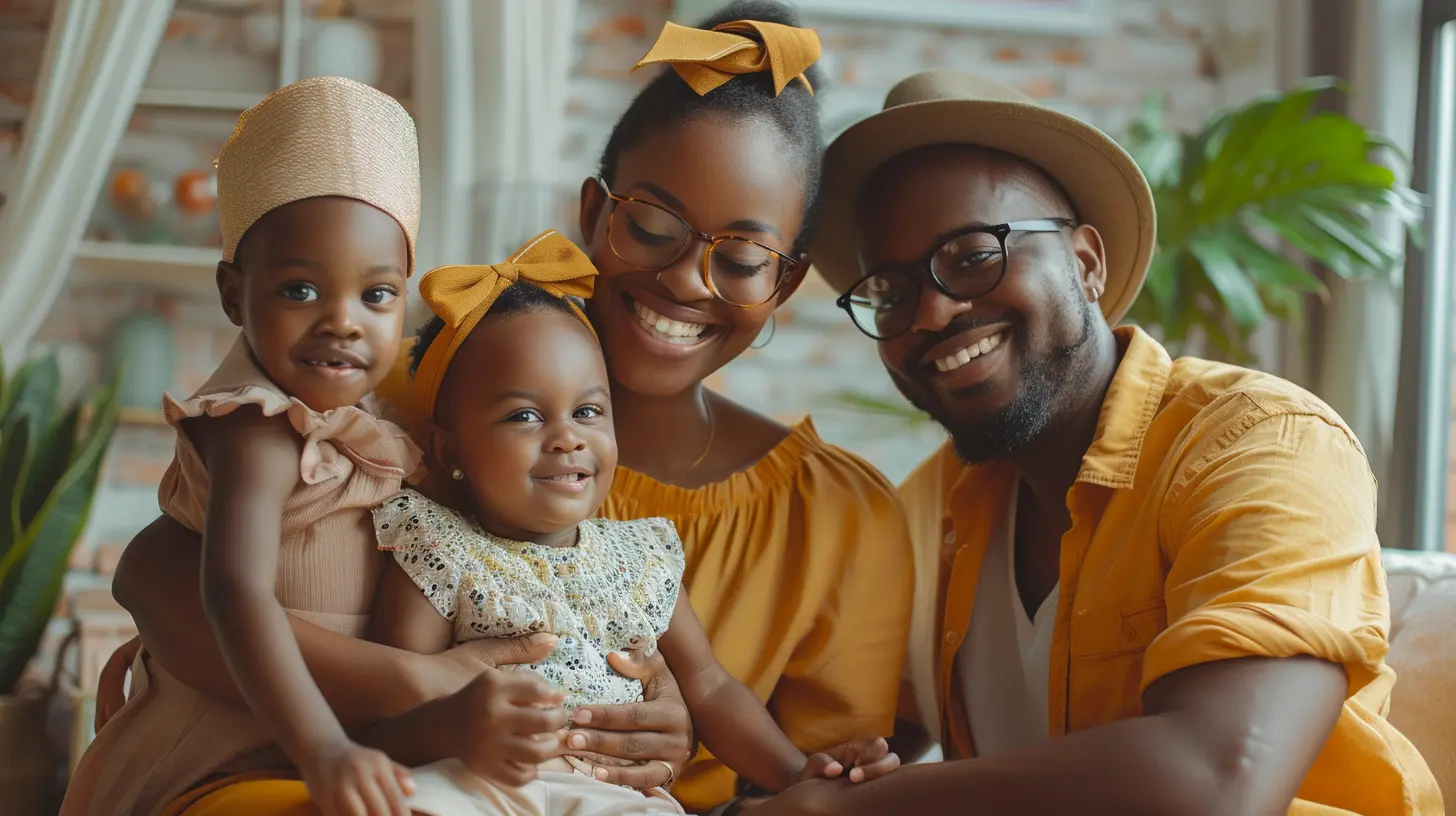
Before making changes, it’s crucial to understand why inclusivity matters. Families are a mix of personalities, backgrounds, and experiences. Some members may have different cultural traditions, dietary needs, or physical limitations. Others may feel emotionally left out, even if no one intends to exclude them.Inclusivity doesn’t mean throwing out old traditions. It simply means adapting them so that everyone can participate. The goal is to celebrate together, not make anyone feel like an outsider.
2. Ask for Input from Family Members
Ever heard the phrase, you don’t know what you don’t know? Sometimes, traditions unintentionally leave people out. The best way to fix this? Ask!- Have open discussions with family members about traditions.
- Ask if there are any traditions that make them feel uncomfortable or left out.
- Encourage everyone to suggest new ideas that accommodate their needs.
When family members are involved in shaping traditions, they’ll naturally feel more connected to them.

3. Adapt Traditions to Accommodate Different Beliefs
Many family traditions are rooted in religious or cultural practices. While these are meaningful, they might not resonate with every family member. If you have relatives with different spiritual or cultural backgrounds, consider ways to make traditions more inclusive.- Blend Traditions: If your family celebrates Christmas but one member prefers Hanukkah, incorporate elements of both.
- Use Neutral Language: Instead of prayers, consider moments of reflection or gratitude statements.
- Allow Opt-Outs: If a tradition is deeply religious and some members aren’t comfortable, create a respectful alternative for them.
The key is flexibility. It’s possible to honor old traditions while making space for new perspectives.
4. Modify Activities for Different Physical Abilities
Traditions should be enjoyable for everyone, including family members with physical disabilities or mobility challenges.- If a tradition involves physical activities (e.g., hiking or playing sports), consider adding a seated or low-impact option.
- If a grandparent struggles with long trips, plan gatherings closer to home or make virtual participation an option.
- For kids with sensory sensitivities, adjust lighting and noise levels to make the experience comfortable.
A simple conversation about accessibility can ensure that no family member feels excluded from the fun.
5. Make Food Accommodating for All
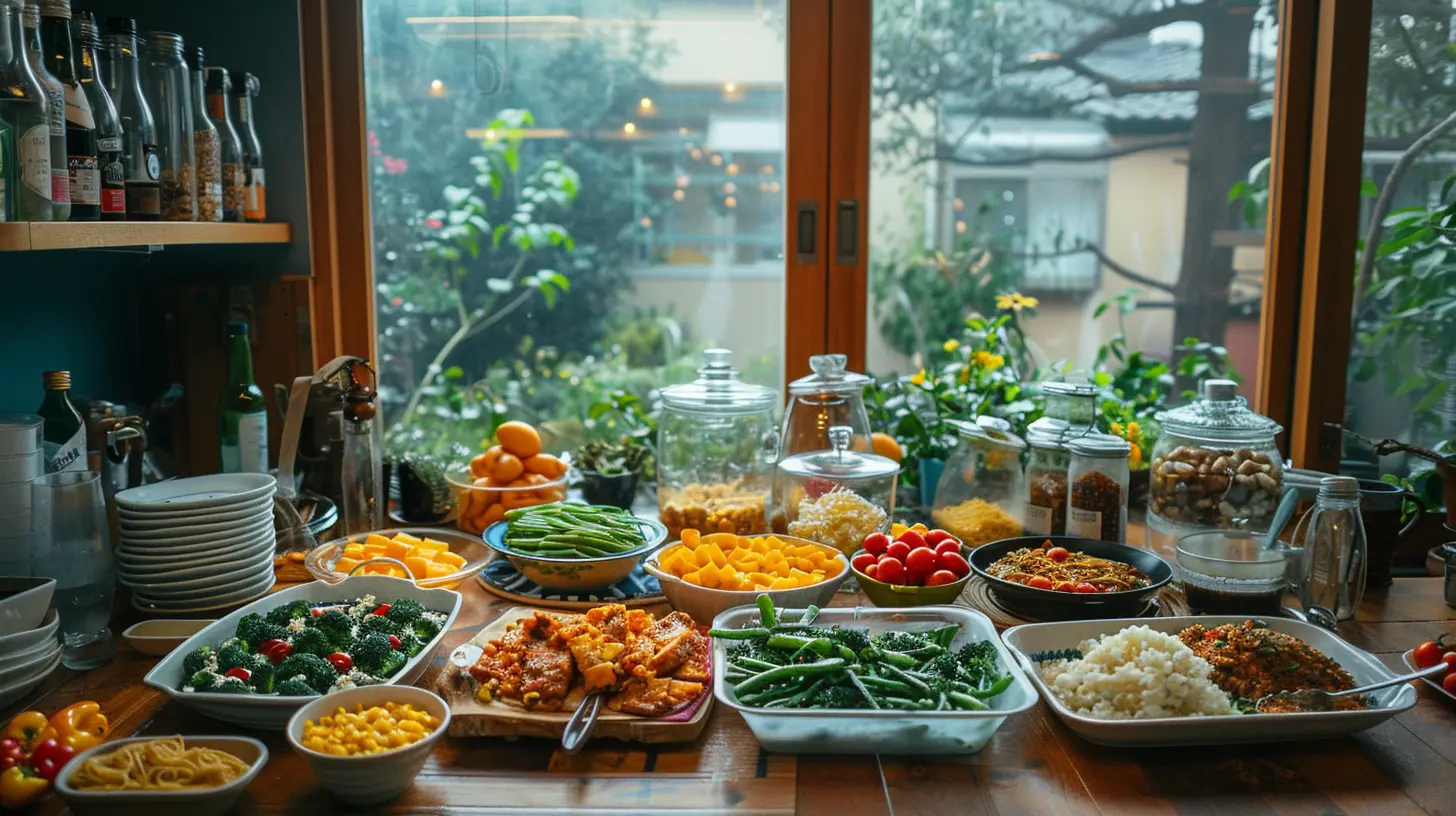
Food is a huge part of family traditions. But imagine being the only one at the table who can’t eat a beloved dish due to allergies, dietary restrictions, or religious beliefs. That’s no fun!- Offer a variety of food options that cater to different diets (vegan, gluten-free, nut-free, etc.).
- If a dish holds cultural significance, find an alternative version that fits everyone’s needs.
- Label food items at gatherings so family members can easily identify safe choices.
When everyone has something delicious to eat, they’ll feel more connected to the moment.
6. Encourage Participation Across Generations
Traditions often get passed down from one generation to the next, but sometimes older family members feel disconnected from newer traditions (and vice versa). To bridge the gap:- Invite grandparents to share stories about how traditions started.
- Encourage younger family members to add a modern twist to old customs.
- Plan activities that all ages can enjoy together, like storytelling, crafts, or games.
This way, traditions continue to evolve while keeping their original essence intact.
7. Create New Traditions Together
Sometimes, the best way to be inclusive is to start from scratch! If old traditions aren’t working for everyone, brainstorm new ones as a family.- Start a tradition of giving back by volunteering together.
- Create a yearly family time capsule where everyone adds something meaningful.
- Host a “Tradition Swap” where each family member introduces a tradition from their own background.
New traditions can be just as special as old ones—especially when they’re designed with everyone in mind.
8. Be Open to Change Over Time
Inclusivity isn’t a one-time fix; it’s an ongoing process. Families change, children grow up, people marry into new cultures, and personal preferences evolve. What works today might need a little tweaking tomorrow.Instead of clinging to traditions just for the sake of it, focus on what truly matters: togetherness, love, and connection. If a tradition becomes more stressful than enjoyable for some family members, it’s okay to adjust or even replace it.
9. Use Technology to Keep Distant Members Involved
Not all family members can be physically present for every tradition. Some might live far away, others might have work commitments, and some may not be able to travel.- Use video calls to include distant family members in special moments.
- Record events or create a group chat where everyone can share their experiences.
- Send small tokens or care packages to make absent loved ones feel included.
A little effort goes a long way in making sure everyone feels like a part of family traditions, no matter where they are.
10. Keep the Focus on Togetherness
In the end, traditions aren’t about the specific activities—they’re about the people. Whether it’s a holiday feast, a Sunday night ritual, or an annual vacation, what truly matters is the time spent together.By making traditions inclusive, you ensure that everyone in the family looks forward to them with joy rather than anxiety. It’s not about doing things “the way they’ve always been done.” It’s about creating moments that make every family member feel loved, valued, and part of something special.
Final Thoughts
Every family is unique, and so are their traditions. Making traditions inclusive isn’t about erasing history—it’s about honoring everyone in the family, regardless of their background, abilities, or beliefs. The best traditions are the ones that bring people together, and with a little effort, you can ensure that no one feels left out.After all, traditions should be a source of joy, not division. So why not start today? Gather your family, start a conversation, and make room for traditions that truly celebrate everyone.
all images in this post were generated using AI tools
Category:
Family TraditionsAuthor:

Maya Underwood
Discussion
rate this article
1 comments
Tilly Frank
I love this idea! Creating traditions that everyone can enjoy really brings the family together. It's all about finding common ground and celebrating what makes each of us unique. Great tips!
August 17, 2026 at 3:02 PM
Maya Underwood
Thank you! I'm glad you found the tips helpful. Celebrating our uniqueness truly strengthens family bonds.