Mastering Toddler Meltdowns with Compassion
5 June 2026
Parenting a toddler is a bit like riding a roller coaster—full of twists, turns, and the occasional scream (sometimes theirs, sometimes yours). One minute, your little one is a giggling bundle of joy; the next, they're thrashing on the floor because their banana broke in half. Sound familiar? You're not alone. Toddler meltdowns are one of the toughest parenting challenges, but they’re also completely normal. The key is learning how to handle them with compassion—because let's face it, we could all use a little more of that, right?
In this article, we’re diving into why meltdowns happen, how to manage them without losing your mind, and ways to prevent them in the future. So, grab a cup of coffee (or tea—parenting runs on caffeine, after all), and let’s tackle this together. 
Why Do Toddler Meltdowns Happen?
Before we get into managing meltdowns, let’s talk about why they happen in the first place. Understanding the "why" is like having a map—it's way easier to navigate tricky situations when you know the terrain.Toddlers are tiny humans with big emotions. They’re still developing their communication skills and emotional regulation, and sometimes the world is just too overwhelming for them to handle. Put simply, tantrums are their way of saying, “I’m upset, and I don’t know how to tell you!”
Here are a few common meltdown triggers:
1. Overwhelmed by Emotions
Imagine being handed a giant bowl of spaghetti and told to untangle it while blindfolded. That’s what emotions feel like to a toddler—messy and confusing. They don’t yet have the words to explain that they’re feeling frustrated, tired, hungry, or overstimulated.2. Lack of Control
Toddlers crave independence, but they’re constantly being told “no.” While we adults understand safety and boundaries, they just see it as their budding autonomy being squashed.3. Hunger or Fatigue
Ever noticed that meltdowns tend to happen right before lunch or nap time? A hangry, overtired toddler is a ticking time bomb.4. Transitions Are Hard
Switching from one activity to another—like leaving the playground or getting in the car—can spark a meltdown. They’re deeply focused on what they’re doing, and sudden change feels jarring.
Handling Toddler Meltdowns Like a Pro
Let’s be real: when your toddler is screaming in the cereal aisle, it can feel like the whole world is watching and judging. But meltdowns don’t have to turn into a battle. Here’s how you can handle them with empathy and grace:1. Stay Calm (Even When It’s Hard)
Easier said than done, right? But staying calm is so important. If you start shouting or panicking, it’s like throwing gasoline on a fire. Take a deep breath, count to ten, or repeat a mantra to yourself (“This too shall pass”).2. Validate Their Feelings
Imagine you’re upset, and someone says, “Oh, it’s no big deal.” Frustrating, isn’t it? Toddlers feel the same way. Let them know you get it by saying things like:- “I see that you’re really upset right now.”
- “You’re mad because we can’t stay at the park longer. That’s hard.”
Validation doesn’t mean giving in—it just shows them they’re heard.
3. Get on Their Level
Physically crouching down to your child’s level can make a huge difference. Eye contact shows them you’re present and listening. Plus, it’s less intimidating than towering over them.4. Offer Comfort Without Giving In
If your child wants something unreasonable, like eating gummy bears for dinner, you don’t have to cave. Instead, acknowledge their feelings and offer an alternative: “I know you want candy right now, but it’s not time for that. How about we have some apple slices instead?”5. Use Distraction Wisely
Sometimes, a well-timed distraction can work wonders. Point out a funny bird outside or start singing their favorite song. It’s not about ignoring their emotions but redirecting their energy when appropriate.
Preventing Meltdowns Before They Start
Wouldn’t it be great if you could stop meltdowns before they even begin? While there’s no foolproof method (toddlers are unpredictable, after all), these tips can help minimize the chaos.1. Stick to a Predictable Routine
Toddlers thrive on routine—it gives them a sense of safety and control. While life isn’t always predictable, try to keep meal times, nap times, and play times consistent when possible.2. Give Them Choices
Nobody likes being told what to do all the time, toddlers included. Offer small choices to give them a sense of independence: “Would you like to wear the red shirt or the blue one today?”3. Anticipate Their Needs
Remember the hangry, overtired toddler we talked about earlier? Stay one step ahead by packing snacks, scheduling naps, and avoiding overstimulation.4. Use Transition Warnings
Transitions can be tough, but giving a heads-up helps. Try saying, “We’re leaving the playground in five minutes” or “Two more books, then it’s bedtime.”5. Teach Emotional Regulation Over Time
While toddlers won’t magically learn to handle their emotions overnight, you can start setting the foundation. Use simple language to name their feelings: “You’re feeling angry because you wanted that toy.” Over time, they’ll begin to understand and express themselves better.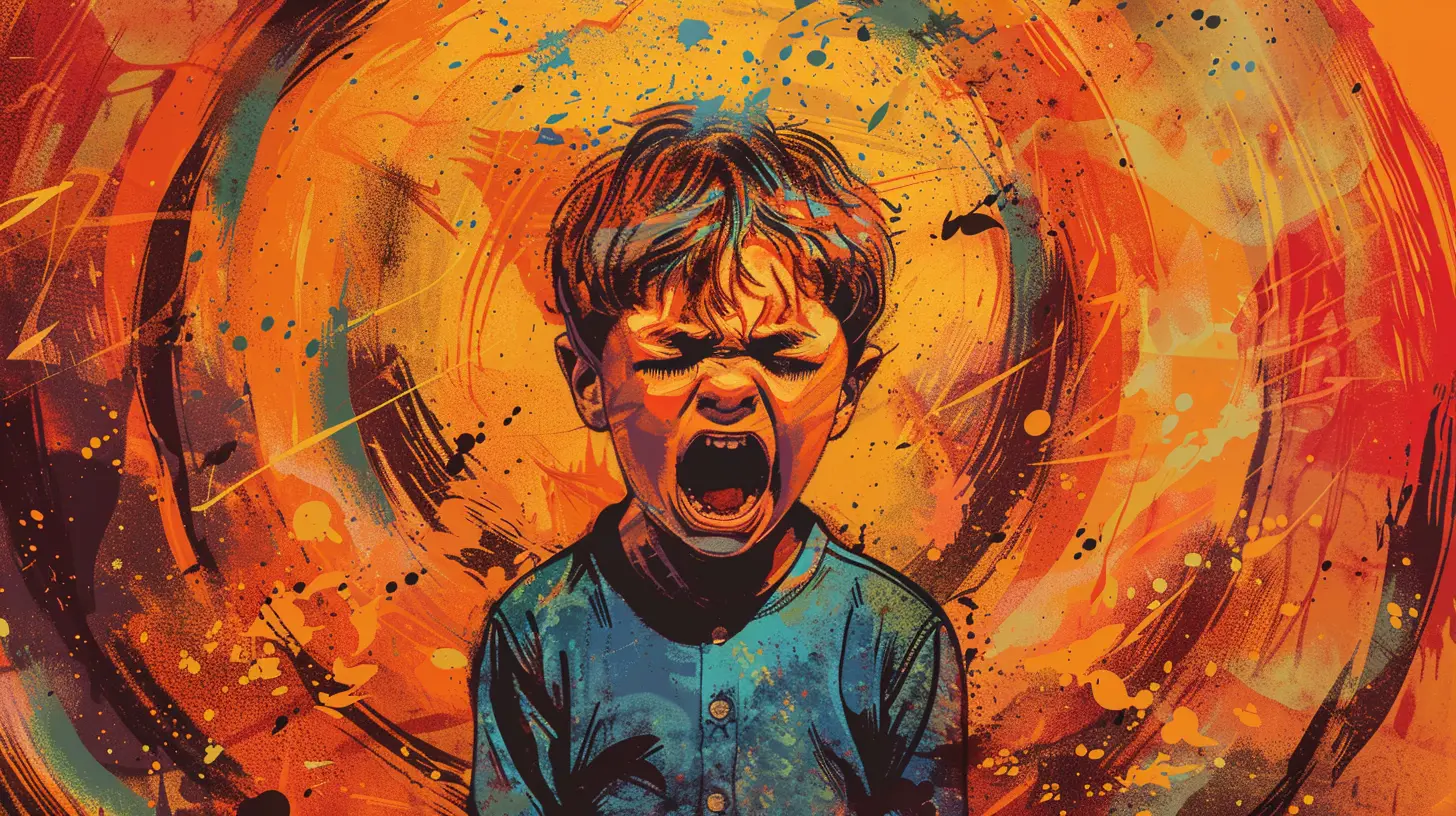
When You Feel Like You’re Failing
Let’s have some real talk here: dealing with meltdowns can be exhausting. There will be moments when you feel like you’ve tried everything, and nothing works. Guess what? That’s normal. No parent handles every tantrum perfectly, and that’s okay.Your child doesn’t need you to be perfect—they just need you to show up, love them, and do your best. So, next time you’re dealing with a screaming toddler in the middle of Target, remind yourself: This is hard, but I’ve got this.
The Bigger Picture
Toddler meltdowns are tough in the moment, but they’re also opportunities to teach your child about emotions, boundaries, and problem-solving. When you approach their outbursts with compassion, you’re showing them that it’s okay to feel big feelings and that they’re safe with you, no matter what.And let’s not forget—you’re doing all of this while juggling a million other parenting challenges. That’s no small feat. So, cut yourself some slack, find humor in the chaos, and remember that this stage doesn’t last forever.
Someday, your toddler will be a teenager rolling their eyes instead of throwing themselves on the floor. And believe it or not, you might even miss these days (well, maybe not the meltdown part, but you get what I mean).
So, hang in there—you’re doing an amazing job.
all images in this post were generated using AI tools
Category:
Tantrum TipsAuthor:

Maya Underwood
Discussion
rate this article
1 comments
Runeveil Warren
This article offers practical insights. Approaching toddler meltdowns with compassion truly makes a difference in creating a nurturing environment. Thank you!
June 5, 2026 at 2:45 AM
Maya Underwood
Thank you for your thoughtful comment! I'm glad you found the insights helpful. Compassion really does change the dynamic.