Developing Strong Listening Skills in Young Learners
15 May 2026
Ever feel like you’re talking to a brick wall when you’re trying to get your little one to listen? You tell them for the tenth time to put on their shoes, and they just stare off into space as if you've spoken in an alien language. Frustrating, right?
Well, good news—listening is a skill, and like all skills, it can be nurtured and developed. Teaching kids how to be better listeners isn't about nagging them into submission. It’s about fostering curiosity, engagement, and understanding.
So, let’s dive into some fun and effective ways to help young learners develop strong listening skills. 
Why Are Listening Skills So Important?
Listening isn’t just about hearing words—it's about understanding, processing, and responding appropriately. Strong listening skills set the foundation for effective communication, better learning experiences, and even stronger relationships.Kids who listen well tend to perform better in school, have better social interactions, and are generally easier to communicate with (which, let’s be honest, makes our lives as parents much easier).
But here’s the kicker: listening is an active process, not a passive one. So, if we want our kids to truly hear us (and not just nod while mentally planning their next Lego masterpiece), we need to make listening an engaging and enjoyable experience for them. 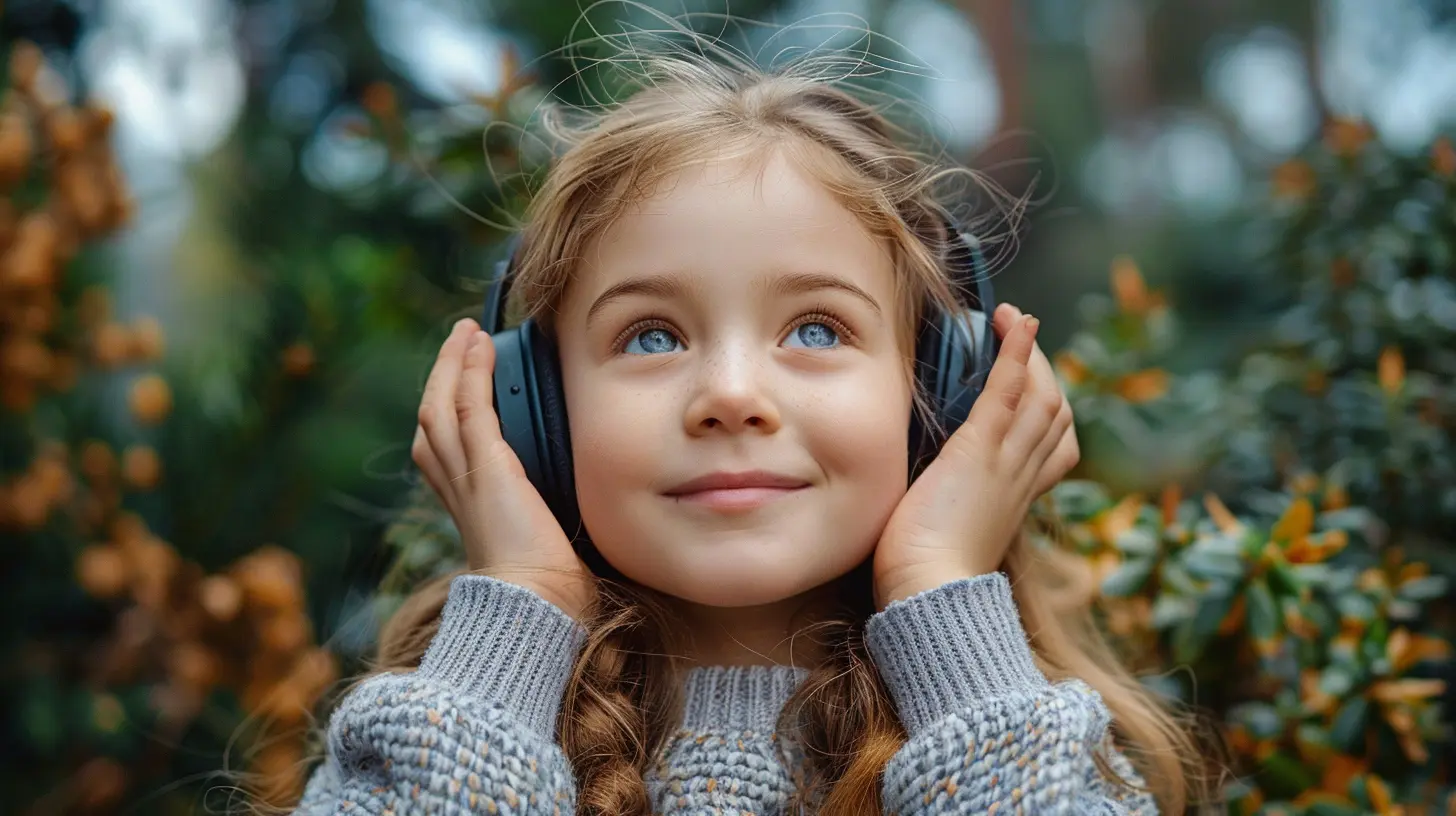
1. Make Listening a Game
Kids love to play, and the good news is that listening can be turned into a fun activity rather than a chore. Try these engaging listening games:Simon Says
Ah, the classic game that has tricked kids into listening for generations! Kids must listen carefully to determine whether they should carry out an action. If you say, _“Simon says touch your nose,”_ they do it. But if you just say, _“Touch your nose”_ without the “Simon says” part, they should stay put.Sound Scavenger Hunt
Have your child close their eyes and identify different sounds around them—birds chirping, the refrigerator humming, a car honking outside. This helps them tune in to details they might usually ignore.Whisper Challenge
Take turns whispering a sentence to each other and see if the other person can repeat it correctly. It’s a hilarious way to practice paying close attention!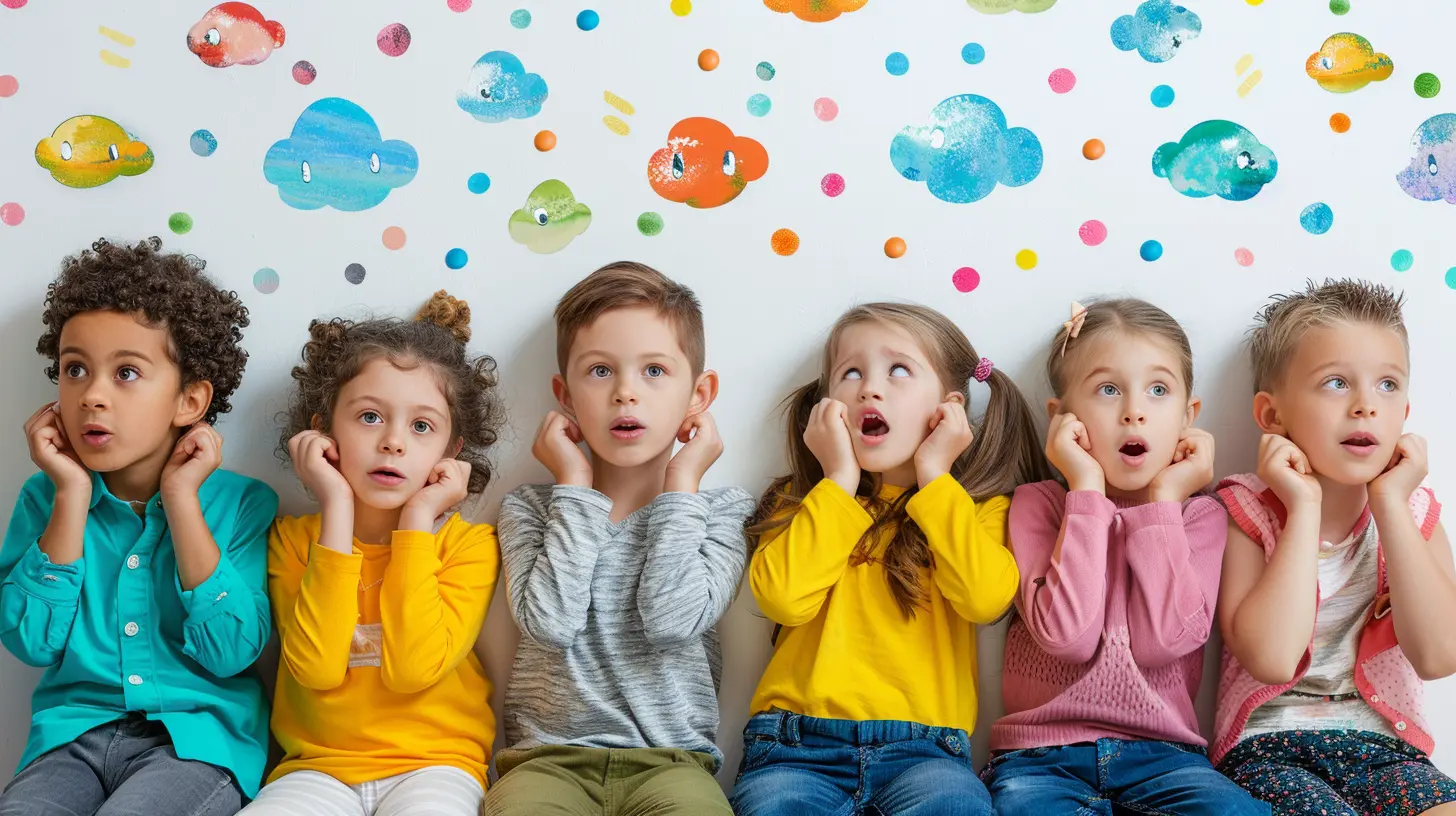
2. Encourage Eye Contact
Have you ever noticed how kids will sometimes respond with “uh-huh” even though they clearly didn’t absorb a word you just said? One way to improve their engagement is by encouraging eye contact.You don’t have to be militant about it, but gently remind them:
? “Hey, can you look at me while I’m talking? That way, I know you’re listening.”
Eye contact helps reinforce active listening and ensures they’re truly focusing on the conversation instead of daydreaming about the next snack break. 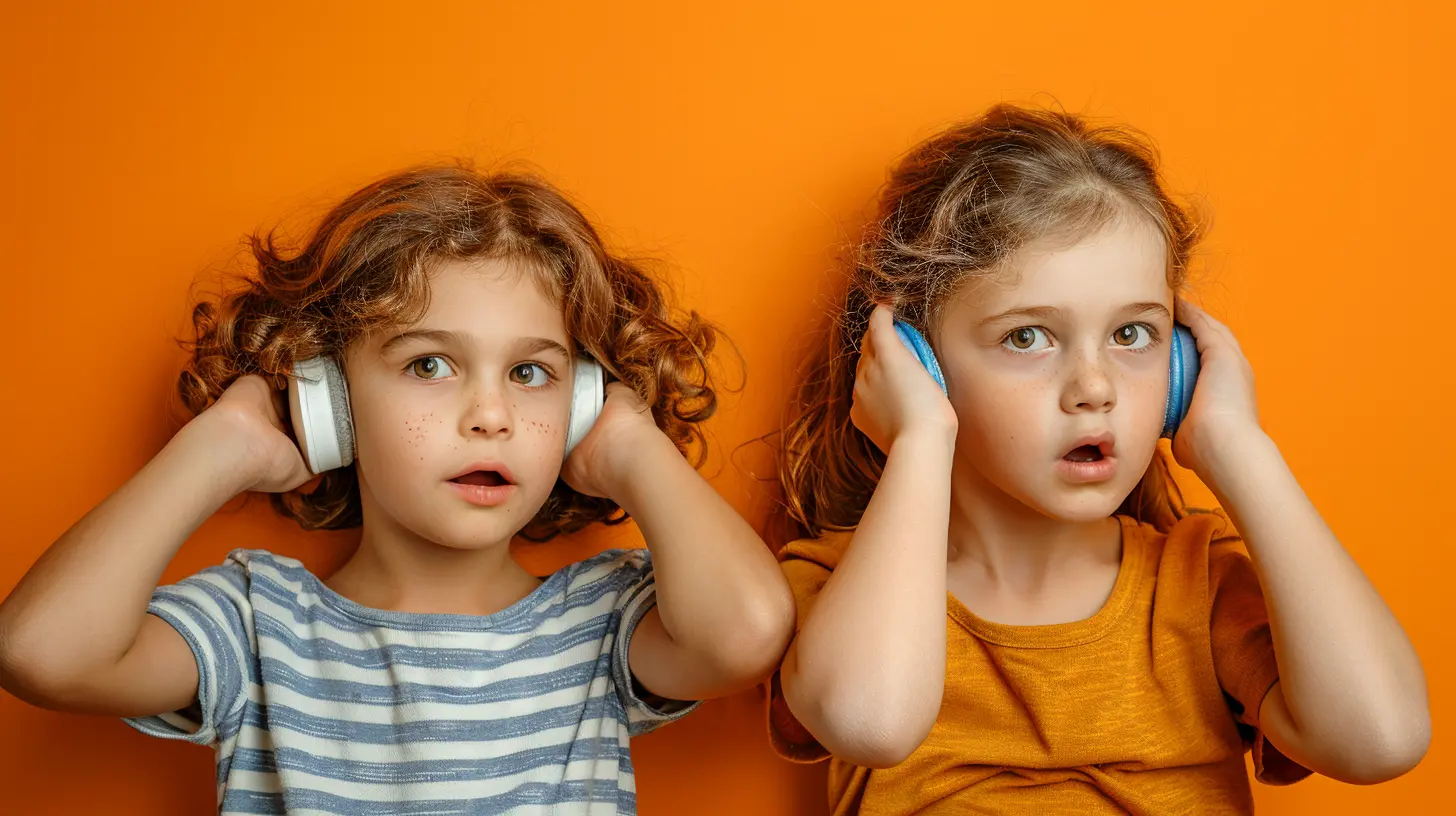
3. Be a Listening Role Model
Kids learn by watching us—that's both a blessing and a curse! If they see us constantly interrupting, zoning out, or half-listening while scrolling on our phones, they’re going to mirror that behavior.Try practicing active listening yourself:
- Put down your phone when your kid is talking.
- Nod, respond, and repeat back what they said to show you’re engaged.
- Avoid interrupting (yes, even when they go on a five-minute tangent about the latest cartoon episode).
When kids see that listening is valued in your household, they’ll start taking it seriously too.
4. Read Together and Discuss Stories
Books aren’t just great for developing reading skills—they’re also fantastic for improving listening.When reading with your child, pause occasionally and ask:
- “What do you think will happen next?”
- “Why did the character do that?”
- “How would you feel if you were in this situation?”
This encourages them to listen actively and process information rather than just passively hearing words.
And don’t be afraid to act out stories with different voices—drama makes listening fun!
5. Encourage Two-Way Conversations
Instead of just giving directions or instructions, engage your child in meaningful conversations. Ask open-ended questions like:- “What was the best part of your day?”
- “If you could be any animal, what would you be and why?”
- “What’s something that made you laugh today?”
These types of questions encourage them to listen carefully and think about their answers, rather than simply nodding along.
6. Teach Them to Take Turns
Have you ever tried to have a conversation with a kid who interrupts every five seconds? Annoying, right? Teaching turn-taking in conversations helps them develop patience and good listening habits.A simple trick? Use a "talking object" (like a small toy or a special rock). Whoever holds the object gets to talk, and everyone else has to listen. When they’re done, they pass it to the next person.
It’s a tangible way for kids to understand the value of listening before speaking.
7. Reduce Background Distractions
Let’s be real—modern life is full of noise. TVs, tablets, phones, and a million other distractions make it tough for kids to focus.When having conversations or giving instructions, try to minimize background noise.
- Turn off the TV.
- Put away the tablet.
- Create a quiet, focused environment when it’s time to listen.
The fewer distractions, the better their ability to concentrate on what’s being said.
8. Give Clear and Simple Instructions
Ever notice how kids totally tune out when you start rambling? Yeah, they’re kind of like Wi-Fi signals—give them too much data, and they stop processing.Instead of saying:
? “I need you to put away your toys, wash your hands, find your shoes, and grab your backpack before we leave.”
Try breaking it down:
✅ “First, put away your toys.” (Wait for them to do it.)
✅ “Now, wash your hands.”
Short, clear instructions work best. One step at a time keeps them focused and prevents that glazed-over look from forming.
9. Praise Good Listening
Positive reinforcement goes a long way! When your child shows good listening skills, acknowledge it:- “Wow! You followed directions so well—high five!”
- “I love how you stopped what you were doing to listen. That was awesome!”
Kids thrive on positive feedback. Letting them know they’re doing a good job makes them more likely to keep up the good habits.
10. Be Patient and Keep It Fun
Let’s face it—kids aren’t going to become expert listeners overnight. There will still be plenty of moments where you feel like you’re talking to a stuffed teddy bear instead of a human child.But by incorporating games, setting examples, and reinforcing positive behavior, you’ll gradually see improvement. Keep it light, keep it engaging, and most importantly—keep your sense of humor intact!
Because when it comes to parenting, laughter is sometimes the best survival tool we have.
Conclusion
Developing strong listening skills in young learners isn’t about forcing them to listen—it’s about encouraging active engagement in a way that feels natural and fun.By playing games, leading by example, and fostering meaningful conversations, we can help our kids become better listeners while also strengthening our bond with them.
And who knows? Maybe one day, you’ll tell them to put on their shoes, and they’ll actually do it the first time you ask. Miracles happen, right?
all images in this post were generated using AI tools
Category:
Life Skills For KidsAuthor:

Maya Underwood
Discussion
rate this article
2 comments
Rook Kim
Great insights on fostering listening skills! These tips will truly benefit young learners.
August 27, 2026 at 3:30 AM
Nina Wallace
This article offers practical tips for fostering listening skills in kids. I appreciate the focus on active engagement and real-life examples. Encouraging children to listen more thoughtfully can make a big difference in their learning.
May 19, 2026 at 4:59 AM
Maya Underwood
Thank you for your thoughtful feedback! I'm glad you found the focus on active engagement and real-life examples helpful. Listening skills are crucial for learning, and I hope these tips inspire positive changes.