Preparing Your Preschooler for Kindergarten
22 January 2026
So, your little one is getting ready to hop from the preschool pond into the big world of kindergarten? First off—congrats! That’s a huge milestone, and it’s totally normal to feel a mix of excitement and nerves (probably more nerves for us parents than our kids, right?).
Kindergarten is where the school journey officially begins, and laying a strong foundation beforehand can make all the difference. Luckily, you don’t need to be a teacher or a child development expert to help your preschooler thrive. In fact, you're already doing more than you know by simply being involved.
Let’s dig into some hands-on, parent-friendly tips for preparing your preschooler for kindergarten—with a healthy dose of real talk and practical advice.
Why Kindergarten Readiness Matters (More Than Just ABCs)
You might be thinking, "Isn't that what school is for?" Fair point. But kindergarten today is more structured than it used to be. The expectations—both academically and socially—have stepped up. Kindergarten teachers hope kids will arrive with some basic skills under their belts: not just knowing shapes or numbers, but also being able to play well with others, follow routines, and express themselves.Think of it like sending your kid into a game. You don’t need them to be an MVP, but knowing the rules ahead of time? That’s gold.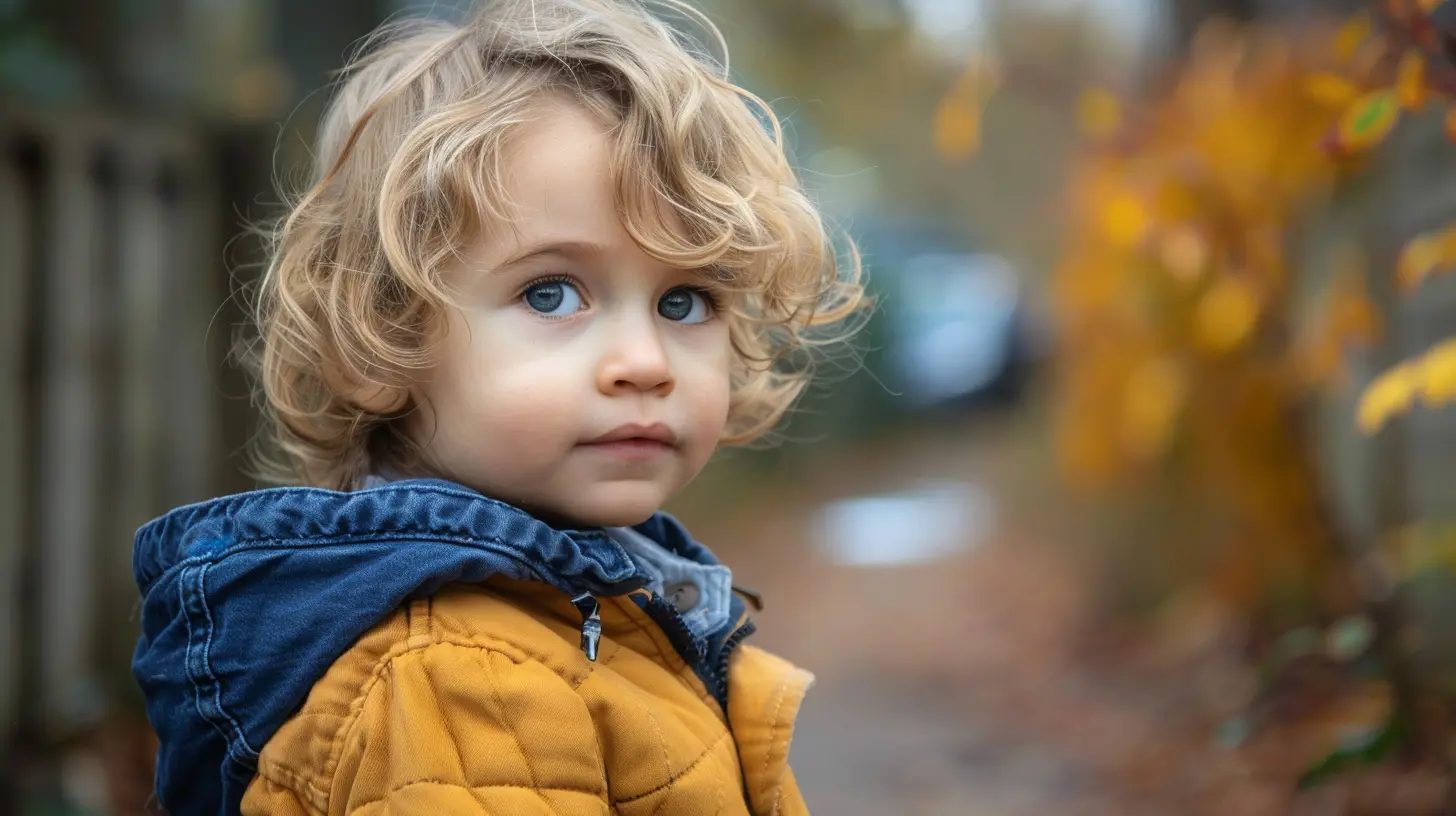
Signs Your Child Is Ready for Kindergarten
Every child develops at their own pace, but here are some general signs of readiness:- Can follow simple instructions (like “Put your shoes on” or “Clean up the toys”)
- Communicates needs clearly using words
- Stays focused on an activity for 5–10 minutes
- Gets along with other kids or shows interest in playing together
- Manages basic self-care (like using the bathroom or washing hands)
Notice what’s not on that list? Reading or doing long-division. Kindergarten readiness is more about life skills and emotional maturity than academic achievements.
1. Building Emotional Readiness: The Heart of Kindergarten Prep
Let’s face it—walking into a new room full of unfamiliar faces can be scary! That’s why emotional readiness is key.Foster Independence
Start by giving your child small responsibilities at home. That doesn't mean expecting them to cook dinner! Think putting away toys, picking out clothes, or dressing themselves. These little wins build confidence.Talk About Feelings
Label emotions when they happen. “You look frustrated—is that how you’re feeling?” This helps your child recognize and express their emotions rather than acting out.Practice Separation
If your child hasn’t had regular time away from you, start doing so in small doses. Maybe a playdate without you hovering, or a short class or activity group. The goal is to help them feel safe and secure even when you're not around.
2. Developing Social Skills: More Than Making Friends
Kindergarten involves a lot of group play, turn-taking, and cooperation. You can help your child get used to this by:- Setting up playdates
- Modeling polite behavior (saying please/thank you)
- Playing board games to teach taking turns and patience
- Reading books about friendship and empathy
And remember, social skills take practice—just like learning to ride a bike. There will be wobbles along the way!
3. Fine and Gross Motor Skills: Getting Hands and Feet Kindergarten-Ready
Kids need certain physical skills to keep up with classroom activities.Fine Motor Skills (Tiny Tools for Big Tasks):
- Holding a pencil/crayon- Using scissors
- Buttoning/zipping clothes
- Gluing and pasting
Let them color, play with playdough, string beads, or even help in the kitchen stirring batter. These seemingly small things work wonders.
Gross Motor Skills (Big Moves):
- Running and jumping- Standing on one foot
- Balancing or hopping
- Managing stairs
Encourage outside play. Let them climb, ride a scooter, or run at the park. Who knew “go play outside” was prepping them for school?
4. Language and Communication: Little Talkers Turn Into Big Learners
Strong communication skills help your child explain what they need, ask questions, and follow instructions.What can you do?
- Talk to them—all the time. Describe what you’re doing, ask questions, get silly with rhymes.
- Read daily. Every book is a chance to build vocabulary and understanding.
- Play imagination games. Let them tell stories, play dress-up, or have their toys “talk” to each other.
The more words they hear and use, the more confident they’ll feel in that classroom.
5. Early Academic Exposure: Yes, But Keep It Light
We’re not talking about drilling flashcards for hours. But giving your child a sneak peek into kindergarten tasks is super helpful.Letters & Sounds
Sing the alphabet song, name letters during car rides, or play letter treasure hunts.Numbers & Counting
Count apples, stairs, or buttons. Use everyday life to introduce basic math: “You have 2 cookies—if I give you 1 more, how many?”Shapes & Colors
Point them out wherever you go. “Look, that sign is a triangle!” Turn it into a game.Make it playful, not pressure-filled. If it starts feeling like homework, pull back.
6. Routines & Structure: The Secret Sauce to Kindergarten Success
Kindergarten runs on routines—lining up, snack time, nap time, clean-up. So the more familiar your child is with structured parts of the day, the easier the transition will be.Create a loose schedule at home that includes:
- A consistent wake-up and bedtime
- Meal and snack times
- Playtime, reading time, and clean-up routines
This not only prepares them for school but also gives them a sense of predictability and security.
7. Visiting the New Environment: Turn Fear into Familiarity
If possible, visit the kindergarten before the first day. Walk the hallways, meet the teacher, let your child explore the playground.If an in-person visit isn’t an option, look for virtual tours or photos on the school’s website. You can also read books about the first day of kindergarten to spark conversations and address any fears.
8. Boosting Confidence: The Mindset That Matters Most
Your attitude sets the tone. If you're nervous or teary (been there!), your child might pick up on that. Instead:- Speak positively about school
- Celebrate their independence
- Share your own happy school memories
Remind them that you believe in them. A confident child doesn’t need to know everything—they just need to believe they can learn it.
9. What to Expect the First Few Weeks (And How to Support Them)
Even with all the prep in the world, those first few weeks can feel rocky. Expect a mix of excitement, exhaustion, and maybe a few meltdowns.Here’s how to help:
- Stay consistent with routines at home
- Prepare the night before (clothes, backpack, lunch)
- Keep your goodbye short and sweet
- Validate their feelings without overanalyzing
- Communicate with the teacher if you have concerns
And after school? Snacks and hugs go a long way.
10. Keep the Conversation Going
Ask your child about their day—but be specific. “What did you do today?” might get a shrug. Try:- “Who did you sit next to at lunch?”
- “What was your favorite part of the day?”
- “What made you laugh today?”
Keeping the lines of communication open helps your child process their experiences and builds trust.
Final Thoughts: Trust the Process
Look—you’re already doing an amazing job just by reading this and caring enough to prepare your child. There’s no such thing as the “perfectly prepared” kindergartner. Some kids walk in ready to go; others take a little longer to settle in. That’s okay.The best thing you can do is support them, cheer them on, and remind them (and yourself!) that learning is a journey, not a race.
Just take it one step at a time—and maybe pack a few tissues for that first day.
Bonus: Quick Preschooler Readiness Checklist
Here’s a handy rundown:✅ Can follow 2-3 step directions
✅ Recognizes some letters and numbers
✅ Can express needs verbally
✅ Demonstrates curiosity and enthusiasm for learning
✅ Manages basic self-care tasks
✅ Plays cooperatively with others
✅ Holds a pencil, uses scissors
✅ Stays on-task during simple activities
✅ Understands classroom routines (circle time, raising hands)
✅ Comfortable separating from parents (even if just a little!
all images in this post were generated using AI tools
Category:
Parenting PreschoolAuthor:

Maya Underwood
Discussion
rate this article
2 comments
Anastasia McInerney
Thank you for the insightful tips! They’re incredibly helpful as we prepare our little one for this exciting new adventure in kindergarten.
February 15, 2026 at 5:07 AM
Maya Underwood
You're very welcome! I'm glad you found the tips helpful for this exciting journey. Best of luck in kindergarten!
Ember Hahn
Great tips! As a parent, I find that making learning fun and involving my child in the process makes all the difference.
January 22, 2026 at 4:06 AM
Maya Underwood
Thank you! Engaging children in a fun way truly enhances their learning experience. I'm glad you found the tips helpful!