How to Encourage Younger Kids to Do Chores Voluntarily
7 June 2026
Ah, chores. That magical word that sends shivers down the spines of both kids and parents. Let’s be honest—it’s not exactly a thrilling concept for a six-year-old to wash dishes or sort laundry. But what if it didn’t have to be a battle every time? What if your child wanted to help out around the house?
Sounds like a dream, right? Well, it’s totally possible.
In this blog, we’re going to dive into practical (and sneaky-effective) ways to encourage younger kids to do chores voluntarily. Not just once, but on a regular basis. We’re talking about turning that "Ugh, do I have to?" into "Okay, let me help!" Let’s roll up our sleeves and figure this out—together.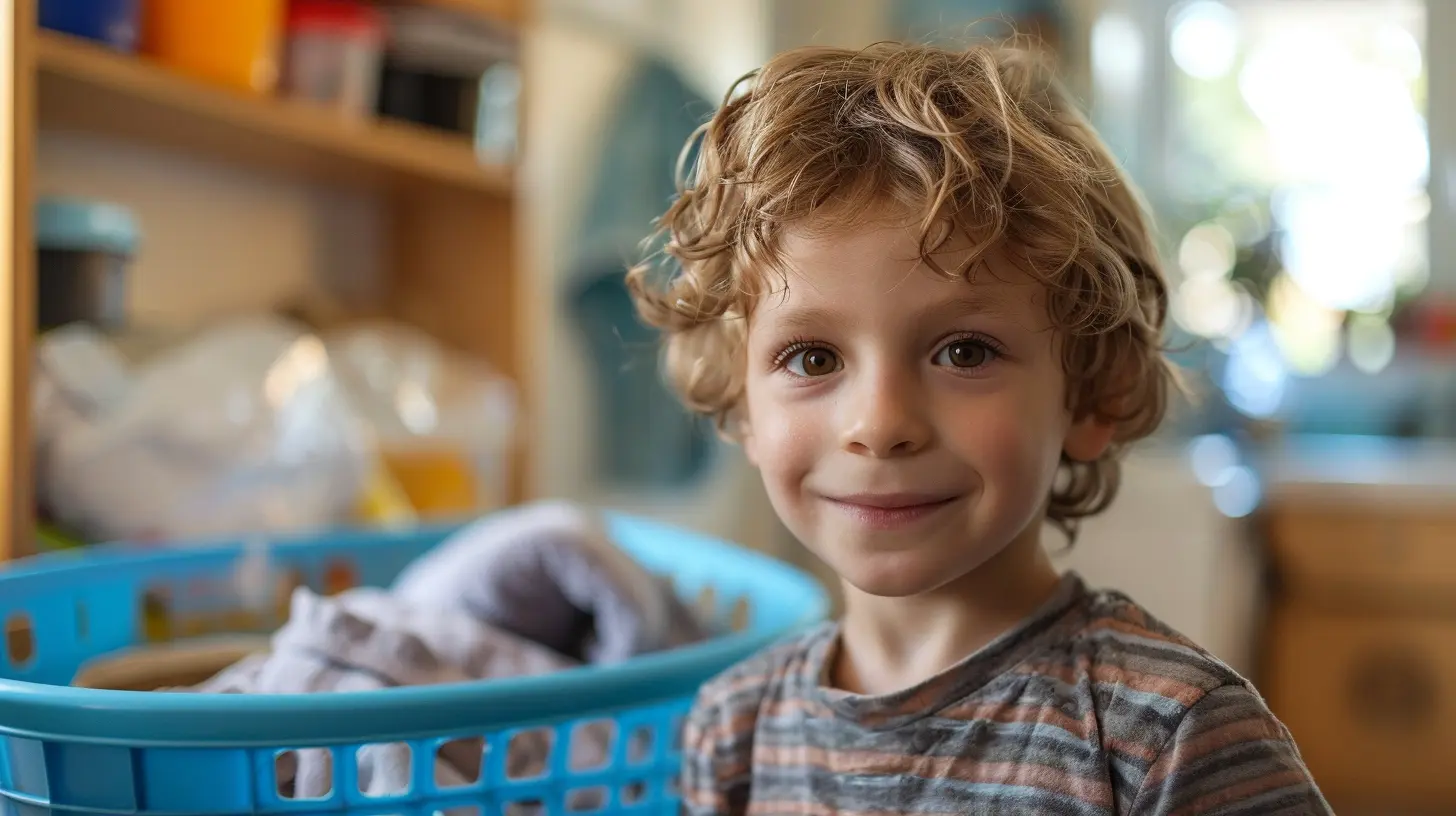
Why Starting Young Matters (Like, Really Matters)
Kids are like sponges. No, seriously—they absorb habits and attitudes from the environment around them. The earlier we introduce chores in a positive way, the better chance we have of making it second nature for them later.And it’s not just about cleaning floors or folding socks. Chores teach life skills: responsibility, teamwork, patience, and a sense of accomplishment.
So, instead of thinking about chores as... well, chores, think of them as life lessons dressed up in little tasks. The dish sponge is a wand of independence. The laundry basket? A treasure chest of learning.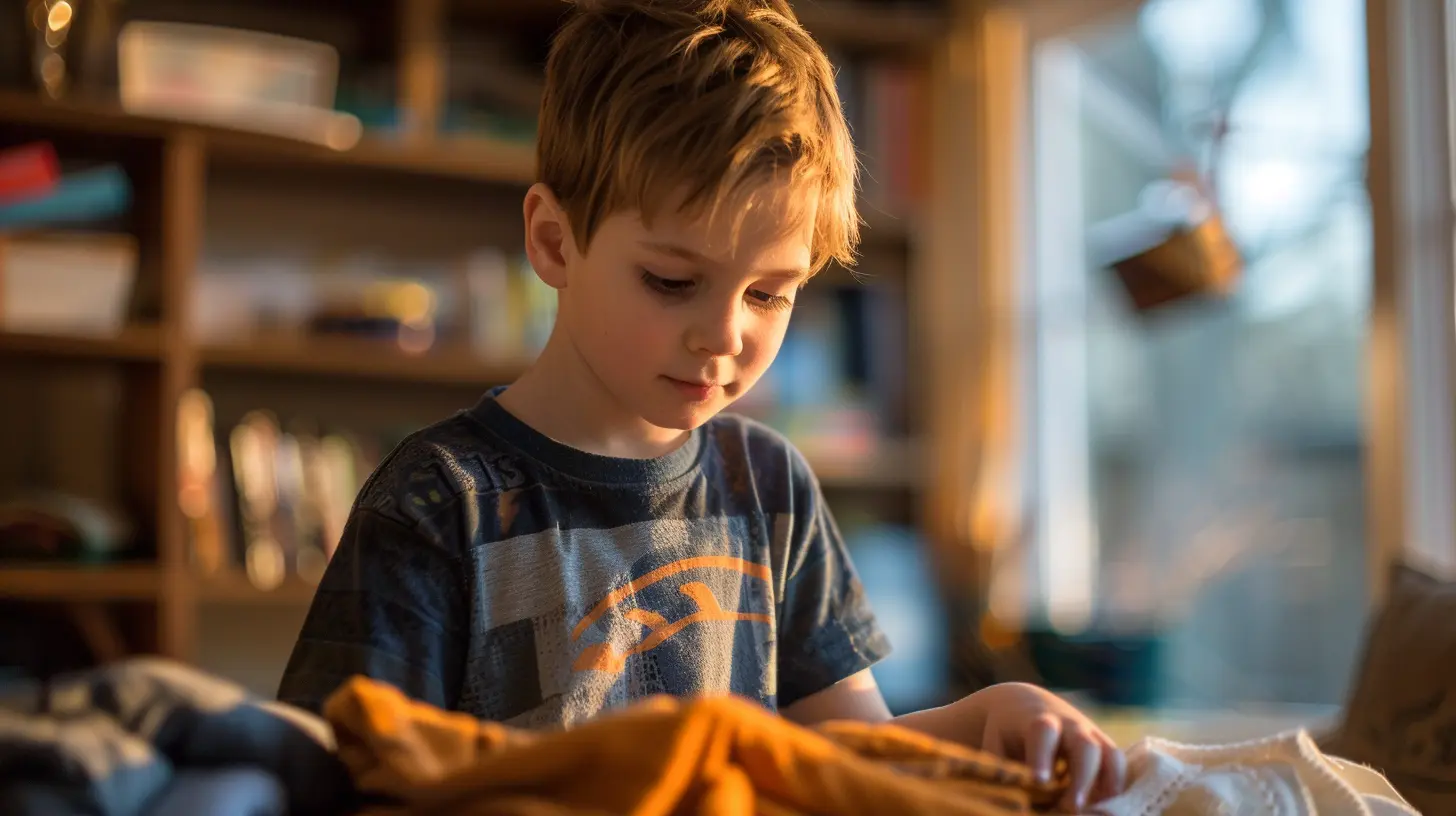
The Secret Sauce: Make It Fun (Yes, It’s Possible)
You wouldn’t want to do something every day if it felt like punishment, right? Neither do kids. Turning chores into something playful is the golden ticket to getting those tiny hands moving.Here’s how to sprinkle a little magic on chores:
- Blast Some MusicCreate a playlist of your child's favorite songs and call it the “Chore Jam.” It's amazing how much faster a room gets cleaned when there’s a dance party going on.
- Time Challenges
“Can you clean up your toys before this song ends?” Simple, but wildly effective.
- Role Play
Let them be the “Laundry Monster” or “Captain Cleanup” on a mission. Imagination fuels motivation.
- Sticker Charts & Visual Progress Boards
Seeing progress is powerful. Bonus: kids love stickers like they’re rare jewels.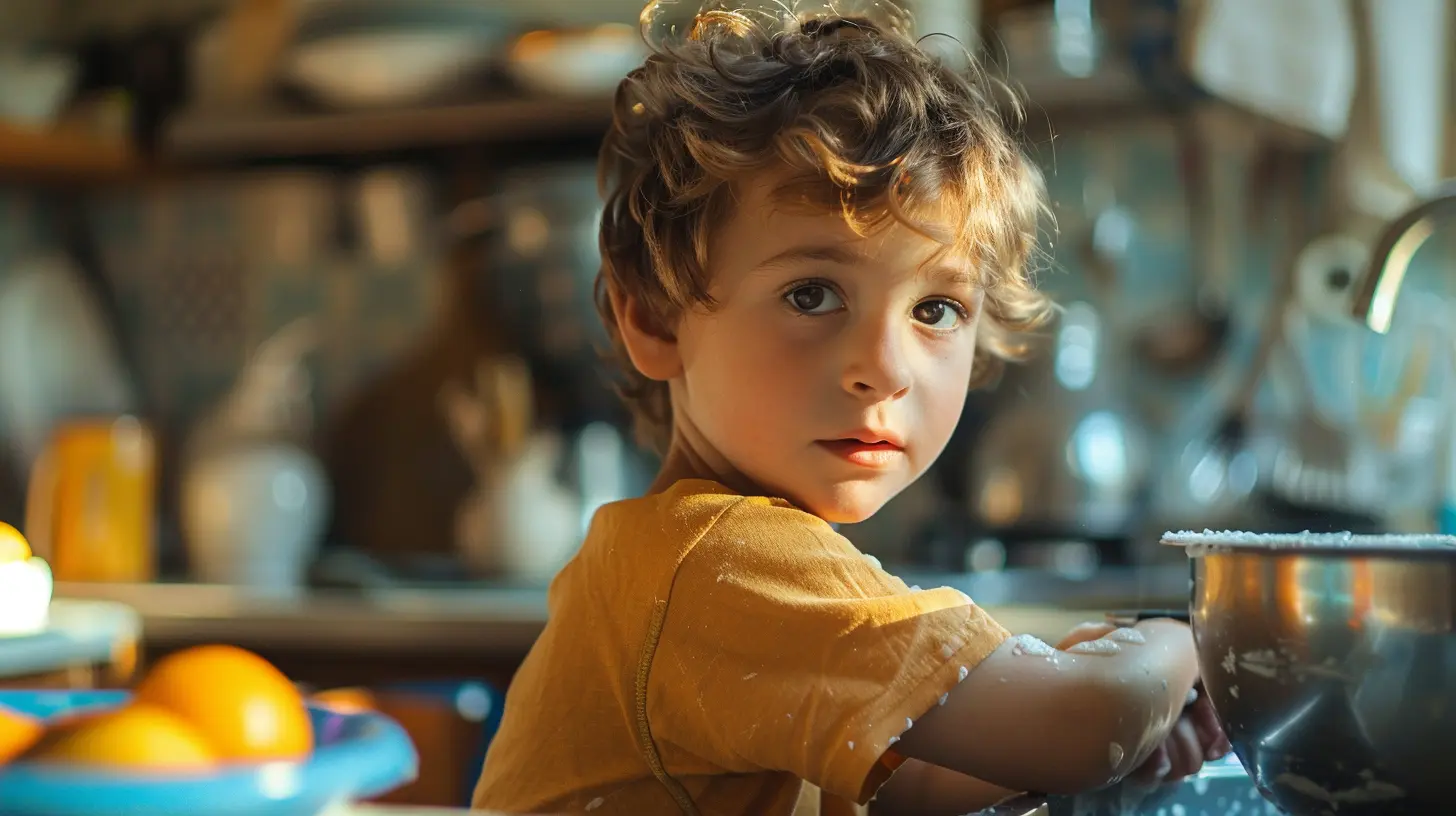
Let Them Have a Say (Because Power Feels Good)
Ever notice how kids light up when you ask for their opinion? Empower them by giving them a choice in the matter.Ask, “Which chore do you want to do today—sweeping or watering the plants?” This tiny bit of control can change everything. It shifts the mindset from “being told what to do” to “having a say.” And who doesn’t want to feel like the boss sometimes?
And hey, the trick here is they’re still doing a chore—you’re just letting them choose which one. Win-win.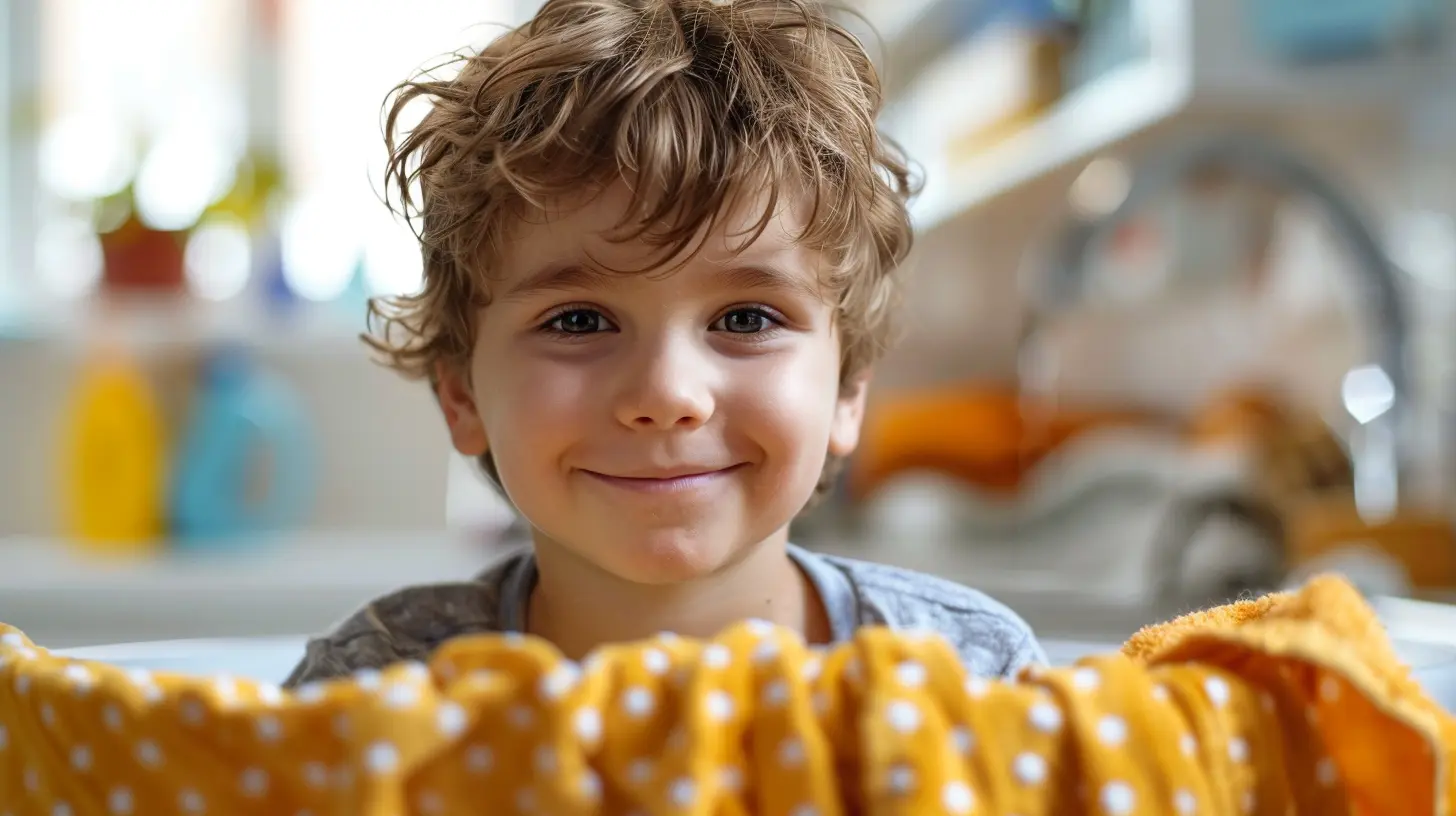
Lead by Example (They're Always Watching... Always)
Here’s a little secret—your child is studying you like a hawk. If they see you grumble and groan about doing dishes, they’ll probably pick up that attitude too.But if you whistle your way through folding towels or hum while tidying up, they notice that too. Model the behavior you want them to imitate.
You could even say things like, “Ah, it feels so good when the kitchen is clean!" or “I feel proud when I finish my chores—it makes the house happy.” That positive reinforcement? It plants seeds.
Start Small and Age-Appropriate (No One Starts by Mopping Floors)
Don’t hand your five-year-old a vacuum cleaner and expect magic. Start with micro-tasks—things that are quick, safe, and easy to understand.Here’s a handy breakdown:
Ages 2–3:
- Putting toys in bins- Throwing trash away
- Wiping low surfaces with a cloth
Ages 4–5:
- Making their bed (it won’t be perfect, and that’s okay!)- Helping set the table
- Feeding pets
Ages 6–7:
- Folding hand towels- Watering houseplants
- Sweeping small areas
The key? Keep expectations reasonable. The goal isn’t perfection—it’s participation.
Make It Routine (Like Brushing Teeth)
Chores shouldn’t feel like surprise attacks. “Oh no! You have to pick up all those LEGOs before dinner!” Cue the drama.Instead, build chores into their daily rhythm. Just like they brush their teeth and put on pajamas, chores become part of “what we do.”
For younger kids, routines offer comfort. Knowing what to expect (and when) reduces resistance.
Try something like:
- After breakfast: Help wipe the table
- Before dinner: Pick up toys
- Before bed: Put dirty clothes in the hamper
Simple. Predictable. Effective.
Recognize (And Celebrate!) Their Efforts
Let’s be real—everyone likes to be noticed. Kids are no exception. A high five, a “Wow, you did an awesome job feeding the dog today!” or even a big dramatic cheer can go a long way.Celebration doesn’t have to be elaborate. The acknowledgment is what matters.
And no, you don’t always need to give rewards. But every now and then, a little surprise—like extra bedtime story minutes or picking what’s for snack—keeps them motivated.
Just avoid turning every chore into a transaction. You don’t want them to think, "What’s in it for me?" every time they lift a finger.
Make It a Family Thing (Teamwork = Dream Work)
Kids love feeling like they’re part of something bigger. So turn chores into a family affair.“All hands on deck! Let’s all tidy up for 15 minutes before movie night!”
This approach shifts the focus from “I have to clean” to “We’re all doing this together.”
You’d be surprised how much faster (and more fun) cleaning is when it becomes a shared mission.
Use Natural Consequences (Let Reality Teach)
Sometimes, the best way for kids to understand the value of a chore is to feel the result of not doing it.Didn’t put toys away? Maybe they can’t find their favorite truck when they want it. Didn’t help with lunch setup? Then maybe they have to wait a bit longer to eat.
These little inconveniences teach responsibility in a non-naggy way. It’s parenting judo—using natural forces to your advantage.
Stay Consistent (Even When It’s Tempting Not To)
We get it—it’s faster and easier to just do the chores yourself. After a long day, you just want the socks picked up without turning it into a drama scene.But here’s the thing: every time we step in instead of involving them, we send the message that “someone else will do it.” That’s the opposite of stewardship.
Consistency teaches follow-through. And yes, you may need to repeat instructions and have tons of patience. But give it time. The seeds you’re planting today? They grow into solid habits tomorrow.
Use Storytelling and Emotions
Sometimes, logic doesn’t land—but emotions will.“Do you know what makes our house feel happy? When we all help take care of it. Just like how we feel happy when someone helps us.”
Make it relatable. Use examples from their favorite shows or books. Create a bedtime story starring them as the hero who saves the day... by folding napkins.
If you make chores part of their identity (I’m helpful; I take care of things), you build lifelong habits.
Be Patient (It’s a Marathon, Not a Sprint)
Honestly? Some days will be a bust. That’s okay. Kids are learning—so are we.Don’t expect perfect compliance or gleeful participation every single time. There may be whining. There may be resistance. What matters is the overall trend.
Even when it feels like nothing’s working—trust that it is. The consistent exposure to responsibility, the little routines, and the occasional cheer? They’re slowly weaving into your child’s sense of self.
And before you know it, you’ll catch them doing a chore without being asked—and that’s your gold medal moment right there.
Final Thoughts
Encouraging young kids to do chores voluntarily isn’t about strict schedules or bribery. It’s about creating a home where helping out is part of the culture—where kids feel capable, included, and proud of their contribution.So start small. Stay consistent. Make it fun. Celebrate the small wins. And trust the process. Your future self (and your future teenager) will thank you.
After all, we’re not just trying to raise tidy kids—we’re trying to raise responsible, thoughtful adults. And that? That starts one chore at a time.
all images in this post were generated using AI tools
Category:
Kids And ChoresAuthor:

Maya Underwood
Discussion
rate this article
1 comments
Velma McElveen
Encouraging kids to do chores voluntarily hinges on fostering a sense of ownership and responsibility. When they see their contributions matter, they develop pride and understanding of teamwork within the family.
June 12, 2026 at 2:27 PM
Maya Underwood
Absolutely! When kids feel their efforts are valued, it builds their confidence and strengthens family bonds. Encouraging that sense of ownership is key.