Chores and Life Skills: Preparing Your Kids for the Real World
13 April 2026
Let’s be honest — parenting is no walk in the park. Between playdates, school runs, tantrums, and bedtime routines, life gets hectic. But amid all the chaos, there's one golden opportunity you simply can’t miss: teaching your kids chores and life skills. Why? Because giving your children responsibilities at home helps them grow into confident, capable, independent adults.
Sounds simple, right? Yet in today’s fast-paced, tech-heavy world, many parents are skipping out on this vital part of growing up — often unintentionally. But here’s the thing: the earlier kids learn how to manage real-life tasks, the more smoothly they'll sail through adulthood.
So, grab a coffee, take a seat, and let’s chat about one of the most underrated secrets to raising rockstar kids.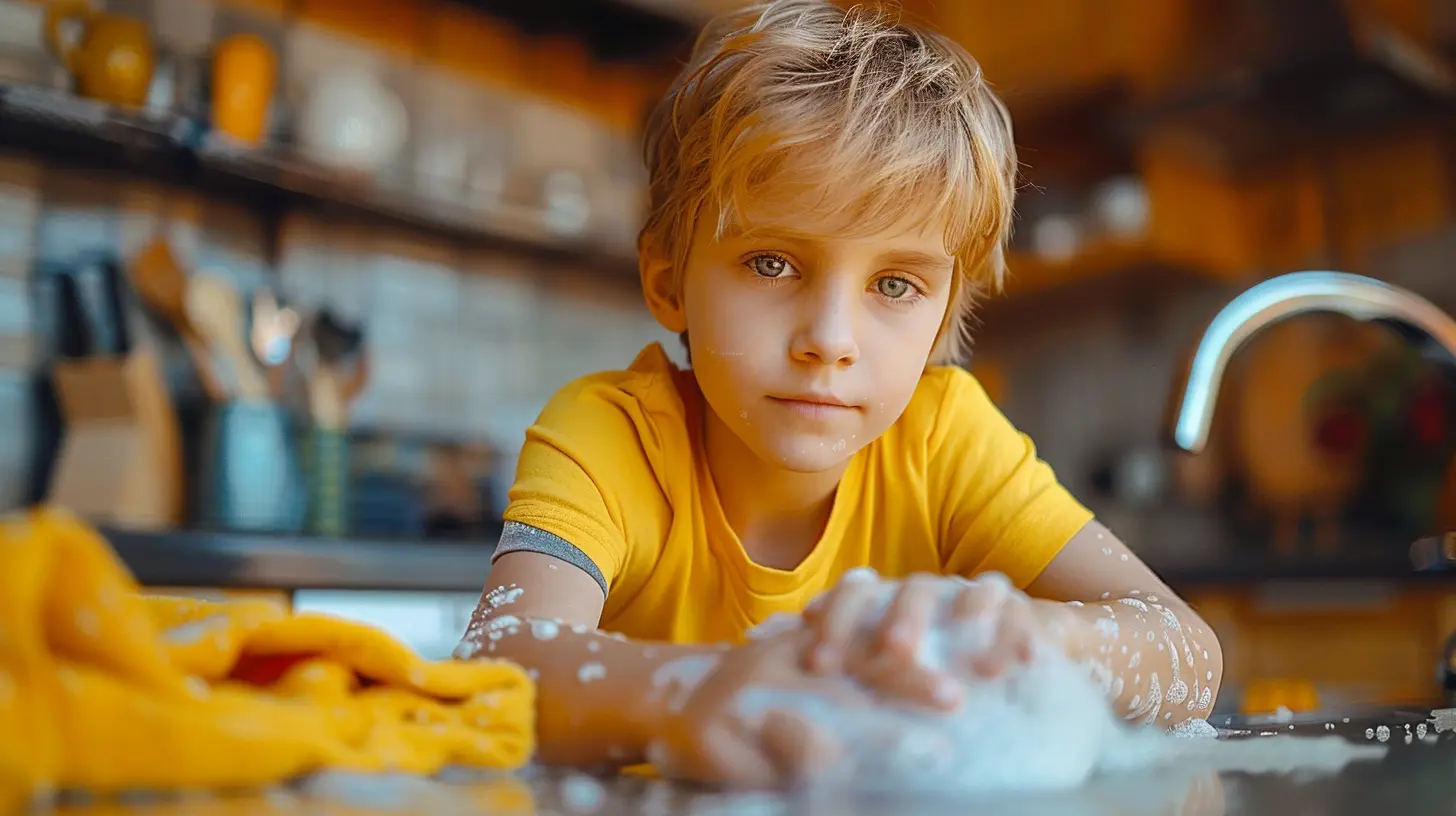
Why Chores Are More Than Just Housework
Let’s get one thing straight — chores aren’t just about clean floors and folded laundry. They're training grounds for life. Every dish washed, bed made, and toy picked up is a small step toward building essential life skills.Think about it — when your child learns to do chores, they're not just helping around the house. They're learning responsibility, time management, organizational skills, and even teamwork. These are the same skills they’ll need when they head to college, start a job, or live on their own.
It’s like muscle memory for life. The more they practice now, the easier adulthood will feel later.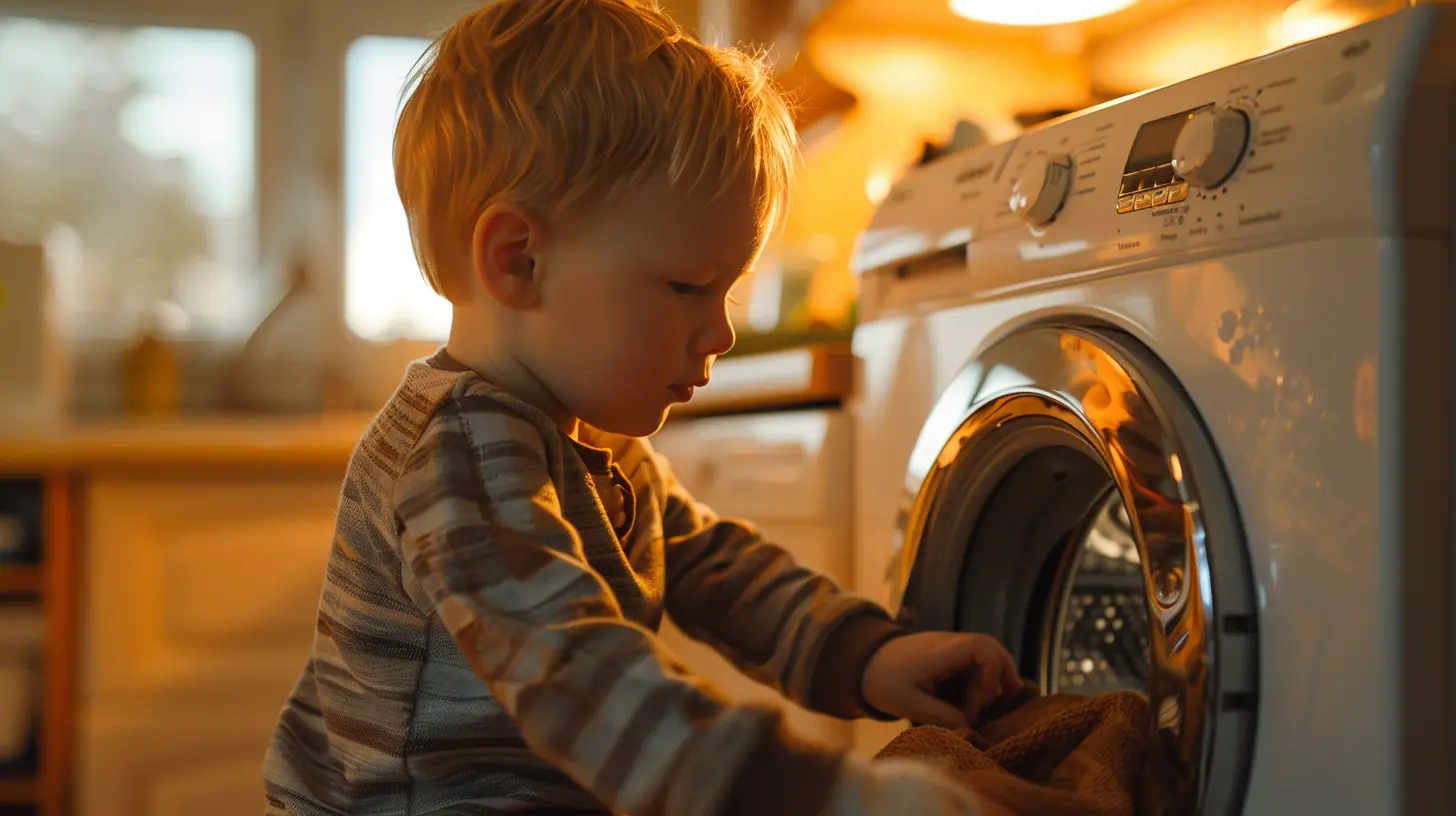
The Real-World Benefits of Teaching Kids Chores
Here’s where things really get interesting. Studies have shown that children who start doing chores early in life grow up to be more successful socially, academically, and professionally. It may sound like magic — but it’s just real-world cause and effect.Let’s break it down:
1. Responsibility That Sticks
Giving kids chores teaches them that they’re part of a team — the family team. It shows them their contributions matter. When kids feel needed and trusted, they take ownership of their tasks. That’s how responsibility becomes second nature.2. Boosted Confidence and Independence
Ever see your kid beam after making their bed or putting away the dishes? That’s pride in action. Every small win leads to big confidence. They're learning that they can do things for themselves — and that’s priceless.3. Learning from Mistakes (Safely)
Let’s be real — kids will mess things up. Clothes may shrink in the dryer, eggs may get burned, and milk might spill. But here's the gift: messing up at home is a safe way for them to learn. It’s where they build resilience and problem-solving skills that will serve them for life.4. Work Ethic Starts at Home
Doing regular chores helps kids understand that everyone has to pitch in. Even mom and dad. This instills a strong work ethic early on, which pays off big-time when they get their first job or take on school projects.
Age-Appropriate Chores That Actually Work
You might be wondering, “What chores can my 4-year-old actually do?” Good question. The goal isn’t perfection — the goal is participation. Here’s a quick cheat sheet to help you start:Ages 2–3 (Yes, really!)
- Putting toys in a bin- Helping feed the pet
- Dusting surfaces with a cloth
- Putting dirty clothes in a hamper
Tip: Keep tasks short and sweet. Sing a song while they clean up — it works like magic!
Ages 4–6
- Making the bed (no hospital corners, just effort!)- Setting the table
- Watering plants
- Packing their backpack
This is the age when kids start to feel pride in being “big helpers.” Use that momentum.
Ages 7–9
- Sweeping floors- Folding simple laundry (think towels, socks)
- Emptying the dishwasher
- Raking leaves
They’re ready for more detailed tasks now. Encourage independence, even if it takes longer.
Ages 10–12
- Taking out garbage- Making simple meals (sandwiches, toast, eggs)
- Washing the car
- Doing laundry start-to-finish
Let them take ownership. Rotate chores and introduce weekly responsibilities.
Teens (13+)
- Mowing the lawn- Budgeting their allowance
- Grocery shopping with a list
- Babysitting younger siblings
- Managing a calendar
You're now preparing them for life on their own. Think bigger-picture skills they’ll use forever.
How to Get Kids On Board With Doing Chores (Without Nagging)
Let’s face it — most kids aren’t going to jump up and say, “Yes, please! Let me clean the toilet!” But you can make it easier. Here’s how to get your kids involved without a full-blown meltdown:1. Start Young and Be Consistent
The younger you start, the easier it becomes. And stick to it. Kids thrive on routines, and chores can be part of their normal daily rhythm.2. Make It a Team Effort
Do chores together — especially in the beginning. Kids mimic what they see. If they see you folding laundry with a smile (even a fake one), they’ll be more likely to join in.3. Give Choices
Don’t assign chores like a drill sergeant. Give options: “Would you prefer to vacuum or feed the dog today?” Letting them choose gives them a sense of control.4. Praise Progress, Not Perfection
Your kid's room might still look like a tornado passed through — but if they made an effort, call that out. Praise effort and improvement more than getting it “just right.”5. Use Rewards Sparingly
Charts and allowances can be great motivators, but don’t rely on them for every chore — or you'll be setting up a "What's in it for me?" mindset. Sometimes, helping should be just part of being a family.Life Skills Every Kid Should Know Before They Leave Home
Okay, so chores are great. But let’s zoom out. Chores are just the beginning. Your mission — should you choose to accept it — is to equip your child with the life skills they'll need when they fly the nest.Here are the big ones:
1. Basic Cooking
Your kid doesn’t need to be the next MasterChef, but they should know how to cook more than ramen noodles. Teach them how to cook a few basic meals — scrambled eggs, pasta, stir-fry — and they’ll survive college just fine.2. Budgeting & Money Management
Start small. Show them how to manage their allowance, save for something big, or even open a savings account. Money smarts are learned — not inherited.3. Time Management
From making to-do lists to using a planner, time management is a skill that changes the game. Teach them how to prioritize and manage their day, especially as school and extracurriculars ramp up.4. Laundry Skills
It’s shocking how many teens leave home having no idea how to do laundry. Don’t let that be your kid. Show them how to sort, wash, dry, fold — the whole package.5. How to Clean... Everything
Floors, bathrooms, dishes, the fridge — go through it all. Don’t assume they’ll “just know.” Teach them once, walk them through it twice, and let them practice often.6. Problem Solving & Decision Making
This one’s a little less cut-and-dried but super important. Help your kids think through choices, weigh pros and cons, and learn from mistakes. The goal isn’t to control — it’s to coach.Chores Build Character – And That’s the Ultimate Goal
Think back — what life lessons did you learn when you were young that still shape your life today?Maybe it was doing dishes with your sibling (even though you argued the whole time). Or mowing the lawn every Saturday before cartoons. Those small acts helped build your character.
That’s what chores and life skills are all about — shaping our kids from the inside out. It isn’t just about getting through the week. It’s about preparing them for the long haul.
So the next time your little one whines about picking up toys or your teen grumbles about taking out the trash, remember this — every task is a stepping stone toward adulthood. You're not just raising kids. You're raising future adults who can handle life with grit, grace, and a whole lot of common sense.
Final Thoughts: Start Small, Stay Consistent, and Keep It Real
You don’t need fancy charts or Pinterest-perfect schedules. Just start where you are. Be patient. Be consistent. And above all — believe in your child’s ability to grow.Because every time they sweep the floor, fold a towel, or crack an egg, they’re doing more than just a chore. They’re leveling up in life — and you get a front-row seat to watch that magic happen.
You've got this, and so do they.
all images in this post were generated using AI tools
Category:
Kids And ChoresAuthor:

Maya Underwood
Discussion
rate this article
2 comments
Uri McLoughlin
Great insights! Teaching kids chores fosters responsibility and essential life skills. Thanks for sharing these valuable tips!
April 13, 2026 at 5:03 PM
Maya Underwood
Thank you! I'm glad you found the tips helpful. Teaching chores really does build important skills for kids.
Zethryn Cruz
Great insights! Teaching kids chores fosters responsibility and essential life skills for their future independence.
April 13, 2026 at 4:53 AM
Maya Underwood
Thank you! It's so important to give kids that foundation early on. Chores really do shape their future independence.