Handling Resistance: What to Do When Kids Refuse to Do Chores
1 August 2026
Chores are an essential part of childhood. They teach responsibility, discipline, and life skills. But let’s face it—kids aren’t exactly lining up to do them! If your child groans, complains, or flat-out refuses to pitch in, you’re not alone.
The good news? There are ways to tackle this resistance without turning your home into a battleground. Let’s dive into why kids resist chores and, more importantly, what you can do to encourage cooperation without constant nagging. 
Why Do Kids Resist Doing Chores?
Before we jump into solutions, it helps to understand why chores feel like such a struggle for kids.1. They See No Benefit
Kids live in the moment. The idea of a clean room or an empty sink doesn’t excite them the way it does for parents. If they don’t see the immediate value of a task, they’re likely to push back.2. It Feels Like a Punishment
If chores are only assigned after misbehavior, kids associate them with being in trouble rather than just a normal part of life.3. Lack of Motivation
Let’s be honest—chores aren’t fun. If a child doesn’t have a reason to care, they won’t bother.4. Overwhelm
Sometimes, a messy room feels like an impossible task. Without clear steps, kids may feel too overwhelmed to start.5. It’s Not a Priority
To a child, homework, playtime, and screen time all rank higher than taking out the trash. If chores feel like an afterthought, they won’t make it onto the “to-do” list.
How to Get Kids to Do Chores Without a Fight
Now that we understand the resistance, let’s tackle it head-on with some practical (and sanity-saving) strategies.1. Start Early and Make It Routine
If chores become a normal part of life early on, kids are less likely to resist them. Toddlers can start with simple tasks like putting toys in a bin, while older kids can handle bigger responsibilities.Make chores part of a daily routine instead of something you suddenly spring on them. When expectations are clear, resistance decreases.
2. Give Them Choices
Kids love having control. Instead of saying, “Clean your room now,” try, “Would you rather clean your room before dinner or after?” This small shift makes kids feel like they have a say, reducing defiance.3. Use Positive Reinforcement
Praise works wonders. A simple “I really appreciated how you helped with the dishes” can make them feel valued.Instead of using rewards as bribes, tie them to responsibilities: “Once your chores are done, you can have screen time.” This approach reinforces that privileges come after responsibilities.
4. Make It Fun
Let’s be real—chores are boring! But adding an element of fun can work magic.- Race against the clock – "Can you clean your room in 10 minutes?"
- Turn on music – A dance party while vacuuming? Yes, please!
- Chore bingo – Create a fun checklist and let them mark off tasks as they go.
When work feels like play, kids are more likely to participate.
5. Be a Role Model
Kids mimic what they see. If they see you complaining about chores, they’ll do the same. But if they see you tidying up without grumbling, they’ll learn that chores are just a normal part of life.6. Break Tasks into Smaller Steps
Telling a child to clean their entire room can feel overwhelming. Instead, break it down:1. Pick up clothes.
2. Put books on the shelf.
3. Make the bed.
Smaller steps make the task feel achievable, reducing resistance.
7. Set Clear Expectations
Rather than saying, "Help out around the house," be specific: “You are responsible for taking out the trash every Wednesday and Saturday.” When kids know exactly what to do and when to do it, there’s less room for excuses.8. Give Natural Consequences
Instead of nagging, allow natural consequences to play out. If they don’t put their laundry in the hamper, they’ll run out of clean clothes. If they leave their toys scattered, they might step on a painful Lego (ouch!).This teaches responsibility without constant reminders.
9. Use a Chore Chart
Visual reminders help! Hang a chart on the fridge with daily or weekly tasks. When kids can see what’s expected, they’re more likely to follow through.10. Stay Calm and Avoid Power Struggles
If you engage in a battle every time your child refuses, they’ll learn that arguing is part of the process. Instead, stay calm and stick to your expectations.For example, if they refuse to set the table, simply say, “Dinner will be served once the table is set.” No yelling, no threats—just cause and effect. 
What If They Still Refuse?
Even with these strategies in place, resistance can still happen. What then?1. Have a Conversation
Sit down and ask why they don’t want to do their chores. Sometimes, there’s an underlying reason—maybe they’re feeling overwhelmed, tired, or unmotivated. Understanding their perspective can help you adjust your approach.2. Adjust the Task
If a chore is too difficult or unappealing, find a compromise. Maybe they’d rather sweep the floor than wash dishes. Giving them some flexibility can reduce resistance.3. Remind Them of the Family Teamwork
Explain that everyone in the house plays a role. Say something like, “I do the cooking, Dad cleans up, and you help set the table. We all contribute so our home runs smoothly.”When kids see chores as teamwork rather than punishment, they may be more willing to help.
4. Stay Consistent
The moment you let chores slide, kids take notice. Stay firm and consistent with expectations. Over time, they’ll learn that chores aren’t optional.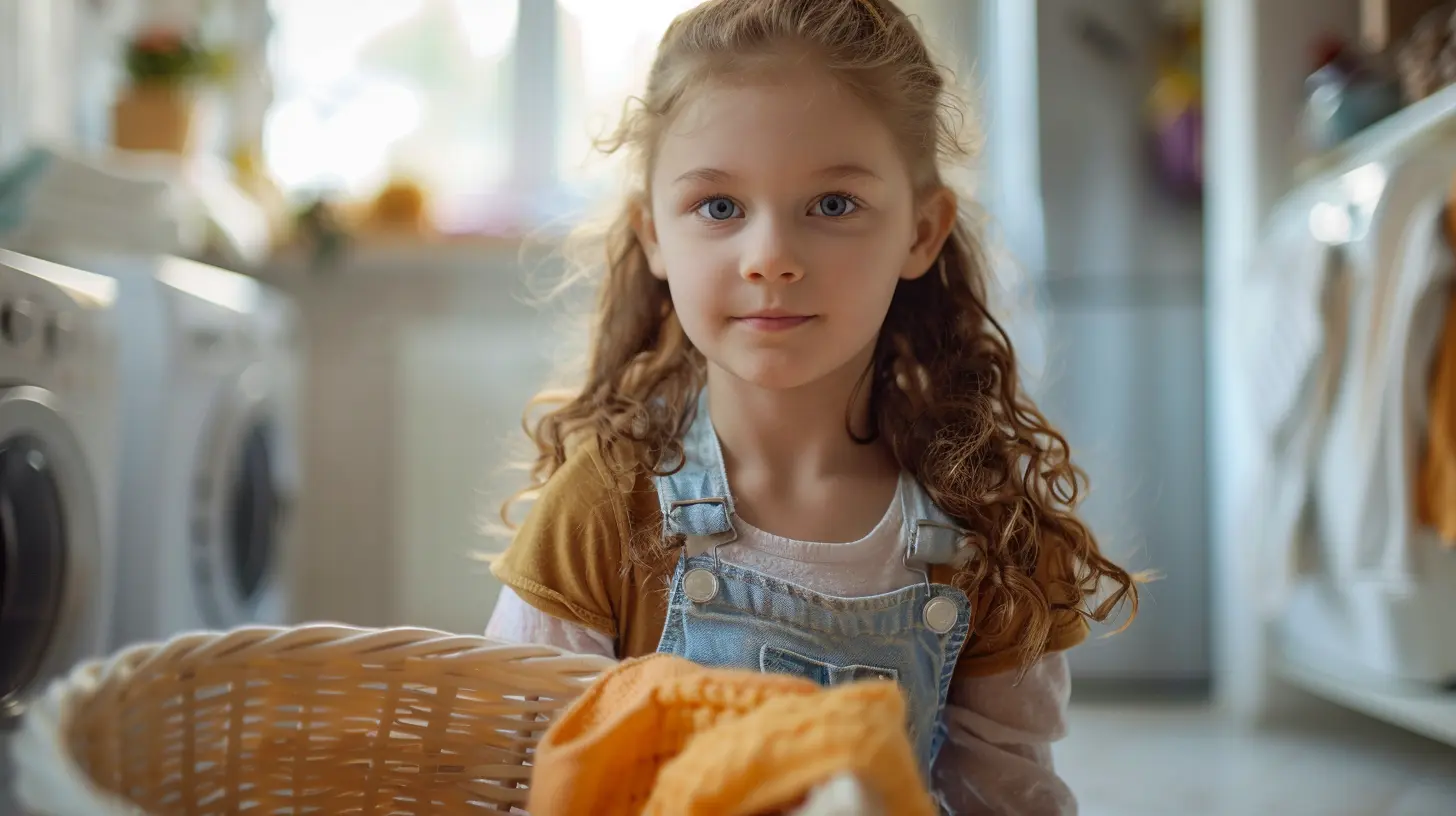
Final Thoughts
Getting kids to do chores without arguments isn’t impossible—it just takes the right approach. By making it fun, giving choices, staying calm, and setting clear expectations, you can encourage cooperation and teach valuable life skills along the way.Remember, it's not about perfection but progress. Some days will be smooth, others may be a struggle, but by sticking with a consistent plan, your child will eventually get the hang of it.
So, next time you hear, "I don't want to do my chores!"—take a deep breath, use these tips, and turn resistance into responsibility.
all images in this post were generated using AI tools
Category:
Kids And ChoresAuthor:

Maya Underwood
Discussion
rate this article
1 comments
Gianna Gray
Ah, the classic chore standoff. It's like a high-stakes negotiation with a tiny dictator who thinks cleaning means moving crumbs from one spot to another. Maybe just offer a bribe of ice cream or a superhero cape. Who knew chore time could come with a side of diplomacy?
August 10, 2026 at 3:51 AM