Using Art and Creativity as Emotional Outlets for Children
2 March 2026
Let’s be real—kids have BIG feelings. And just like us adults, they don't always know what to do with all that emotion bubbling up inside. Anger, sadness, excitement, anxiety... it all needs a place to go. But here's the thing—children don’t always have the words to talk about what they’re feeling. That’s exactly where art and creativity step in like a superhero with a paintbrush.
In this post, we’re diving deep into how using art and creativity as emotional outlets for children can be life-changing. We'll chat about why it's so powerful, and how you can encourage your child to express their emotions in colorful, messy, and meaningful ways. Whether you’re a parent, caregiver, or just someone who loves a little human and wants to help them thrive, you’re in the right place.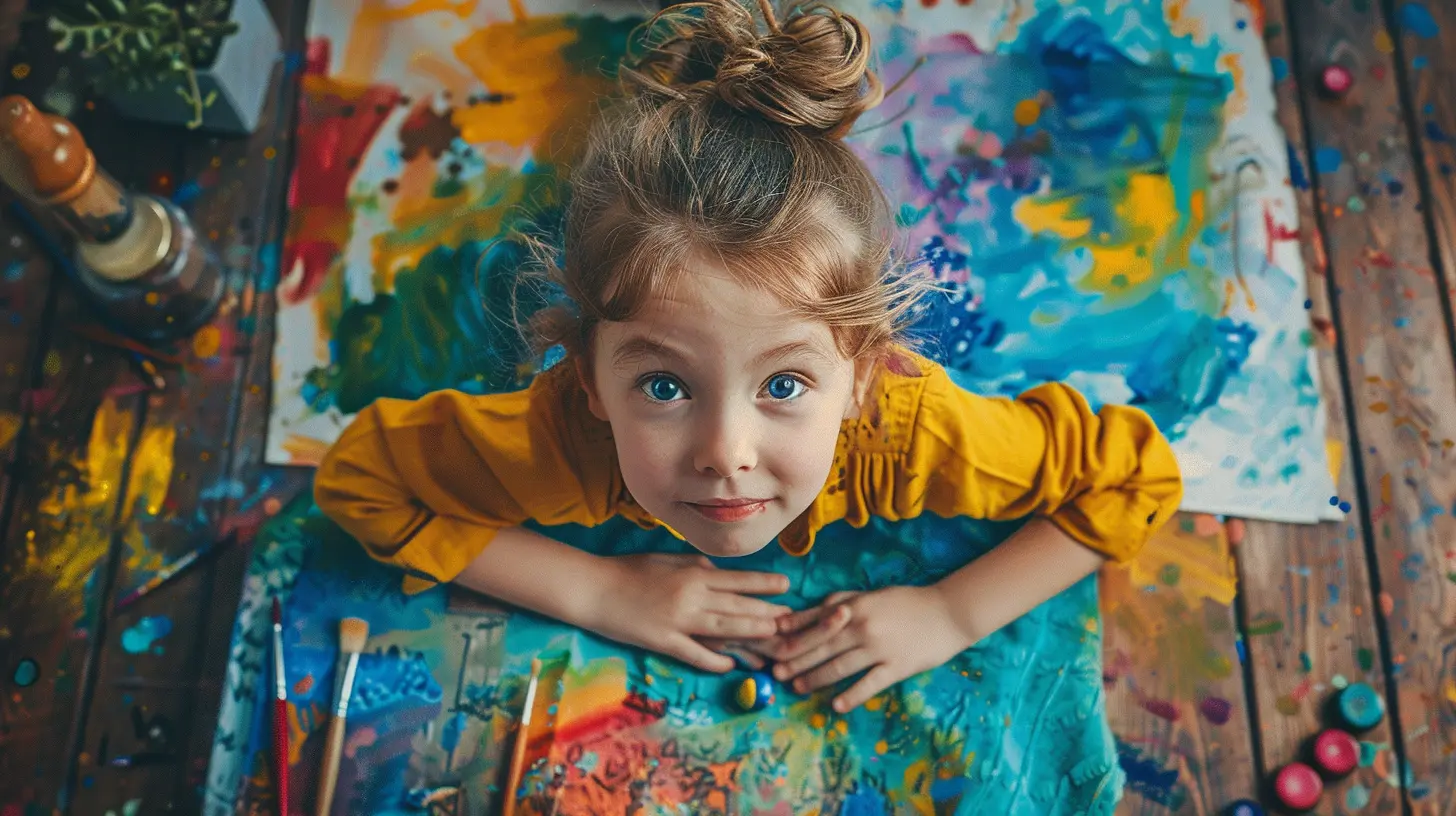
Why Emotions Need an Exit Door
Think of emotions like water filling up a balloon. If there's no release valve, what happens? Yep... POP! We’ve all seen those meltdowns that seem to appear out of nowhere. But they’re really just emotions that didn’t have a safe way out.Children deal with a lot—new experiences, social pressures, learning challenges, and those never-stopping growth pains. Even happy excitement can be overwhelming at times! Art gives emotions a playground. It’s a place where feelings can run free without judgment, rules, or expectations.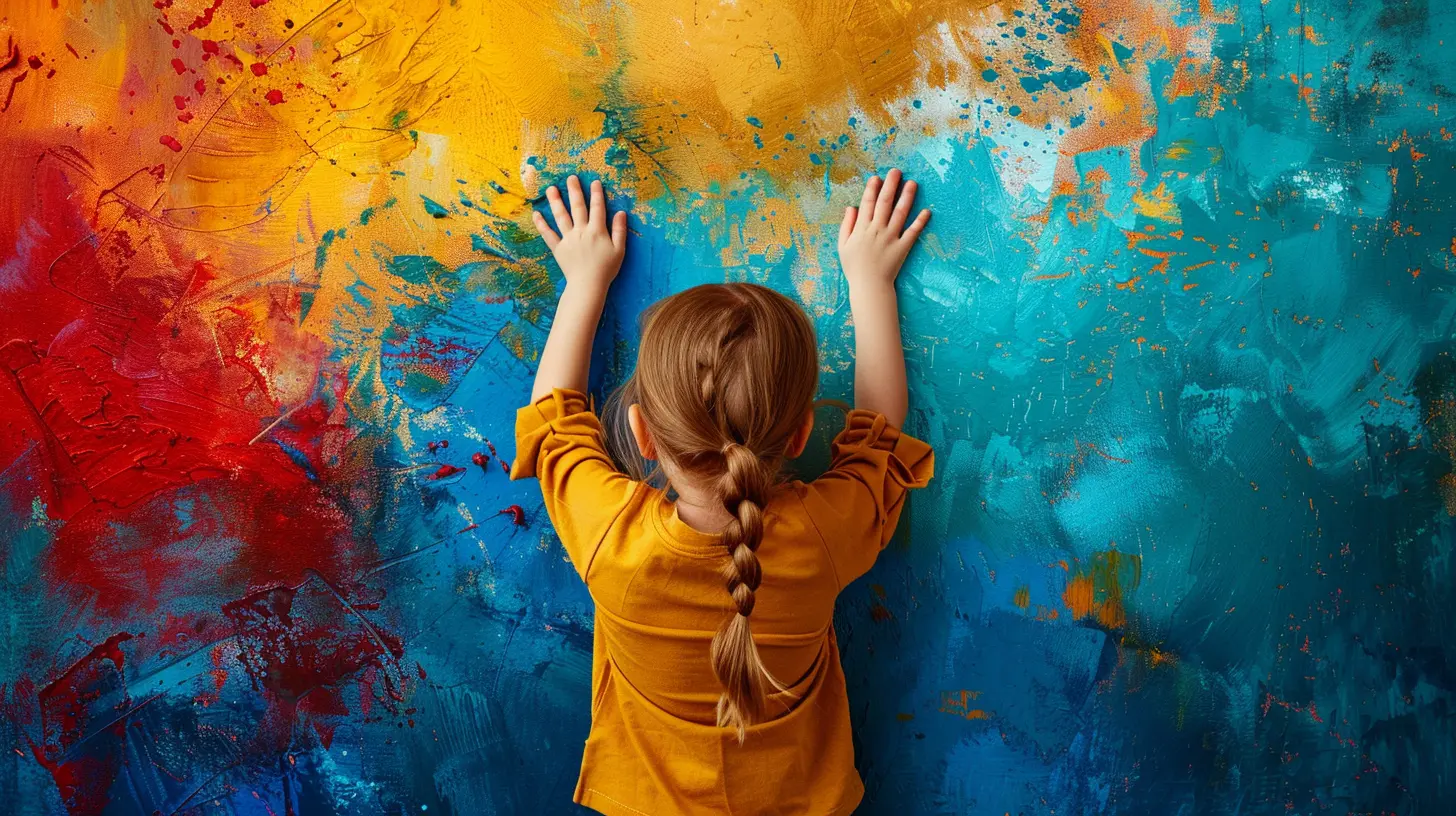
The Magic of Art: More Than Finger Painting
Art isn't just about paint and glitter (although, let’s be honest, glitter has magical powers). Art is expression. It’s communication without words. For children, especially the younger ones, art becomes a voice when they don’t quite have the verbal skills to say, “I’m sad,” or “I feel out of control.”Let me ask you this: have you ever seen a child draw an angry monster after a hard day? Or scribble red all over a page when they’re upset? That’s emotional release right there.
By drawing, painting, dancing, building with clay, or even doodling in the margins of their notebooks, kids are doing something vital: they’re processing their emotions.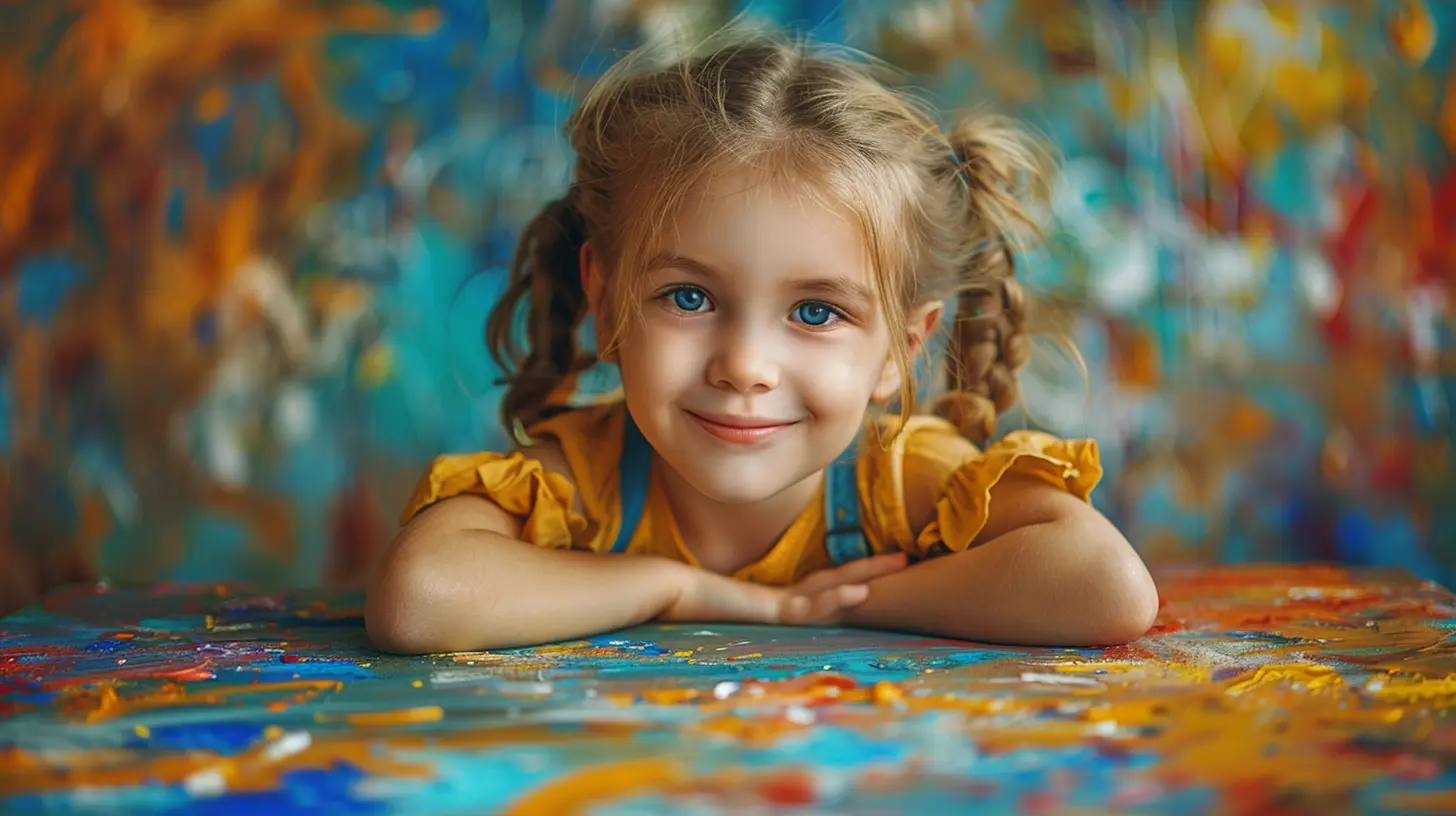
What the Experts Say (Don't Worry, We'll Keep It Simple)
You don’t have to be a psychologist to appreciate the connection between creative expression and mental health. Tons of research shows that when kids engage in artistic activities, they calm their nervous systems, boost their mood, and learn to self-regulate.According to child development experts, creative outlets:
- Lower stress and anxiety
- Improve focus and attention
- Promote self-discovery
- Support emotional literacy (aka, naming and understanding feelings)
It’s like a workout for their emotional muscles. And just like physical exercise, the more they do it, the stronger they become.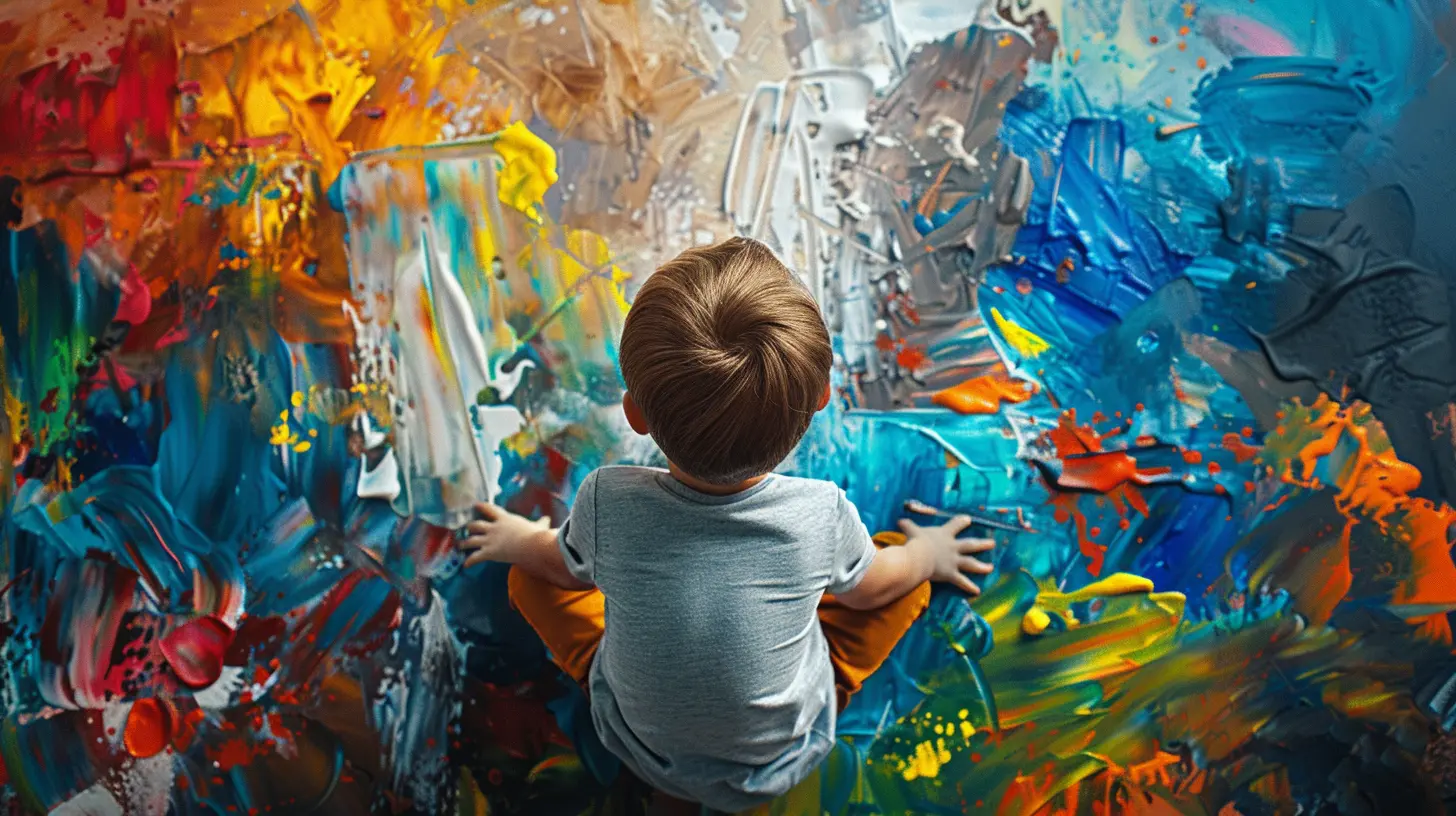
Creative Activities That Let Emotions Flow
So what can you do at home? Honestly, you don’t need to be the next Picasso or Marie Kondo your kitchen to create a creative space. Here are some heartfelt, easy-to-do ideas that encourage emotional expression:1. Drawing and Coloring
The classic. Hand them some crayons or colored pencils and let them go wild. Try giving them emotional prompts like “Draw what it feels like when you’re mad” or “Color in your happiness.”You'd be surprised at what shows up on the paper.
2. Painting with Feelings
Set up a paint station (yes, it may get messy—embrace it!). Use colors to represent emotions. Blue might mean calm, red might mean anger, yellow might be joy. Let kids paint their feelings without any rules.Pro tip: Turn on music while they paint. It enhances the vibe and helps them connect emotions with colors and shapes.
3. Clay and Playdough Creations
Sculpting with clay is oddly therapeutic, even for adults. Let kids mold their feelings into shapes. Ask them to build what their bad day looks like, or shape their best memory.You’re literally watching emotions take form.
4. Storytelling and Comic Strips
Have a little storyteller in the house? Encourage them to create their own story or comic strip. Let them make up characters and plots that reflect how they’re feeling.Sometimes a superhero saves the day—and sometimes they just need a nap.
5. Mood Collage
Give them old magazines, stickers, colored paper, glue, and scissors. Let them build a collage that represents their mood. It’s a beautiful, visual method of self-reflection.Pin it on the wall when they’re done. It starts great conversations, too.
6. Dance and Movement
Not all art is visual. Movement is art too! Encourage your child to dance out their emotions. Angry stomps? Silly wiggles? Calming twirls? All of it counts.Bonus: this taps into their physical energy, which helps with regulation.
Creating a Safe Creative Space at Home
Let’s be clear—your house doesn’t need to look like an art studio for creativity to flourish. What matters more is the vibe. Make the space feel inviting and judgment-free.Here’s how:
- No Pressure Zone – Let kids know there are no “mistakes” in art.- Accessible Tools – Keep art supplies within reach.
- Dedicated Time – Schedule “art time” to help make it part of the routine.
- Join In – Sit beside them and do your own creative work. It sends the message that expressing emotions is healthy for everyone.
Understanding Their Art Without Overanalyzing
It’s super tempting to ask, “What’s that?” every time your child draws something abstract. But try to resist putting labels on their creations.Instead, say things like:
- “Tell me about your painting.”
- “What were you feeling while you made this?”
- “I love how you used those strong colors. What do they mean to you?”
This keeps it open-ended and lets them lead the emotional conversation.
Using Art to Work Through Tough Times
Art becomes especially important during big transitions—moving to a new school, the loss of a loved one, divorce, friendships ending, or even just growing up (which, let’s be honest, is hard enough).During these times, creativity acts like a soft place to land—a safety net. Kids don’t feel interrogated or judged. They feel heard, even without saying a word.
And if your child is working with a therapist, many use Art Therapy as a primary tool for emotional healing. That’s no coincidence.
Creativity Helps Build Emotional Intelligence
At the heart of emotional expression is emotional intelligence—or EQ. That means being able to understand and manage your own feelings, and also understand others'.Art nudges kids toward stronger EQ by:
- Helping them name and label emotions
- Encouraging vulnerability
- Promoting empathy when they see others' art
- Giving them confidence in their own emotional process
And here’s a bonus—it also boosts critical thinking, problem-solving, and communication. So really, it’s kind of a big deal.
Simple Ways to Keep the Creative Flow Going
Life gets busy—we get it. But here are some small, easy ideas to make creative expression an everyday habit.- 🌈 Keep a “feelings journal” with daily doodles
- 🎨 Create a weekend family art activity
- 🧠 Play emotion-themed drawing games (e.g., “draw what patience looks like”)
- 📚 Read picture books that explore emotions and discuss the illustrations
- 📦 Create an “emotion art box” filled with supplies and prompts
The key is consistency. Just like brushing teeth or reading bedtime stories, small creative rituals can have big emotional benefits.
What If Your Child Doesn’t Seem Interested?
That’s okay. Some kids won’t jump into drawing or painting at first, and that’s totally normal. Instead of pushing, try experimenting with different mediums or asking what they think sounds fun.Also, model it yourself. Show them how you doodle in your notebook when you’re stressed or color when you need a break. Let them see that art isn’t about being “good”—it’s about being real.
Final Thoughts: Every Scribble Has A Story
At the end of the day, using art and creativity as emotional outlets for children is more than a fun activity—it’s a lifeline. It’s a form of self-care. It’s a mirror into their feelings and a tool for personal growth. It’s how they start to understand this big, emotional world we all live in.And guess what? You’re already doing amazing by being open to this. By supporting their creativity, you’re helping build their emotional strength for life.
So grab those crayons. Turn up the music. Unroll that paper. Sit by their side. Let their hearts paint what words can’t say.
all images in this post were generated using AI tools
Category:
Mental HealthAuthor:

Maya Underwood
Discussion
rate this article
2 comments
Berenice Lee
This article beautifully highlights the importance of art as a vital emotional outlet for children. Encouraging creativity not only fosters self-expression but also aids in emotional development. Thank you for sharing these valuable insights for nurturing our little ones' emotional well-being!
March 24, 2026 at 3:23 AM
Maya Underwood
Thank you for your kind words! I’m glad the article resonated with you and emphasizes the crucial role of art in children’s emotional development.
Hope McKinnon
Art is a beautiful way for kids to express feelings—creative therapy at its best!
March 7, 2026 at 4:56 AM
Maya Underwood
Absolutely! Art offers kids a unique space to explore and express their emotions. It's amazing how creativity can be so healing.