The Hidden Politics of Motherhood: Unpacking Generational Injustice
April 27, 2026 - 06:18
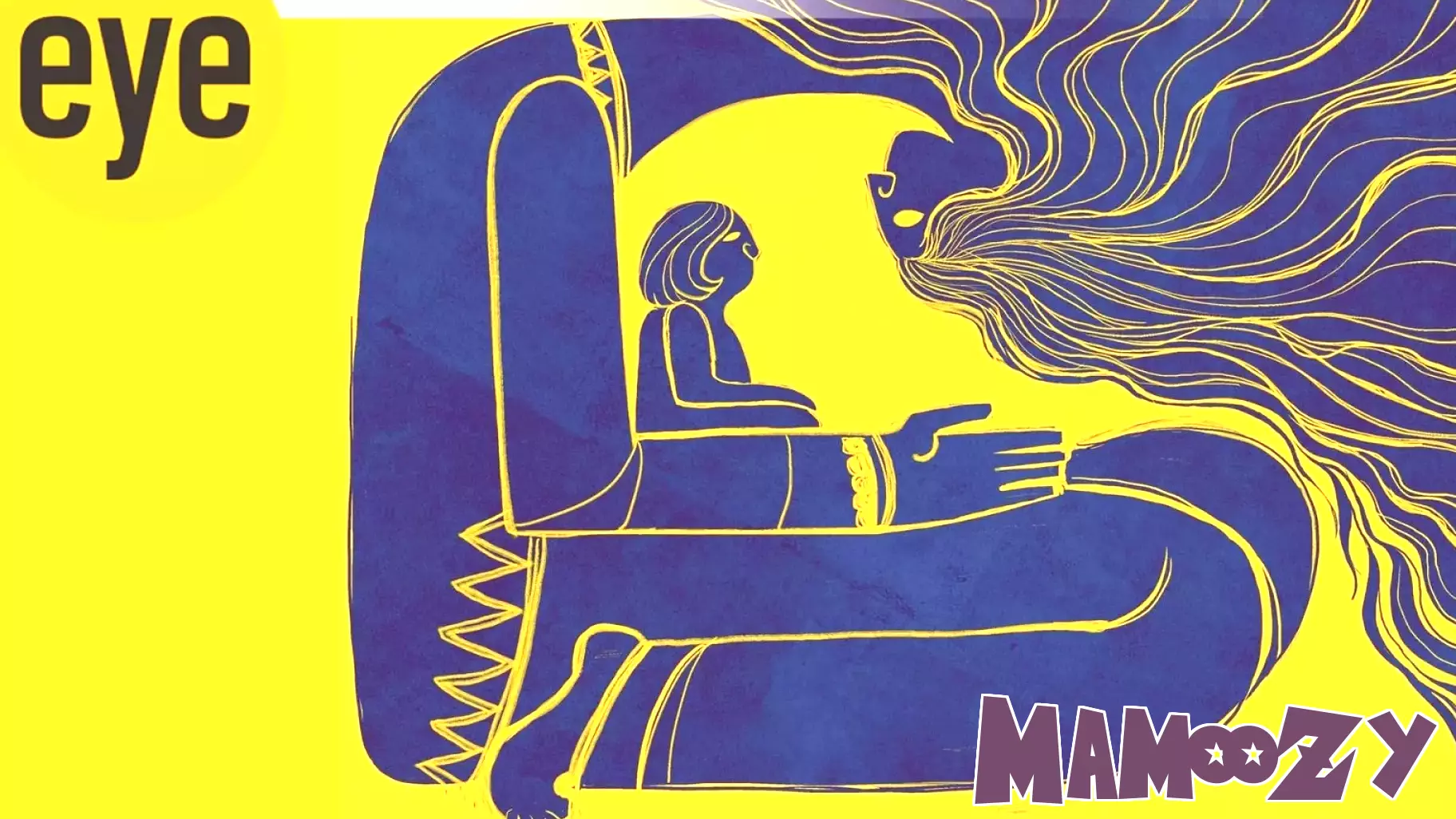
Motherhood is often portrayed as a natural, joyous, and universally celebrated experience. Yet beneath this idealized surface lies a web of hidden complexities that society has long chosen to ignore. When we decontextualise these challenges—removing them from their social, economic, and political frameworks—we inadvertently become complicit in an ongoing injustice that has been carried out against mothers for generations.
The politics of motherhood is not a new phenomenon, but its visibility has been deliberately obscured. From unpaid labor and career penalties to inadequate healthcare and social isolation, mothers face systemic barriers that are rarely acknowledged in public discourse. The expectation that motherhood should be a purely private, emotional journey allows these structural inequities to persist unchallenged. For instance, the "motherhood penalty" in wages—where women statistically earn less after having children—is often dismissed as a personal choice rather than a societal failure. Similarly, the lack of affordable childcare, paid parental leave, and mental health support are treated as individual problems rather than collective responsibilities.
This decontextualization serves a purpose: it protects the status quo. By framing maternal struggles as isolated incidents or personal shortcomings, we avoid confronting the deeper power structures that devalue caregiving. Mothers are told to "lean in," "ask for help," or "practice self-care," while the systems that should support them remain broken. The result is a cycle of guilt, exhaustion, and silence that spans generations.
To break this cycle, we must recognize that motherhood is inherently political. It intersects with race, class, immigration status, and disability, meaning that not all mothers face the same obstacles. A Black single mother working multiple jobs experiences a different reality than a wealthy stay-at-home mother, yet both are subject to a culture that undervalues their labor. Until we stop romanticizing motherhood and start addressing its material conditions, we will continue to perpetuate the very injustice we claim to admire. The first step is to listen to mothers—not as symbols, but as experts on their own lives.
MORE NEWS
October 24, 2026 - 20:48
Moving between India, the US and Canada? These baby boy names can feel at home in all threeThe name is printed on the hospital bracelet. A grandparent whispers it over a video call from India. Later, a teacher in Toronto calls it out during attendance, and a coach in California shouts it...

October 24, 2026 - 10:34
Why Kids Need Boundaries: Gen Muir explains why ‘no’ has become the hardest parenting word, and how to fix itParenting today is more complex than ever. The days of children being seen and not heard are long gone, but have we swung so far the other way that many parents struggle to say no? Gen Muir, a...
October 23, 2026 - 17:19
Can't Decide Between Two Baby Names? Just Use BothA growing number of parents are taking a different approach to naming their children: instead of choosing between two favorite names, they are combining them into one. The practice, sometimes...

October 22, 2026 - 19:53
Mother's Vacation Alcohol Complaint Draws Strong Reactions OnlineA mother`s complaint about drinking during family vacations has set off a wide-ranging debate online, with thousands of people weighing in on how much alcohol should be present when children are...