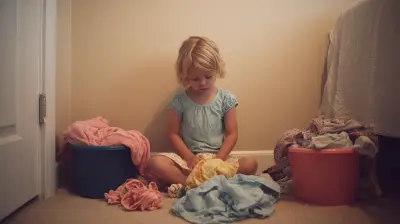
Why Doing Chores Builds Stronger Family Bonds
27 July 2026
Let’s talk about something we all deal with: chores. Yep, those everyday tasks like washing dishes, folding laundry, mowing the lawn, or taking out the trash. Sounds mundane, right? But here’s the surprise—when families do chores together, something magical happens. It's not just about cleaning up the mess. Doing chores can actually bring your family closer together. That’s right—stronger family bonds can come from the hum of a vacuum or the clinking of dishes.
So, why does this happen? Let's dive in.
It’s Not Just About Getting Things Done
Sure, the floors need scrubbing and the toys aren’t going to pick themselves up. But if you dig a little deeper, chores are about teamwork, responsibility, and shared experiences. And those things? They are the secret sauce to building a strong family connection.When parents and kids roll up their sleeves and share the work, they’re not just ticking off tasks—they’re creating moments. Moments that teach, connect, and strengthen family ties. Think of it as relationship glue hidden in dust bunnies.
Chores Teach Responsibility (Without the Lectures)
Every parent wants their kid to grow up responsible. But let’s face it—nagging and lectures hardly get us there. You know what works better? Making chores a part of everyday life.Giving kids age-appropriate tasks tells them, “Hey, you’re a valuable member of this team.” Whether it’s setting the table or sorting the laundry, they begin to understand their contribution matters.
And guess what? That sense of responsibility sticks. It doesn’t just make them better helpers at home—it builds character they’ll carry for life. You don’t need a 30-minute talk on being responsible when scrubbing the bathroom together delivers the same lesson loud and clear.
Chores Create Shared Experiences
Think back to some of your funniest or most real moments with family. Were you all cooking dinner together and someone dropped an entire pot of spaghetti? Or folding laundry and turning it into a sock-throwing contest?Chores create those shared memories. They may not always be glamorous, but they’re real. And real moments equal real bonding.
When you do things together—yes, even annoying household things—you laugh more, talk more, and understand each other better. It’s kind of like camping. It’s uncomfortable but memorable because you’re all in it together.
Teamwork Makes the Dream Work
Families run smoother when everyone pitches in. That’s just common sense. But more than that, it sends a bigger message: “We’re a team.”When mom, dad, and the kids are all chipping in, no one feels overburdened. And no one feels left out. That shared workload builds respect and empathy. Suddenly, your kids start appreciating your efforts more because they’re part of it.
There’s something powerful about everyone pulling in the same direction. It’s like rowing a boat—you go further, faster, and feel more united when all the oars are in sync.
Chores Are a Gateway to Communication
Ever notice how conversations just… happen during chores? You’re unloading the dishwasher, and suddenly your teen opens up about their day. You’re pairing socks, and your eight-year-old asks about your job.Chores create natural opportunities for connection. Without screens or distractions, your hands might be busy, but your minds are open.
Family life is often too noisy or chaotic for real chats. But when you’re doing something simple and repetitive, conversations flow more easily. You talk, you listen, you connect—all while getting stuff done.
It Builds a Sense of Appreciation
Let’s be real—it's easy to take each other for granted. It's not personal; it's just the rhythm of daily life. But when everyone’s involved in the upkeep of the house, appreciation becomes part of the equation.Kids start to notice how much work it takes to keep things running. They see the effort behind a clean kitchen or folded laundry. And that awareness leads to gratitude.
Likewise, parents begin to appreciate their kids’ contributions more too. When you see your toddler trying to sweep with a broom twice their size—it melts your heart. Doing chores isn't just about cleaning—it’s about seeing each other in a new light.
Chores Teach Problem-Solving Skills
Believe it or not, chores are mini life challenges disguised as day-to-day tasks. Spilled detergent? Dishwasher won’t start? The broom broke mid-sweep? You figure it out, together.Kids learn how to handle tiny setbacks, make decisions, and come up with creative solutions. These are golden life skills, and they're learned hands-on.
Plus, navigating these challenges together shows your child that it’s okay to make mistakes and try again. That’s resilience. And that’s a critical part of building a close-knit, supportive family culture.
It Builds Confidence in Kids
When you trust your child with a task—and they complete it—you’re essentially saying, “I believe in you.” That’s a powerful confidence booster.Even small wins, like vacuuming their own room or wiping a table properly, make kids feel capable. Over time, their confidence grows. And a confident child is a more independent and emotionally secure one.
Think of it like a video game. Every chore completed is an achievement unlocked. It all adds up, level by level, until they’re proud of what they can do. And when the whole family is cheering them on? That’s bonding at its best.
It Establishes Routines and Stability
In a world that often feels chaotic—especially with school, work, sports, and screens constantly tugging at us—chores provide a rhythm. A routine.Routine offers security. Children thrive on knowing what to expect. When chores are woven into the family routine, it creates structure. And structure leads to a sense of safety and stability.
And guess what? Stability is one of the core foundations of a strong family bond. When kids know they can count on small things (like taking out the trash every Thursday), they begin to trust the bigger things too.
You Create a Legacy of Work Ethic and Togetherness
Let’s zoom out for a second. Beyond the daily grind of tasks, what are we really teaching our kids when we do chores together?We’re modeling work ethic. We’re teaching responsibility. But most importantly, we’re showing them that family is about showing up, doing your part, and leaning on each other.
Years from now, your children may not remember who did the dishes on a random Tuesday. But they will remember that home was a place of shared effort, respect, and connection.
And someday, when they have families of their own, chances are they’ll carry those habits with them—passing that bond down to the next generation.
Making Chores Fun and Meaningful
Let’s be honest—chores won’t ever be as exciting as a theme park or a new video game. But that doesn’t mean they have to be boring.Get creative. Turn cleaning into a dance party. Set timers and race against the clock. Split into teams and turn trash duty into a game.
Reward systems can help too. Not with money or stuff, necessarily—but with family movie nights or extra bedtime stories. The idea is to make the experience feel lighter, more positive. When chores come packaged with fun and togetherness, everyone benefits.
Final Thoughts: It’s More Than Just Keeping the House Clean
At the end of the day, chores are a tool. Not just for keeping your home tidy—but for building the foundation of a strong, connected, and resilient family.When everyone pitches in, laughs together, tackles challenges, and shares the load, you're not just crossing things off a checklist.
You're building a team. You're building trust. You're building love.
So the next time your child grumbles about having to wipe the counters or sort socks, maybe take a breath and see the bigger picture. Because behind that little task lies a big opportunity—to connect, to teach, and to bond like never before.
all images in this post were generated using AI tools
Category:
Kids And ChoresAuthor:

Maya Underwood
Discussion
rate this article
1 comments
Spencer Middleton
Chores unite and strengthen families.
July 31, 2026 at 3:23 AM
Maya Underwood
Absolutely! Working together on chores fosters teamwork and communication, creating lasting bonds among family members.