Chores as a Daily Routine: Creating Healthy Habits Early On
22 June 2026
Let’s be honest: the word "chores" doesn’t exactly scream "fun" for kids or adults. For children, it might even sound like the villain in their bedtime stories. (“Oh no, not the big bad chore monster!”) But hold on—what if we flip the script? Chores can actually be a fantastic way to instill healthy habits, build responsibility, and even bring families closer together.
So, how do we turn these mundane tasks into positive, character-building moments? Let’s dive into why chores are essential and how to introduce them as a part of your child’s daily routine without triggering a meltdown. 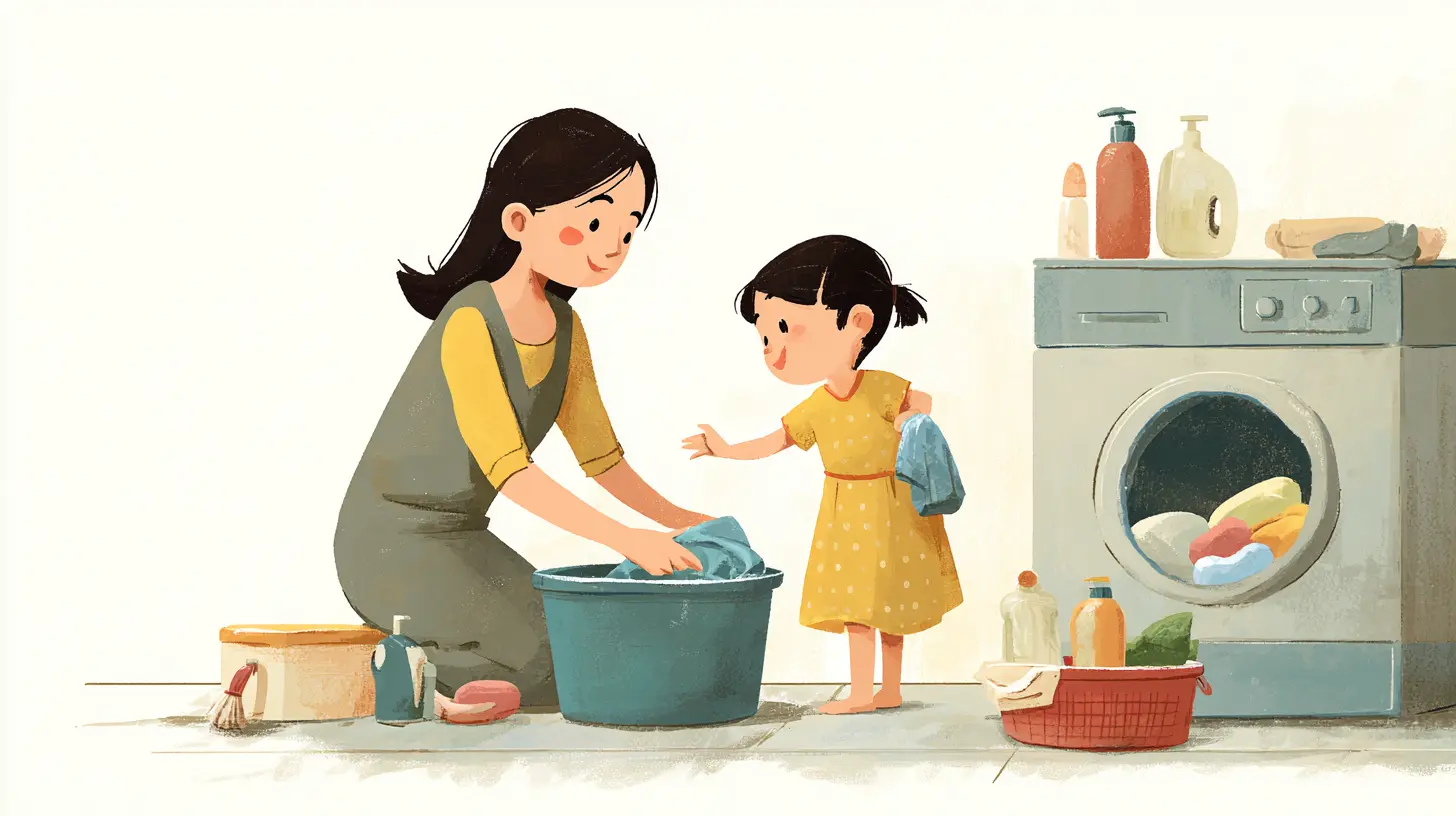
Why Chores Matter: More Than Just a Clean Room
Chores aren’t just about having a tidy home—although, let’s admit, that’s a fabulous bonus. They offer kids a chance to learn essential life skills early on. Think of chores as mini "real-life 101" lessons, disguised as everyday tasks.When kids take on chores, here’s what they actually gain:
- Responsibility: Chores teach children to own their duties. They learn that effort equals results.
- Time Management: When chores are part of their day, kids get a tiny taste of juggling life’s tasks—like micro-managing a “to-do list for tiny humans.”
- Teamwork: When everyone pitches in, kids see how their contribution helps the family run smoothly.
And let’s not forget the biggest one: chores instill independence. (Spoiler alert: They’ll thank you someday when they’re folding their own laundry in college instead of Googling “how to clean a T-shirt.”) 
Getting Started: When and How to Introduce Chores
At What Age Should Kids Start Doing Chores?
The great thing about chores is that they’re scalable, meaning even toddlers can help out in small ways. You don’t want to hand your two-year-old a mop and say, “Have at it!” (Please don’t.) But simple activities like picking up toys or putting shoes in the closet? Totally doable.Here’s a breakdown by age group:
- Ages 2-3: Picking up toys, putting books on shelves, or helping feed a pet.
- Ages 4-6: Setting the table, watering plants, or putting laundry into hamper piles.
- Ages 7-10: Loading the dishwasher, folding small towels, or sweeping surfaces.
- Ages 11 and up: Doing their own laundry, vacuuming, or even simple meal prep.
(Pro Tip: Make it age-appropriate. Asking a kindergartener to dust the ceiling fan may not go over well—just saying.) 
Turning Chores From "Ugh" to "Yay"
Alright, so how do you actually make chores…well, not a total drag? Here's the good news: it’s all about your approach.1. Make It a Game
Kids love games. So, why not turn vacuuming into a challenge? Tell your child, “Let’s see how many crumbs the vacuum can eat. Is it more than yesterday?” Suddenly, cleaning feels less like a chore and more like playtime.2. Use a Reward System
Who doesn’t love a reward? Create a sticker chart or a jar where they can “earn” points for each completed chore. (And no, the reward doesn’t always have to be candy—try extra playtime or a movie night.)3. Work Together
Kids are natural imitators. When they see you dusting or folding laundry, they’re more likely to jump in. Plus, sharing the load makes chores feel more like a family activity and less like a solo mission into the abyss of housework.4. Blast Some Tunes
Cleaning without music is like a peanut butter sandwich without jelly—it’s just sad. Create a family cleaning playlist, crank it up, and dance your way through chores. Who knew mopping could feel like a mini-dance party?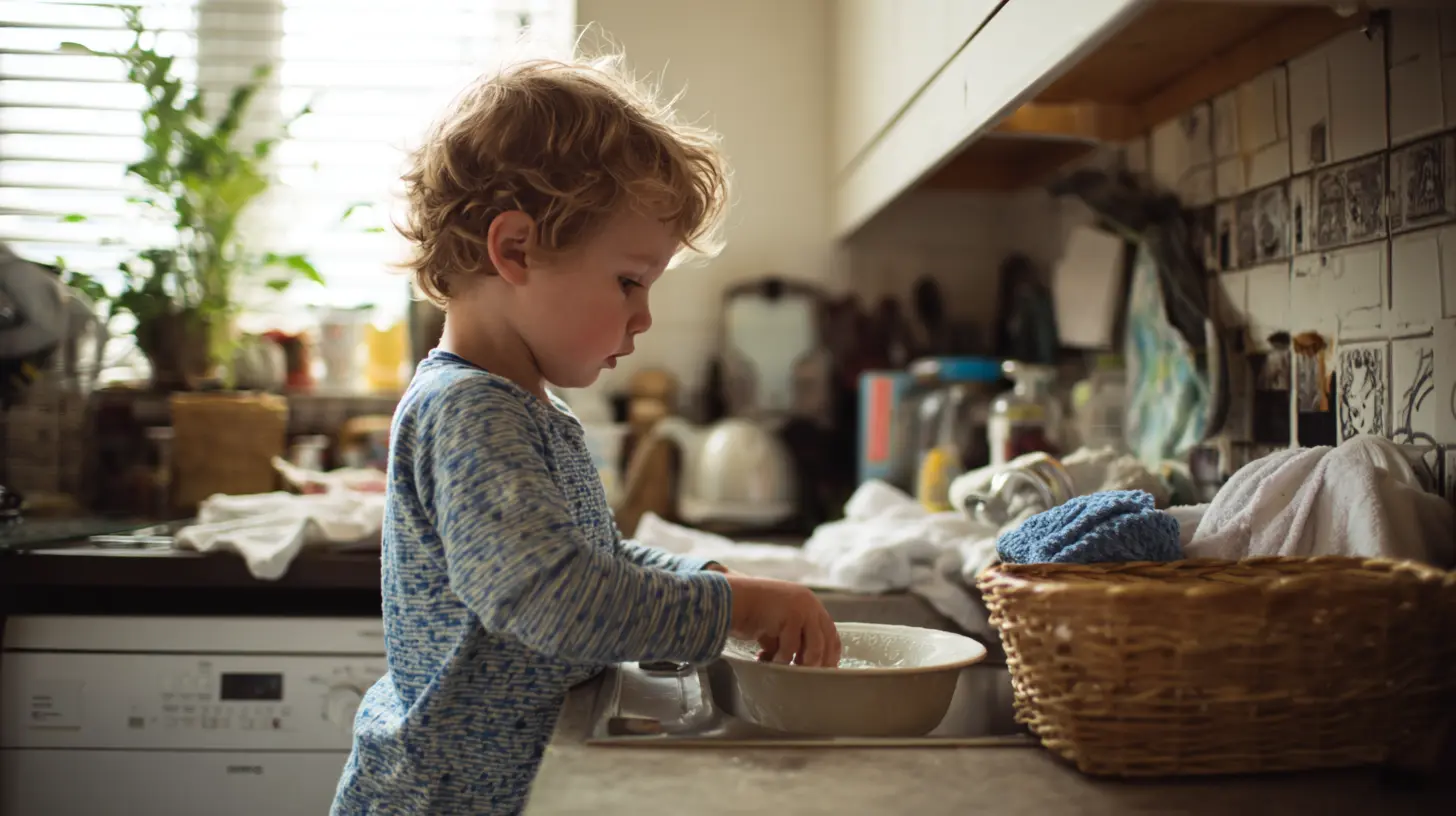
Teaching the “Why” Behind Chores
Let’s face it: kids are curious creatures. They naturally want to know the “why” behind everything, including chores. Instead of just saying, “Because I said so,” use this as an opportunity to teach valuable lessons.For example:
- Explain how cleaning up toys keeps them from getting lost.
- Talk about how helping around the house makes life easier for everyone.
- Show them the beauty of a tidy space (and how it’s easier to find their favorite LEGO piece without tripping over 600 others).
When kids understand the purpose of chores, they’re more likely to buy in.
Consistency Is Key: Making Chores Part of a Routine
Now, here’s where the magic happens. Chores will only stick if they become part of your family’s daily rhythm. Think of routines like a favorite bedtime story—it’s predictable, comforting, and everyone knows what to expect.Tips to Build a Chore Routine:
1. Start Small: No need to overhaul your entire day. Pick one or two tasks for your child to start with and gradually build from there.2. Set a Specific Time: Whether it’s right after breakfast or before bedtime, establishing a “chore time” creates consistency.
3. Stay Positive: Trust me, this one’s big. Avoid using chores as punishment. (“You didn’t listen, so now you’re scrubbing toilets!”) Instead, frame it as a way to “help out” or “earn perks.”
4. Be Flexible: Life happens. If your child’s having a particularly tough day, it’s okay to adjust expectations.
The Long-Term Payoff
Here’s the thing about chores—they might feel like small, insignificant tasks now, but they’re laying the groundwork for something much bigger. Your kids are learning to be accountable, capable, and self-sufficient.Think of it this way: Every dish they wash or sock they pair is a step toward being a well-rounded, responsible adult. And who doesn’t want that?
Plus, let’s not forget the immediate benefits. When everyone pitches in, the household runs smoother, and you’re not left feeling like a one-person cleaning crew. Win-win, right?
Don’t Forget to Celebrate the Wins
Lastly, don’t underestimate the power of praise. When your child completes a chore—no matter how small—acknowledge it. Celebrate their effort. It might seem insignificant to you, but to them? It’s a huge deal.A simple “Great job on making your bed!” or even a high-five goes a long way in making your child feel appreciated. And guess what? When they feel good about helping out, they’re more likely to do it again.
Conclusion
So, there you have it. Chores don’t have to be this dreadful, groan-inducing part of family life. With the right approach, you can turn them into opportunities to teach responsibility, build good habits, and make memories together.Remember, it’s not about perfection; it’s about progress. Start small, stay consistent, and celebrate the effort. Who knows? You might even find yourself smiling the next time you hear your child say, “What can I help with?
all images in this post were generated using AI tools
Category:
Kids And ChoresAuthor:

Maya Underwood
Discussion
rate this article
1 comments
Jessica Rodriguez
Chores can teach valuable lessons.
June 27, 2026 at 2:45 PM
Maya Underwood
Absolutely, chores instill responsibility and teamwork, setting a foundation for healthy habits that last a lifetime.