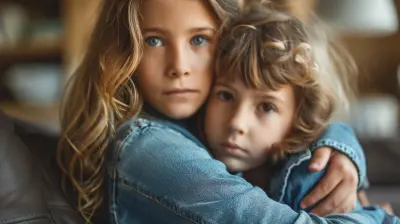
When Your Child Feels Left Out: How to Offer Emotional Support
27 February 2026
Childhood is a kaleidoscope of emotions—joy, wonder, curiosity, and sometimes, loneliness. As a parent, few things feel as heartbreaking as watching your child struggle with the sting of being left out. Maybe they weren’t invited to a birthday party, weren’t picked for the soccer team, or feel like an outsider at school.
How do you comfort them without brushing aside their pain? How do you help them find their place while ensuring they don’t carry the weight of rejection into adulthood?
Let’s dive in—heart first—into ways you can nurture, uplift, and empower your little one when they feel left out.
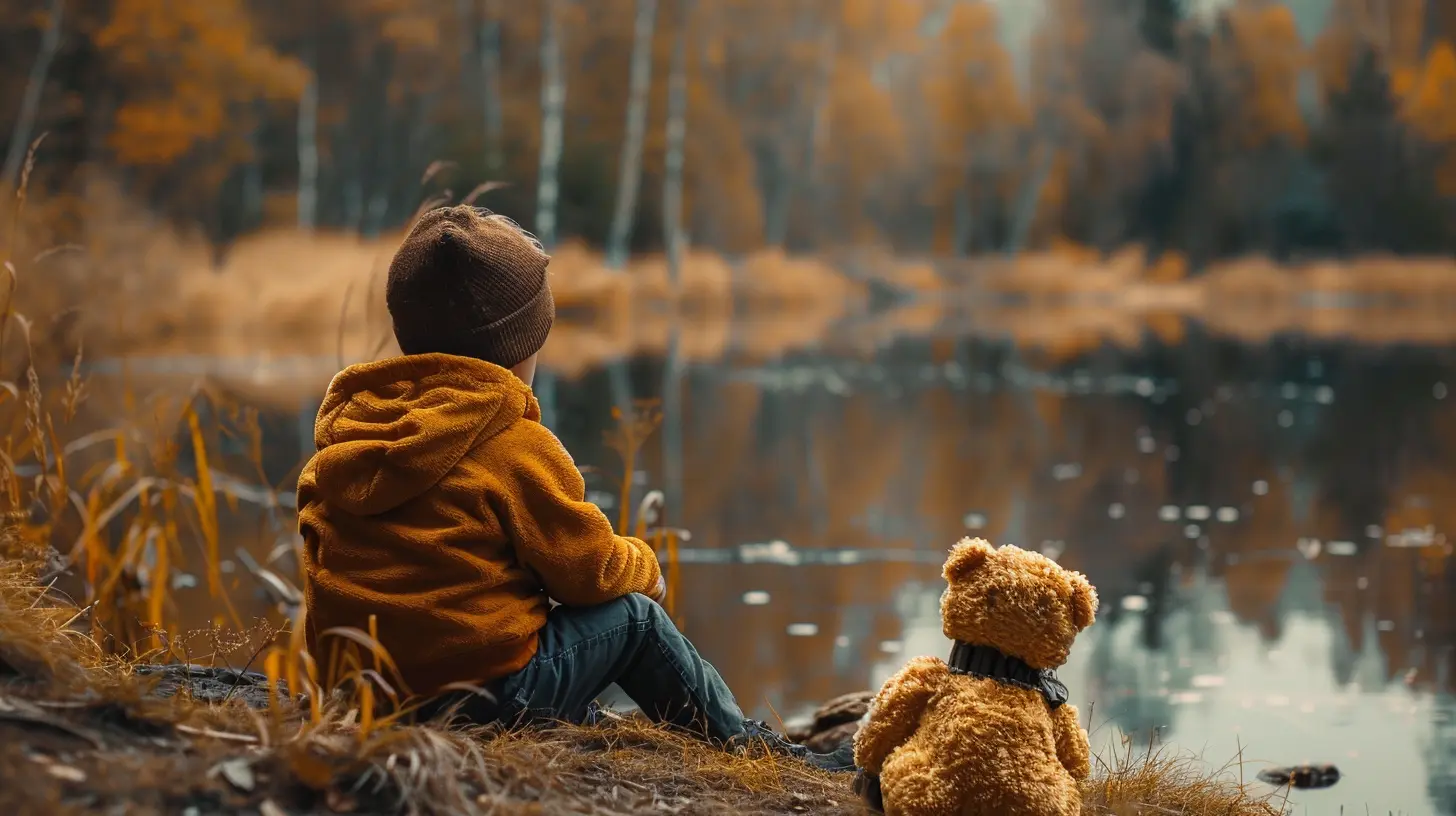
Understanding the Pain of Exclusion
Think back to your own childhood. Do you remember a time when you longed to be part of a group but felt invisible? Maybe your friends whispered secrets without you, or you watched from the sidelines as others played, laughing together.Being left out is more than just missing out on fun—it’s a wound to a child’s sense of belonging. Kids are still learning how to navigate friendships, and social exclusion can shake their confidence. Instead of dismissing their feelings with a simple “It’s okay” or “You’ll make new friends,” it’s important to recognize their emotions and offer the support they need.

Signs Your Child Might Be Feeling Left Out
Not all kids will openly speak about feeling excluded, so it’s crucial to watch for signs. Here’s what to look for:- Withdrawal from social activities – They used to love playdates, but now they avoid them.
- Changes in mood – Sadness, frustration, or even anger when discussing friends.
- Reluctance to go to school or extracurricular activities – They may say they don’t feel well or make excuses.
- Low self-esteem – Negative self-talk like “Nobody likes me” or “I’m not good enough.”
- Increased clinginess – Seeking extra comfort from you, needing more reassurance.
If you notice these signs, it’s time to step in with love, empathy, and guidance.

How to Support Your Child When They Feel Left Out
1. Listen Without Judgment
Sometimes, kids just need to be heard. When they come to you, resist the urge to fix the problem right away. Instead, offer a warm embrace, sit down beside them, and say, “Tell me what’s going on.”Let them pour out their heart without interruption. Nod, make eye contact, and validate their feelings with simple words like, “That must have really hurt,” or “I can see why you’re upset.”
2. Validate Their Feelings
No, they don’t need to “get over it” or be told “it’s not a big deal.” To them, it is. And if they feel like their emotions are brushed aside, they may stop sharing with you in the future.Say things like:
- “I understand why this made you feel sad.”
- “It’s really tough to feel left out.”
- “I’ve felt that way before too, and it’s not a nice feeling.”
When a child knows their emotions are valid, they feel safe expressing themselves.
3. Share Your Own Experiences
Kids love to know they’re not alone. If you’ve ever felt excluded, now’s the time to share.Tell them about a time you weren’t invited or chose last for a team. What did it feel like? How did you handle it? What did you learn?
Hearing that even you have felt the same way can be incredibly reassuring.
4. Encourage Healthy Friendships
Not all friendships are meant to last forever. Sometimes, kids gravitate toward people who make them feel left out rather than valued.Encourage them to find friendships with kids who see them—truly see them. Help them understand that real friends:
- Include them in conversations and activities
- Treat them kindly and with respect
- Make them feel good about themselves
If their current group isn’t treating them well, guide them toward building new connections. Sometimes, all it takes is one genuine friend to feel like they belong.
5. Teach Resilience and Self-Confidence
Being left out can feel like a personal failure, but it’s not. Teach your child that exclusion often has little to do with them—it’s more about group dynamics, timing, or even misunderstandings.Help them build confidence by:
- Encouraging hobbies – Confidence blooms when they engage in things they love.
- Practicing positive self-talk – Instead of “Nobody likes me,” try “I am kind and fun to be around.”
- Modeling self-worth – Show them how to value themselves through your own actions.
Resilience isn’t about avoiding pain—it’s about knowing you’ll be okay despite it.
6. Role-Play Social Situations
Some kids struggle with social cues and may not realize how to join a group seamlessly. Role-playing different scenarios can help them gain confidence.Try practicing:
- What to say when asking to join a game
- How to introduce themselves to a new friend
- Ways to respond when someone excludes them
Rehearsing these situations can make real-life interactions less intimidating.
7. Reinforce That They Are Loved and Valued
When a child feels left out, they may start believing they’re unworthy of love. Your job? Shower them with unconditional love and remind them of their intrinsic worth.Tell them often:
- “You are so loved.”
- “I enjoy spending time with you.”
- “You have so many amazing qualities.”
When they know they are cherished, they’ll be less likely to seek validation from the wrong places.
8. Help Them Find Their Tribe
Sometimes, feeling left out is a sign that they haven’t found their people yet. Encourage them to explore different activities—art classes, theater, music, sports, or even volunteering.The more they expand their world, the more likely they are to find like-minded friends who appreciate them for who they truly are.
9. Keep the Lines of Communication Open
Check in regularly. Ask open-ended questions like:- “How are things going with your friends?”
- “Did anything make you feel good (or not so good) today?”
- “What’s something fun you did this week?”
By keeping these conversations natural and ongoing, they’ll always know they can turn to you when emotions become overwhelming.

Turning Pain into Growth
Yes, being left out hurts. But it’s also an opportunity for growth. Learning to overcome exclusion teaches kids resilience, self-worth, and emotional intelligence.By offering them support, love, and guidance, you’re not just helping them through a tough moment—you’re giving them the tools to navigate life’s inevitable ups and downs.
So the next time they come to you with a heavy heart, wrap them in your arms and remind them: They are never truly alone. They have you. And in the end, that makes all the difference.
all images in this post were generated using AI tools
Category:
Emotional DevelopmentAuthor:

Maya Underwood
Discussion
rate this article
2 comments
Bethany McQuaid
Empathy is your superpower! A listening ear and validating emotions can transform 'left out' into 'included.' Remember, every child needs a champion—be theirs when the world feels small.
March 10, 2026 at 4:59 AM
Maya Underwood
Thank you for your thoughtful comment! Empathy truly does make a difference, and every child deserves to feel seen and supported. Let's keep championing them together.
Simone McCullough
Feeling left out? Time to sprinkle some love, hugs, and a dash of spontaneous dance parties!
March 4, 2026 at 3:42 PM
Maya Underwood
Absolutely! Love, hugs, and fun activities like dance parties can create a sense of belonging and connection for your child.