Signs of Healthy Emotional Development in Babies
23 December 2025
Babies may not speak in words, but their hearts hum the sweetest lullabies of emotion. Ever watched a little one giggle at a silly face or snuggle into your chest after a long day? That’s emotional growth in its purest form. But how do you know if your baby is developing emotionally in a healthy way?
Let’s dive into the magical signs of emotional development in babies—signs that whisper, "I feel safe, I trust, I love."
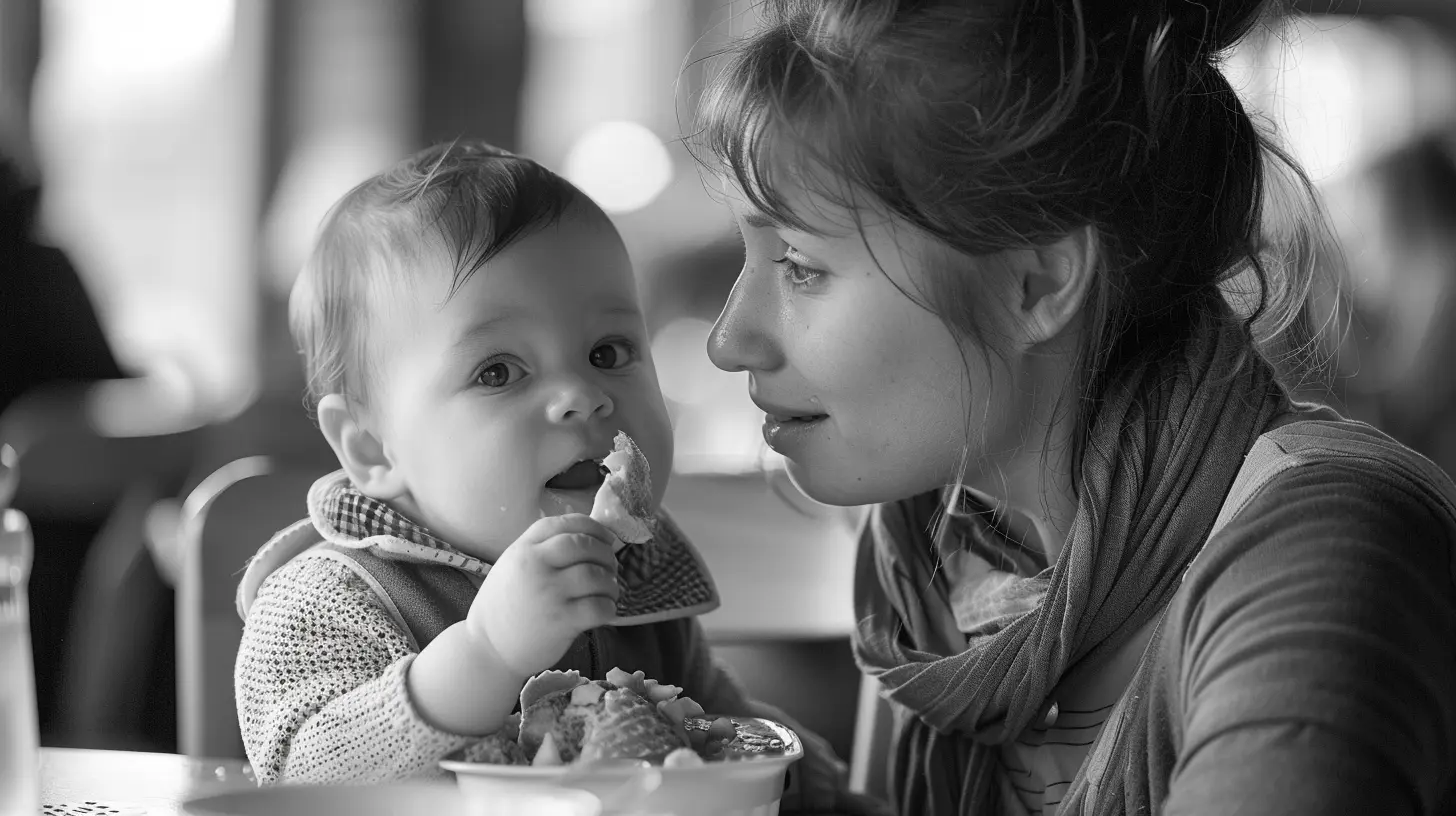
1. Eye Contact: The Window to Connection
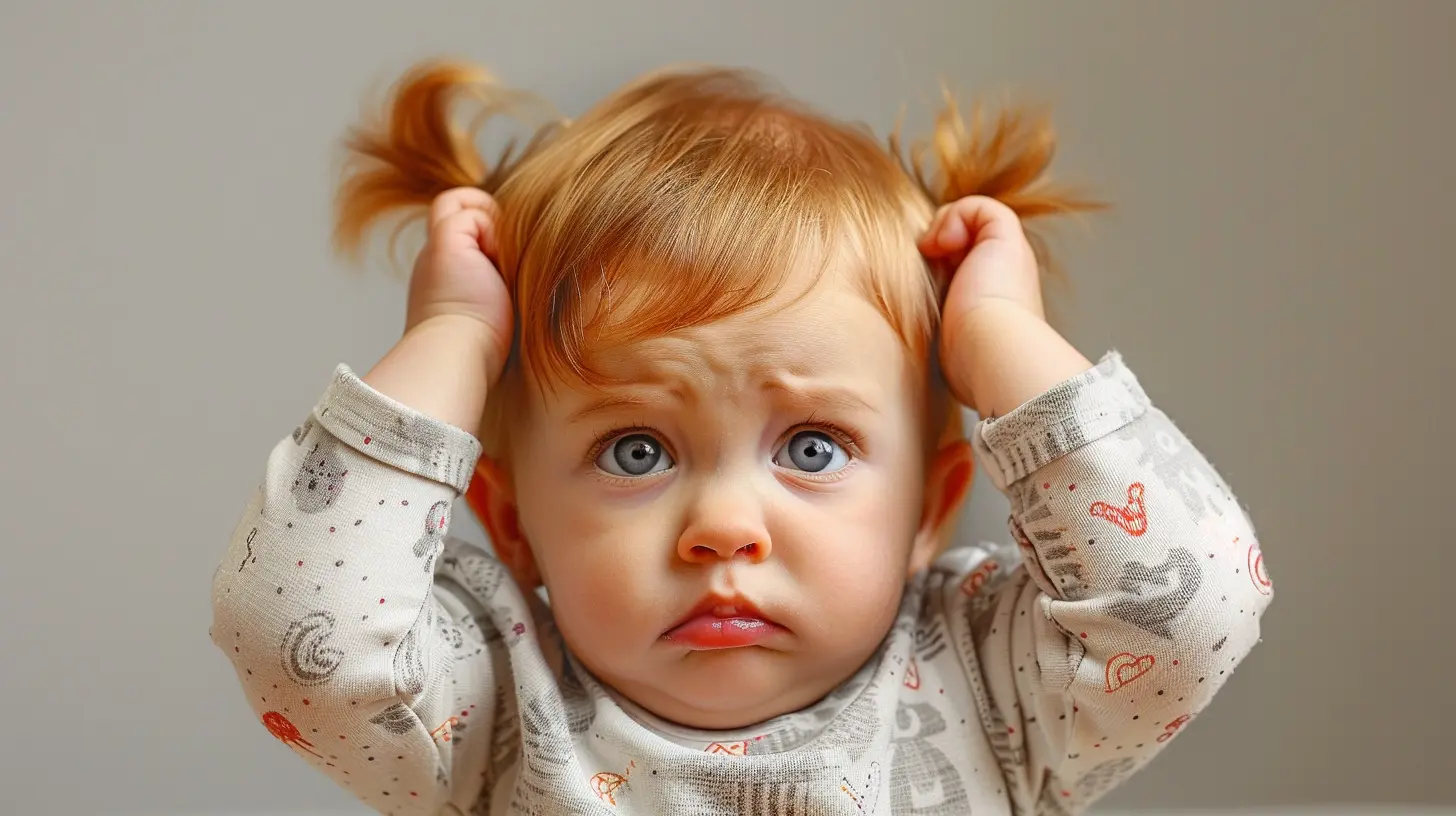
They say the eyes are the windows to the soul, and for babies, that couldn’t be truer. When your little one locks eyes with you, it's more than just a stare—it’s bonding, recognizing, and feeling secure.- A newborn may glance briefly at your face, but by a few months old, they’ll start holding that gaze longer.
- Around 3-4 months, they track your movements with intent, showing they’re connected.
- By 6 months, they engage in gazing contests, smiling as if they’ve just won a prize.
A steady gaze says, "You matter." That is a huge milestone in emotional development.
2. Smiles That Light Up the Room
Nothing compares to the first time your baby flashes that gummy grin. But did you know that smiling isn’t just cute—it’s a huge sign of emotional well-being?- Newborns have reflexive smiles, often in their sleep. Like tiny daydreams of happiness.
- By 6-8 weeks, a social smile emerges—their way of saying, "I see you, and you make me happy!"
- As they grow, they’ll start smiling in response to familiar faces, voices, and even peek-a-boo games.
A joyful smile means a baby is comfortable, secure, and forming emotional connections.
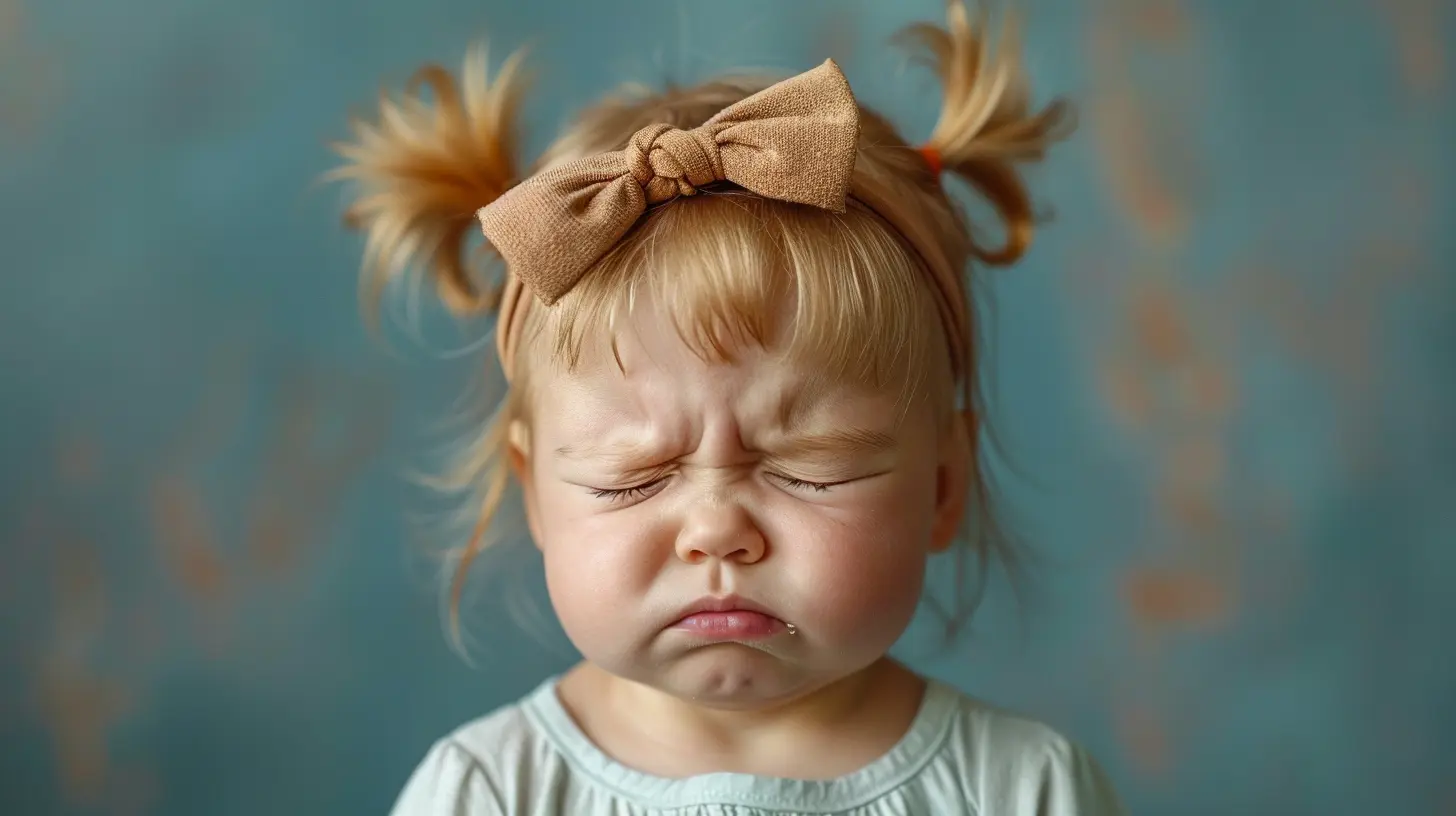
3. Crying: The First Language of Emotion
Crying isn’t just about hunger or a wet diaper—it’s a language filled with nuance. When babies cry, they’re communicating. And when you respond, they learn emotions matter.- A newborn cries often—it’s their way of saying, "Help, I need you!"
- By 3 months, they may cry in different ways for different needs—hunger, tiredness, or just wanting a cuddle.
- Around 6-9 months, they may cry when separated from caregivers. That’s normal. It means they understand love and attachment.
A baby who cries and is comforted understands an important lesson: feelings are valid, and love is always near.
4. Cooing and Babbling: The Music of Emotion
Long before words come, babies fill the air with sweet sounds. Every "goo-goo" and "ba-ba" is their way of sharing emotions with the world.- Around 6-8 weeks, soft coos emerge, often in response to voices. That’s emotional engagement!
- By 4-6 months, they’re experimenting with sounds, giggling, and squealing out of joy.
- At 9-12 months, they mimic tones and gestures, showing they understand emotion even if they can’t say the words yet.
Each babble, each coo, is a note in their growing emotional symphony.
5. Snuggles, Clings, and Attachment
Have you ever noticed how a baby clings to their favorite person like a koala to a tree? That’s attachment, a powerful sign of emotional development.- By 4 months, babies begin recognizing caregivers and feeling comforted by their presence.
- By 6-9 months, they show clear preferences for specific people and may cry when separated.
- Around 12 months, they seek comfort during uncertainty—crawling into your lap after a scary noise or reaching out for reassurance.
This isn’t just about wanting attention. These moments build a foundation of trust that lasts a lifetime.
6. Expressing a Range of Emotions
A baby’s emotional world isn’t just sunshine and lullabies. Healthy emotional development means they show all emotions—joy, frustration, curiosity, and even anger.- Around 6 months, babies start developing more expressive faces—raised eyebrows, pouty lips, scrunched noses.
- By 9 months, they might show frustration when something doesn’t go their way.
- By 1 year, they begin to exhibit jealousy, shyness, or excitement based on their environment.
Feeling emotions—and having a safe space to express them—is a key part of emotional growth.
7. Responding to Your Feelings
Ever noticed how a baby’s face mirrors yours? If you’re joyful, they laugh. If you’re sad, they might frown. This is emotional mirroring, and it’s a huge milestone.- Around 6 months, babies start reacting to caregivers’ emotions—giggling when you laugh, looking concerned when you seem sad.
- By 9-12 months, they understand and respond to different tones of voice, showing empathy in its earliest form.
- By 1 year, they may offer toys or hugs as a way of offering comfort. That’s love in action.
This growing emotional awareness is the foundation for kindness, empathy, and strong social skills.
8. Interest in Social Interaction
A baby raised with love seeks to share it. That’s why healthy emotional development includes an eagerness to engage with others.- Babies as young as 3 months begin responding to voices and faces with excitement.
- By 6 months, they engage in back-and-forth exchanges—smiling when smiled at, giggling when tickled.
- By 12 months, they actively try to get your attention with gestures, sounds, or even by offering you a favorite toy.
When a baby seeks interaction, they’re saying, "I trust, I connect, I feel safe."
9. Comfort in Routine and Predictability
Babies thrive on routine. A secure attachment to their caregivers helps them feel safe in the world.- Around 6 months, they start recognizing familiar routines—bath time, bedtime, meal times—and respond positively to consistency.
- By 9-12 months, they may anticipate daily activities with smiles and excitement.
- If a regular routine is disrupted, they may fuss or seem unsettled (which is completely normal!).
Predictability gives them a sense of security, reinforcing emotional stability.
10. Independence: The First Steps of Confidence
Emotional development isn’t just about attachment—it’s also about learning independence.- Around 9 months, babies start exploring their surroundings with curiosity, knowing their caregiver is close by.
- By 12 months, they may wander a little further but always return for reassurance.
- As they approach toddlerhood, they begin making little choices—choosing a toy, pointing at favorite foods, or attempting solo play.
A baby who feels safe in love is a baby ready to take on the world—one tiny step at a time.
Final Thoughts: Love Shapes Emotional Growth
Every giggle, every cry, every little hand reaching for yours—it’s all part of the beautiful journey of emotional development. A baby doesn’t need perfection; they need connection.The signs of healthy emotional development aren’t measured in milestones alone but in the warmth of shared moments, the comfort of familiar arms, and the quiet reassurance that love is always near.
So, if your baby seeks your face in a crowd, reaches for your embrace, and trusts you with their tiniest worries and giggles, take heart—you’re nurturing a soul that knows love, safety, and security. And that, dear parent, is the most beautiful achievement of all.
all images in this post were generated using AI tools
Category:
Infant DevelopmentAuthor:

Maya Underwood
Discussion
rate this article
2 comments
Vera Henson
Thank you for sharing these insights! It's comforting to learn about healthy emotional development in babies. Every milestone feels so precious.
January 21, 2026 at 5:31 AM
Maya Underwood
Thank you for your kind words! I’m glad you found the insights helpful in appreciating those precious milestones.
Owen Young
This article provides valuable insights into recognizing healthy emotional development in babies. Understanding these signs can help parents nurture their child’s emotional well-being, fostering strong bonds and resilience early on. A must-read for new parents!
December 25, 2025 at 4:20 AM
Maya Underwood
Thank you for your kind words! I'm glad you found the article helpful for nurturing healthy emotional development in babies.