What Science Says About Meditation and Parenting Stress
11 November 2026
Parenting is a rewarding yet demanding journey filled with moments of joy and challenges. The stress that comes with raising children can sometimes feel overwhelming. As parents seek effective ways to manage this stress, meditation has emerged as a popular approach endorsed by various studies. This article delves into what science says about meditation and its impact on parenting stress, providing insights, practical advice, and best practices for integrating meditation into daily life.

Understanding Parenting Stress
Before assessing how meditation can help, it's crucial to define parenting stress. This type of stress arises from the challenges of caring for children, balancing daily responsibilities, and managing one's own needs. Factors contributing to parenting stress include lack of sleep, financial pressures, and the emotional demands of nurturing children.The Nature of Parenting Stress
Parenting stress can manifest in various forms, such as irritability, anxiety, and feelings of inadequacy. It can also lead to a cycle where stress affects parenting behaviors, which in turn can exacerbate the stress. Understanding this cycle is vital for parents looking to break free from its grip.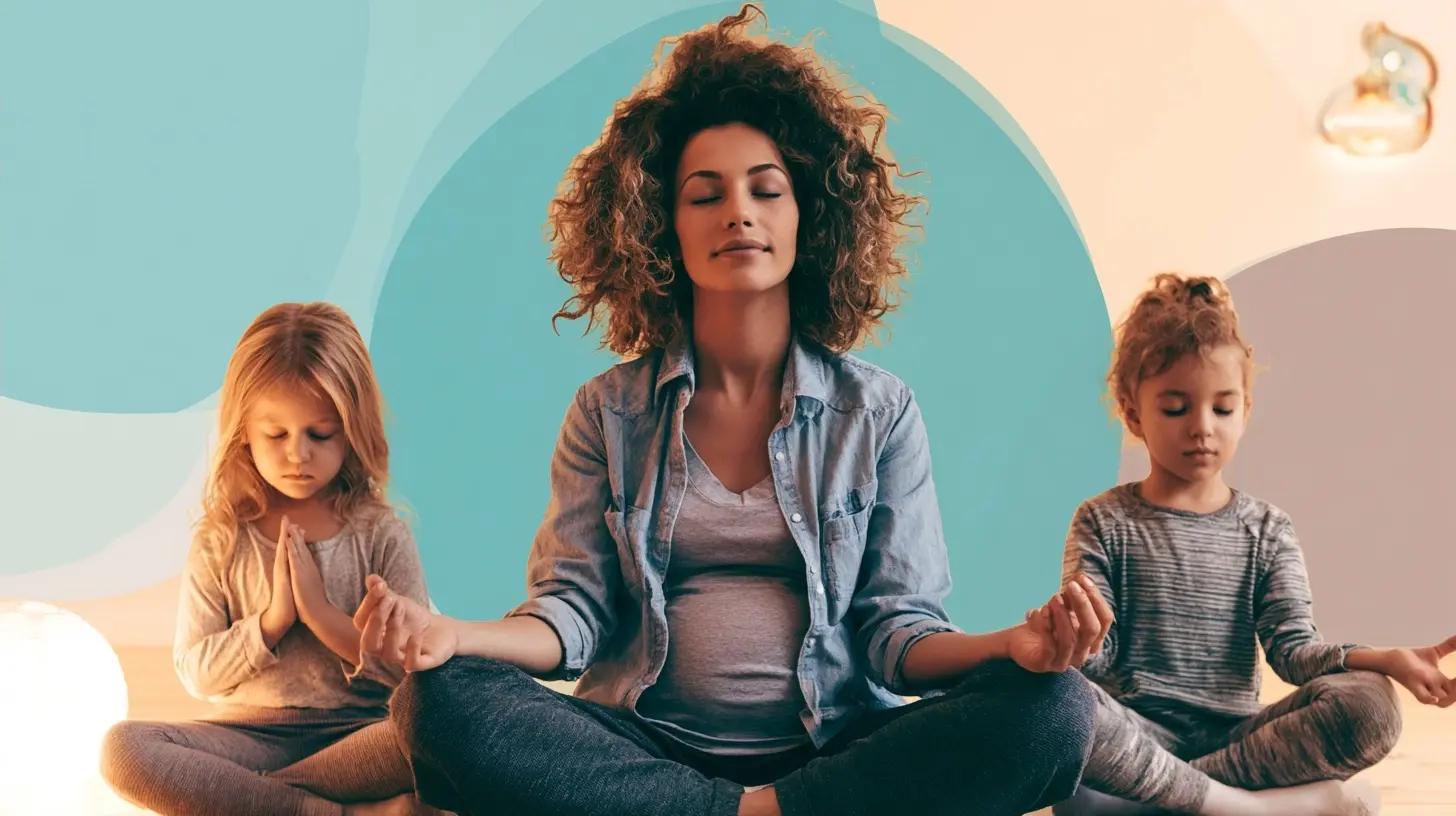
How Meditation Works
Meditation, in its various forms, promotes mindfulness, relaxation, and emotional regulation. At its core, meditation encourages individuals to focus on the present moment, fostering a sense of peace and clarity. Scientific research has shown that regular meditation can lead to changes in the brain structure and function, which can help manage stress responses.The Science Behind Meditation and Stress Reduction
Research indicates that meditation can lower levels of cortisol, the hormone associated with stress. A study published in the journal "Health Psychology" found that participants who engaged in mindfulness meditation experienced reduced stress levels compared to those who did not meditate. The practice also enhances the prefrontal cortex's ability to regulate emotions, leading to improved responses to stressful situations.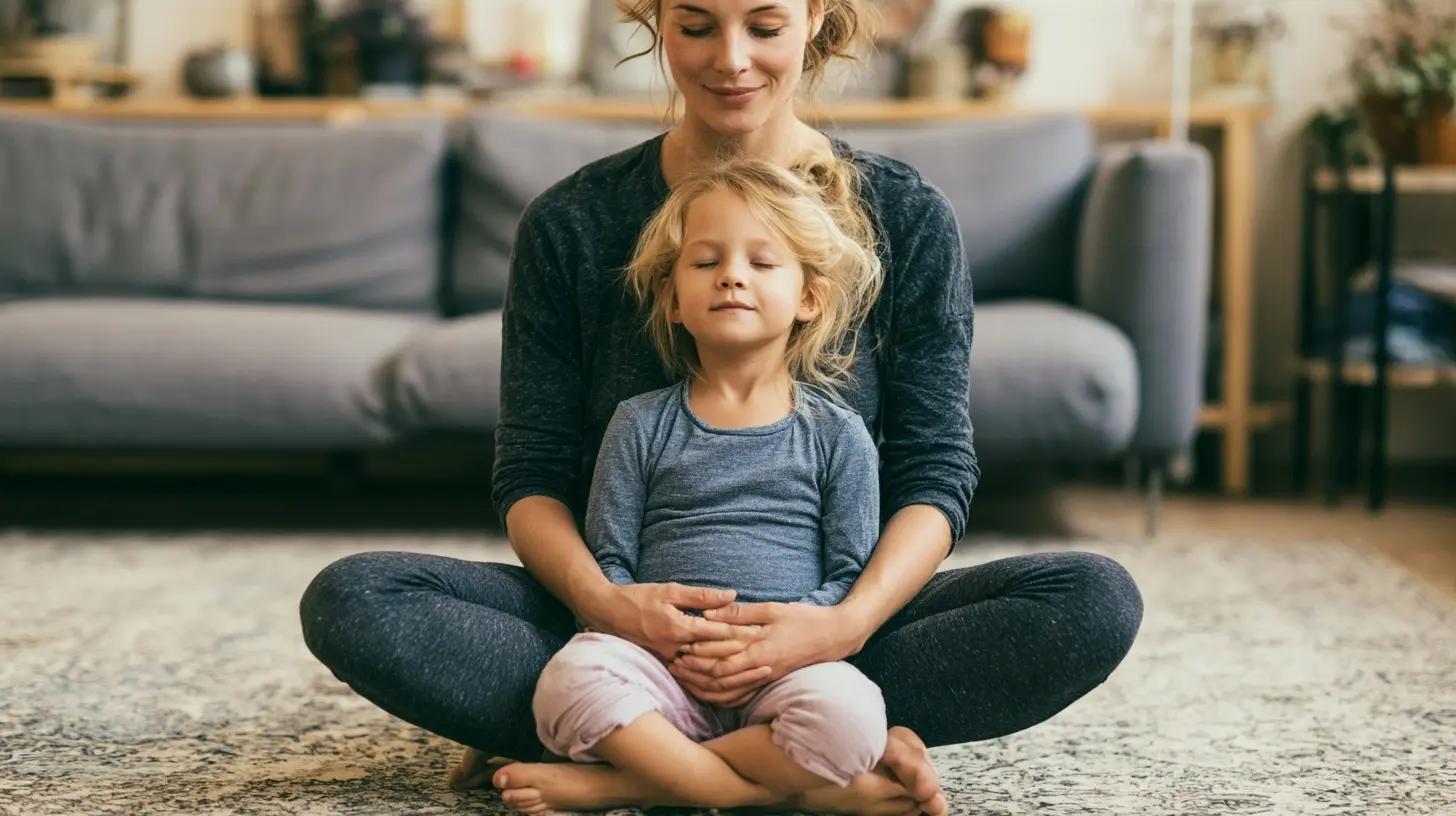
The Benefits of Meditation for Parents
Emotional Regulation
One of the primary benefits of meditation for parents is enhanced emotional regulation. By practicing mindfulness, parents can learn to respond to stressful situations more calmly. This emotional resilience not only benefits the parents but also creates a more stable environment for children.Improved Focus and Clarity
Meditation promotes better focus and mental clarity. In the chaotic world of parenting, this can translate to improved decision-making and the ability to prioritize tasks effectively. Parents who meditate are often more present with their children, which can strengthen the parent-child bond.Increased Patience
Parenting requires a great deal of patience, and meditation can help cultivate this essential quality. Regular meditation practice allows parents to step back and respond thoughtfully, rather than reacting impulsively. This shift can lead to more positive interactions with children, even during challenging moments.
Practical Tips for Incorporating Meditation into Parenting
Integrating meditation into a busy parenting routine may seem daunting. However, with a few practical strategies, parents can make this practice a manageable part of their daily lives.Start Small
Begin with just a few minutes of meditation each day. Short sessions can be surprisingly effective, especially for those new to the practice. Gradually increase the duration as comfort with meditation grows.Use Guided Meditations
For those unsure where to start, guided meditations can be extremely helpful. Numerous apps and online platforms offer guided sessions tailored specifically for parents. These can provide structure and support, making the practice more accessible.Meditate with Your Children
Involving children in meditation can be a bonding experience. Simple exercises, such as deep breathing or visualization, can be done together. This not only instills mindfulness in children from a young age but also reinforces the practice for parents.Create a Dedicated Space
Designate a quiet space for meditation, free from distractions. This could be a corner of a room or a peaceful outdoor spot. A specific area can signal to the mind that it's time to engage in meditation, making it easier to establish a routine.Common Mistakes and Misconceptions About Meditation
Despite its benefits, there are several misconceptions about meditation that can hinder its practice.Thinking It Requires a Lot of Time
Many people believe that effective meditation requires lengthy sessions. In reality, even short periods of mindfulness can yield significant benefits. It's essential for parents to realize that quality matters more than quantity.Expecting Immediate Results
Meditation is a skill that takes time to develop. Parents may become discouraged if they do not experience immediate stress relief. Understanding that the benefits accumulate with consistent practice is crucial for long-term success.Believing Meditation is Only for Relaxation
While relaxation is a significant benefit of meditation, it also promotes awareness and emotional regulation. Recognizing that meditation can enhance multiple aspects of parenting can motivate parents to embrace the practice more fully.
The Role of Community in Meditation Practice
Engaging with a community can enhance the meditation journey. Many parents find support through local or online meditation groups. Sharing experiences and challenges with peers can provide motivation and encouragement.Finding the Right Community
When seeking a meditation community, consider the following factors:1. Shared Goals: Look for groups that align with personal meditation goals, whether they focus on mindfulness, stress reduction, or emotional regulation.
2. Flexibility: Choose a community that offers flexible meeting times and formats, accommodating the unpredictable nature of parenting.
3. Inclusive Environment: Ensure the community is welcoming and supportive, fostering a sense of belonging.
Real-World Examples of Meditation Impacting Parenting Stress
Several studies illustrate the positive effects of meditation on parenting stress. For instance, a randomized controlled trial involving parents of children with autism found that mindfulness meditation significantly reduced parenting stress. Parents who participated reported greater emotional well-being and improved relationships with their children.A Case Study: The Johnson Family
Consider the Johnson family, who struggled with the demands of parenting two young children. Both parents felt overwhelmed and often snapped at each other and their kids. After a close friend introduced them to meditation, they committed to a 10-minute morning routine. Over time, they noticed improvements in their mood, communication, and overall family dynamics. They attribute their progress to the patience and emotional clarity gained through meditation.
Balancing Meditation and Parenting Responsibilities
While meditation offers numerous benefits, it is essential to balance this practice with the realities of parenting. Here are some strategies to maintain that equilibrium:Be Flexible
Life with children is unpredictable. If a planned meditation session cannot happen, it is okay to adapt. Consider shorter, improvised mindfulness practices throughout the day, such as focusing on breath while waiting for a child at school.Prioritize Self-Care
Meditation is just one facet of self-care. Ensure that it is part of a broader strategy that includes physical activity, healthy eating, and social connections. A well-rounded approach to self-care can amplify the benefits of meditation.Conclusion
Meditation can be a powerful tool for managing parenting stress, promoting emotional regulation, and enhancing family relationships. By understanding its science-backed benefits, incorporating practical strategies, and cultivating a supportive community, parents can create a more peaceful and fulfilling parenting experience. While the journey of parenting will always present challenges, integrating meditation can serve as a valuable ally in navigating those ups and downs.
all images in this post were generated using AI tools
Category:
Parenting Self CareAuthor:

Maya Underwood