Using Chores to Teach Kids About Time Management
12 March 2026
Let’s face it—time management is a skill many adults still struggle to master. So how can we expect our kids to just get it without some hands-on practice? The good news is, you don’t need a fancy planner or time-blocking app to teach your kids how to manage their time. You just need something you already have: chores.
That’s right. Those everyday household tasks that most of us grumble about? They can be powerful tools to help our kids develop the time management skills they’ll use for life. From washing dishes to folding laundry, chores are more than just ways to keep your home from falling apart—they’re life lessons wrapped in soap and socks.
Let’s dive into how to transform simple housework into time management gold.
Why Chores Are More Than Just Housework
Remember when you were a kid and had to take out the trash before dinner or clean your room before friends came over? You probably didn’t realize it then, but you were learning valuable lessons about deadlines, planning, and prioritizing.Chores aren’t just about keeping things tidy—they teach responsibility, accountability, and most importantly, how to manage time. When kids are given a task and a timeframe to complete it, they're practicing skills they’ll need in school, work, and life.
Think of it this way: Treating chores like real “appointments” or tasks on a mini to-do list gives kids a taste of the real world.
The Link Between Time Management and Chores
Chores teach time management in a subtle but effective way. Here’s how:1. Setting Deadlines
Whether it’s “clean your room before dinner” or “take the dog out in the next 10 minutes,” kids begin to grasp the concept of time limits. Knowing they have a deadline helps them focus and plan their actions more efficiently.2. Prioritizing Tasks
Sometimes there are multiple chores to do—dishes, sweeping, and setting the table. Which comes first? Kids learn to prioritize, and even better, they start developing strategies to finish things in the right order with the least effort.3. Estimating Time
One major part of growing up is understanding how long things take. Chores teach kids to estimate time. How long does it take to clean the bathroom? Fold laundry? These mental time clocks are essential as they take on homework, hobbies, and eventually, jobs.
Age-Appropriate Chores That Teach Time Skills
Kids at different ages process time differently. What works for a six-year-old will probably bore a teen to tears. Let’s break it down by age and give you some chore ideas that double as time management lessons.Toddlers (Ages 2–4)
Yes, even toddlers can help out. Keep it simple:- Picking up toys before bedtime
- Putting dirty clothes in a hamper
- Wiping small spills with a towel
🕒 Time skill: Understanding routine and sequencing (“First we clean up, then we have storytime”).
Early Elementary (Ages 5–8)
At this stage, kids are more independent:- Making the bed
- Feeding pets on a schedule
- Setting the table before dinner
🕒 Time skill: Following simple schedules and seeing the cause-effect of sticking to a routine.
Preteens (Ages 9–12)
Now you can start layering in more complexity:- Doing laundry (with supervision)
- Cleaning bathrooms
- Helping prepare meals
🕒 Time skill: Managing multi-step tasks and estimating how long things will take.
Teens (Ages 13+)
Teens should handle bigger responsibilities with minimal reminding:- Grocery shopping with a list and budget
- Meal planning and cooking
- Deep cleaning chores (garage, yard, etc.)
🕒 Time skill: Planning ahead, multitasking, and managing time without constant oversight.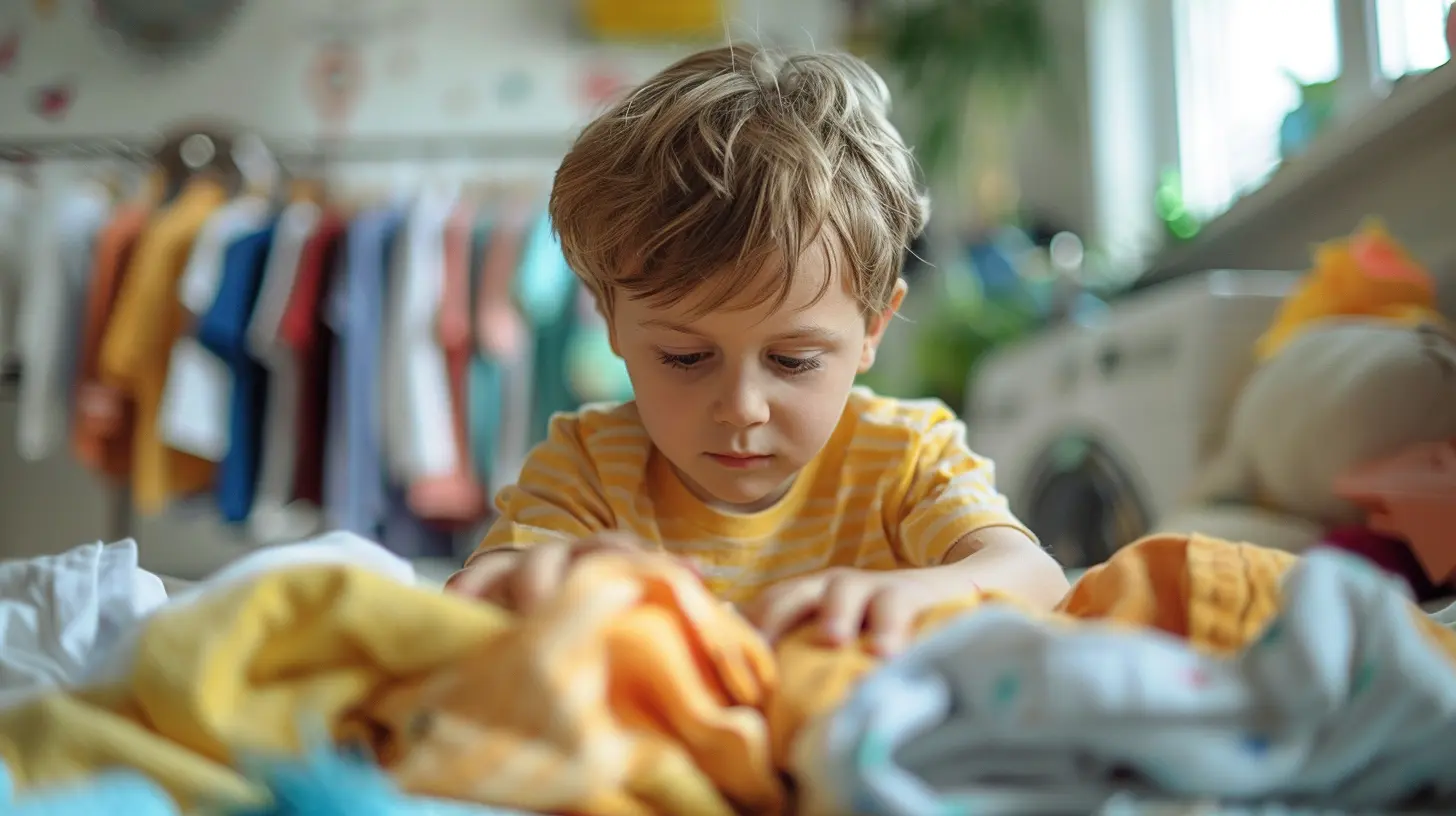
Making Chores a Teaching Moment
Now comes the fun part—making chores meaningful. You don’t want to just bark orders. Instead, turn these moments into “time talks.”Use Timers
There’s something magical about a ticking clock. Use a timer or set a countdown on your phone. Say, “Let’s see if we can clean up these Legos in 10 minutes!” It adds urgency and makes it a game.Talk About Time
When you assign a chore, talk about when it needs to be done and how long it should take. Ask your child to guess the time, then talk afterward about whether their guess was accurate.> "How long do you think it’ll take to clean your room? Let’s see how close you were!"
Give Them a Chore Calendar
Older kids can really benefit from a visual layout of their responsibilities. Whether it’s a weekly checklist or a dry-erase board with color-coded tasks, giving your child ownership of their schedule helps them understand how to allocate time.Tie It to Real-Life Rewards
No, you don’t have to pay your kids for every chore. But relating chores to earned privileges or consequences helps reinforce time-based responsibilities.- “If you finish your chores by 5 PM, you can have screen time afterward.”
- “If you wait until the last minute, you’ll miss out on your favorite show.”
It’s cause and effect, plain and simple.
Avoiding Common Chore-Time Mistakes
Let’s be honest. Teaching time management through chores sounds great on paper, but reality can be... messy. We’ve all been there—repeating instructions, listening to moans and groans, or dealing with half-done chores. Here are a few common pitfalls to watch for:1. Overloading with Tasks
Don’t throw a mountain of chores at your kid and expect them to cope. Keep it age-appropriate and introduce one or two manageable tasks at a time.2. Being Inconsistent
If one week you’re super strict about deadlines and the next week you let things slide, you’re sending mixed signals. Be consistent with expectations and follow through with consequences.3. Doing It for Them
It’s tempting to just do the chore yourself when your child is too slow or forgets. But that cheats them out of the learning moment. Offer support, but let them take charge of finishing the task.Celebrate the Small Wins
Time management is a lifelong skill, and learning it doesn’t happen overnight. Celebrate progress. When your child voluntarily starts doing their chores on time or finishes a task faster than usual, make a big deal out of it.Praise goes a long way in reinforcing good habits:
> “Wow! You did all your chores before I even reminded you? That’s awesome time management!”
High-fives, stickers, points, or just verbal encouragement can build confidence and motivate kids to stay consistent.
When It All Clicks...
Imagine this: Your child comes home from school, looks at their list, and knocks out chores before dinner without you nagging. They know what they have to do, how long it’ll take, and when it needs to be done.That’s not just a tidy house—that’s a young person who’s learning how to manage their time. And it all started with something as simple as sweeping the floor or taking out the trash.
Final Thoughts
Using chores to teach kids about time management isn’t just smart—it’s practical and doable. It takes tasks that already need doing and turns them into teachable moments.You’re not just raising kids who contribute to the household. You’re raising humans who can prioritize, plan, and own their time.
So next time your child groans about setting the table or cleaning their room, take a deep breath and remind yourself—this is more than a chore. It’s a life skill in the making.
all images in this post were generated using AI tools
Category:
Kids And ChoresAuthor:

Maya Underwood
Discussion
rate this article
2 comments
Velma McCune
This article brilliantly highlights how chores can serve as effective tools for teaching kids time management skills. By incorporating responsibilities into daily routines, parents can instill a sense of accountability and organization in their children, preparing them for future success.
March 31, 2026 at 4:06 PM
Maya Underwood
Thank you! I'm glad you found the article helpful in highlighting the importance of chores in teaching kids time management and accountability.
Grace Hurst
Absolutely love this approach! 🎉 Teaching kids about time management through chores is such a brilliant idea. It not only fosters responsibility but also builds valuable life skills. Can’t wait to try these tips with my little ones! 🌟
March 12, 2026 at 3:56 AM
Maya Underwood
Thanks for the kind words! I'm glad you find the approach helpful. Wishing you and your little ones a great time with these tips!