Why Patience Matters: Handling Developmental Delays with Care
22 February 2026
So your little one isn’t hitting milestones like the books said they would. Guess what? That’s perfectly okay. Before you start spiraling down the rabbit hole of Google searches and comparing your child to your neighbor’s 10-month-old who’s already reciting the alphabet backward (probably not), let’s take a deep breath together. Parenting isn’t a race – it’s more like a very long, very unpredictable road trip with countless snack breaks and occasional meltdowns (from both kids and parents).
In this post, we’re diving into the real-talk topic of developmental delays, but with a twist – we’re keeping it light, hopeful, and a bit cheeky. Because sometimes, you’ve got to laugh to keep from crying, am I right?
What Are Developmental Delays? (And Why They’re Not the End of the World)
Alright, let's break it down. Developmental delays happen when a child doesn’t reach developmental milestones at the expected times. These can be in:- Speech and language
- Motor skills (think walking, crawling, throwing Cheerios across the room)
- Cognitive skills
- Social and emotional development
Now, before you hit the panic button, remember: every kid develops at their own pace. Some zoom ahead like they're auditioning for baby Olympics, and others take the scenic route – stopping to smell every metaphorical flower along the way.
Delays don’t automatically mean there’s a serious problem. Sometimes kids are just... taking their sweet time. Maybe your toddler's just not that into talking yet because they’re too busy figuring out how to unscrew every lid in your kitchen.
The Patience Puzzle: Why It’s Your Secret Superpower
Patience, dear parent, isn’t just a virtue – it’s practically a job requirement.When your child is struggling to speak, walk, or play like their peers, it’s easy to feel frustrated. Or worried. Or like you’ve somehow failed. But hold onto your goldfish crackers – because patience is what gives your child the space to grow at their own pace.
Think of patience like a comfy pair of stretchy pants. It keeps you flexible, comfy, and ready for whatever unpredictable twist your child throws at you (including literal spaghetti at dinner).
Patience Builds Confidence (Theirs and Yours)
Imagine trying to learn a new skill while someone hovers over you muttering, “Why aren’t you doing it yet?” Uh, no pressure, right?Kids are no different. When you stay calm and supportive, even when progress feels like watching paint dry, your child feels safer and more confident to keep trying.
And guess what? That calm also boomerangs back to you. You start trusting yourself. You realize you can handle this. You’re not failing — you’re parenting like a pro in the patience department.
Understanding the Spectrum of ‘Normal’
Let’s ditch the word “normal” for a second, shall we? Because honestly, who decided what that even means?Developmental milestones are guidelines, not rigid rules. They're like GPS suggestions: “In 300 feet, your baby should be babbling.” But sometimes, they take a detour. Maybe they develop motor skills faster and language later. Or maybe they’re just soaking in the world quietly before deciding to participate.
Here’s a fun fact: Einstein didn’t talk until he was four. FOUR. Let that sink in the next time someone brags about their 18-month-old saying “tyrannosaurus.”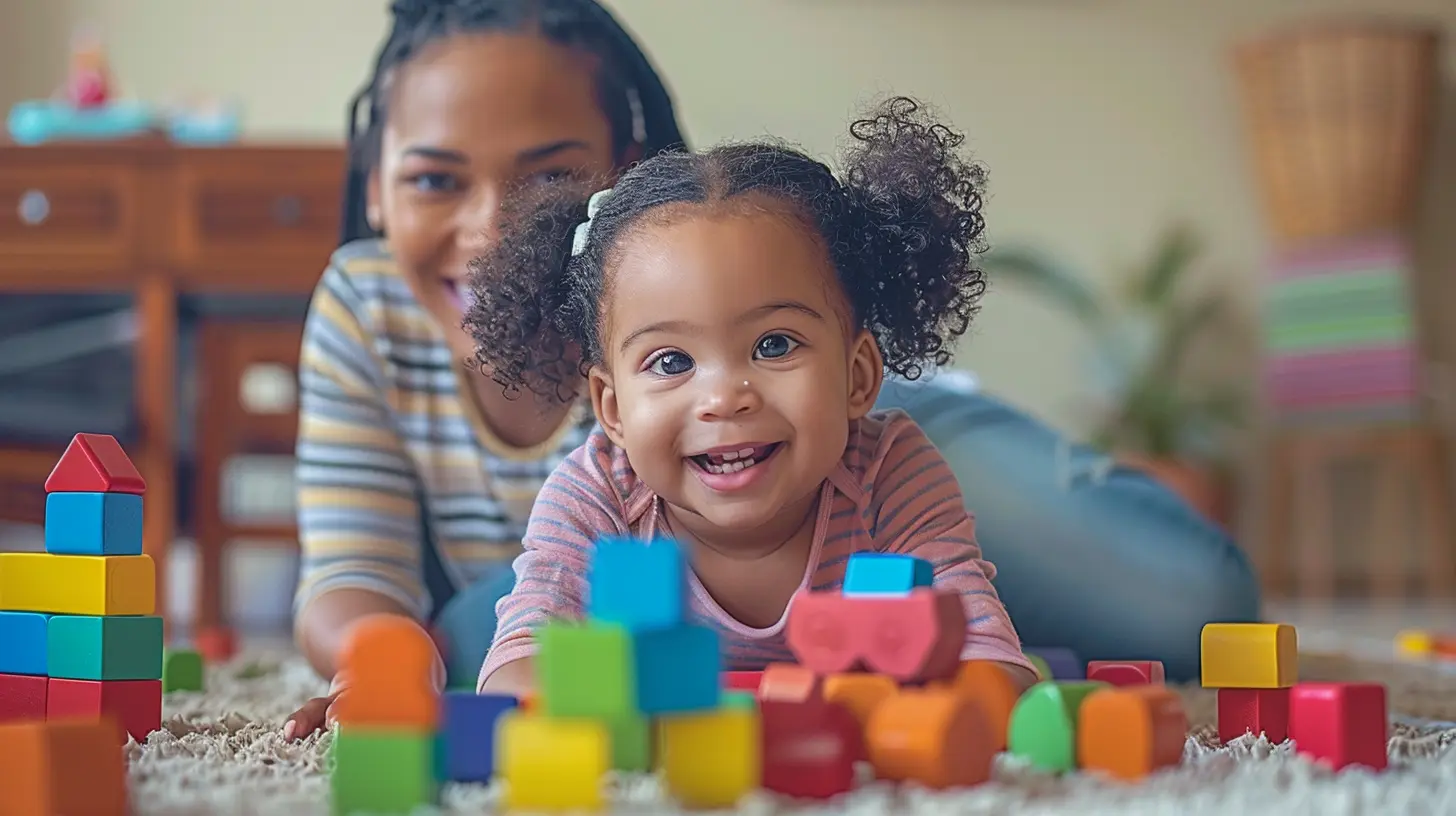
Red Flags vs. Red Herrings
It’s totally okay — responsible even — to keep an eye out for signs of concern. That’s part of being a great parent. But distinguishing between genuine red flags and innocent quirks? That’s where things get tricky.🤔 Red Flags Might Include:
- Not smiling socially by 3 months
- No babbling by 12 months
- Not walking by 18 months
- Trouble making eye contact
- Losing skills they previously had
If your gut is speaking to you (not just the one that craves cookies at 2 a.m.), talk to your pediatrician or a developmental specialist. They’re there to help, not judge.
But if your child is just taking longer to master a few things? That might just be their style.
How to Handle Developmental Delays with All the Love (and Snacks) You’ve Got
1. Don’t Play the Comparison Game
Repeat after me: My child is not a carbon copy of anyone else’s child.Comparing kids is as effective as comparing apples and staplers. Not only is it unfair to your child, but it’s also a fast track to Parenting Burnoutville.
Instead, look at your child’s progress over time. Are they making any movement forward, no matter how small? Then celebrate that like you just won the lottery.
2. Get Support – You Don’t Have to DIY This
No one expects you to be a developmental therapist, speech pathologist, AND full-time snack dispenser. If there's a delay, embrace the power of your village. That might mean early intervention services, therapists, or support groups. It might mean leaning on other parents who get it (and won’t judge you if your kid still eats crayons).3. Celebrate Tiny Wins Like It’s New Year’s Eve
When your child finally says “mama” or figures out how to clap or makes eye contact – have a freaking party. Seriously. Break out the juice boxes. These moments might seem small to others, but you know how big they really are.Celebrating progress (not perfection) keeps the positivity flowing and reminds everyone – including you – that great things are happening.
4. Speak Kindly (to Your Child AND Yourself)
Developmental delays can come with a pesky side effect called “parent guilt.” You may wonder if you missed something or didn’t do enough tummy time.Stop that train right now. You’re doing great, even on the days when your hair is 30% dry shampoo.
Speak encouragingly to your child, and don’t forget to give yourself grace. You’re in the thick of it, and you’re showing up every day. That’s heroic.
The Long Game: Why Patience Pays Off
Now, let’s fast-forward a bit. You kept your cool (most of the time), found the right resources, cheered on every small win with unbridled enthusiasm, and now your child is thriving on their own timeline.You’ll look back and realize that the slow start? It didn’t define them. It shaped them. And it shaped you into a parent who understands that growth doesn’t always follow a straight line — sometimes, it doodles in the margins first.
Patience doesn't just help your child. It transforms you. It makes you kinder, stronger, more observant, and yeah — maybe a little more caffeine-dependent. But also more proud than you ever thought possible.
Humor Helps: Laugh When You Can
Parenting a child with developmental delays isn’t always sunshine and finger paints. There are hard days. But don’t underestimate the healing power of humor.Laugh at the chaos. Find joy in the weird, unpredictable ways your child learns. Write down the funny stuff. Share stories with other parents who get it.
A giggle can turn a tough day around. And, let’s be honest, when your kid finally says “mama,” but it comes out as “moomoo” and they’re pointing at a cow? That’s comedy gold.
You’ve Got This, Really
At the end of the day (usually the one that ends with you stepping on Legos), remember this: You are exactly the parent your child needs. Not because you’re perfect, but because you’re patient, present, and persistent.Developmental delays don’t mean your child is broken. They mean your journey is going to require a bit more time, a bit more creativity, and a whole lot more love. And lucky for them, they’ve got you.
So hold onto your heart. Keep the faith. Stock up on snacks. And let patience do its perfectly imperfect thing.
Final Thoughts: Let’s Redefine What Progress Looks Like
Progress isn’t always about checking boxes. Sometimes it looks like trying again after a tough therapy session. Or giggling during a messy art project. Or simply sitting quietly together without pressure.When you handle developmental delays with care, you build a foundation of trust, love, and resilience. You create a space where your child knows they’re already enough – even if they haven’t walked, talked, or potty-trained on someone else’s schedule.
So yeah, patience matters. Hugely. It’s not just a parenting tool—it’s a parenting superpower. Capes optional.
all images in this post were generated using AI tools
Category:
Infant DevelopmentAuthor:

Maya Underwood
Discussion
rate this article
2 comments
Maris Middleton
This article beautifully emphasizes the importance of patience in parenting. Understanding and supporting children through developmental delays is crucial. Compassionate guidance fosters their growth and helps build a positive parent-child relationship.
March 6, 2026 at 4:57 PM
Maya Underwood
Thank you for your thoughtful comment. I completely agree-patience and compassion are key in nurturing our children's development.
Spike Griffin
Thank you for shedding light on such an important topic. Your insights on embracing patience during challenging developmental delays resonate deeply. It’s a reminder that every child's journey is unique, and our support can make a significant difference in their growth and confidence.
February 24, 2026 at 4:02 AM
Maya Underwood
I appreciate your kind words. It's crucial to remember that understanding and support can truly empower each child's unique journey. Thank you for engaging with this topic.