Turning Tantrums into Teaching Moments
5 July 2026
Parenting: it’s a journey filled with the highest highs and, let’s be honest, some pretty epic lows. One of those lows? Tantrums. You know, those meltdowns that seem to erupt out of nowhere and leave you feeling like the walls of your sanity are caving in. Every parent has been there at least once (or, let’s face it, more times than they’d like to admit). But here’s the thing: tantrums don’t have to be just a frustrating part of parenting. Believe it or not, they can actually be golden opportunities for teaching and connection.
So, instead of dreading those impromptu breakdowns, what if we reframed them? Let’s talk about how to turn tantrums into teaching moments. Trust me, it’s not as impossible as it sounds.
Why Do Tantrums Happen in the First Place?
Before we dive into damage control, let’s address one important question: why do kids throw tantrums anyway? Understanding the "why" can help you respond in a way that’s less reactive and more thoughtful.Think about it—toddlers and young kids are like little soda bottles. They shake up all these emotions, frustrations, and unmet needs inside them with no real way to express what’s going on. Then, boom! The cap flies off, and you’re left mopping up the mess. Tantrums are often caused by a mix of overexcitement, exhaustion, hunger, or even the inability to articulate feelings. It’s not logical; it’s just how they’re wired.
Now, as adults, we’ve learned (mostly) to manage our emotions. But kids? They’re still figuring this out. Imagine trying to speak a language you haven’t fully learned yet—frustrating, right? That’s what emotional regulation feels like to a child.
So, instead of seeing tantrums as bad behavior, try looking at them as a loud, dramatic cry for help. Your child isn’t trying to ruin your day (promise)—they just need some guidance to navigate their emotional storm.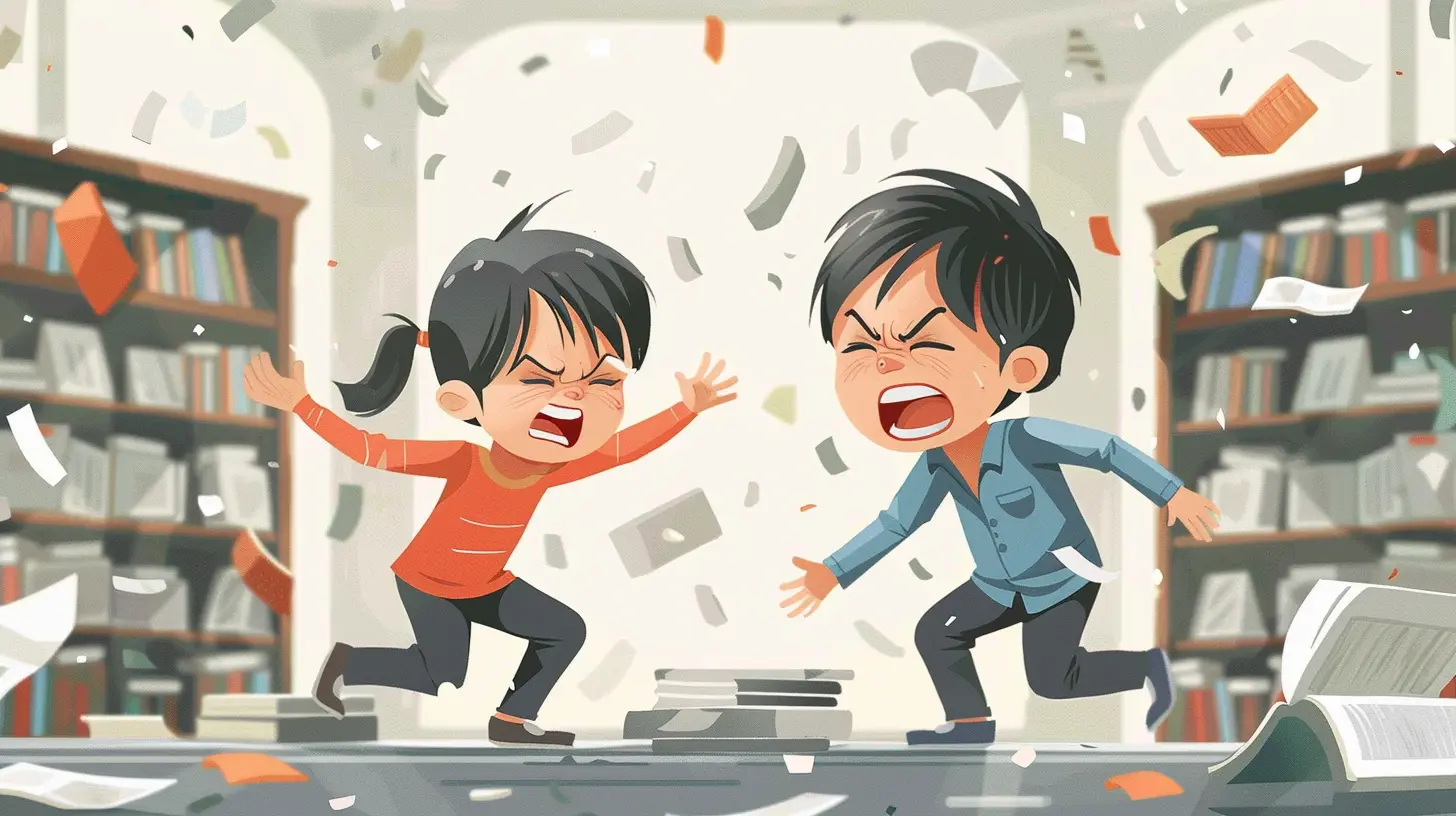
Your Role: The Calm Captain of the Ship
When a tantrum hits, it’s a bit like being on a rocky boat in the middle of a storm. Your job? To be the calm, steady captain who helps steer things back to smoother waters. Easier said than done, I know. But here’s the big secret: the way you respond can either add fuel to the fire or help extinguish it.Why Staying Calm Makes All the Difference
Remember, kids are emotional sponges. If you start yelling or reacting out of frustration, they’ll absorb that energy and escalate even further. Think of it like throwing logs on a bonfire—you’re making it bigger. But staying calm? That’s like pouring water on the flames. It’s not easy, but it’s powerful.Here’s a trick: take a deep breath before you respond. Give yourself a moment to gather your thoughts. Pretend you’re a detective trying to figure out the root of the problem, rather than a referee at a boxing match. “What’s really going on here?” is a much better approach than jumping straight into “Stop crying!” or “Calm down right now!” (Spoiler: that never works).
Turning the Breakdown into a Breakthrough
Alright, you’ve stayed calm (or at least tried your best—gold star for the effort). Now what? How do you actually turn this meltdown into a teaching moment? Trust me, this is where the magic happens.1. Acknowledge Their Feelings
Think about when you’ve had a rough day and someone tells you, “You’re overreacting.” Feels awful, right? The same goes for kids. Dismissing their feelings only makes them feel unheard and more upset. Instead, try to validate their emotions by saying things like:- “I can see that you’re feeling really upset right now.”
- “It’s okay to feel mad/sad/frustrated.”
Acknowledging their emotions doesn’t mean you agree with their behavior—it just shows that you see them and understand.
2. Identify the Cause
Once your child has calmed down a little, help them figure out why they’re upset. Sometimes, it’s obvious (like when they didn’t get that shiny toy at the store). Other times, it’s less clear. Ask open-ended questions or gently guide them:- “You seem really frustrated. Did something happen that made you feel this way?”
- “Are you tired or hungry right now?”
Helping them identify the cause teaches self-awareness, which is a skill they’ll carry with them for life.
3. Set Clear Boundaries
Validating feelings doesn’t mean letting unacceptable behavior slide. There’s a fine line here, and it’s important to enforce boundaries without being harsh. For example:- “I understand that you’re upset, but hitting is not okay.”
- “It’s alright to feel angry, but we don’t throw toys when we’re mad.”
By calmly setting limits, you’re teaching them that emotions are valid, but certain actions are not.
4. Teach Coping Strategies
Here’s where you hand them the tools they need for emotional regulation. Once they’re calm, show them better ways to handle those big feelings next time. Some ideas:- Take deep breaths together (try calling it “blowing out birthday candles” for younger kids).
- Teach them to count to ten when they feel overwhelmed.
- Suggest a “calm-down corner” where they can go to reset.
Over time, these little techniques will add up and help your child build emotional resilience.
The Power of the Post-Tantrum Chat
After the storm has passed and everyone’s calmed down, take a moment to reflect with your child. This isn’t about lecturing them—this is about connection and learning. Sit down together and talk about what happened in a low-pressure way.Ask questions like:
- “How were you feeling earlier?”
- “What could we do differently next time?”
- “What helps you feel better when you’re upset?”
These conversations help your child process what happened and give them tools to handle their emotions better in the future.
The Bigger Picture: Why Tantrums Matter
Here’s the thing: as hard as tantrums are in the moment, they play an important role in your child’s development. Every meltdown is a chance for your child to learn about emotions, boundaries, and coping skills. And every time you respond with patience and empathy, you’re teaching them how to navigate their feelings in a healthy way.Will you always get it right? Nope. You’re human, and that’s okay. Parenting is a messy, imperfect process. The goal isn’t to avoid tantrums altogether (spoiler alert: that’s not possible). The goal is to use those moments to teach, grow, and connect.
Final Thoughts
Tantrums are tough. They test your patience, your energy, and sometimes your will to survive the day. But they’re also opportunities in disguise. The key is to approach them with empathy, calmness, and a mindset focused on growth.Instead of seeing a tantrum as a parenting failure, try flipping the script: “This is a chance to teach my child something important.” Because when we approach those high-pressure moments with love and understanding, we’re not just teaching our kids how to manage their emotions—we’re teaching them what it means to feel truly supported and seen.
You’ve got this, even on the days it feels like you don’t. And let’s be honest, nothing feels better than surviving a tantrum and coming out the other side stronger—both for you and your child.
all images in this post were generated using AI tools
Category:
Tantrum TipsAuthor:

Maya Underwood
Discussion
rate this article
1 comments
Harlow McClellan
I love the idea of using tantrums as teaching moments! How can we best balance discipline and understanding in these tough situations?
July 8, 2026 at 4:21 AM
Maya Underwood
It's all about staying calm and listening. Acknowledging feelings while setting clear boundaries can help. Use tantrums as a chance to guide rather than just correct.