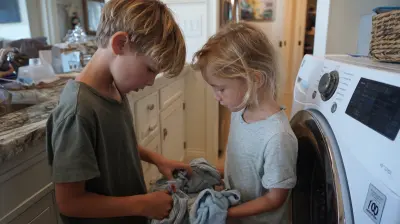
Raising an Emotionally Intelligent Child
10 February 2026
Let’s be honest—parenting doesn’t come with an instruction manual (though wouldn’t that be so nice?). We all want to raise kind, confident, compassionate little humans who can handle their big emotions without melting down in the middle of the cereal aisle. Sounds like a dream, right?
Well, that, my friend, is what raising an emotionally intelligent child is all about. It's not just about saying "please" and "thank you" (though that’s a bonus). We're talking about helping our kids understand their feelings, express them in healthy ways, and relate to others with empathy. Emotional intelligence is the secret sauce that prepares our kiddos for strong relationships, better decision-making, and resilience to boot!
So buckle up, grab your favorite snack (because this is a long one), and let’s dive into the wild, wonderful world of emotional smarts.
What Is Emotional Intelligence Anyway?
Okay, before we dive into how to actually raise an emotionally intelligent kid, let’s decode what this term even means.Emotional intelligence—aka EQ—is the ability to recognize, understand, manage, and express emotions in yourself and others. Think of it as your child’s internal GPS for feelings. It helps them navigate social situations, communicate with others, and stay grounded when the world feels wobbly.
Unlike IQ, which is mostly fixed, EQ can be taught and strengthened—just like building muscles at the gym (minus the sweating and protein shakes).
The Core Components of EQ (a.k.a. The Emotional Avengers)
There are five main parts of EQ, and if you're into superheroes, think of these as the Avengers of emotional smarts:1. Self-awareness – Knowing what you're feeling and why (like realizing you're hangry, not just grumpy).
2. Self-regulation – Managing those emotions without throwing shoes or slamming doors.
3. Motivation – Having inner drive and resilience (yep, even when things get hard).
4. Empathy – Understanding what others are feeling (superpower alert!).
5. Social skills – Navigating friendships, cooperation, and conflict with a sprinkle of grace.
So, how do we equip our tiny humans with these big-deal skills? Let’s break it down.
Step 1: Label Those Feelings (Yes, All of Them)
Ever have your kid meltdown and you ask, “Why are you crying?” only to get a shrug/growl/blank stare combo?Yep. Been there.
Often, toddlers and even older kids don’t have the words to explain their emotions. That’s where you come in.
Teach your child to identify emotions—all of them. From happy to sad, frustrated to excited, anxious to jealous. Don’t just stick to the basic "mad-sad-glad." Kids need a full color wheel for emotions, not just primary colors.
What to do:
- Use feeling charts or books that explore emotions.
- Narrate your own emotions aloud: “I’m feeling overwhelmed because there’s so much to do today. I’m going to take a deep breath.”
- Acknowledge your child's feelings before trying to fix them. “You’re disappointed because your playdate got canceled. That makes sense.”
When kids can name it, they can tame it.
Step 2: Be the Calm in Their Storm
You know that moment when your child is mid-tantrum and you want to scream into a pillow? Yep, we all do.But your calm is contagious.
Kids learn by watching us (even when we think they’re not paying attention—especially then). When you stay steady, even when your child is falling apart like a loose LEGO tower, you teach emotional regulation in real time.
What to do:
- Practice deep breathing together. Blow bubbles. Pretend to blow out birthday candles. It’s calming and fun.
- Model self-regulation. Saying “I’m feeling frustrated, so I’m going to take a moment” teaches more than a lecture ever could.
- Create a cozy, calm-down corner. Add pillows, fidget toys, sensory bottles—whatever helps your child reset.
Remember: you're the thermostat, not the thermometer. Set the emotional tone.
Step 3: Make Feelings Part of Everyday Conversation
Talk about feelings like you talk about snacks, or Paw Patrol, or how socks mysteriously disappear in the laundry.Making feelings part of normal life removes the shame and mystery around them.
What to do:
- During car rides or dinner, ask questions like, “What made you smile today?” or “Was there anything that bugged you?”
- Use storybooks, TV shows, or movies to spark conversation. “How do you think Elsa felt when Anna left? What would you have done?”
- Share your own feelings (age appropriately, of course). Showing vulnerability builds trust and connection.
Normalize the idea that emotions are like weather—they come and go, and we don’t have to panic every time a cloud shows up.
Step 4: Problem-Solve Together
Emotional intelligence isn’t just about “feeling the feels”—it’s about what you do next.When your kiddo faces a challenge (say, a fight with a friend over LEGOs), don’t rush to sweep it under the rug or fix it for them. Instead, guide them through problem-solving.
What to do:
1. Help them identify the problem.
2. Brainstorm possible solutions together.
3. Talk about the potential outcomes.
4. Let them choose a plan and try it out.
It’s like being a feelings coach. You’re not playing the game for them, but you’re cheering from the sidelines and throwing them some serious strategy.
Step 5: Teach Empathy Like a Superpower
Empathy is the glitter of emotional intelligence—it gets everywhere, and it makes everything better.But empathy isn’t something kids just pick up. It needs to be modeled, practiced, and celebrated.
What to do:
- Use everyday situations to practice “stepping into someone else’s shoes.” (Figuratively, of course—nobody wants stinky feet.)
- Point out how others might be feeling: “Look at that boy on the playground. He looks sad. What do you think happened?”
- Celebrate acts of kindness and compassion. Make a big deal about it!
When kids learn to tune into others’ emotions, they build better friendships, resolve conflicts faster, and grow into humans who make the world a little kinder.
Step 6: Praise Effort Over Outcome
“Good job” is fine, but it’s like giving your kid a single jellybean after they built a LEGO fortress. We can do better.When you praise your child, focus on the process and their emotional growth. That helps build self-esteem and emotional intelligence.
Instead of:
- “You’re so smart!”
Try:
- “You worked really hard to stay calm when your tower fell over. That shows a lot of self-control!”
Encouraging emotional effort shows your child that how they handle situations matters more than just the results.
Bonus Quirky Tips (Because Who Doesn’t Love Extra Credit?)
1. Emotion Bingo Nights – Print out bingo cards with different emotions. Watch a movie or read a book together and see who can spot the most feelings!2. Feelings Journals – Let your child draw or write a few lines about how they feel each day. It’s like emotional stretching for the brain.
3. Sock Puppet Therapy – Let puppets have a “conversation” about their feelings. It’s silly and surprisingly effective!
Let’s Be Real for a Second…
Is it always sunshine and unicorn glitter? Nope.There will be days when you feel like an emotional jungle gym—climbed on, exhausted, and questioning your life choices. But every time you help your child pause, reflect, and respond instead of react—that's emotional intelligence in action.
You're shaping a little human who won't just know what they're feeling but who will treat others with kindness, who can bounce back from hard moments, and who understands that feelings are not flaws—they’re part of being human.
So, give yourself a high-five, parent. This work you’re doing? It’s messy, it’s hard, and it absolutely, positively matters.
And remember: emotionally intelligent kids don’t happen by accident. They’re raised—by emotionally aware, tired, snack-fueled grownups just like you.
all images in this post were generated using AI tools
Category:
Mental HealthAuthor:

Maya Underwood
Discussion
rate this article
2 comments
Ember Jordan
Feelings: the original rollercoaster ride!
February 25, 2026 at 3:36 PM
Maya Underwood
Absolutely! Emotions can really take us on a wild journey. It's all about guiding our kids through those ups and downs.
Holly Reed
Teaching kids to navigate their feelings is like giving them a superhero cape! Let’s empower our tiny heroes to embrace their emotions!
February 10, 2026 at 4:57 PM
Maya Underwood
Absolutely! Equipping kids with emotional awareness helps them thrive—just like a superhero cape empowers them to face challenges with confidence!