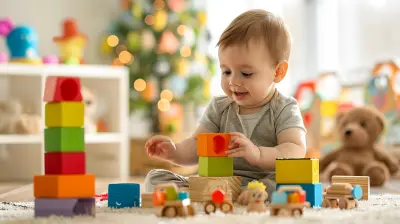
How Emotional Expression Affects Child-Parent Relationships
15 January 2026
Introduction
Have you ever wondered how the way you express your emotions influences your child? As parents, we often focus on providing for our children, ensuring they are safe, fed, and educated. But what about the emotional side of parenting? How we express our feelings—whether it’s love, frustration, joy, or sadness—has a profound impact on our relationship with our little ones.
In this article, we’ll dive into the power of emotional expression and why it plays a crucial role in shaping the bond between you and your child. So, grab a cup of coffee, sit back, and let's explore how opening up emotionally can strengthen your connection with your child. 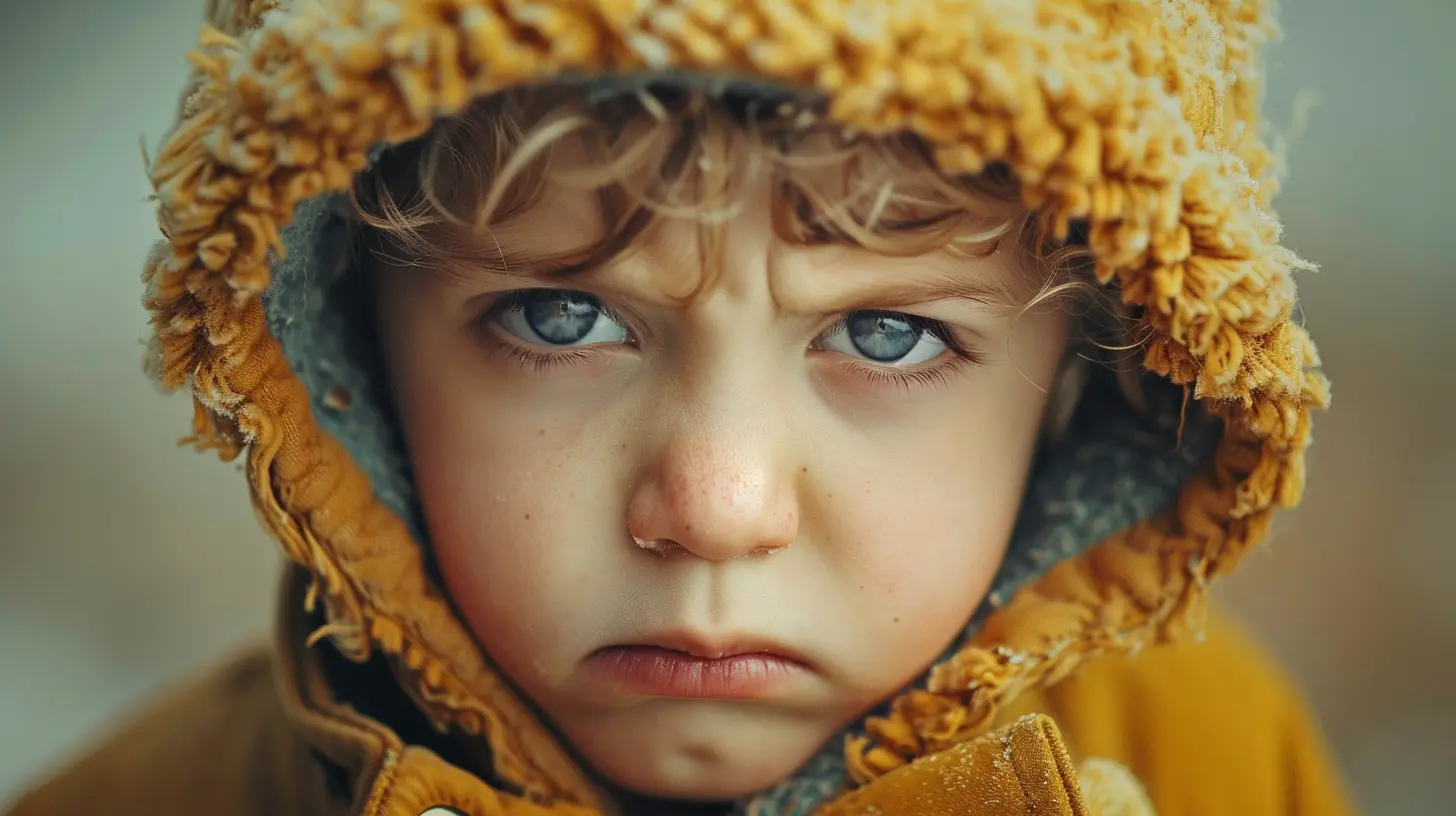
The Power of Emotional Expression
Emotional expression isn’t just about speaking your mind—it’s about showing your feelings in an open and healthy way. From smiling when you’re proud to talking about your frustrations calmly, your child learns from your cues.Children are like sponges—soaking up everything they see, hear, and feel. When you express emotions in a healthy way, they learn to do the same. This sets the foundation for a trusting, open, and deeply connected relationship.
But what happens if emotions aren’t expressed? Suppressing feelings can lead to misunderstandings, emotional detachment, and even resentment. That’s why mastering emotional expression can make all the difference in your parenting journey. 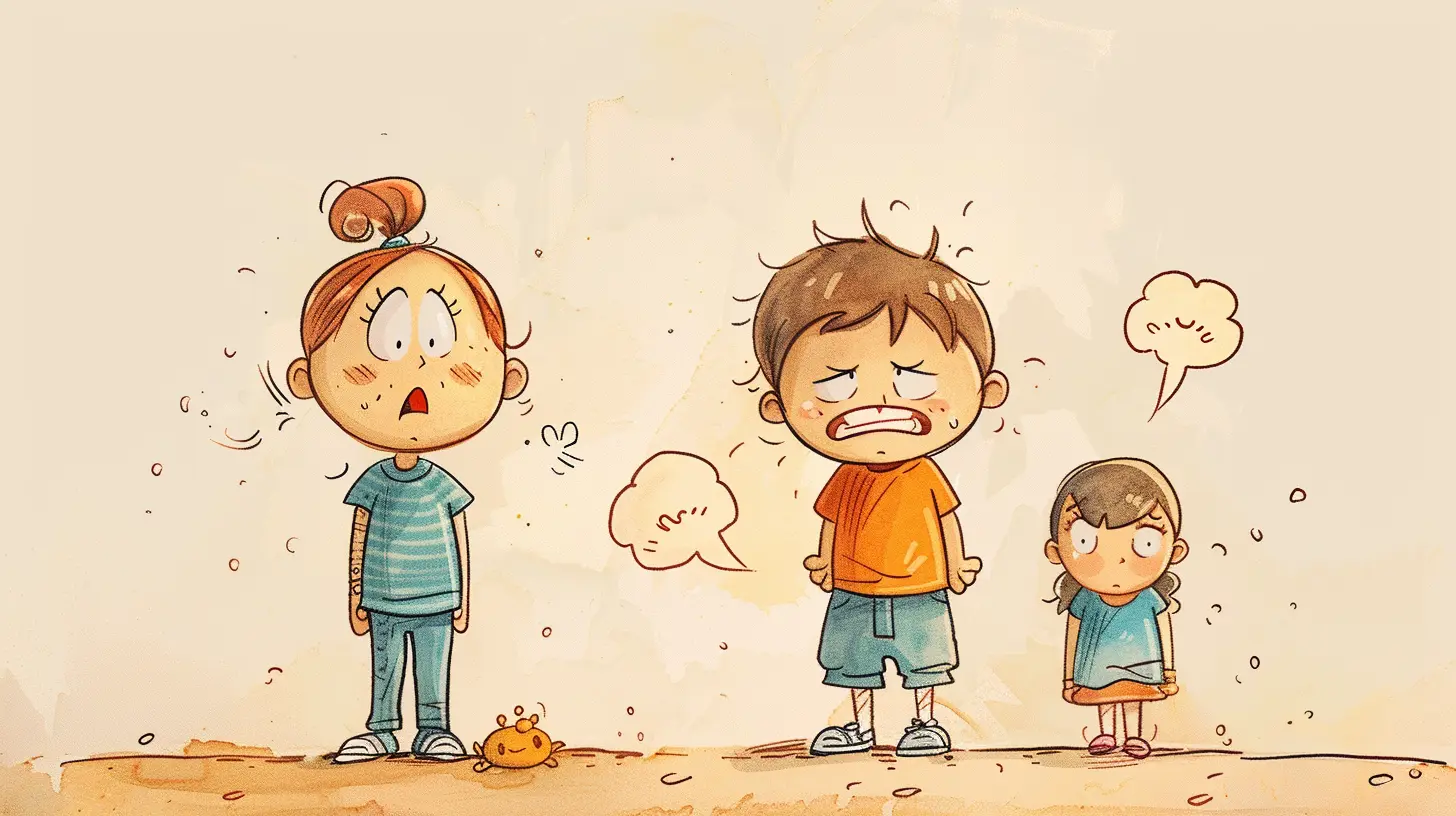
Why Emotional Expression Matters in Parenting
Expressing emotions plays a massive role in communication, trust-building, and emotional security. Here’s why it matters:1. It Builds a Strong Emotional Bond
Children feel more connected to parents who openly express their emotions. When you show affection, share your feelings, and validate theirs, your child feels seen and valued. This fosters a relationship where they feel safe to express themselves without fear of judgment.2. It Teaches Emotional Intelligence
How we handle emotions teaches kids how to manage their own. If we react with anger when we’re stressed, they learn to do the same. If we communicate calmly and openly, they’ll adopt those habits too. Your reactions shape their emotional intelligence.3. It Creates a Safe Environment for Expression
A child who knows their parents won’t judge, dismiss, or ridicule their feelings will always feel comfortable opening up. When children are encouraged to express their emotions without fear, they grow into emotionally secure adults.4. It Reduces Behavioral Issues
Children who struggle to express their emotions often act out. Tantrums, aggression, or withdrawal can all stem from bottled-up emotions. When parents model and encourage healthy emotional expression, children learn better ways to cope with challenges.5. It Strengthens Communication Skills
Parenting isn’t just about discipline and structure—it’s also about open communication. When you share your emotions with your child, they understand that it’s okay to talk about feelings. This helps develop lifelong communication skills.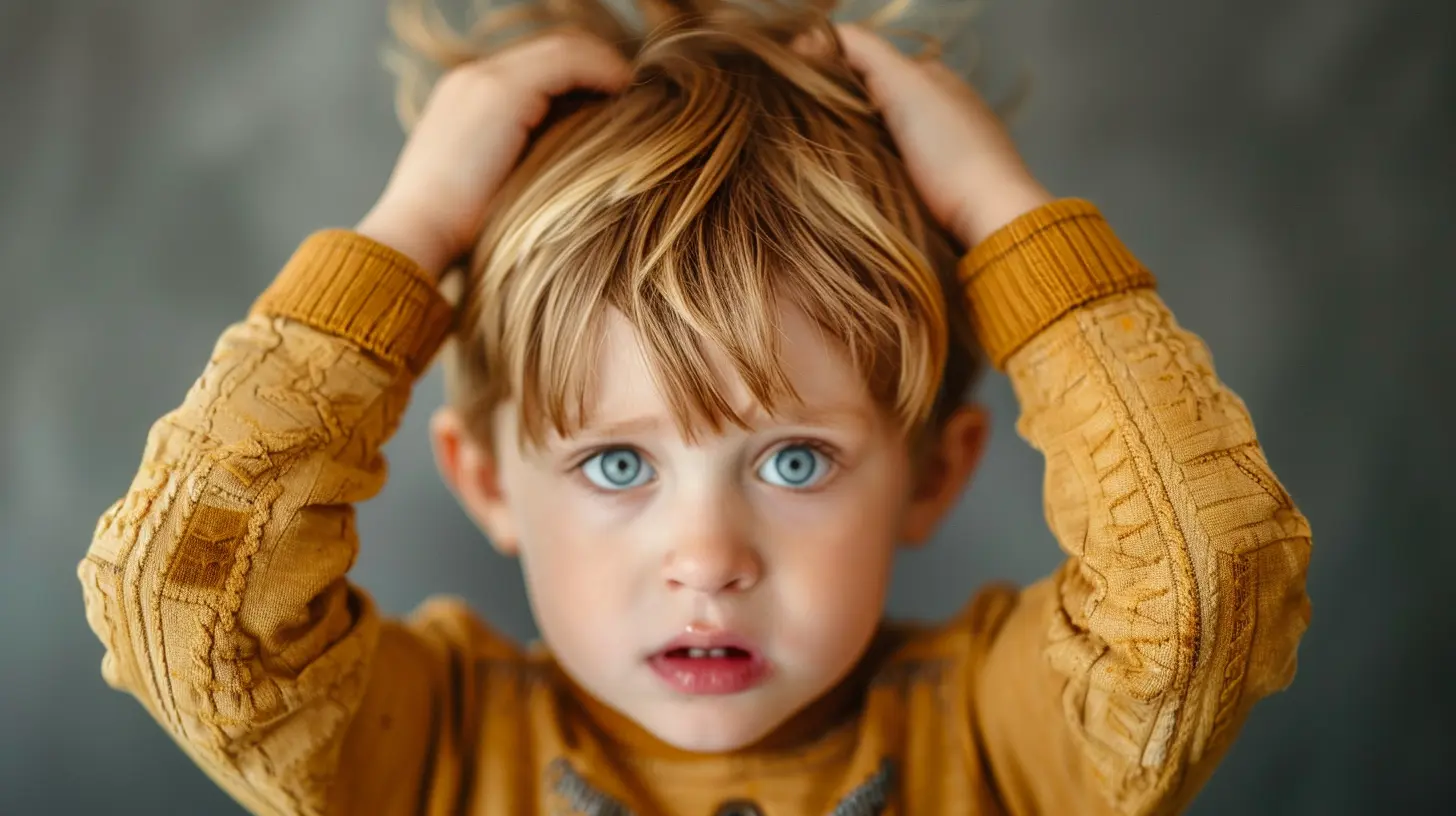
How Different Emotional Expressions Affect the Parent-Child Relationship
Not all emotional expressions have the same impact. Some emotions strengthen the bond, while others—if expressed poorly—can create distance. Let’s take a closer look.1. Expressing Love and Affection
Hugs, kisses, kind words, and positive affirmations let your child know they are valued and loved. A simple “I love you” or “I’m proud of you” goes a long way in making them feel secure. Expressing affection builds trust and reinforces your bond.2. Handling Anger Constructively
Anger is a normal emotion, but how you express it matters. Yelling or giving the silent treatment can make children feel unsafe. Instead, calmly explain why you’re upset. Saying, “I feel frustrated because…” teaches them how to handle and communicate their anger in a healthy way.3. Sharing Sadness and Vulnerability
Many parents hide their sadness to protect their children. But guess what? It’s okay to be vulnerable. Saying, “I’m feeling a little sad today, but that’s okay,” teaches kids that emotions are normal. This also encourages them to share their feelings without fear.4. Expressing Joy and Excitement
When you celebrate small wins with enthusiasm, kids learn to find joy in everyday life. Whether it’s clapping for their achievements or dancing around the living room, your happiness becomes contagious, creating a positive family atmosphere.5. Managing Stress and Anxiety Positively
If children see their parents constantly overwhelmed and anxious, they might absorb that stress. Instead of bottling it up, communicate your feelings and coping strategies. Saying, “I’m feeling a little stressed, but I’m going to take a deep breath,” teaches emotional resilience.
How to Encourage Healthy Emotional Expression
So, how can we ensure that our children grow up feeling safe to express their emotions? Here are some simple yet powerful strategies:1. Be a Role Model
Children mimic what they see. If you openly and healthily express your emotions, they’ll follow suit. Talk about your feelings and show them it’s okay to express themselves.2. Validate Their Feelings
When your child says they are upset, don’t dismiss their emotions. Instead of saying, “You’re overreacting,” try, “I understand why you feel that way.” This makes them feel heard and respected.3. Use Open-Ended Questions
Instead of asking, “Did you have a good day?” try, “What was the best part of your day?” This encourages deeper conversations and helps children open up about their emotions.4. Create a Safe Space for Expression
Ensure your home is a place where emotions are welcomed, not judged. Let them know that it’s perfectly okay to feel sad, happy, scared, or angry.5. Encourage Creative Outlets
Sometimes words aren’t enough. Encourage your child to express emotions through drawing, writing, dance, or music. This helps them process feelings in a healthy way.The Long-Term Impact of Healthy Emotional Expression
Children who grow up in emotionally expressive households tend to have stronger self-esteem, better relationships, and greater emotional intelligence as adults. They learn to communicate effectively, manage stress, and navigate life’s ups and downs with confidence.As parents, our ultimate goal is to raise happy, emotionally secure children who know how to express themselves without fear. And that starts with us.
Final Thoughts
The way we express our emotions as parents has a lasting impact on our children. From showing love and handling anger to creating a safe space for emotional discussions, every interaction shapes their emotional development. By fostering open and positive emotional expression, we strengthen the parent-child bond, making it one built on trust, understanding, and unconditional love.So, the next time you're feeling an emotion—whether it's joy, frustration, or sadness—remember that your child is watching and learning from you. Lead by example, communicate with care, and watch your relationship flourish.
all images in this post were generated using AI tools
Category:
Emotional DevelopmentAuthor:

Maya Underwood
Discussion
rate this article
2 comments
Astranor Phillips
Emotional expression in parenting is like a rollercoaster—full of ups, downs, and the occasional scream! Just remember, no matter how wild the ride, hugs are always the safety bar!
February 9, 2026 at 4:53 PM
Maya Underwood
Absolutely! Emotional expression indeed makes parenting a thrilling journey, and those hugs create a crucial sense of security and connection for children.
Dana McVicar
Great article! I love how you highlight the importance of emotional expression—it truly strengthens our bond with our kids. Thank you!
January 19, 2026 at 4:45 AM
Maya Underwood
Thank you for your kind words! I'm glad the article resonated with you. Emotional expression really does make a difference in our relationships with our kids.