The Truth About Sugar in Kids’ Diets
15 September 2026
Sugar-a word that evokes joy in children and concern in parents. It dances on the tongues of little ones, sweetening their days and brightening their moods. Yet, behind the sweetness lies a complex truth that every parent should navigate. Understanding sugar's role in kids' diets is not just about numbers and nutrition labels; it's about the delicate balance between joy and health. This article delves into the multifaceted relationship children have with sugar, offering insights, practical advice, and a deeper understanding of its impact on their growing bodies and minds.

The Sweet Allure of Sugar
The Natural Attraction
From the moment a baby tastes its first fruit, a natural affinity for sweetness is born. This attraction is not merely a preference; it is rooted in biology. Sweetness often signals energy and safety in nature. For children, who are naturally drawn to high-energy foods, sugar becomes an irresistible lure.The Psychological Aspect
Beyond biology, there is a psychological component. Sugar is often associated with rewards and celebrations. Birthdays, holidays, and even small achievements are often marked by sugary treats. This creates a cultural narrative that sugar is a marker of happiness. Parents may find it challenging to navigate these social cues, as they can lead to a conflict between indulgence and health.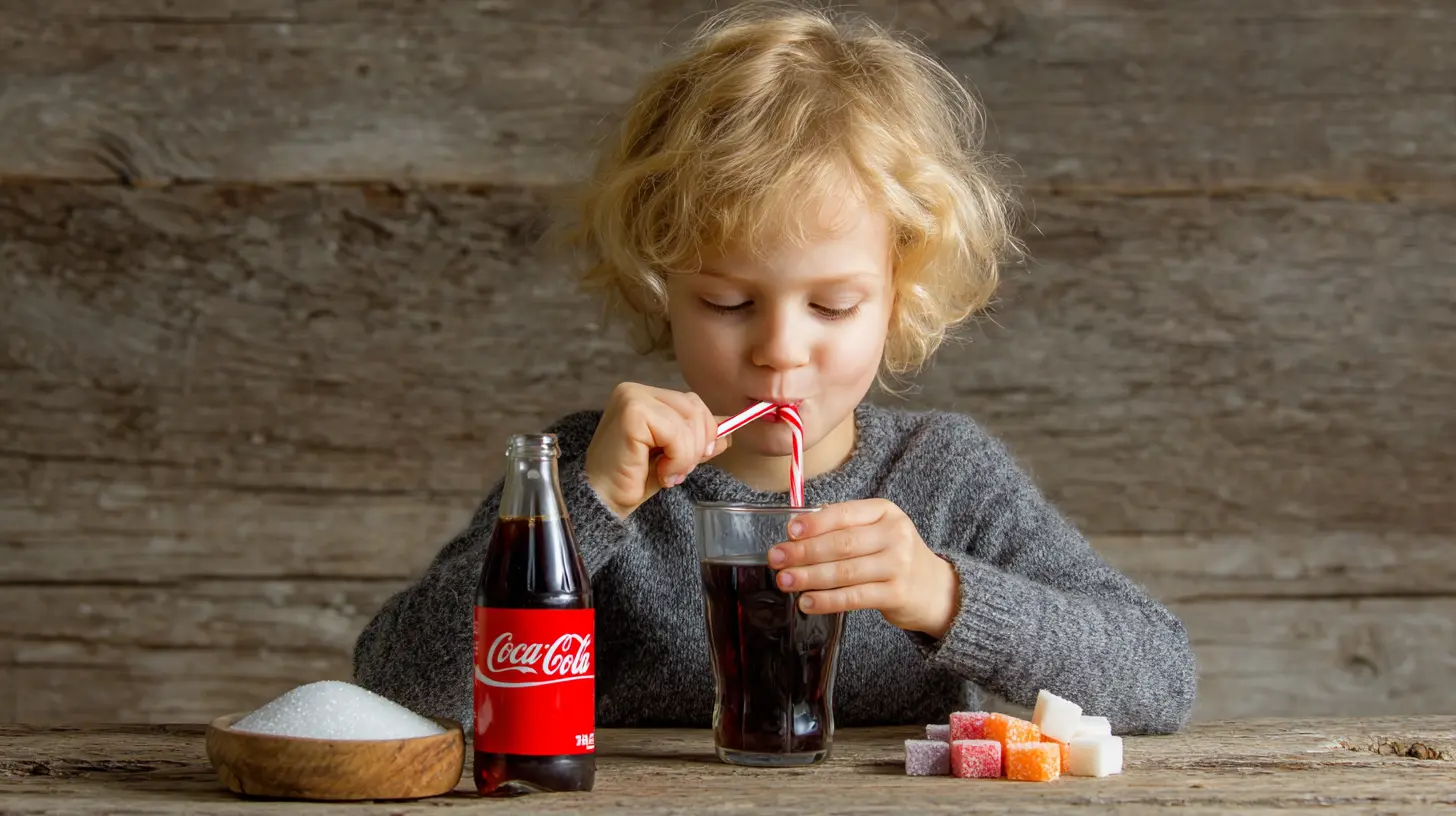
The Science Behind Sugar
Types of Sugar
Not all sugar is created equal. Understanding the difference between natural sugars and added sugars is crucial.- Natural Sugars: Found in fruits, vegetables, and dairy products, these sugars come with fiber, vitamins, and minerals. They offer a balanced source of energy and are generally less concerning in moderate amounts.
- Added Sugars: These are sugars added during food processing or preparation. Found in candies, soft drinks, and many processed foods, added sugars often provide empty calories with little nutritional value.
The Impact on Health
The effects of sugar on children's health can be profound. Excessive consumption of added sugars has been linked to:- Obesity: High sugar intake contributes to weight gain, as sugary foods often have a high caloric density but low satiety.
- Dental Problems: Sugar feeds the bacteria in the mouth, leading to cavities and other dental issues.
- Behavioral Issues: Some studies suggest a correlation between high sugar diets and hyperactivity, although this remains a topic of debate.

Common Misconceptions About Sugar
"Sugar Causes Hyperactivity"
One prevalent myth is that sugar directly causes hyperactivity in children. While many parents have observed a sugar-fueled energy spike, research does not conclusively support this claim. Factors such as excitement and social settings often play a more significant role."All Sugars are Bad"
Another common misconception is that all sugars should be eliminated. In reality, moderation is key. Natural sugars from fruits and dairy can be part of a healthy diet, while the focus should be on minimizing added sugars.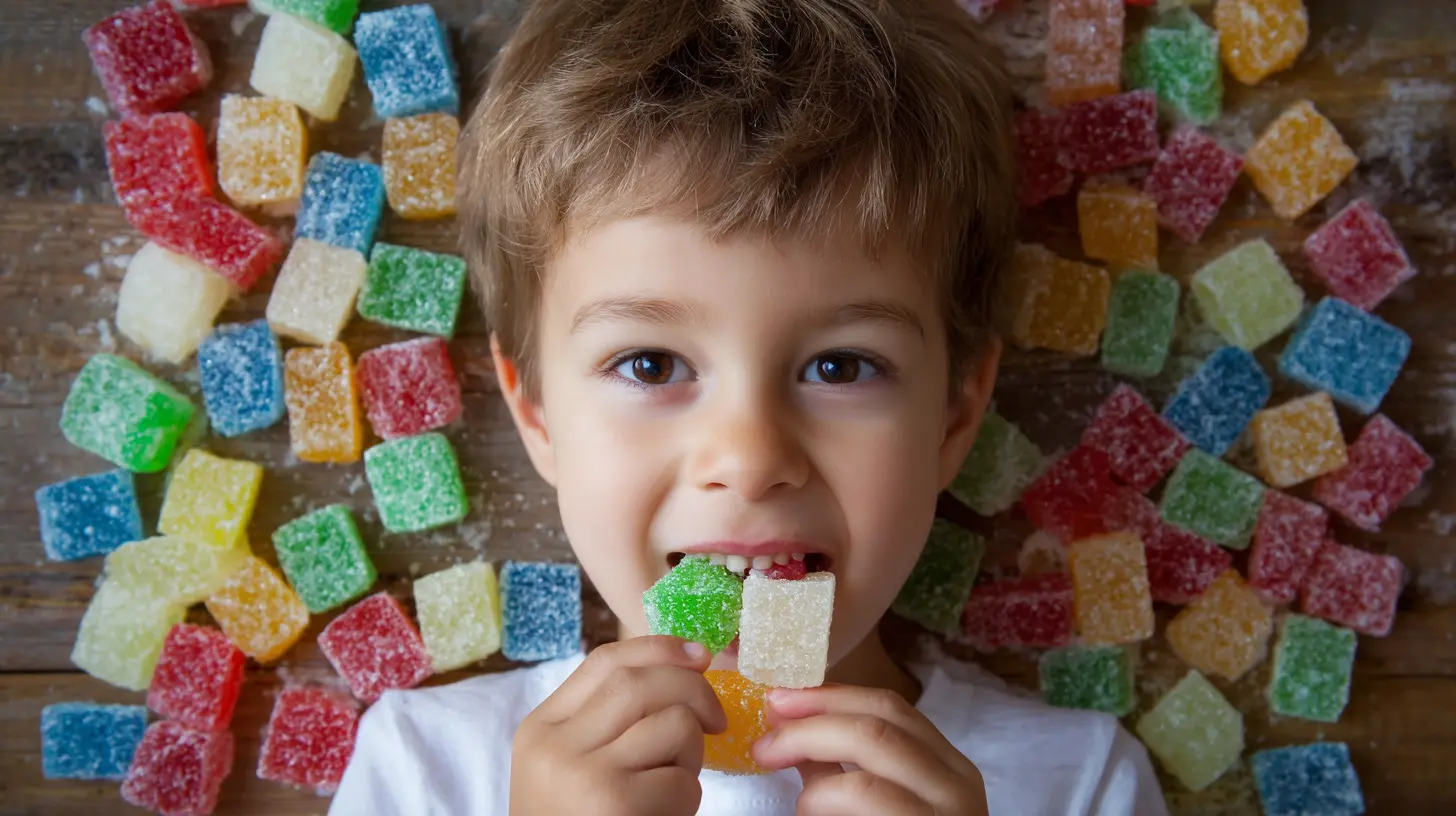
Practical Advice for Parents
Reading Labels
Understanding food labels is essential for making informed choices. Look for:- Total Sugars: This includes both natural and added sugars. Aim for products with lower total sugars.
- Ingredients List: If sugar appears among the first few ingredients, it is likely a significant component of the product.
Creating a Balanced Diet
Encouraging a balanced diet is crucial. Here are some practical steps:- Incorporate Whole Foods: Focus on whole fruits, vegetables, and grains. These foods provide natural sugars along with essential nutrients.
- Limit Sugary Snacks: Replace candy and cookies with healthier alternatives like yogurt, nuts, or fruit.
- Set an Example: Children often mimic their parents' behaviors. By choosing healthier options, you model good eating habits.
Encouraging Mindful Eating
Teaching children to be mindful of their eating habits can foster a healthier relationship with sugar. Here are some strategies:- Discuss Choices: Talk about why certain foods are better than others. Help them understand the benefits of whole foods versus sugary snacks.
- Involve Them in Cooking: Engaging kids in meal preparation can help them appreciate healthy ingredients and learn to make better choices.
The Role of Sugar in Special Occasions
Celebrations and Treats
It is essential to recognize that sugar has a place in celebrations. Completely depriving children of sweets can lead to unhealthy cravings later. Instead, consider:- Moderation: Allow treats on special occasions, but balance them with healthier options throughout the day.
- Healthier Alternatives: When celebrating, opt for homemade treats where you can control the ingredients. Use natural sweeteners like honey or maple syrup in moderation.
The Trade-Offs
Balancing sugar intake during special occasions can be a challenge. On one hand, allowing sweets can foster positive memories and social bonding. On the other hand, it may set a precedent for habitual indulgence. Weighing these trade-offs is essential for fostering a healthy relationship with food.
Best Practices for Reducing Sugar Intake
Gradual Changes
Making sudden changes to a child's diet can lead to resistance. Instead, consider gradual adjustments:- Phase Out Sugary Drinks: Start by replacing sodas with flavored water or herbal teas. This helps reduce added sugar intake without a dramatic shift.
- Limit Dessert Frequency: Instead of daily desserts, designate specific days for treats. This builds anticipation and makes the experience special.
Sugar Alternatives
When looking for alternatives, consider:- Natural Sweeteners: Options like stevia, monk fruit, or applesauce can provide sweetness without the same caloric impact as sugar.
- Flavor Enhancements: Use spices like cinnamon or vanilla to add flavor without relying on sugar.
Understanding the Emotional Connection
The Emotional Impact of Sugar
Sugar can evoke strong emotions, often tied to comfort and reward. Recognizing this connection can help parents navigate their children's cravings more effectively.Building Healthy Emotional Responses
To foster a healthier emotional connection with food:- Encourage Other Rewards: Instead of using sugary treats as rewards, consider non-food alternatives like extra playtime or a fun outing.
- Teach Emotional Awareness: Help children recognize their emotions and find healthy coping mechanisms beyond food.
The Future of Sugar in Kids' Diets
Evolving Dietary Guidelines
As research continues to evolve, dietary guidelines are being updated to reflect a better understanding of sugar's impact. Keeping abreast of these changes can help parents make informed decisions.The Role of Schools and Communities
Schools play a vital role in shaping children's eating habits. Advocating for healthier school lunches and snack options can create a supportive environment for children. Community initiatives focused on nutrition education can also empower families to make healthier choices.Conclusion
The truth about sugar in kids' diets is layered and complex. While it is a source of joy and celebration, it also poses challenges for health and well-being. By understanding the nuances of sugar, parents can guide their children toward healthier choices without sacrificing the sweetness of life. Moderation, education, and mindful eating are essential tools in navigating this delicate balance.As we move forward, fostering a healthy relationship with food, including sugar, will benefit not just our children but also future generations. Embracing this journey with patience and understanding will yield lasting rewards, ensuring that the sweetness of life remains a cherished part of childhood.
all images in this post were generated using AI tools
Category:
Nutrition For KidsAuthor:

Maya Underwood
Discussion
rate this article
1 comments
Evangeline Jones
This article hits the mark. As a parent, I've seen how sugar affects my kids' energy and mood. It's crucial to balance treats with nutrition. Education about reading labels and making healthier choices is key. A little sugar is fine, but moderation is essential for their overall well-being.
September 15, 2026 at 4:04 AM