The Science of Emotions and What It Means for Parenting
24 August 2026
Every parent has been there. Your three-year-old is lying on the floor of the grocery store, screaming because you said no to a brightly colored cereal box. Your teenager slams the door and tells you that you "just don't get it." Your eight-year-old bursts into tears over a lost pencil. In these moments, it is easy to feel frustrated, embarrassed, or even angry. But underneath the behavior, something far more important is happening: your child's brain is working hard to process a feeling they do not yet have the words or the neural wiring to manage.
For decades, parenting advice focused on behavior. Stop the tantrum. Correct the backtalk. Reward the good grades. But a growing body of research in affective neuroscience and developmental psychology has shifted the conversation. We now understand that emotions are not just random noise or obstacles to discipline. They are biological signals, data from the body and the brain, that help us navigate the world. And how parents respond to those signals in the first years of life literally shapes the structure of a child's developing brain.
This article is not about quick fixes. It is about understanding the machinery of emotion, why it evolved, how it develops, and what that means for the way you talk to, discipline, and connect with your child. The goal is not to produce a child who never cries. The goal is to produce a child who knows what to do with the crying when it happens.
The Emotional Brain Is Not a Separate Brain
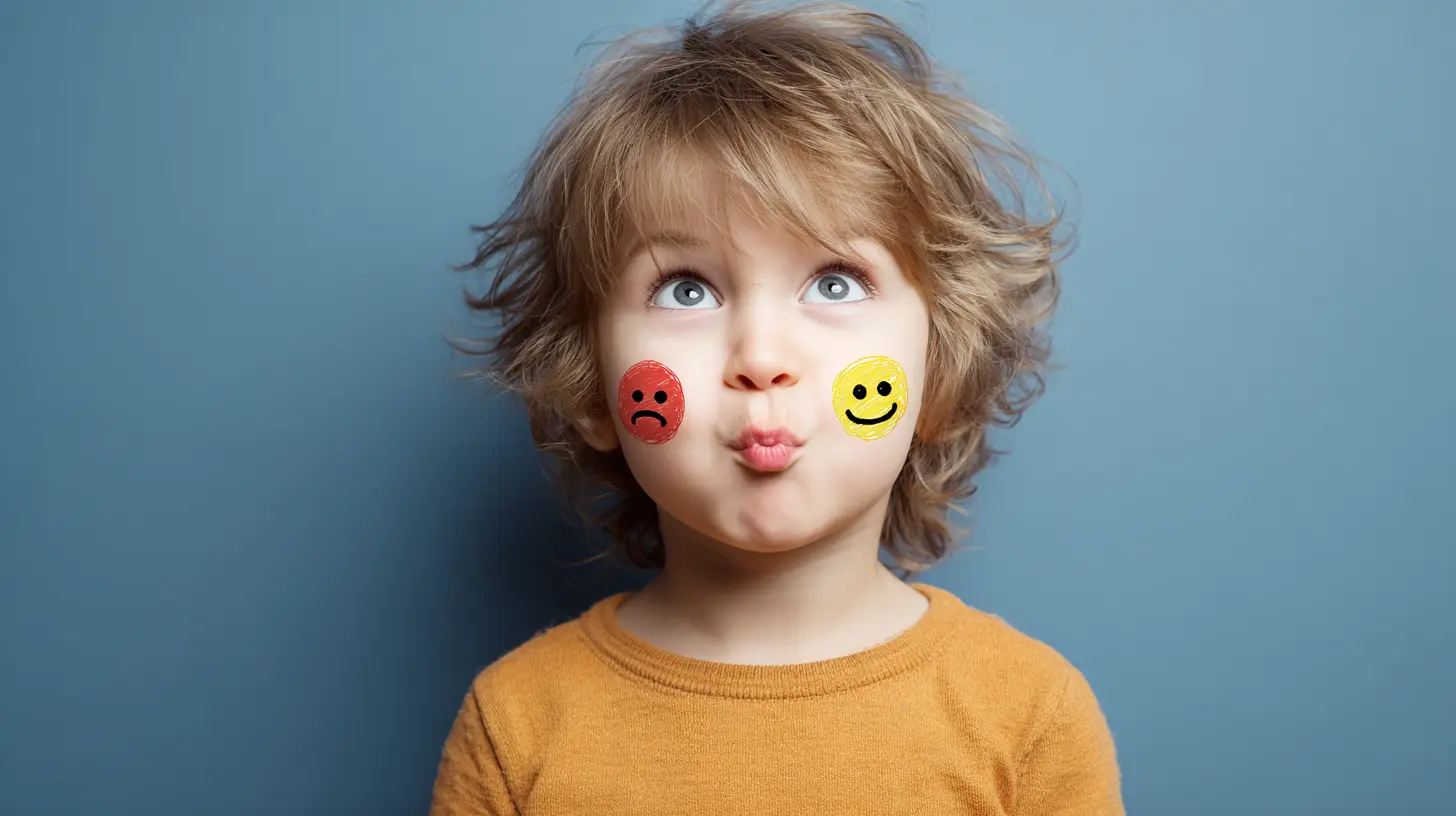
A common misconception is that we have a "rational brain" and an "emotional brain" that fight for control. This is a useful metaphor but a misleading one. In reality, emotion and cognition are deeply intertwined. The amygdala, often called the fear center, does not operate alone. It is in constant communication with the prefrontal cortex, the area responsible for planning, impulse control, and decision-making. What you feel influences what you think, and what you think changes what you feel.For a child, this integration is still under construction. The prefrontal cortex is the last major brain region to mature, and it is not fully myelinated until the mid-twenties. This means that when a four-year-old has a meltdown because her tower of blocks fell over, she is not being dramatic on purpose. Her prefrontal cortex is simply not yet capable of the top-down regulation that adults take for granted. She is flooded with the stress hormone cortisol, her amygdala is firing, and her body is in a state of alarm. The thinking part of her brain has essentially gone offline.
This is why telling a child to "calm down" or "use your words" in the middle of a meltdown rarely works. The part of the brain that would allow them to use words is not accessible at that moment. It is like asking someone to solve a math problem while their house is on fire. The first job is not to reason. The first job is to put out the fire.

Co-Regulation Before Self-Regulation
The single most important concept in emotional parenting is co-regulation. A child does not learn to manage emotions in isolation. They learn it in relationship. When a baby is distressed, their heart rate and breathing are regulated by the caregiver's presence. The caregiver's calm voice, steady heartbeat, and gentle touch signal safety to the baby's nervous system. Over time, this external regulation becomes internalized. The child learns, on a bodily level, that distress is survivable and that calm is possible.This process continues well beyond infancy. When a six-year-old is upset about losing a game, and you sit with them, validate their frustration, and model a slow breathing pattern, you are not just comforting them. You are literally providing the neural template for how their own brain will eventually handle disappointment. You are helping to build the synaptic connections that will allow them to self-soothe later in life.
The trade-off here is significant. Co-regulation requires time and patience. It is slower than simply punishing the behavior or sending the child to their room. But the long-term payoff is much larger. A child who is sent away to "deal with it" on their own often learns a different lesson: that big feelings are dangerous, shameful, or unacceptable. They learn to suppress rather than process. Suppression may look good from the outside, but it comes at a cost. Research has consistently linked emotional suppression to higher rates of anxiety, depression, and even physical health problems later in life.
The Difference Between Emotion and Behavior
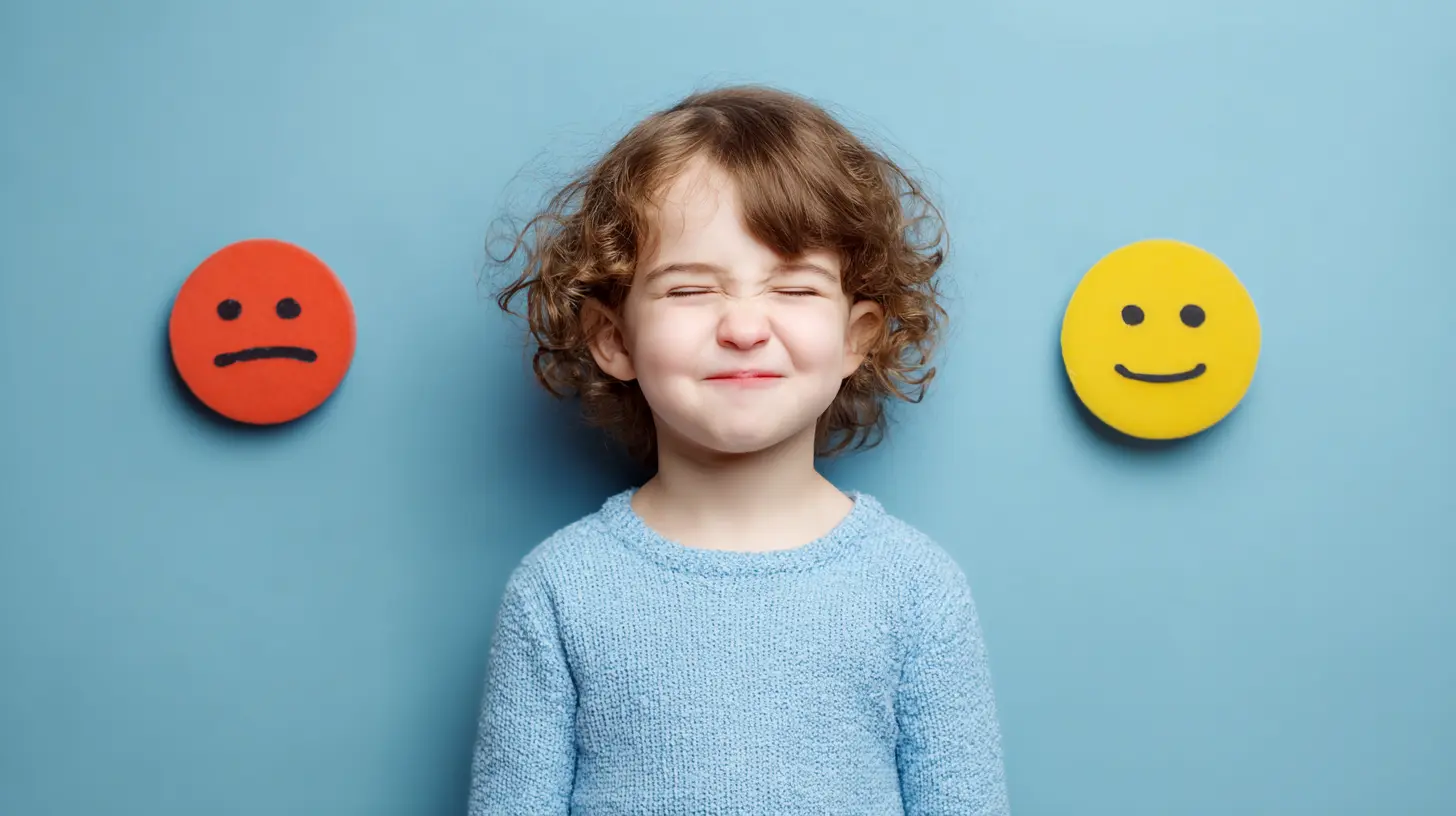
One of the most common mistakes parents make is confusing the emotion with the behavior. The emotion is always acceptable. The behavior is not always acceptable. You can feel angry. You cannot hit your brother. You can feel sad. You cannot throw your shoes at the wall. These are separate things, and the most effective parenting treats them separately.When you say "Stop crying," you are sending a message that the feeling itself is wrong. When you say "I see you are really upset. It is okay to cry. But it is not okay to throw things. Let us find a way to get the anger out safely," you are teaching a critical distinction. You are validating the internal experience while setting a limit on the external expression. This is the foundation of emotional intelligence.
This distinction also applies to you, the parent. You are allowed to feel frustrated, exhausted, or even angry at your child. Those feelings do not make you a bad parent. What matters is what you do with them. If you yell, you are not failing; you are human. But it is worth noticing what happens next. Do you repair the rupture? Do you apologize and reconnect? Repair is one of the most powerful tools in parenting. It shows a child that conflict is not the end of a relationship, that love persists even after mistakes. This is a far more valuable lesson than never making mistakes in the first place.

Why Validation Works, and Why It Is Hard
Validation is not agreement. It is not saying "You are right to be upset" or "That is a reasonable reaction." It is simply saying "I see you. I hear you. Your feeling makes sense to me." A child who is told "I know you are sad that we have to leave the park" feels understood. A child who is told "We are leaving, stop crying" feels unseen.The reason validation works is tied to the brain's threat detection system. When a child is upset, their brain is in a state of perceived threat. Validation signals safety. It tells the nervous system that they are not alone. Once the threat level drops, the prefrontal cortex can come back online, and the child can actually think, reason, and problem-solve. Without validation, the brain stays in alarm mode, and the behavior often escalates.
But validation is hard for a reason. It requires you to set aside your own agenda, your own embarrassment, your own frustration, and simply be present with another person's pain. This is emotionally taxing. It is also counterintuitive. Many parents worry that validating a feeling will make it worse or reinforce it. The opposite is true. Feelings that are acknowledged tend to dissipate. Feelings that are ignored tend to intensify. Think of a balloon. If you squeeze it in one place, it bulges somewhere else. If you let the air out slowly, it deflates.
There is a caveat. Validation is not the same as permissiveness. You can validate a feeling and still hold a boundary. "I know you are angry that I said no to the candy. It is hard to want something and not get it. The answer is still no." This combination of empathy and firmness is the sweet spot of authoritative parenting. It is neither harsh nor indulgent. It treats the child as a person with a rich inner life and also as someone who needs limits to feel safe.
The Role of Temperament and Individual Differences
Here is where things get complicated. The science of emotions is not a one-size-fits-all model. Children are born with different temperaments, different sensitivities, and different thresholds for arousal. A child who is highly sensitive may cry at a loud noise or a change in routine that barely registers for another child. A child with a strong approach tendency may be more prone to anger and frustration when blocked. A child who is slow to warm up may need more time to process new situations.As a parent, you cannot control your child's temperament. But you can adapt your response to it. A highly sensitive child needs more warning before transitions, more quiet time, more gentle input. A strong-willed child needs clear, consistent limits and opportunities for choice within those limits. A cautious child needs patience and encouragement, not pushing. The same strategy that works for one child may backfire with another. This is not a failure of parenting. It is a sign that you are paying attention.
The trap is comparing your child to their siblings or their peers. Emotional development is not a race. Some children are naturally more regulated at age three. Others take until age seven or eight to manage their impulses without constant support. Both trajectories can be perfectly healthy. The goal is not to make your child fit a template. The goal is to help them become the most integrated version of who they already are.
The Problem with "Good" and "Bad" Feelings
Many parents unintentionally teach their children that some emotions are bad. Anger is bad. Sadness is bad. Fear is bad. Jealousy is bad. Only happiness and calm are acceptable. This is a profound misunderstanding of how emotions work. Every emotion has a function. Anger tells us that a boundary has been crossed. Sadness tells us that we have lost something valuable. Fear tells us that there is a threat. Jealousy tells us that we care about something we are afraid of losing. These are not bugs. They are features of the human system.When you label a feeling as bad, you are telling your child that their internal experience is wrong. This creates a split between what they feel and what they show. The feeling does not go away. It goes underground. It comes out sideways, in the form of sleep problems, stomach aches, aggression, or withdrawal. The child who is told not to be angry does not stop being angry. They just stop showing it, and they start believing that something is wrong with them for having the feeling in the first place.
A more useful approach is to talk about feelings as information. "Anger is telling you that something feels unfair. What can we do about that?" "Sadness is telling you that you really cared about that. That is a sign of how much you love." This does not mean you have to celebrate every feeling. But you can be curious about it. Curiosity is the antidote to judgment. And curiosity is what allows a child to bring their full self to you without fear of rejection.
Practical Strategies That Follow the Science
So what does this look like in daily life? It starts with naming feelings. Research on affect labeling shows that simply putting a word to an emotion reduces activity in the amygdala and calms the stress response. When your child is upset, help them find the word. "You look frustrated." "That seems really unfair." "I wonder if you are feeling left out." You do not have to be accurate every time. The act of guessing shows that you are trying to understand, and the child can correct you. This builds their emotional vocabulary and their sense of agency.Next, allow the feeling to be present. Do not rush to fix it. Many parents jump to solutions because their child's distress makes them uncomfortable. But when you immediately offer a distraction or a reward, you are teaching the child that feelings are problems to be escaped rather than experiences to be processed. Sometimes the best response is simply to sit with the feeling. "I am here. I am not going anywhere. We can ride this out together." This is uncomfortable. It is also powerful.
Then, after the storm has passed, you can reflect. This is where the learning happens. Once the child is calm, you can talk about what happened. "That was a big feeling. What do you think set it off?" "What helped you calm down?" "What could we do differently next time?" This after-action review is what builds the prefrontal cortex connections for future self-regulation. It is not about lecturing. It is about collaborative problem-solving.
The Parent's Emotional Life Matters
You cannot give what you do not have. If you are chronically stressed, exhausted, or emotionally dysregulated, your child will feel it. This is not about blaming parents. Parenting is one of the hardest jobs on the planet, and systemic support is often lacking. But the science is clear: a caregiver's own emotional state is a primary regulator for the child. When a parent is calm, the child's nervous system can settle. When a parent is anxious, the child picks up on it, even if nothing is said.This means that self-care is not selfish. It is a parenting strategy. Taking time to regulate your own emotions, whether through exercise, therapy, sleep, or time with friends, is not a luxury. It is maintenance for the primary emotional environment your child grows in. The old airplane rule applies here: put on your own oxygen mask before helping your child with theirs.
There is also a generational component. Many parents were raised by caregivers who did not understand emotions, who dismissed them, punished them, or simply did not have the bandwidth to deal with them. If you grew up being told to "man up" or "stop being dramatic," you may find it difficult to sit with your own child's big feelings. This is not a character flaw. It is a learned pattern. And it can be unlearned. Therapy, journaling, and honest self-reflection can help you identify the triggers from your own childhood that get activated in your parenting.
When to Worry, and When to Seek Help
It is important to distinguish between typical emotional development and signs of a deeper issue. All children have meltdowns. All children test limits. All children have days when they seem impossible. But there are some red flags that warrant professional attention. These include a child who is unable to be comforted for long periods, who shows no interest in relationships, who engages in self-harm, who has frequent aggressive outbursts that endanger others, or who seems persistently anxious or depressed for more than a few weeks. Trust your gut. If something feels off, it is worth getting an evaluation. Early intervention is far more effective than waiting to see if the child "grows out of it."That said, the opposite problem also exists. Some parents pathologize normal behavior. A two-year-old's tantrum is not a mental health crisis. It is a developmental milestone. A five-year-old's fear of the dark is not a disorder. It is a normal phase of cognitive development where imagination outpaces logic. The best approach is to stay informed, stay connected, and be willing to seek help when the pattern is persistent, severe, or impairing the child's ability to function.
The Bigger Picture
The science of emotions is not just about managing tantrums or getting through the teenage years. It is about raising a human being who can form healthy relationships, tolerate life's inevitable disappointments, and experience the full range of what it means to be alive. A child who learns that feelings are safe, that they can be expressed and processed, is a child who will be better equipped to handle a divorce, a career setback, a global pandemic, or a personal loss. They will not be immune to pain. But they will know that pain is not the end of the story.This is the long game. It is hard to measure. There is no report card for emotional intelligence. You will not see the results in a week or a month. You may not see them for years. But the research is clear: the quality of the emotional relationship between parent and child is one of the strongest predictors of lifelong mental health, academic success, and relational stability. Every time you choose to sit with your child's feeling instead of shutting it down, you are making an investment in their future that no amount of academic tutoring or extracurricular activities can match.
Parenting is not about being perfect. It is about being present. It is about repairing when you fall short, apologizing when you are wrong, and showing up again and again with the willingness to try. The science tells us that connection is the curriculum. Everything else is just the context.
all images in this post were generated using AI tools
Category:
Parenting And EmotionsAuthor:

Maya Underwood
Discussion
rate this article
1 comments
Aaron McKay
Who knew parenting came with a side of emotional science? Pass the tissues!
September 2, 2026 at 2:42 AM