The Power of Teaching Generosity to Children
28 April 2026
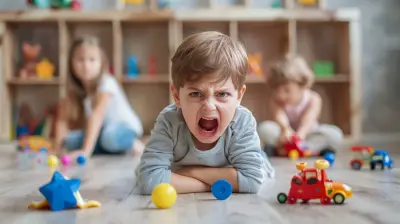
When was the last time you saw your child share their favorite toy or offer a helping hand to someone without being asked? That moment—that tiny, heartwarming act of kindness—is a glimpse into something huge. Something powerful. Something we should all care about: generosity.
Teaching generosity to children isn’t just about getting them to share their snacks or donate old toys. Nope. It goes way deeper than that. You're shaping a kind-hearted soul, someone who will grow up to be empathetic, thoughtful, and emotionally intelligent. And let’s be honest, the world could use a whole lot more of that.
So grab a coffee, kick back, and let’s chat about why teaching generosity to kids is one of the most important things you’ll ever do as a parent—and how you can do it, starting today.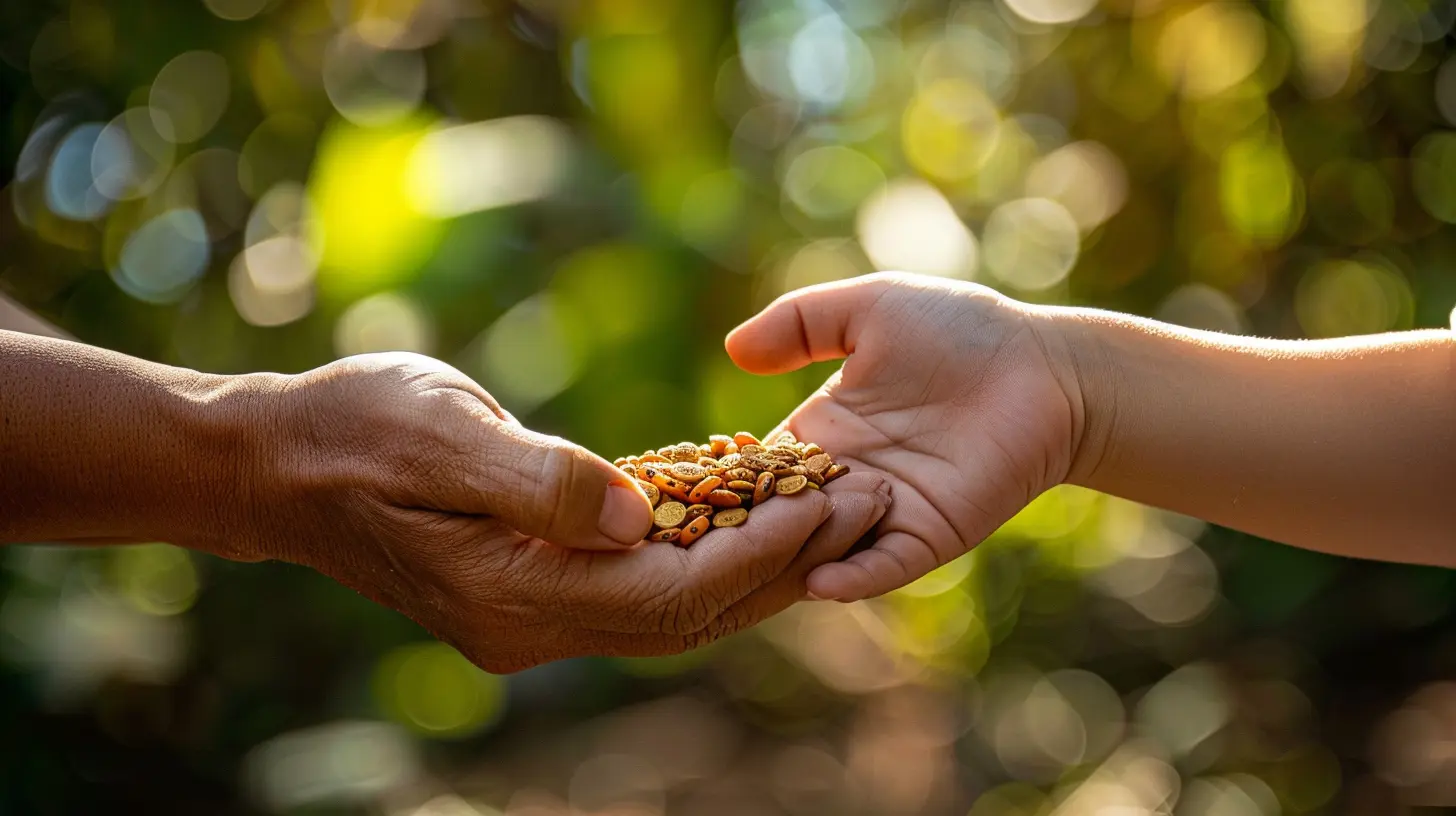
Why Generosity Matters More Than Ever
Let’s face it—kids today are growing up in a world that often screams, “Me first!” From social media influencers flaunting their lives to the constant chase for likes, it's easy for children to get caught up in a self-centered loop.But generosity? That flips the script.
Generosity teaches kids to look beyond themselves. It helps them understand other people's feelings, needs, and experiences. When kids learn to give, they also learn to care. And when they care, they connect—and that creates a ripple effect that travels way beyond your living room.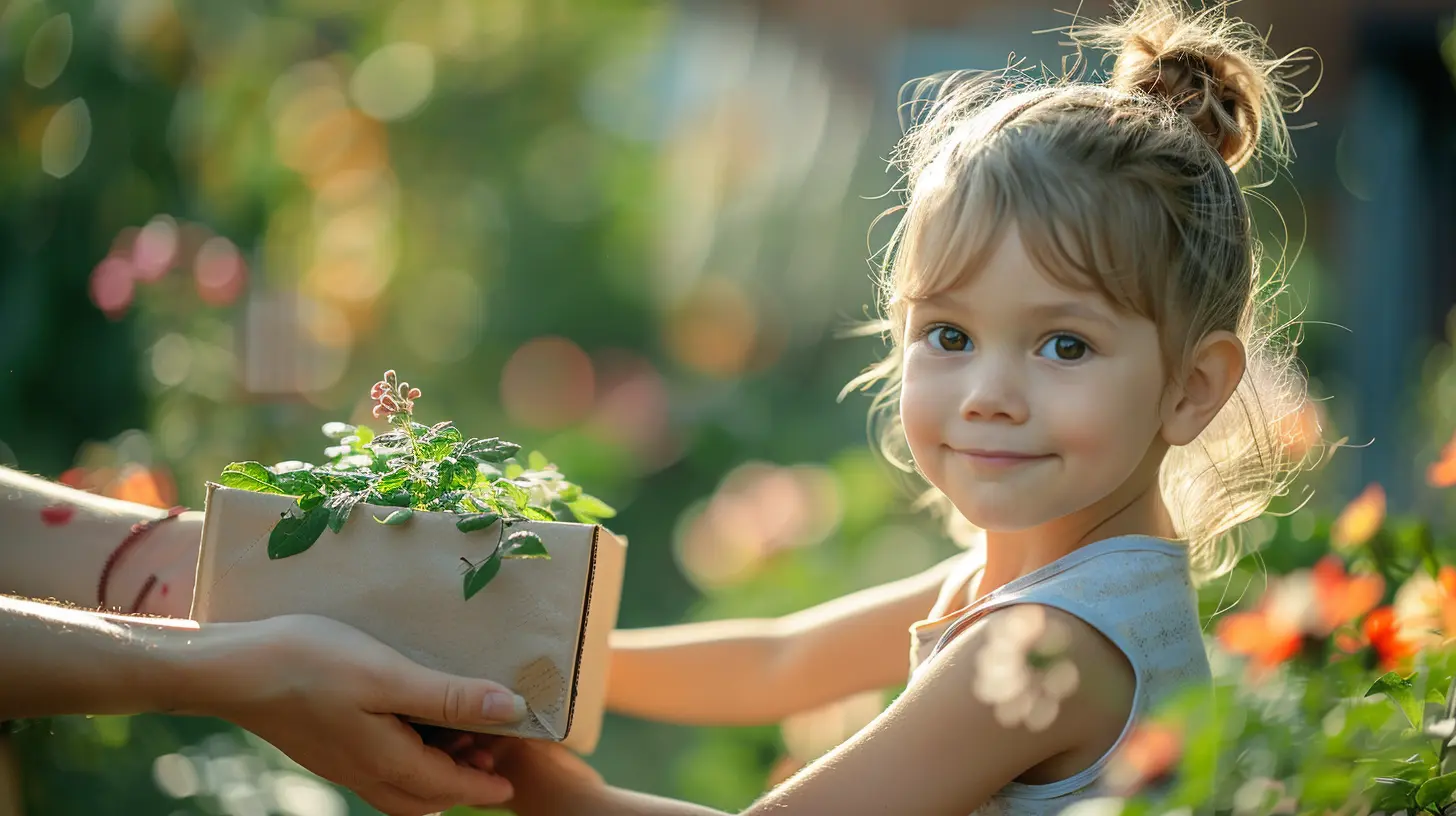
The Long-Term Benefits of Teaching Generosity
No exaggeration here—generosity is a game-changer for a child’s development. Here's how it pays off big-time:1. Builds Stronger Relationships
Want your child to grow up and have genuine, lasting friendships? Start with kindness. Generous kids tend to be more empathetic, collaborative, and trusted by their peers.2. Boosts Self-Esteem
Giving makes us feel good. It’s science. Giving kids a chance to contribute—whether it’s through acts of service or small gestures—gives them a sense of purpose and pride.3. Encourages Gratitude
Generosity and gratitude go hand-in-hand. When children give, they begin to appreciate what they have more deeply. It's a cycle of positivity that fuels emotional well-being.4. Develops Emotional Intelligence
Understanding when someone needs help or a kind word is a superpower. Generosity trains kids to be aware of others’ emotions, boosting their empathy and social skills.5. Prepares Them to Be Thoughtful Adults
Let's be real—today’s kids are tomorrow’s leaders. Teaching them generosity now means we’re raising compassionate, community-minded adults who won’t hesitate to step up.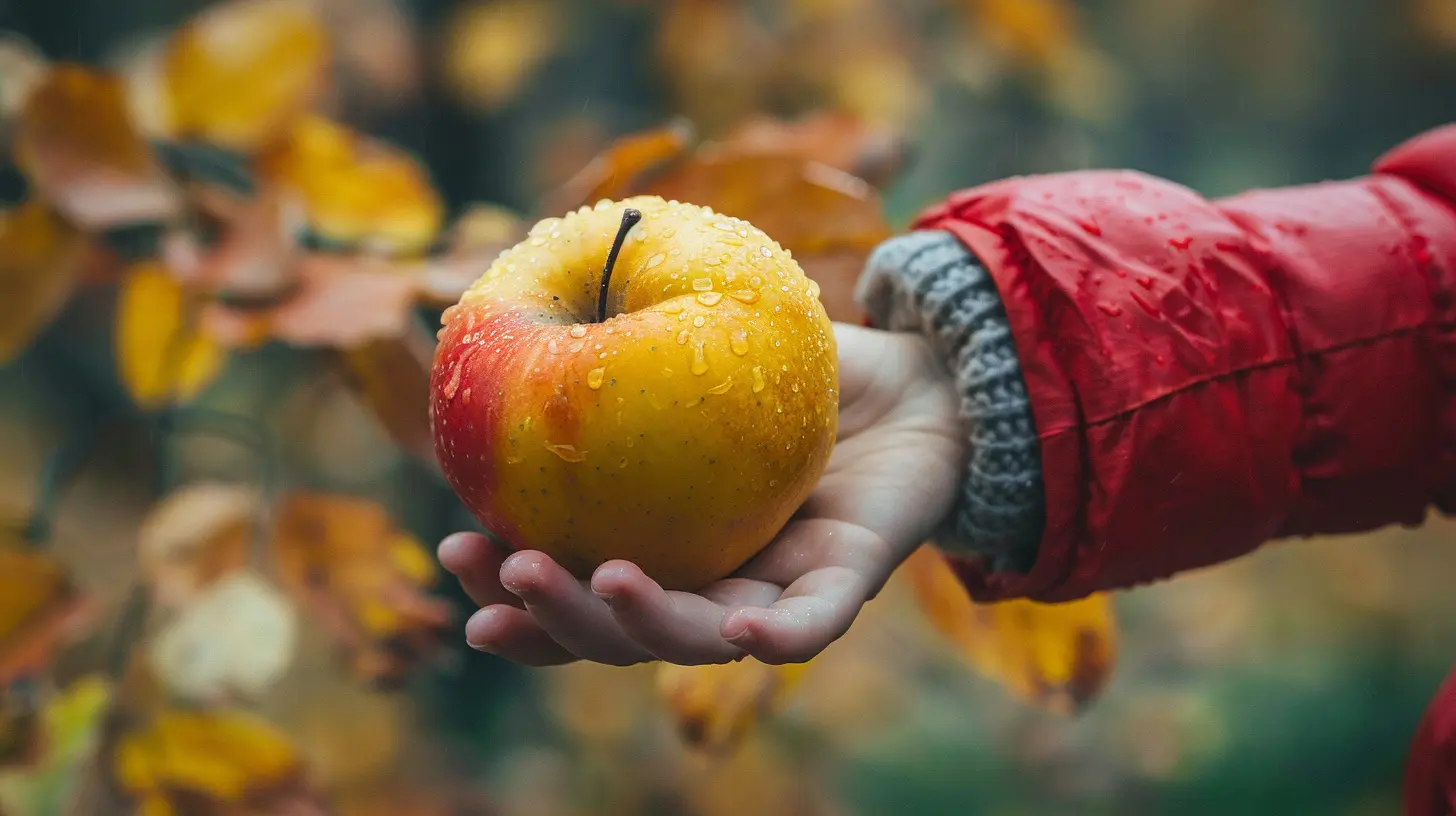
When Should You Start Teaching Generosity?
Spoiler alert: It’s never too early.Even toddlers can start learning the basics. Sharing toys, helping clean up, or giving a hug when someone’s sad—those are early signs of budding generosity. With consistent guidance and modeling, that tiny spark can grow into a lifelong value.
How To Teach Generosity Without Forcing It
Let’s be clear—generosity should never feel like a chore to your child. The goal isn’t to make them a robot who gives because “Mom said so,” but to nurture a genuine desire to help others. Here's how to do just that:1. Model Generosity Every Day
Children are tiny sponges. They’re watching everything you do—even when you think they’re not paying attention.Hold the door open for someone. Donate to a local food bank. Offer your time to a friend. When your child sees you being generous, it becomes part of their normal.
Tip: Narrate your actions. Say something like, “I’m helping this person because everyone needs a little support sometimes.”
2. Involve Them in Giving
Don’t just tell them to be generous—invite them to participate.- Let them choose toys to donate.
- Bake cookies together for a sick neighbor.
- Volunteer as a family at a local charity.
When they’re actively involved, the message sticks. It becomes a shared value, not just a rule.
3. Praise Generosity, But Not Too Much
This might sound weird, but hear me out.Yes, affirm their kind behavior, but don’t go overboard. You want them to associate giving with intrinsic motivation—not just external approval. A simple, heartfelt “That was really kind of you” works wonders.
4. Talk About Feelings
After your child does something generous, ask them how they felt.Did their heart feel full? Did the other person smile? Helping kids connect positive emotions with giving reinforces the joy of being kind.
5. Use Stories and Media
Stories are powerful teaching tools. Books, movies, and even cartoons can spark meaningful conversations about empathy and giving.Some great children’s books on generosity:
- Have You Filled a Bucket Today? by Carol McCloud
- The Giving Tree by Shel Silverstein
- Last Stop on Market Street by Matt de la Peña
Not only do these stories entertain, but they also open doors for deeper discussions.
Common Mistakes to Avoid
Even with the best intentions, we all slip up sometimes. Let’s look at a few pitfalls to steer clear of:❌ Forcing Sharing
Ever forced your toddler to give up a toy mid-playdate? Yeah, we’ve all been there. But generosity isn’t about giving under pressure—it’s about giving willingly. Teach turn-taking, but respect your child’s right to personal space and belongings.❌ Guilt-Tripping Them
"You have so much, you should be grateful!" Guilt may lead to compliance, but it rarely builds lasting values. Instead, try fostering gratitude through conversation and empathy.❌ Only Focusing on Material Giving
Generosity isn’t just about stuff. Time, attention, comfort, and kindness are equally valuable forms of giving. Encourage all of them.Everyday Opportunities to Teach Generosity
Here’s the good news—you don’t need grand gestures to instill this value. Everyday life is jam-packed with small teaching moments. Use them!- At the Dinner Table: Ask, “Who did something kind today?”
- At the Grocery Store: Let your child place a few items in the food bank bin.
- On the Playground: Encourage inclusive play and sharing.
- During Birthdays or Holidays: Adopt a “give-back” ritual—maybe donate one new toy for every gift received.
Consistency is key. These habits become second nature over time.
When Generosity Isn't Reciprocated
Here’s a tricky one. Your child enthusiastically helps someone… and the other kid shrugs or walks away. Ouch.It’s a teachable moment.
Let your child know that being generous doesn’t guarantee a reward or thank-you. Help them understand that we give because it feels good to help—not because we expect something in return.
This builds emotional resilience and helps set realistic expectations about kindness in the real world.
The Role of Schools and Community
While parents are the primary teachers, it takes a village to raise a kind child. Get schools and communities on board.- Talk to teachers about incorporating kindness projects into the curriculum.
- Encourage group activities that promote team-building and empathy.
- Participate in community events that benefit a cause, like charity runs or neighborhood clean-ups.
When kids see generosity as a shared value, it reinforces everything they learn at home.
Technology & Generosity: A Modern Twist
Let’s talk tech for a sec. Screens aren’t going anywhere, but that doesn’t mean generosity has to take a back seat.Use tech wisely:
- Watch YouTube videos about kids helping others.
- Play video games that promote teamwork and cooperation.
- Use apps that let kids choose a cause to support with micro-donations or chores.
It's all about balance and using digital tools to build real-world values.
Final Thoughts: Raising Generous Humans in a “Me-First” World
Parenting is no joke. It's challenging, messy, and downright exhausting some days. But teaching generosity? That’s one of the most meaningful things you’ll ever do.It’s more than just a lesson—it's a legacy.
When children learn to give, they don’t just make the world better for others—they discover how to be content, connected, and joyful human beings.
So next time your child offers their last cookie to a friend or comforts a sad classmate, take a moment. That’s not just a cute or kind gesture. That’s the power of generosity in full bloom.
And you helped plant the seed.
all images in this post were generated using AI tools
Category:
Life Skills For KidsAuthor:

Maya Underwood
Discussion
rate this article
2 comments
Mila McMurtry
This article highlights an important lesson. Teaching kids generosity not only shapes their character but also builds empathy and kindness, traits that will benefit them and others throughout life.
May 22, 2026 at 3:47 AM
Maya Underwood
Thank you for your insight! Teaching generosity truly lays the foundation for a kinder future.
Joy Willis
Teaching generosity to children is vital for their emotional growth. It fosters empathy and connection with others, helping them understand the value of sharing and kindness. Encouraging acts of generosity can shape a child's perspective, making the world a better place, one small action at a time.
May 2, 2026 at 4:03 PM
Maya Underwood
Absolutely, teaching generosity lays the foundation for empathy and connection. Small acts can lead to big changes in how children view the world. It's a crucial step in nurturing compassionate individuals.