The Benefits of Yoga and Meditation for Preschool Children
26 July 2026
Let’s be honest—life with preschoolers can be a whirlwind. One minute they're giggling over finger paints, the next they’re melting down because their banana broke in half. Raising little ones is full of delightful chaos, but let’s not forget that kids feel stress, too. They may not know how to express it like grown-ups, but it’s there—big feelings in tiny bodies.
That’s where yoga and meditation come into play. You might think these practices are reserved for adults trying to find their "zen" after a long workday, but guess what? Preschoolers can benefit just as much (maybe even more). Teaching them how to breathe deeply, move their bodies mindfully, and pause for a moment of stillness can do wonders—and I’m here to walk you through how and why.
Why Even Little Kids Need a Calm Break
Let’s face it—preschool is a big deal. It's often their first taste of structure outside the home. From learning to share toys to figuring out snacks and story time routines, it’s all new and sometimes overwhelming.But here’s something we often forget: young kids are like emotional sponges. They absorb everything around them—your mood, the energy in a room, even subtle stress signals from adults. That’s why giving them tools like yoga and meditation can help them process it all in a healthy way.
What Exactly Is Yoga and Meditation for Kids?
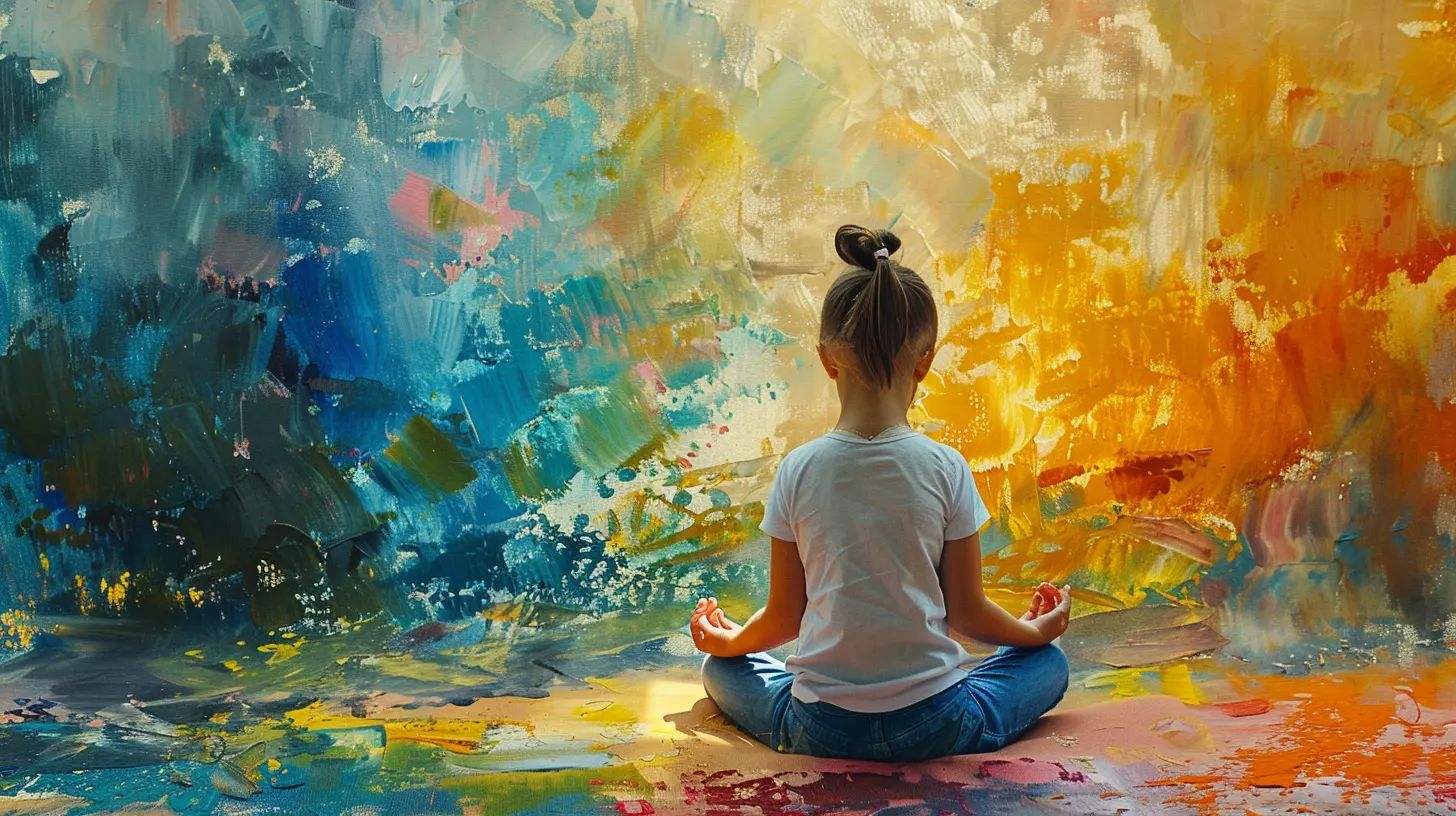
Before we dive into the benefits, let’s sum up what yoga and meditation actually look like for preschoolers. Spoiler alert: They’re way more fun than you might think.Forget complex poses or 30-minute silent sittings. Kids' yoga is playful, imaginative, and full of animal sounds. Think of it as storytelling with movement. And meditation? It can be as simple as sitting quietly and breathing with a stuffed animal on their belly.
It’s all about making mindfulness child-friendly, easy, and engaging so little ones can tap into their inner calm—yes, they have one!
1. Boosts Emotional Regulation
Ever witnessed a three-year-old go from giggles to shrieks in 0.2 seconds? Of course, you have. Emotional regulation is a skill, and like any skill, kids need to learn it through practice.Yoga and meditation teach kids to notice their emotions without getting swallowed by them. Through breathing exercises, they begin to understand that taking a moment to pause can actually help them feel better. Imagine a child learning to take a deep breath before throwing a toy in frustration. That’s huge!
It’s like giving them a pause button. Not a mute button or a stop button—just a gentle pause to regroup.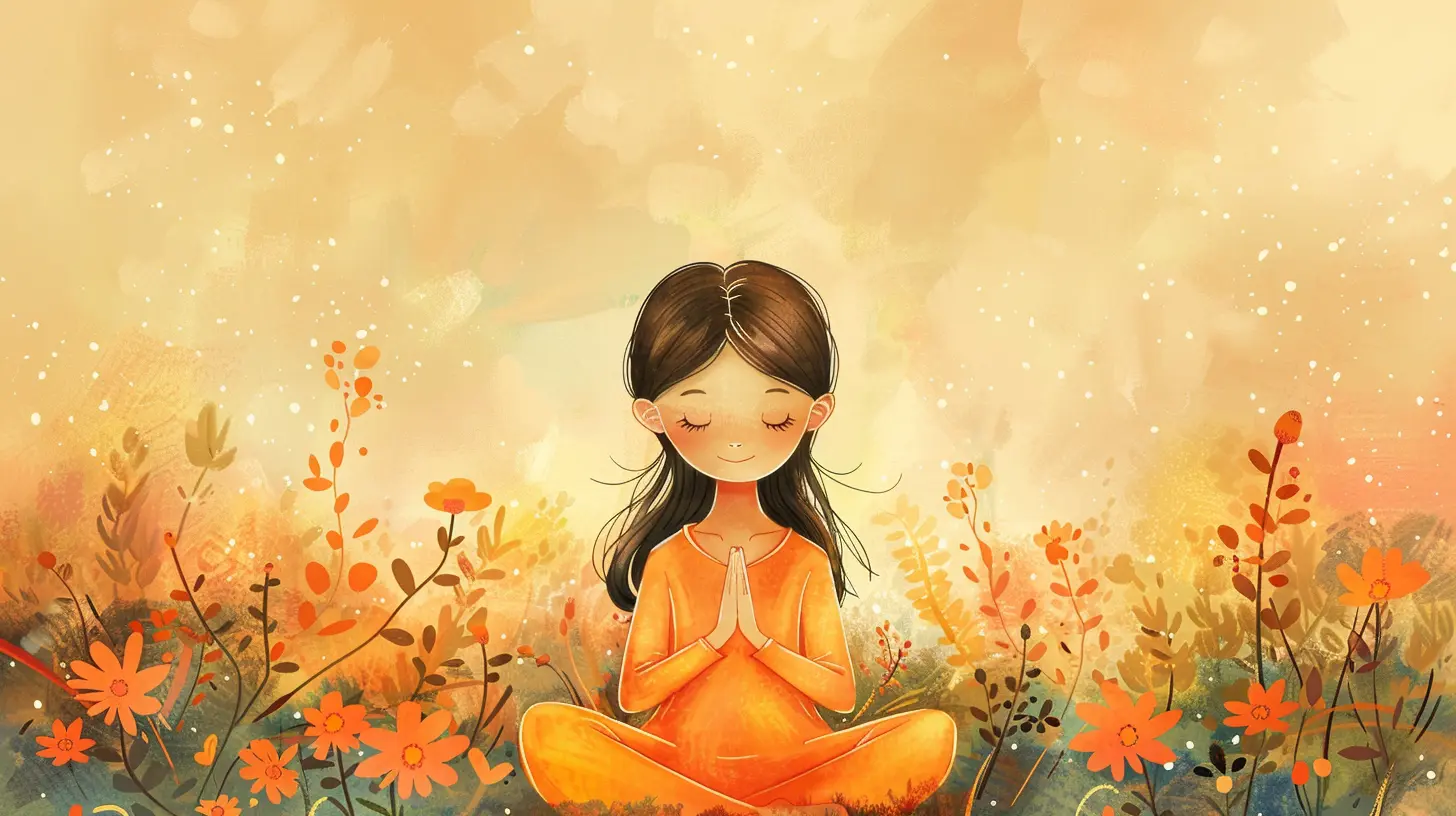
2. Improves Focus and Attention Span
We’re not expecting preschoolers to sit through boardroom meetings. But developing focus early on helps them with everything from listening to a teacher to completing a fun craft project.When children follow a yoga routine—balancing on one foot like a flamingo or holding a pose like a tree—they’re practicing concentration. Meditation, even a short one, strengthens their attention muscle. It’s brain gym in disguise!
And don’t be surprised when these 5-minute mindfulness breaks start showing up at home too. One minute your child is bouncing like a ping-pong ball, and the next, they’re lying on the floor with their stuffed bunny “practicing breathing.” Total win.
3. Encourages Healthy Body Awareness
Preschoolers are still figuring out this whole “my body is mine” concept. Yoga is an amazing way to help them connect with their bodies in a positive, respectful way. Through stretching and gentle movement, they start to understand what it feels like to be strong, flexible, balanced, and grounded.It’s not about doing a perfect downward dog. It’s about noticing how their toes wiggle in warrior pose or how their belly rises when they lie back and breathe. They become more attuned to their physical sensations, which also helps in identifying when they’re tired, hungry, or need a break.
4. Strengthens Motor Skills and Coordination
Let’s talk physical skills. Preschoolers are busy mastering their gross and fine motor skills—from walking in a straight line to holding a crayon just right. Yoga gives them a fun way to practice all that, without even realizing it.Many yoga poses involve balance, flexibility, and muscle control—all crucial for physical development. Moving like a cat, stretching like a cobra, or standing tall like a mountain? That’s play + skill-building in one joyful package.
Plus, you're sneaking in physical activity without calling it “exercise.” Bonus!
5. Builds Confidence and Independence
Kids feel empowered when they can do something on their own. Mastering a new yoga pose or completing a 3-minute meditation gives them a sense of ownership and pride.Yoga teaches that falling out of a pose isn’t failing—it’s part of learning. That’s a pretty powerful lesson, even for adults. Kids learn to be kind to themselves, to try again, and to celebrate small victories.
And let’s be real—there’s nothing sweeter than your preschooler beaming with pride and saying, “Look! I’m a yoga frog!”
6. Enhances Sleep Quality
If bedtime feels more like a battle than a calming routine, yoga and meditation might just be your secret weapon.Practicing calming stretches and deep breathing before bed can signal to your child’s body that it’s time to wind down. It helps quiet racing minds and fidgety bodies, making it easier for them to settle into sleep.
Some parents even include a “sleepy yoga” routine in their nighttime ritual—complete with soft music and dim lights. Think of it as a cuddle for their nervous system.
7. Fosters Social-Emotional Learning
Preschool yoga classes often include group activities and partner poses, which help kids practice teamwork, turn-taking, and communication.Meditation sessions can include gratitude circles or “kindness breathing,” where kids focus on sending love to people they care about. It’s the beginning of empathy, compassion, and emotional intelligence.
These aren’t just yoga skills—they’re life skills. The kind you want your child to take with them through every stage of development.
8. Reduces Anxiety and Promotes Calm
Little kids have big worries—from monsters under the bed to separation anxiety at preschool drop-off. Yoga and meditation give them tools to manage those big feelings.Even simple breathing techniques (like blowing out pretend birthday candles) can help lower stress hormones and bring about a sense of calm. Over time, children begin to use these tools when they feel scared, angry, or overwhelmed.
Wouldn’t it be amazing if your child could take deep, calming breaths during a tantrum rather than spiraling out of control? That’s the kind of emotional resilience we’re talking about here.
Tips for Introducing Yoga and Meditation at Home
Ready to give it a try at home? Don’t worry—you don’t need to be a certified yogi or own fancy mats. All you need is a little space, a willingness to be silly, and some patience.Here are a few beginner-friendly tips:
- Keep it short and sweet: Start with 5-10 minutes max. That’s plenty for preschoolers.
- Use visuals: Picture books or videos with animal-inspired poses can make it more engaging.
- Make it a game: Turn poses into a story. “Let’s go on a jungle adventure with monkey arms and snake hisses!”
- Join in: Kids love it when you participate. Be their yoga buddy!
- Create a routine: Practice at the same time each day—right after waking up or before bedtime works great.
- Praise effort, not perfection: Celebrate their focus, not perfect posture.
Remember, the goal isn’t to “do yoga right.” It’s to have fun, feel good, and plant the seeds of mindfulness early.
Final Thoughts: A Small Practice with Big Impact
Here’s the beautiful truth: You don’t have to wait until your child is older to introduce them to mindfulness. Preschoolers are naturally curious and open-hearted—they love to play, wiggle, and imagine. Yoga and meditation fit right in.By starting early, you’re not just giving them a calming practice. You’re giving them tools that will help them navigate life with grace, confidence, and resilience. And let’s be honest, that’s something we all want for our kids.
So, the next time your little one is full of wiggles or overwhelmed by big feelings, try a few yoga poses or breathing exercises. You might be surprised by how much it helps—both for them and for you.
Namaste, little yogis.
all images in this post were generated using AI tools
Category:
Parenting PreschoolAuthor:

Maya Underwood
Discussion
rate this article
1 comments
Xander Kim
Yoga and meditation nurture little minds.
August 4, 2026 at 2:36 AM
Maya Underwood
Absolutely! Yoga and meditation can greatly support young children's emotional and cognitive growth.