The Benefits of Family Meals Beyond Nutrition
16 October 2026
Ask most parents why family dinners matter and you will hear about vegetables, protein, and maybe the importance of sitting still for twenty minutes. Nutrition is the obvious answer, and it is a real one. But it is also the least interesting part of the story. If the only goal were vitamins and minerals, you could hand each child a plate in separate rooms and call it a success. The reason family meals keep showing up in parenting advice, in pediatric guidance, and in the memories adults carry from childhood is that the table does something food alone cannot do.
This article looks at what actually happens when a household eats together, why those things matter, when the ritual helps most, and where well-meaning advice goes wrong. It is written for parents who are tired of guilt-based messaging and want a realistic understanding of what family meals can and cannot accomplish.
What Counts as a Family Meal
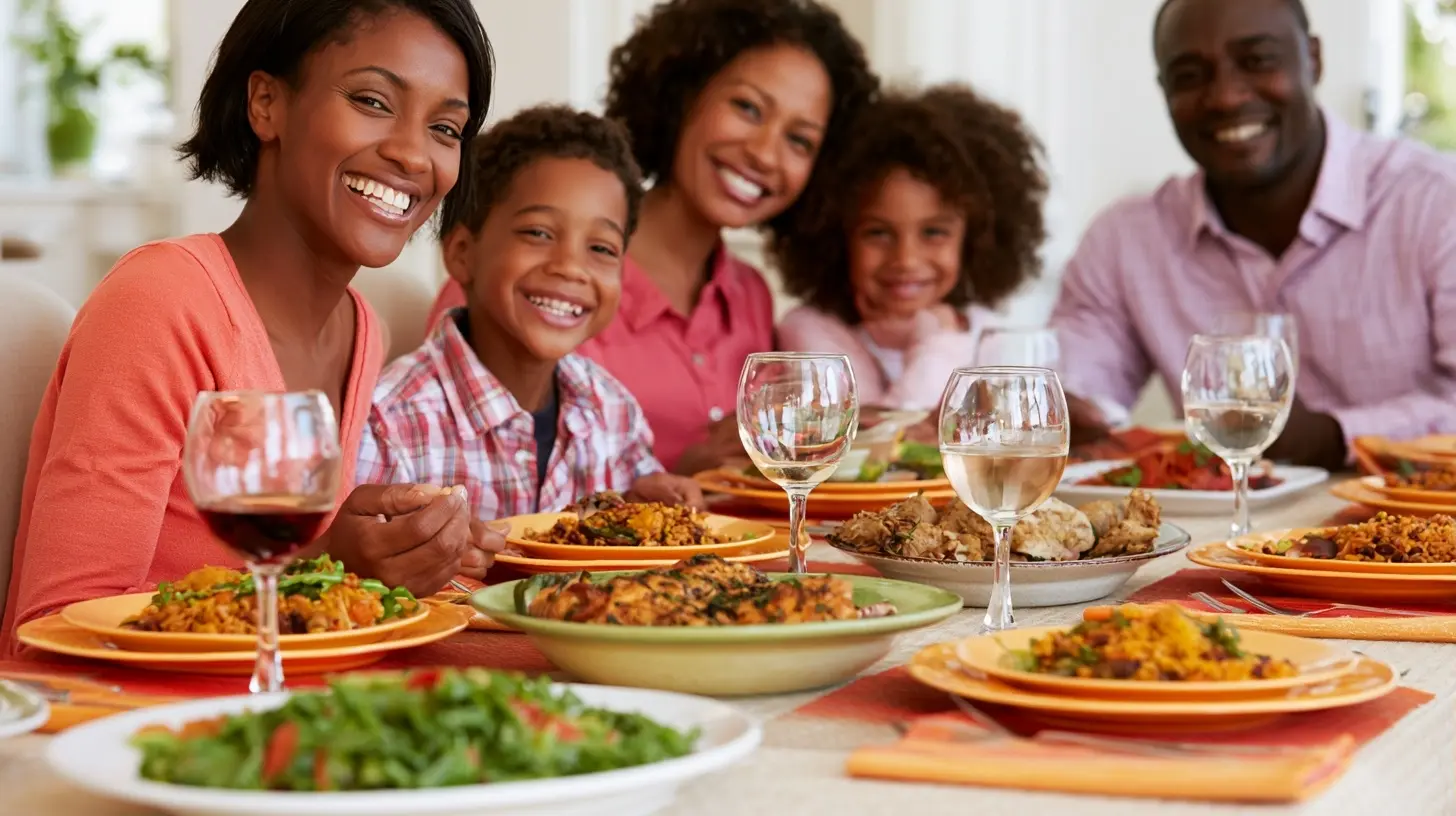
Before going further, it helps to define the thing. A family meal is not a scene from a television commercial. It does not require matching plates, a homemade lasagna, or everyone smiling at the same time. It is any regular occasion where the people who share a home sit down together, eat, and talk. That definition is deliberately broad because rigidity is the fastest way to kill the habit.A family meal can be:
- Breakfast on a weekday when everyone grabs cereal and sits for ten minutes.
- A late dinner after a sports practice, eaten from takeout containers.
- Weekend brunch with pancakes and no schedule.
- A picnic on the living room floor when the kitchen table is buried under laundry.
What separates a family meal from simply eating near each other is attention. Screens down, faces up, some back-and-forth conversation. That is the active ingredient. Everything else is packaging.
The Real Benefits, Beyond the Plate
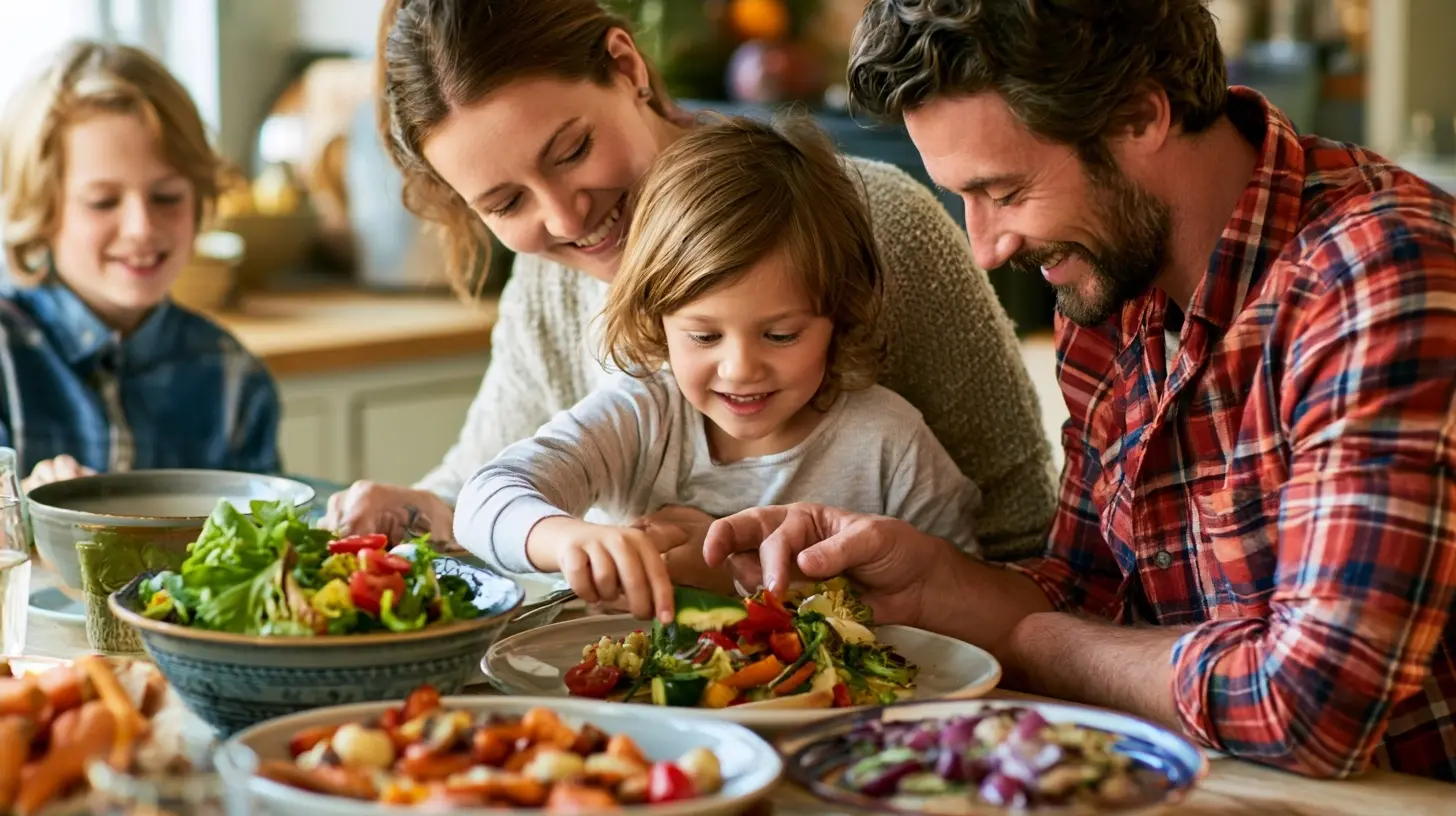
Nutrition gets the headlines, but the deeper benefits fall into a few categories. Each one deserves its own look because each one explains a different part of why the habit endures.Language and Conversation Skills
Dinner table talk is one of the richest language environments a child will ever experience. It is unscripted, it involves multiple speakers, and it requires turn-taking, listening, and responding. A child who wants to tell a story about something that happened at school has to learn to hold the floor, read the room, and adjust when someone interrupts.This is not the same as reading aloud or practicing vocabulary flashcards. Those are structured. Table conversation is messy and unpredictable, which is exactly what makes it valuable. Children practice repairing misunderstandings, asking follow-up questions, and noticing when a listener has lost interest. These are skills that show up later in classrooms, job interviews, and friendships.
The benefit is strongest when adults resist the urge to turn the table into a lecture hall. A parent who asks "What did you learn today?" and then waits, genuinely curious, gets more language development out of ten minutes than an hour of drilling.
Emotional Regulation and Predictability
Children live in a world that often feels out of their control. Schedules shift, friendships wobble, teachers change. A predictable family meal is a small anchor. It says: whatever else happened today, this part is steady.That predictability does something specific for emotional development. It gives children a low-stakes setting to practice handling frustration, disappointment, and boredom. The broccoli is not what they wanted. A sibling got the last roll. Someone is talking over them. These are minor problems, but minor problems are where coping skills get built.
There is also a practical benefit that parents often notice without naming it: a regular meal creates a natural check-in point. A child who has had a hard day may not volunteer anything during a rushed morning, but somewhere between the second bite and the third, something slips out. The table lowers the barrier because it is not a formal conversation. It is just dinner.
Identity and Belonging
Every family has its own food culture, even if it is not elaborate. The Sunday pancakes. The Friday pizza. The way someone always burns the garlic. These small rituals become part of how a child understands where they come from.This matters more than it sounds. Belonging to a group is a basic human need, and the family is the first group a child belongs to. A shared meal is one of the few rituals that reinforces that belonging without requiring anyone to perform or achieve anything. You do not have to be good at dinner. You just have to show up.
For blended families, immigrant families, and families navigating cultural change, the table can also be a place where identity gets passed down. Recipes, phrases, and stories travel through meals in a way they rarely do through conversation alone.
Modeling and Social Norms
Children learn how to be people by watching people. The table is one of the few places where they see adults handle ordinary social situations in real time: waiting for others to be served, saying please and thank you, disagreeing without escalating, apologizing when they snap.This is not about enforcing manners for their own sake. It is about the fact that social norms are caught more than taught. A child who watches a parent listen patiently to a boring story learns something about respect that no lecture on respect can replicate.
A Buffer Against Risk
Research on family meals has repeatedly found associations with lower rates of certain risky behaviors in adolescence, including substance use and disordered eating. It is important to be careful here. Association is not the same as causation. Families who eat together regularly may also share other characteristics that protect children.Still, the pattern is consistent enough to take seriously, and the plausible mechanisms are easy to see. Regular meals keep parents in the loop. They create opportunities for small conversations that build trust before the big ones are needed. They give teenagers a reason to be home at a predictable time. None of these guarantee anything, but they stack the odds in a helpful direction.
Why the Table Works When Other Strategies Do Not
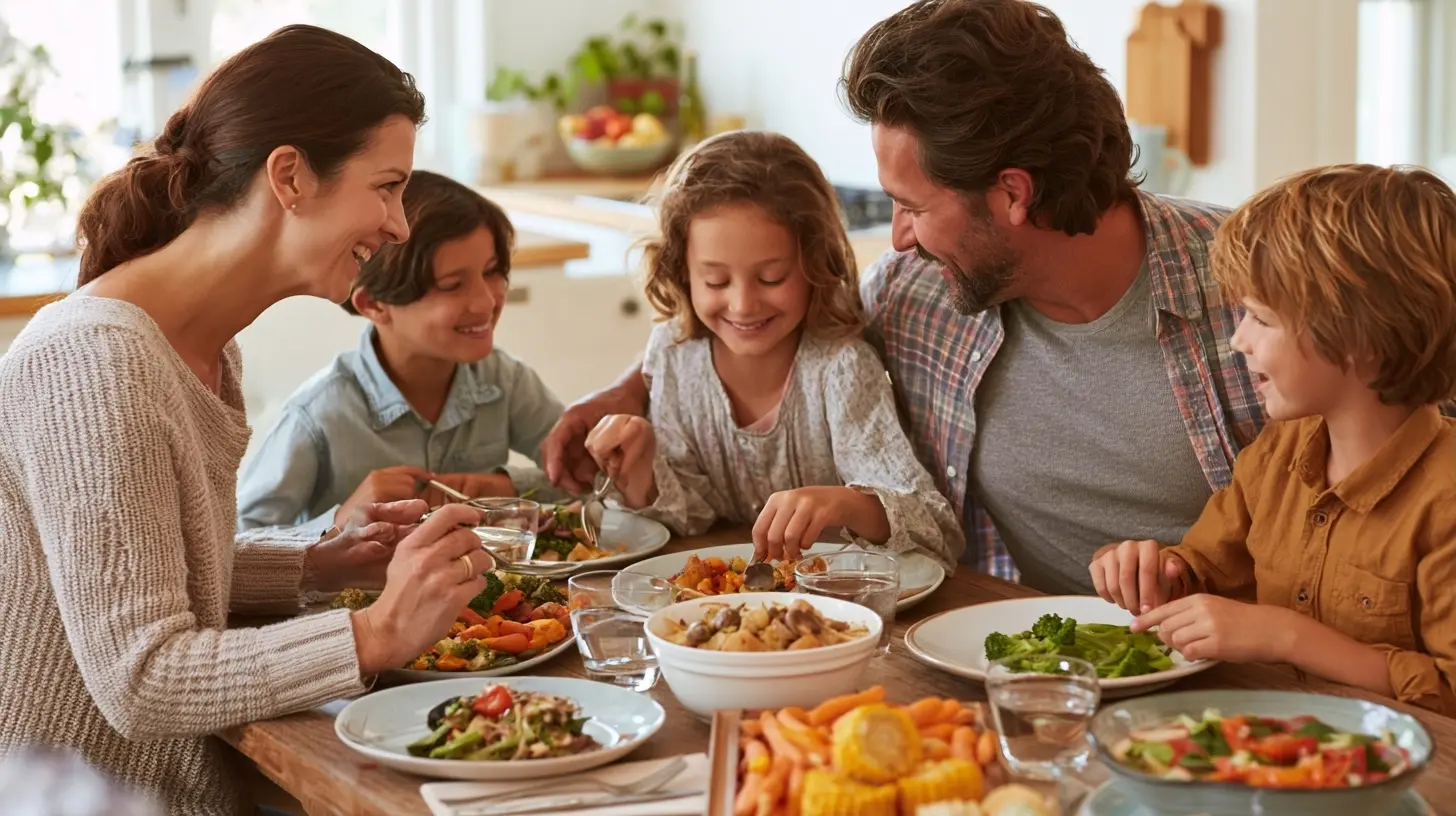
Parents are constantly told to talk to their kids. The problem is that direct conversations often feel like interrogations, especially with teenagers. "How was school?" gets "fine." "What is going on with you?" gets a shrug.The table sidesteps this because the conversation is not the point. The food is the point. The talking happens as a side effect. That lowers the pressure on everyone. A child can share something without it becoming a Big Talk. A parent can ask a question without it feeling like an intervention.
There is also the matter of shared attention. When people are eating, their hands are busy and their eyes are on their plates as much as on each other. That can make hard topics easier to raise. Many parents report that the most honest conversations happen not during eye contact but during the pass of a serving bowl.
The Trade-Offs Nobody Mentions
Family meals are not free. Pretending otherwise sets parents up for guilt when reality does not match the ideal. Here are the real costs.Time and Logistics
A sit-down meal takes time to plan, prepare, eat, and clean up. For a household with two working parents, multiple children in different activities, and a commute, that time has to come from somewhere. It often comes from sleep, exercise, or downtime, all of which matter too.The honest answer is that family meals are a trade-off, not a free good. The question is not whether they are valuable but whether they are more valuable than what they replace in your specific situation. For most families, some version of the habit is worth the cost. A rigid version usually is not.
Conflict Risk
Not every family meal is pleasant. Some are tense. Some involve a child who refuses to eat, a sibling who provokes, or a parent who is too exhausted to stay calm. If meals regularly become battlegrounds, the ritual can do more harm than good.This is where nuance matters. The goal is connection, not compliance. A meal where a child eats three bites and leaves the table upset is not a success just because everyone was in the same room. It may be worth adjusting the format: shorter meals, fewer rules, less pressure around food.
Opportunity Cost for Teens
Teenagers have their own lives. Sports, jobs, friends, and homework compete for their time. Insisting on a nightly family dinner can mean a teenager gives up something that matters to them. Sometimes that is the right call. Sometimes it is not.A better approach is to negotiate. Maybe the family eats together on certain nights and the teenager is excused on others. Maybe the meal shifts to a later time. The ritual survives because it adapts.
What the Research Actually Supports
It is worth being precise about what we know. Studies on family meals tend to be observational. They find correlations between frequent family meals and outcomes like better dietary quality, stronger family relationships, and lower rates of some risky behaviors. They do not prove that eating together causes those outcomes.What the research does suggest, fairly consistently, is that frequency matters less than quality. A tense, silent meal does not deliver the same benefits as a relaxed, conversational one. The number of meals is a rough proxy for the habit, not the mechanism itself.
This has a practical implication. If you can only manage three family meals a week, make them good ones. Do not chase a daily target at the expense of the experience.
Common Mistakes and Misconceptions
A lot of family meal advice is well-intentioned but counterproductive. Here are the traps that come up most often.Mistake 1: Treating the Meal as a Performance Review
Some parents use dinner to check grades, assign chores, or deliver corrections. This turns the table into a courtroom. Children learn quickly to keep their heads down and their mouths shut. If you want conversation, do not make the meal the place where bad news gets delivered.Mistake 2: Enforcing the Clean Plate
Pressure around food backfires. Children who are forced to eat past fullness learn to ignore their own hunger cues, which is the opposite of what most parents want. A better rule is simple: you decide what is served, your child decides how much to eat.Mistake 3: Chasing the Perfect Scene
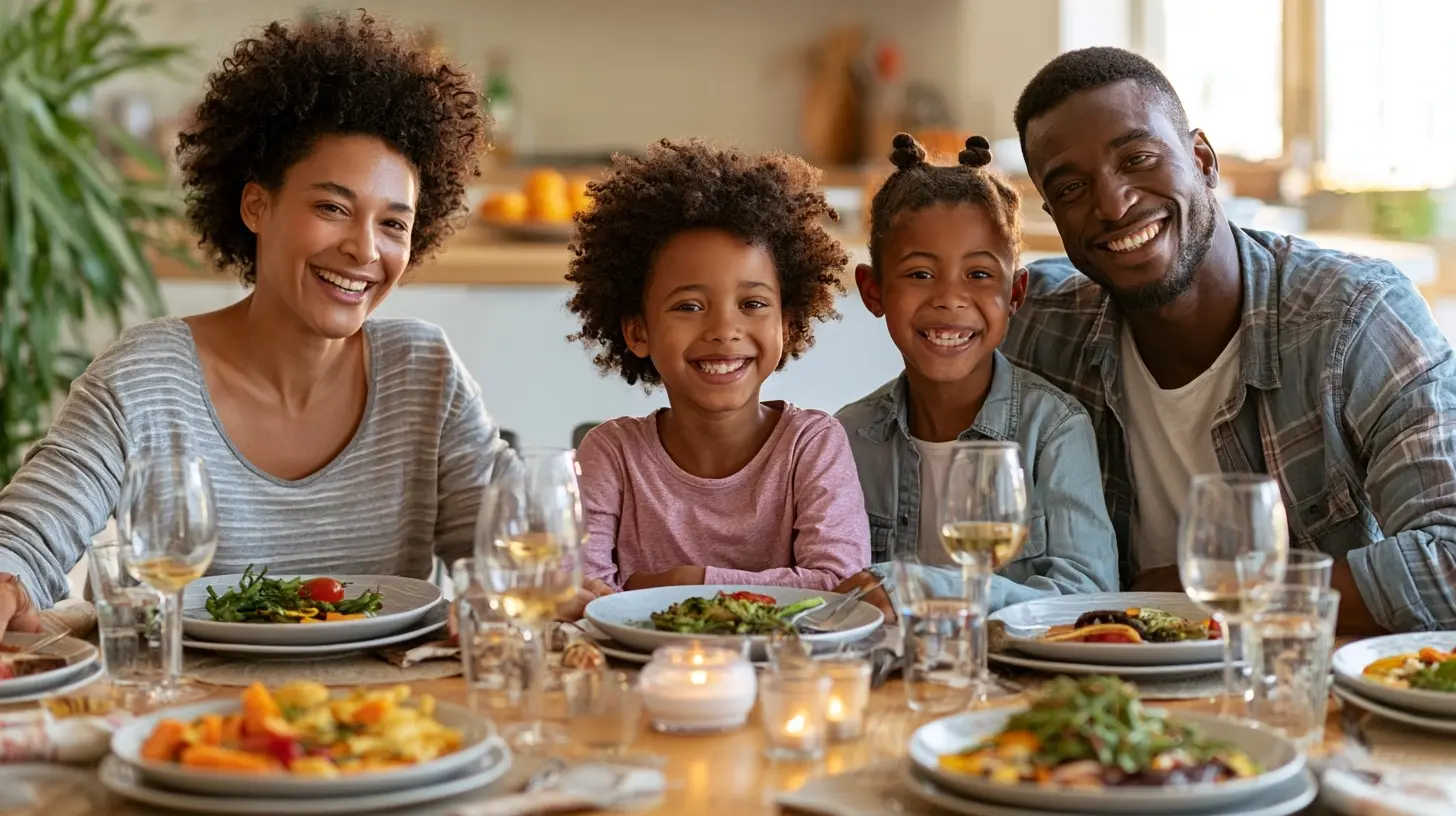
The image of a calm, candlelit dinner with everyone sharing highlights from their day is a fantasy for most families. Real meals are loud, messy, and sometimes short. Holding out for the ideal makes parents quit when reality does not match.Mistake 4: Assuming It Has to Be Dinner
Dinner gets all the attention, but breakfast, lunch, and snacks count too. A family that cannot manage dinner might manage Sunday breakfast or a shared afternoon snack. The meal is the container. The connection is the content.Mistake 5: Ignoring the Child Who Is Not Talking
Quiet children can get overlooked at a busy table. It helps to build in small rituals that give everyone a turn: a question of the day, a round of highs and lows, or simply a pause where the talkative ones are asked to wait. This is not about forcing anyone to share. It is about making space.Practical Strategies That Actually Work
If you want to build or rebuild a family meal habit, the approach matters as much as the intention. Here are strategies that hold up in real households.Start Smaller Than You Think
One meal a week is a legitimate starting point. Pick a night that is usually calm. Protect it. Once it feels natural, add another. Trying to go from zero to seven is the fastest route to quitting.Lower the Bar on Food
A family meal does not require cooking from scratch. Rotisserie chicken, frozen vegetables, and a bag of rolls is a family meal. So is takeout eaten at the table instead of in front of the television. The food is not the point.Build a Rotation
Decision fatigue is real. Many families find it easier to repeat a small set of meals: taco night, pasta night, breakfast-for-dinner night. Repetition reduces planning load and gives children something to look forward to.Protect the Table From Screens
This is the single highest-leverage change most families can make. Phones at the table fragment attention and shut down conversation. A simple rule, applied to adults as well as children, changes the entire atmosphere.Have a Few Conversation Starters Ready
Not every meal needs a structured activity, but a few go-to questions help. "What was the best part of your day?" "What is something you are looking forward to?" "What is something you changed your mind about recently?" The last one works surprisingly well with teenagers.Let Children Participate
Kids who help prepare a meal are more invested in it. Even small jobs, like setting the table or washing vegetables, build ownership. It also cuts down on the "I do not like this" problem, because the child had a hand in making it.Accept That Some Nights Will Fail
Some meals will be chaotic. Someone will cry. Someone will refuse to eat. The pasta will be overcooked. This is normal. The habit is built on the average, not the best night.
When Family Meals Are Not the Right Tool
There are situations where pushing family meals does more harm than good. If a household is in the middle of a high-conflict period, if a child is struggling with an eating disorder, or if a parent is dealing with serious burnout, the priority may be to reduce pressure rather than add a ritual.In those cases, the underlying goal, which is connection and predictability, can be met in other ways. A nightly walk. A shared bedtime routine. A weekly one-on-one outing. The table is a powerful tool, but it is not the only one.
Making It Sustainable Over the Long Haul
The families who keep family meals going for years tend to share a few traits. They keep the format flexible. They do not tie the meal to behavior or performance. They let the ritual evolve as children grow. A meal that works for a five-year-old will not work for a fifteen-year-old, and that is fine.The most useful mindset is to treat the family meal as a practice rather than a rule. Practices get skipped sometimes. They get adjusted. They get returned to. That is what makes them last.
A Final Word for Parents
You do not need to be a great cook or a patient saint to give your children the benefits of shared meals. You need a table, some food, and the willingness to show up more often than not. The conversation will not always be deep. The food will not always be good. But over time, the small, ordinary dinners add up to something children carry with them: a sense of being known, a sense of belonging, and a memory of what it feels like to be part of a family that stops, sits down, and pays attention.
all images in this post were generated using AI tools
Category:
Nutrition For KidsAuthor:

Maya Underwood